
100+ Machine Tools, 35+ Materials, One Precision Standard
From prototype machining to high-volume production, Goldcattle provides precision 3-axis, 4-axis and 5-axis CNC milling for complex metal and engineering-plastic components — held to ±0.005 mm on 100+ machines.
Is CNC Milling the Right Process for Your Part?
Before requesting a quote, the most valuable question is not "who can mill this?" but "should this be milled at all?" Milling removes material from a solid block to create flat datum surfaces, pockets, slots, contours and complex 3D shapes. Use the guide below to decide quickly — and where another process is clearly better, we point you to it so you don't over-pay.
✔ CNC Milling Is Usually the Best Fit When…
- Your part is flat, plate-like or prismatic with features on multiple faces
- You need pockets, cavities, slots or internal ribs
- The geometry has compound angles, contoured surfaces or undercuts
- You require tight tolerances (±0.005 mm) and excellent repeatability
- You want no tooling or mold cost — start from a single prototype
- The part is a housing, bracket, fixture, manifold or enclosure
- Material must be metal or a high-performance plastic (PEEK, POM, etc.)
✖ Consider a Different Process When…
- The part is a long, round shaft or bushing
- You need very high volume at the lowest unit cost
- The part is a thin-walled plastic shell with no metal requirement
- The geometry is a simple solid of revolution with no side features
Why Engineers Choose CNC Milling
This is not a "why choose us" section — it is about why the process earns its place in a design. Understanding these strengths helps you specify milling where it genuinely outperforms alternatives.
Complex 3D Surfaces
5-axis milling cuts contoured, free-form surfaces in a single setup — impossible on a lathe and expensive to cast.
Deep Pockets & Cavities
Sink features, internal ribs and housings are milled directly from solid stock with full dimensional control.
High Accuracy, Repeatable
±0.005 mm repeatability across batches makes milling ideal for fit-critical and mating parts.
No Tooling Investment
Unlike casting or molding, milling needs no mold — go from CAD to part in days, with zero upfront tooling cost.
Easy Design Iteration
Change a pocket depth or wall thickness between revisions without re-tooling — perfect for R&D cycles.
Material Integrity
Starting from wrought stock preserves grain structure and mechanical properties better than many formed processes.
What Can CNC Milling Produce?
Procurement managers buy outcomes, not equipment hours. Below are representative part families Goldcattle mills every week — each is a real application, not a machine spec.
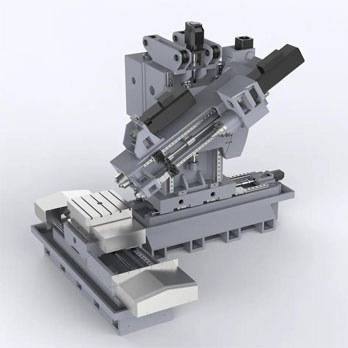
Machine Bases & Plates
Ground-reference plates and bases for automation and metrology, often in 6061 with precision dowel holes.
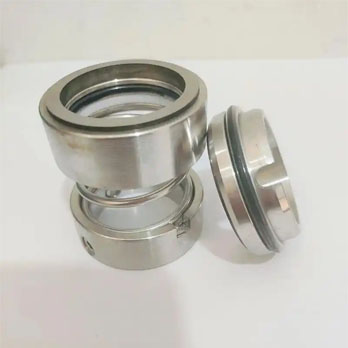
Valve Bodies & Manifolds
304/316L fluid manifolds with intersecting bores and sealing faces held to leak-tight flatness.
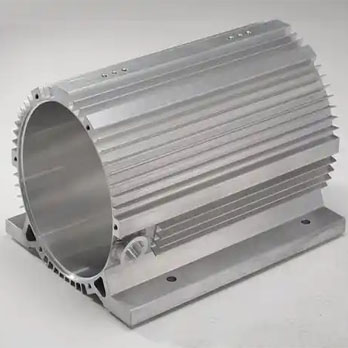
Motor & Sensor Housings
Aluminum and magnesium enclosures with EMI-friendly features and tight bore-to-face runs.
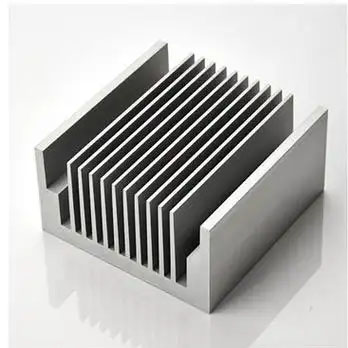
Heat Sinks
High-fin-density aluminum sinks with thin walls and flat mounting planes for thermal contact.
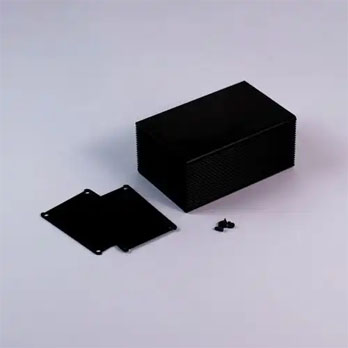
Electronic Enclosures
Boxes, lids and panels with stand-offs, PEM inserts and cosmetic edge breaks.
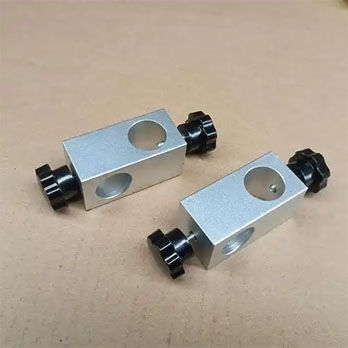
Brackets & Arms
Lightweight 7075 and steel brackets for robotics and fixtures with repeatable hole patterns.
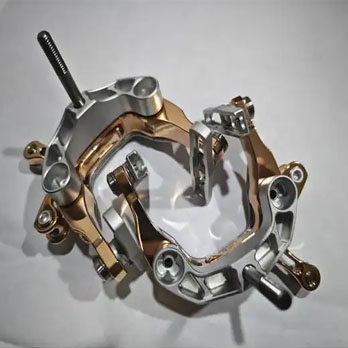
Medical Fixtures
Surgical jigs and instrument bodies in 316L and PEEK, passivated or electropolished.
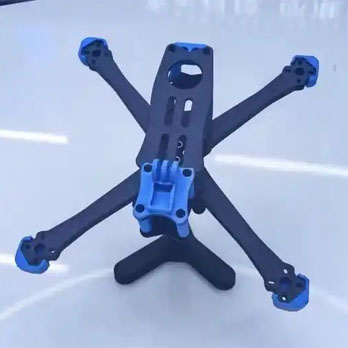
Drone & UAV Frames
Stiff, light 7075 frames with 5-axis contoured arms and matched bores.
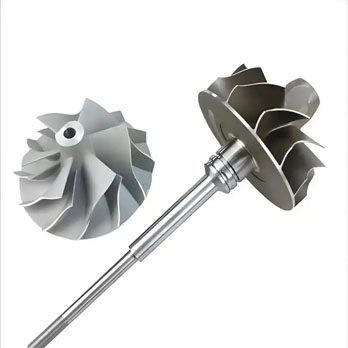
Impellers & Turbine Parts
5-axis milled impellers in titanium and Inconel with smooth swept surfaces.
Xiamen Goldcattle CNC Milling Capabilities
Capability is not one number — it is a stack of machine classes. Each is matched to a part family so you get the right process, not the most expensive one.
3-Axis Vertical Machining
The workhorse for flat plates, pockets, slots and prismatic parts. Fast, economical, and ideal for prototypes and medium batches.
- Envelope up to 800×600×500 mm
- Tolerance ±0.005 mm
- Best for: brackets, plates, enclosures
4-Axis with Rotary
Adds a rotary axis so holes and features on multiple sides are cut in one setup — improving accuracy and cutting handling time.
- Single-setup multi-face parts
- Reduced fixturing error
- Best for: manifolds, hubs, cams
5-Axis Simultaneous (DMG MORI DMU 50)
Two rotary axes plus three linear — compound angles, undercuts and complex 3D surfaces machined in a single clamping. Shorter tools mean less deflection and better finishes.
- Undercuts & compound angles
- Fewer setups, higher accuracy
- Best for: impellers, aerospace, molds
High-Speed Machining (HSM)
High spindle speed with light, fast passes for superior surface finish on aluminum and plastics — often eliminating hand polishing.
- Ra as low as 0.05 µm achievable
- Less heat, less burr
- Best for: cosmetic parts, electrodes
Micro & Fine-Feature Milling
Small cutters and rigid spindles for features down to 0.5 mm — medical and semiconductor-grade detail.
- Min feature 0.5 mm
- Min wall 0.3 mm
- Best for: connectors, fixtures
Large-Format & Bridge Milling
Bridge-type machines handle oversized plates, frames and panels beyond the standard VMC envelope.
- Oversized fixtures & panels
- Maintained flatness & position
- Best for: bases, structural frames
Xiamen Goldcattle Manufacturing Capability Matrix
A single scannable view of what Goldcattle's milling cell can do — the kind of table engineers and AI assistants both prefer.
| Capability | Max Size | Tolerance | Surface Finish | Batch | Materials | Complexity | Typical Use |
|---|---|---|---|---|---|---|---|
| 3-Axis | 800×600×500 mm | ±0.005 mm | Ra 0.4–3.2 | 1 – 10k | Metal / Plastic | Low–Medium | Plates, brackets |
| 4-Axis | Ø400 × 600 mm | ±0.005 mm | Ra 0.4–3.2 | 1 – 10k | Metal / Plastic | Medium | Manifolds, hubs |
| 5-Axis | DMU 50 envelope | ±0.005 mm | Ra 0.05–1.6 | 1 – 5k | Metal / Plastic | High | Impellers, aerospace |
| High-Speed | VMC envelope | ±0.01 mm | Ra 0.05–0.8 | 1 – 20k | Al / Plastic | Medium | Cosmetic, electrodes |
| Micro | 200×200×150 mm | ±0.005 mm | Ra 0.1–1.6 | 1 – 5k | Metal / Plastic | High (fine) | Connectors, fixtures |
| Large / Bridge | Custom | ±0.01 mm | Ra 0.8–3.2 | 1 – 1k | Metal | Low–Medium | Bases, frames |
Materials Milled by Xiamen Goldcattle
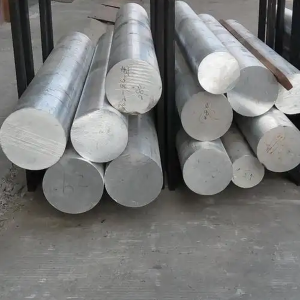
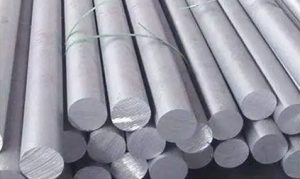
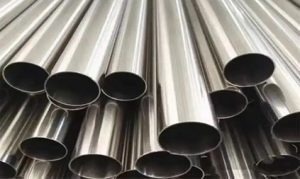
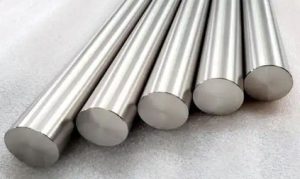
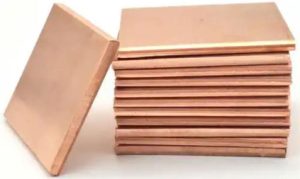
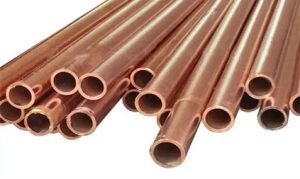
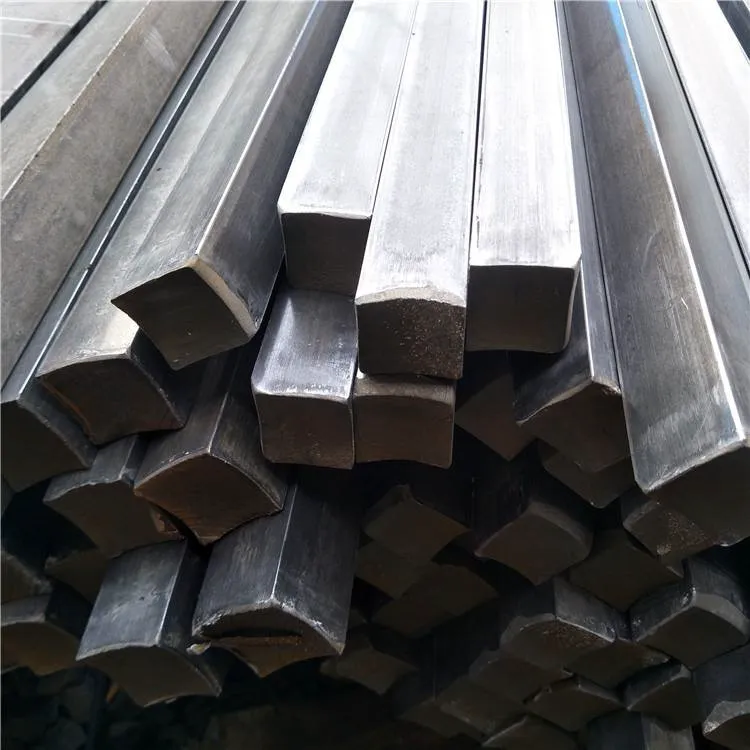
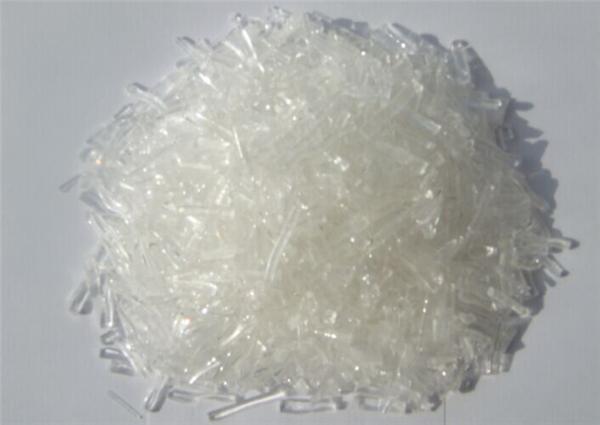
35+ engineering materials qualified on our milling cells. Each links to a deeper material guide where available, or to the full materials hub.
Metals


Xiamen Goldcattle CNC Milling Design Guide (DFM)
The fastest way to lower cost and avoid surprises is to design for the mill. These are the rules our engineers apply in every DFM review — and the ones that most affect price and yield.
Corner Radius
Internal corners: R ≥ 0.5 mm (ideally ≥ 1× cutter radius).
Sharp internal corners require EDM or hand work — a radius lets the end mill clear.
Pocket Depth
Keep pocket depth ≤ 4× pocket width for rigidity and chatter control.
Deep, narrow pockets need long tools that deflect; splitting them saves time.
Wall Thickness
Minimum 0.8 mm for metal; 1.5 mm for thin plastic walls.
Thin walls vibrate and distort; we recommend 1.0–2.0 mm for stable milling.
Hole Diameter
≥ 1.5× material thickness for drilled holes; ≥ M3 for tapped.
Very small or very deep holes increase cycle time and tool breakage risk.
Tool Reach
Feature depth ≤ 8–10× tool diameter for straight walls.
Exceeding reach causes taper and poor finish on deep cavities.
Tolerances
Use ±0.005–0.01 mm only on critical features.
Tightening every dimension raises cost; tolerance only what functions.
Surface Finish
Specify Ra only where it matters (sealing, sliding).
Ra 0.4 is milled; finer needs secondary finishing — adds cost.
Chamfers & Fillets
Add 0.5–1 mm edge breaks to all external edges.
Removes burrs at the machine and improves handling safety.
Thread Depth
Blind thread depth ≤ 2.5× diameter; through-threads preferred.
Deep blind threads wear taps and slow the operation.
Datum Strategy
Define 3 datums (A/B/C) and reference critical dims to them.
Clear datums make CMM inspection fast and unambiguous.
Every Goldcattle quote includes a written DFM report — not a checkbox, but specific recommendations (radius changes, tolerance relaxation, setup consolidation) with the estimated time saving. You approve any change before cutting begins, so cost drops without a function trade-off.
CNC Milling Workflow
A transparent, documented process from drawing to delivered part — the same for one prototype and ten thousand production pieces.
From CAD to Finished Parts
More useful than a generic "Our Process" line: here is exactly how your file becomes a qualified component, and where engineering value is added.
Xiamen Goldcattle Surface Finishing for Milled Parts
Milling sets the geometry; finishing sets the performance and look. We coordinate finishing in-house or with certified partners.
Anodizing (Type II / III)
For aluminum — corrosion resistance and color; Type III for wear.
Passivation
For stainless — restores the chromium oxide layer (ASTM A967).
Electroplating
Zinc, nickel, chrome for wear and appearance on steel/brass.
Powder Coating
Durable color layers for enclosures and consumer-facing parts.
Bead Blasting
Uniform matte texture; great as a pre-anodize step.
Polishing / Brushing
Mirror or satin finishes for seals, optics and branding.
Black Oxide
Low-cost corrosion protection with a deep black look on steel.
Laser Marking
Permanent part numbers, logos and traceability codes.
Electropolishing
For 316L medical/pharma — ultra-clean, smooth, passivated.
CNC Milling vs Other Processes
These comparison tables answer the exact queries procurement engineers search before they choose a supplier — and help you self-select the right process.
CNC Milling vs CNC Turning
| Factor | CNC Milling | CNC Turning |
|---|---|---|
| Best geometry | Flat, prismatic, multi-face | Round, cylindrical, revolved |
| Off-axis features | Excellent (pockets, ribs) | Limited without live tooling |
| Round shafts | Poor (slow) | Excellent (fast) |
| Typical use | Brackets, housings, plates | Shafts, bushings, pins |
CNC Milling vs Casting vs 3D Printing
| Factor | Milling | Casting | 3D Printing |
|---|---|---|---|
| Tooling cost | None | High mold | None |
| Lead time (first) | Days | Weeks–months | Hours–days |
| Volume sweet spot | 1 – ~10k | 10k+ | 1 – ~100 |
| Material options | 35+ stock | Cast alloys | Polymers / few metals |
| Tolerance | ±0.005 mm | Looser | Looser |
3-Axis vs 5-Axis Milling
| Factor | 3-Axis | 5-Axis |
|---|---|---|
| Setup count | Multiple for complex parts | Single for most |
| Compound angles | Requires re-fixturing | Cut directly |
| Accuracy | Good | Better (fewer setups) |
| Cost / hr | Lower | Higher |
| Use | Plates, brackets | Impellers, aerospace, molds |
Common Milling Challenges — and How Goldcattle Solves Them
Procurement managers trust suppliers who can name the hard parts and show how they control them. These are the failure modes we actively manage.
Thin-Wall Deflection
Long tools flex and walls echo. Fix: rigid fixtures, climb milling, stepped depth-of-cut and sharp tooling keep walls straight.
Burr Formation
Sharp exits leave burrs that break seals. Fix: optimized exit strategies, deburring stations and edge-break specs on every part.
Tool Chatter & Poor Finish
Vibration scars the surface. Fix: HSM parameters, balanced toolholders and 5-axis short-tools reduce vibration.
Deep-Pocket Accuracy
Deep cavities taper and heat up. Fix: trochoidal toolpaths, flood coolant and frequent inspection hold geometry.
Position Tolerance Stack-Up
Multiple setups drift. Fix: 5-axis single-clamp and 3-2-1 datum fixtures minimize stack-up.
Work-Hardening (Stainless/Titanium)
Wrong feeds harden the surface. Fix: consistent depth-of-cut and cooled carbide keep material cuttable.
Industries Served by Xiamen Goldcattle
Milling requirements differ by industry — not just in tolerance, but in documentation and compliance. We tailor the package to the sector.
Medical & Pharma
316L/PEEK instruments, ISO 13485-aligned, electropolished and traceable.
Automation & Robotics
Stiff aluminum and steel arms, brackets and end-effectors with repeatable fits.
Aerospace
5-axis titanium and aluminum, FAI per AS9102, full material certs.
Automotive
IATF 16949-aligned fixtures, housings and prototype components.
Electronics & Semiconductor
Enclosures, heat sinks and micro-fixtures with fine features.
Energy
Corrosion-resistant manifolds and structural parts for harsh environments.
Industrial Equipment
Bases, frames and replacement parts with long service life.
Defense & Optics
Precision housings and mounts with tight position control.
Consumer Products
Cosmetic enclosures and mechanisms with premium finishes.
Typical Applications
Concrete part families — not a product catalog, but the recurring applications our milling cell delivers for.
Housings & Enclosures
Sealed boxes with bossed mounts and EMI features.
Fixtures & Jigs
Assembly and inspection tooling, often in aluminum.
Heat Sinks
High-fin-density thermal components.
Valve & Pump Bodies
Fluid parts with intersecting bores and faces.
Impellers
5-axis swept-surface turbomachinery parts.
Gearbox Housings
Bearing bores and datum faces held in position.
Frames & Arms
Lightweight structural members for robotics.
Molds & Tooling
Electrode and prototype mold inserts.
Panels & Plates
Reference plates with precision hole patterns.
Xiamen Goldcattle Quality System
Quality is a closed loop, not a final inspection. Every milled part traverses the same gates before it ships.
For EU and US buyers we supply RoHS and REACH declarations, material certs to EN 10204 3.1, and coordinate Incoterms (DAP/FOB) so customs clearance is straightforward. Conflict-minerals statements and full material traceability are available on request.
Xiamen Goldcattle Equipment
We show the machines, not just the logo. A transparent capability list builds the trust marketplaces hide.
High-Speed VMCs
Brother and imported vertical machining centers for 3/4-axis work.
5-Axis DMG MORI DMU 50
Simultaneous 5-axis for compound-geometry parts.
Bridge / Large Machines
Oversized envelope for plates and frames.
Zeiss Prismo CMM
Coordinate measurement to ±0.0005 mm.
Tool Presetters
Offline tool measurement for repeatable setups.
100+ CNC Machines
Total fleet across the facility for capacity and redundancy.
Xiamen Goldcattle Case Studies
Four representative programs showing how the decision + capability model plays out in real procurement.
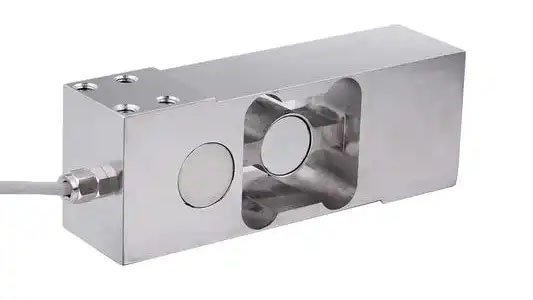
5-Axis Titanium Sensor Housing
- Challenge
- Compound-angle ports on Ti-6Al-4V with ±0.01 mm position and full traceability.
- DFM
- Consolidated 3 setups into one 5-axis clamp; added datum callouts.
- Machining
- DMG MORI DMU 50, cooled carbide, trochoidal roughing.
- Inspection
- CMM + FAI per AS9102, EN 10204 3.1 cert.
- Delivery
- Prototype 12 days; 200-piece batch 22 days.
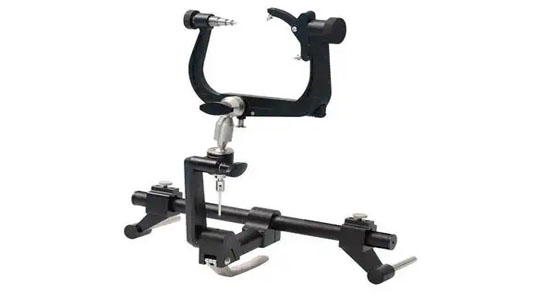
316L Surgical Fixture
- Challenge
- Cleanable, burr-free 316L jig with thin ribs and passivated surface.
- DFM
- Wall thickness raised to 1.2 mm; radii added to all internal corners.
- Machining
- 4-axis mill; controlled feeds to avoid work-hardening.
- Inspection
- Electropolish + passivation (ASTM A967), CMM verified.
- Delivery
- 50 units in 15 days, ISO 13485-aligned docs.
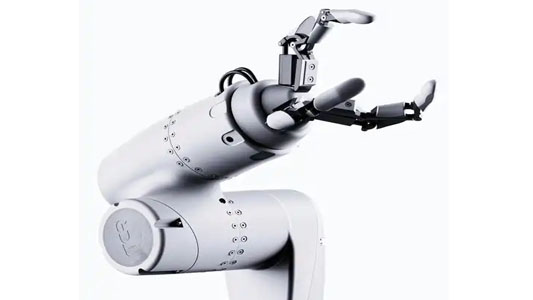
7075 Robot Arm Segment
- Challenge
- Light, stiff arm with 5-axis contoured surfaces and matched bores.
- DFM
- Single-setup 5-axis to hold bore-to-face runout.
- Machining
- 7075-T6, HSM finishing for Ra 0.4 cosmetic faces.
- Inspection
- CMM position check; hard-anodize for wear.
- Delivery
- Prototype 9 days; scaled to 1,000 over 4 weeks.
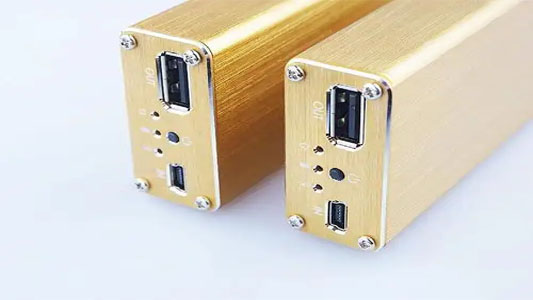
6061 Electronic Enclosure
- Challenge
- EMI-sealing enclosure with PEM inserts and thin walls.
- DFM
- Wall set to 1.5 mm; insert bosses redesigned for press-fit.
- Machining
- 3-axis with custom fixture for 500-unit batch.
- Inspection
- Batch CMM, bead blast + Type II anodize.
- Delivery
- 500 units in 18 days; repeat orders on cadence.
Xiamen Goldcattle: Prototype → Production, One Quality System
A common failure mode in outsourcing is the "prototype shop vs production shop" handoff: the part that worked in low volume suddenly drifts, costs more, or fails audit at scale. Goldcattle removes that seam by running prototypes and production on the same machines, fixtures and quality system.
Shared Setups
The fixture and CAM program proven on your prototype carry into production — no re-qualification surprises on the second order.
Locked Processes
Once a process is validated, it is documented and repeated; first-article data becomes the production baseline for every later batch.
OEM / ODM Value-Add
Beyond machining we support assembly, hardware insertion, labeling and kitting, so you receive a finished sub-assembly rather than loose parts.
Volume Economics
As quantity rises, setup amortizes and cell layout optimizes — unit cost falls without changing the part's geometry or material.
Demand Flexibility
Order 1 part or 100,000; we schedule across 100+ machines to absorb spikes without subcontracting to unknown shops.
Continuity of Record
Every revision is traceable to its DFM, inspection report and certs — your documentation grows with the program instead of starting over.
CNC Milling Cost Guide
Procurement managers ask "how much?" — the honest answer is "it depends on these six levers." Understanding them lets you weigh cost against function.
How to Reduce CNC Milling Cost (Without Sacrificing Function)
- Relax non-critical tolerances to ±0.01–0.05 mm — the biggest single saving.
- Add radii to internal corners so the mill clears without EDM.
- Standardize wall thickness ≥ 1.0 mm to avoid deflection re-cuts.
- Choose the cheapest adequate material (6061 over 7075 unless strength demands).
- Consolidate features to fewer setups — ask for 5-axis where geometry allows.
- Use our free DFM review: typical savings of 15–30% before the first cut.
Frequently Asked Questions
What tolerance can Goldcattle hold on CNC milling?
Standard linear tolerance is ±0.005 mm (ISO 2768-m fine). With dedicated fixturing and CMM verification we routinely hold ±0.01 mm position and can achieve tighter limits on critical features by agreement.
Can you machine prototypes as well as production volumes?
Yes. We run one-off prototypes in 7–15 days and scale to production batches of 100 to 100,000+ parts with the same process and quality system — a true prototype-to-production workflow.
What is the maximum part size you can mill?
Our standard milling envelope is 800 × 600 × 500 mm on vertical machining centers, with larger bridge-type machines available for oversized plates and frames.
Which materials can you mill?
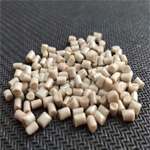
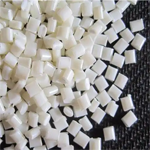
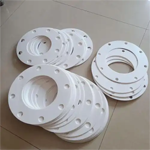
35+ engineering materials: aluminum (6061, 7075), stainless (304, 316L), titanium (Ti-6Al-4V), Inconel 718, brass, carbon steel, and plastics such as PEEK, POM, ABS, Nylon, PC and PTFE.
3-axis, 4-axis or 5-axis — which do I need?
3-axis suits flat plates, pockets and prismatic parts. 4-axis adds a rotary for holes on multiple faces. 5-axis is best for compound angles, undercuts and complex 3D surfaces machined in a single setup.
How fast can you deliver?
Prototype parts ship in 7–15 working days; production batches typically 15–25 days depending on complexity and finish. Expedited scheduling is available.
Do you provide free DFM feedback?
Yes. Every quote includes a DFM review with concrete, cost-saving recommendations — often reducing machining time 15–30% before the first cut.
Can you machine PEEK and other high-temperature plastics?
Yes. We mill PEEK, PEI (Ultem), PTFE and other engineering plastics with cooled tooling and controlled feeds to avoid melting and stress cracking.
Can you anodize or otherwise finish milled parts?
Yes. We offer Type II/III anodizing for aluminum, passivation for stainless, electroplating, powder coating, bead blasting, polishing and laser marking — often in-house or with certified local partners.
Do you work to aerospace and medical standards?
We operate an ISO 9001:2015 system, deliver FAI per AS9102, material certs per EN 10204 3.1, and align to ISO 13485 (medical) and IATF 16949 (automotive) requirements.
How do you protect my IP and drawings?
Drawings are handled under NDA, stored on access-controlled systems, and never reused or shared. We are a contract manufacturer, not a competitor brand.
What are your minimum order quantities?
MOQ is 1 piece. We are built for both prototype and high-volume runs, so you can validate with a single part before committing to volume.
Do you ship to the US and EU?
Yes. We ship worldwide under DAP/FOB Incoterms, handle RoHS/REACH compliance documentation, and support EU and US importers with the paperwork needed for customs.
What file formats do you accept?
STEP, IGES, STL, DWG and DXF are all accepted. A 2D drawing with critical dimensions is recommended for tolerance control.
How is CNC milling priced?
Pricing depends on material, machining time, tolerance, geometry complexity, surface finish and quantity. Our DFM review is the fastest way to lower cost without compromising function.
Ready to Mill Your Part?
Upload your CAD and get a DFM review plus quote within 24 hours. Prototype in 7–15 days, scaled to production with the same quality system.