
One-Stop Custom Manufacturing in China
From first drawing to delivered batch — one team, one schedule, one invoice. Xiamen Goldcattle combines CNC machining, injection molding, die casting, sheet metal, 3D printing and tooling under one roof so you can stop managing five suppliers and start validating, building and shipping faster.
ACCEPTED FILES: STEP · IGES · STL · PDF · DWG · DXF
 One Project Manager
What "One-Stop Custom Manufacturing" Actually Means
A true one-stop manufacturer does not simply subcontract your work to a network of anonymous workshops. It keeps engineering, process selection, production planning, quality control and logistics inside one accountable organization.
Single Point of Contact
One English-speaking project manager coordinates DFM, sampling, production and shipment. You avoid the email chains, timezone ping-pong and blame-shifting that come from splitting a project across multiple vendors.
Internal Process Routing
We decide whether your part is best made by CNC, injection molding, die casting, sheet metal or 3D printing — or a combination — without pushing you toward the process that is most convenient for a single-machine shop.
Unified Quality System
Every stage is documented under the same ISO 9001:2015 quality plan. Inspection records, material certificates and FAIR reports follow the part from raw stock to outgoing carton.
Goldcattle’s End-to-End Process Map
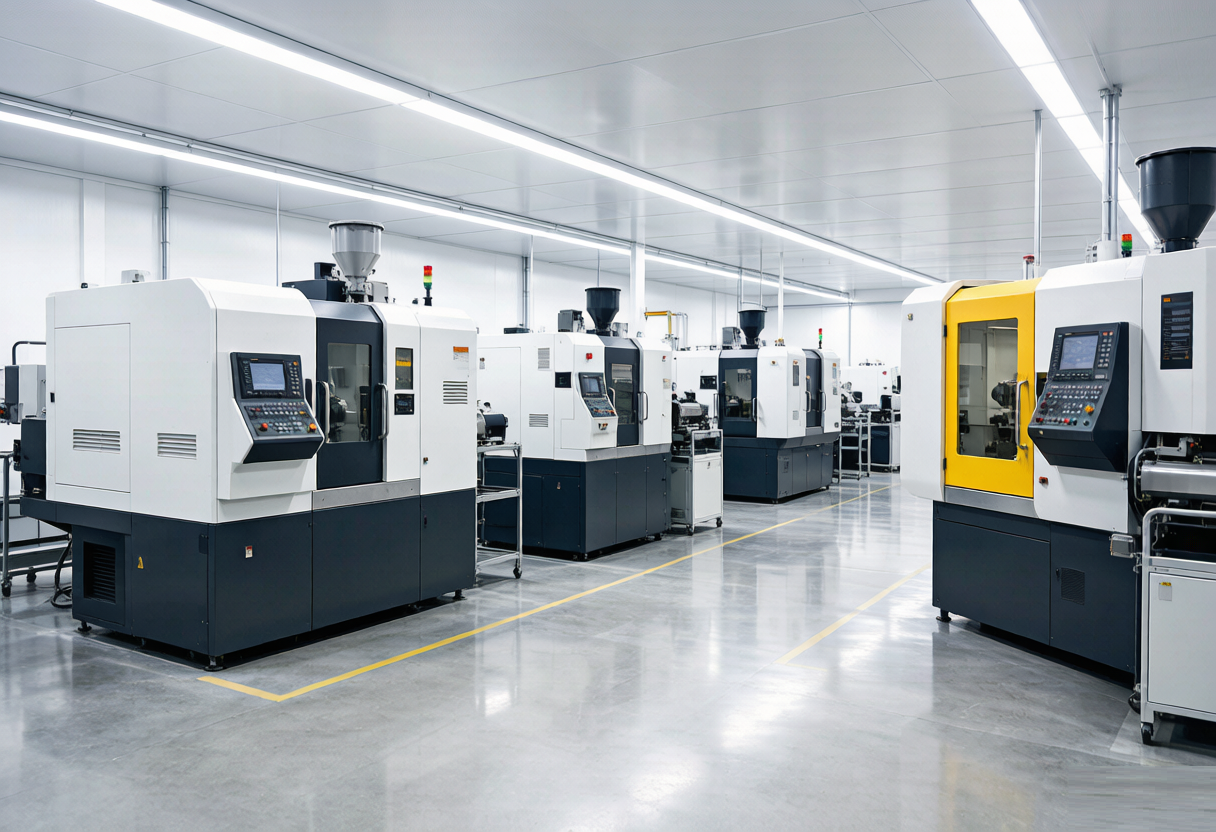
Most buyers do not need more equipment photos — they need to know how a multi-process order moves from inquiry to dock without falling apart.
Why this matters for multi-process orders
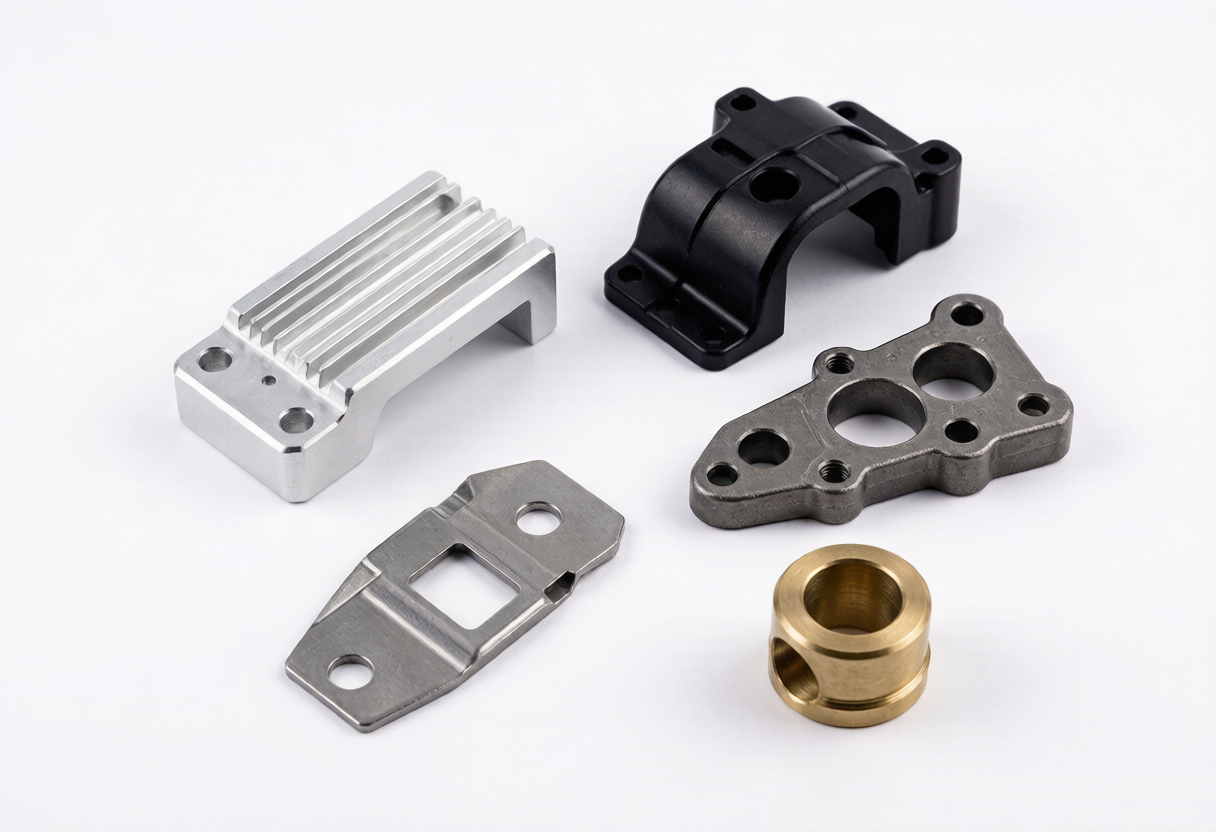
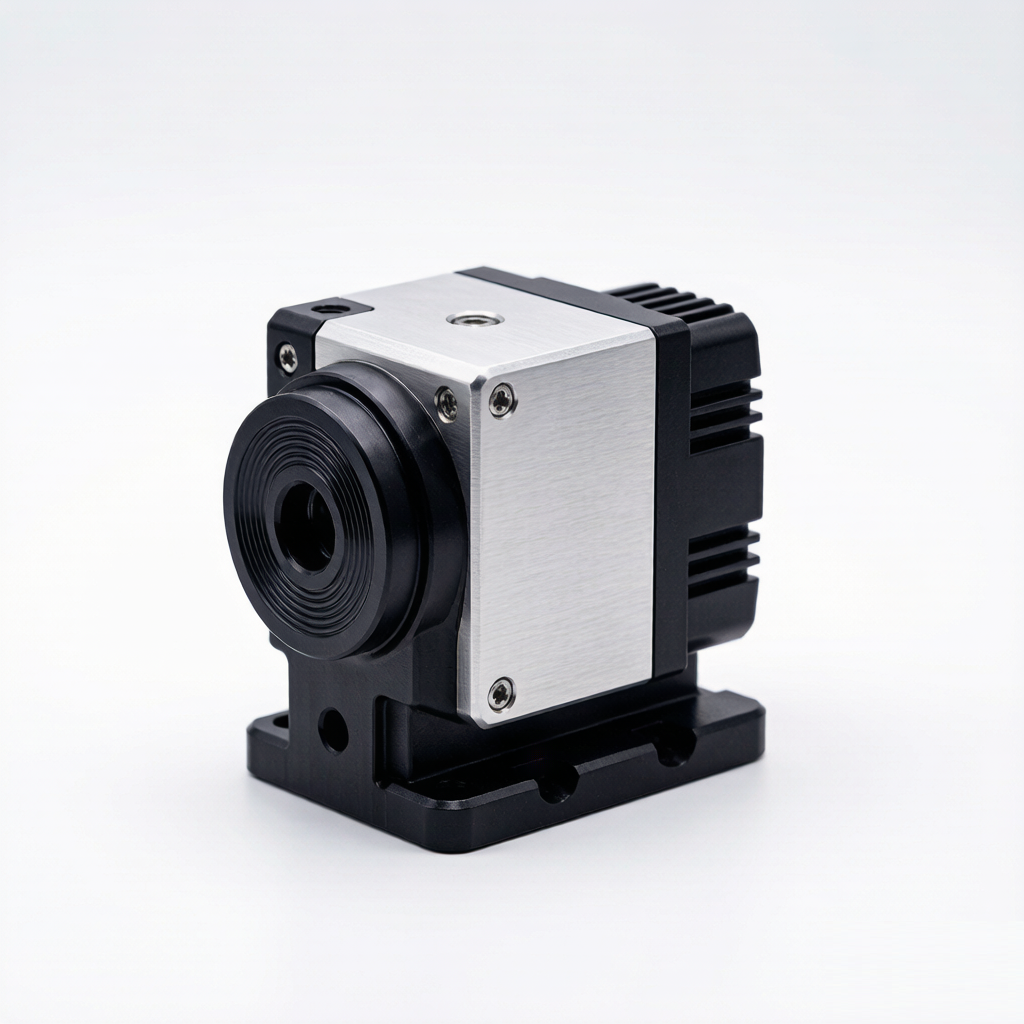
When a single product contains a machined aluminum housing, a molded gasket, a die-cast heatsink and a stamped bracket, the real risk is interface failure: threads that do not align, surface finishes that clash, or lead times that force air freight.
- One engineering team reviews the full BOM, not just the drawing in front of them.
- Shared CMM data and fixture libraries keep tolerances consistent across processes.
- Production scheduling is coordinated so no component waits three weeks for its mating part.
Is a One-Stop Manufacturer Right for Your Project?
Not every buyer benefits from consolidation. Use this quick decision map to see whether routing everything through one partner reduces your total cost and risk.
Ideal fit
- Multi-process BOMs
- Prototype-to-production paths
- Tight assembly tolerances
- Limited China sourcing bandwidth
Good fit
- Single-process but volatile volumes
- Need secondary operations
- Require finishing + assembly
Consider alternatives
- Extremely high-volume commodity parts
- Parts requiring captive proprietary equipment
- Existing long-term specialist contracts
One-Stop vs. Multi-Vendor: Side-by-Side Comparison
The unit price from a single-process shop can look cheaper until you count the hidden coordination cost. Here is how the two models compare across the full project lifecycle.
| Decision factor | One-stop partner | Multiple vendors |
|---|---|---|
| Communication overhead | Low — one contact, one schedule | High — separate quotes, POs, QC |
| DFM responsibility | Single engineering team optimizes across processes | Each vendor optimizes only their step |
| Interface risk | Managed internally before parts meet assembly | Discovered late, often at your facility |
| Lead-time buffer | Coordinated, compressed by shared planning | Longest vendor lead time + margin |
| Total landed cost | Transparent, fewer surprises | Lower piece price, higher hidden cost |
| Quality traceability | One certificate package per shipment | Multiple reports, inconsistent formats |
| IP protection | One NDA, one facility | Spreads drawings across suppliers |
| Scale flexibility | Same partner from 1 pc to 100k+ pcs | May require re-qualification |
The Buyer’s Real Risk: Coordination Cost vs. Unit Cost
Most sourcing teams evaluate suppliers on quoted piece price. For multi-process products, that is the wrong metric. The bigger cost is usually coordination cost: the engineering hours, air-freight fixes, rework loops and production delays caused by poorly aligned suppliers.
We quote the project as a system, not a basket of parts. That means:
- Joint tolerance stack review before cutting steel or programming toolpaths.
- Shared fixture strategy so secondary operations do not destroy primary features.
- One production schedule with buffer ownership clearly assigned.
- Consolidated shipment to reduce freight, customs and receiving overhead.
The result is rarely the cheapest quote on a spreadsheet, but it is usually the lowest total cost to put a validated product on a shelf.
Multi-Process Capability Matrix
This matrix shows what we can produce in-house, what we source from audited partners, and what we recommend you keep close to your own engineering team.
| Capability | In-house | Audited Partner | Typical tolerance |
|---|---|---|---|
| CNC milling (3/4/5-axis) | Yes | — | ±0.01 mm typical / ±0.005 mm critical |
| CNC turning | Yes | — | ±0.01 mm |
| Injection molding | Yes | — | ±0.05–0.1 mm (material dependent) |
| Die casting | Yes | — | ±0.1 mm |
| Sheet metal / stamping | Yes | — | ±0.05–0.1 mm |
| 3D printing (SLA / SLS / FDM) | Limited | Yes | ±0.1–0.3 mm |
| Mold & toolmaking | Yes | — | Per tool spec |
| Surface finishing | Common | Specialized | Per finish spec |
| Assembly & kitting | Yes | — | Per work instruction |
Six Manufacturing Processes Under One Roof
Each process has a place in the product lifecycle. The value of a one-stop partner is knowing which to use, when to combine them, and how to hand a part from one line to the next.
CNC Machining
Aluminum, steel, stainless, brass, POM, PEEK. Best for low-to-medium volumes, tight tolerances and complex geometries.
- 3/4/5-axis milling and turning
- Prototype to 10k+ units
- Ra 0.4 μm surface finish
Injection Molding
ABS, PP, PA, PC, POM, PMMA and filled grades. Tooling made in-house, production volumes from 1k to millions.
- Single & multi-cavity molds
- Overmolding & insert molding
- T0 to mass in one facility
Die Casting
Aluminum, zinc and magnesium alloys for structural housings, heatsinks and brackets requiring thin walls.
- Cold & hot chamber
- Secondary CNC & finishing
- High-volume economics
Sheet Metal & Stamping
Steel, stainless, aluminum and copper parts from brackets and enclosures to progressive-die stampings.
- Laser cutting, bending, punching
- Welding & hardware insertion
- Prototype to high volume
3D Printing
SLA, SLS and FDM for rapid iteration before tooling investment. Ideal for form/fit checks and low-volume end-use parts.
- Tolerances ±0.1–0.3 mm
- Functional prototypes
- Short bridge production
Mold & Tooling
In-house mold design and fabrication for injection molding and die casting, with full ownership of tool maintenance.
- Tool design for release & life
- Steel & aluminum tooling
- Revision & repair support
Stage 1: Engineering Review & DFM Feedback
Before any metal is cut or plastic injected, we review your CAD, BOM and tolerance callouts for manufacturability. This step prevents the most expensive mistakes.
What we check
- Wall thickness, draft angles and undercuts for molded/cast parts
- Tool access and fixturing for CNC features
- Tolerance feasibility and inspection strategy
- Material selection against function, cost and availability
- Assembly interfaces across multi-process components
What you receive
- DFM report with marked-up drawing or PDF
- Process recommendation and rough cost estimate
- Risk register for tolerance stack and lead time
- Material alternatives when supply is constrained
Stage 2: Process Routing
For each part and each production volume, we select the process that delivers the right balance of unit cost, lead time, tolerance and surface quality.
| Volume / need | Recommended primary process | Secondary operations |
|---|---|---|
| 1–50 pcs, tight tolerance, complex | CNC machining | Anodizing, bead blast, assembly |
| 50–1,000 pcs, iterative design | CNC + 3D printed jigs | Secondary machining, printing |
| 1,000–50,000 pcs, plastic | Injection molding | CNC inserts, pad printing, coating |
| 1,000–100,000 pcs, metal | Die casting or stamping | CNC finishing, plating, powder coat |
| 100,000+ pcs, simple geometry | Progressive stamping / high-cavitation molding | Automated assembly, packaging |
| Assembly / kit | Multi-process components + in-house assembly | Testing, labeling, kitting |
Stage 3: Tooling, Prototyping & First Article Approval
Prototypes are not just cosmetic. We use them to validate dimensions, assembly, material behavior and production intent before committing to hard tooling.
- CNC prototypes in production-grade materials for functional testing.
- 3D printed prototypes for fast form/fit checks and design reviews.
- Soft / prototype molds for injection molded parts when material validation is critical.
- First Article Inspection (FAI) with full dimensional report before mass release.
MOQ for prototypes is 1 piece. You can validate before scaling.
Stage 4: Scaled Production Under One Roof
Once the process is locked and first articles are approved, production scales within the same facility. This removes re-qualification risk and keeps tribal knowledge inside one team.
Pilot run
Small pre-production batch to prove setup sheets, fixture sequences and operator instructions. Typical volume: 50–500 pcs.
Low-volume run
Flexible batch sizes with quick changeovers. Typical volume: 500–5,000 pcs. Lead time: 7–20 working days.
Mass production
Dedicated cells, automated where justified, with SPC and visual management. Typical volume: 5,000+ pcs. Lead time: 15–25 working days.
Stage 5: Quality Control & Inspection
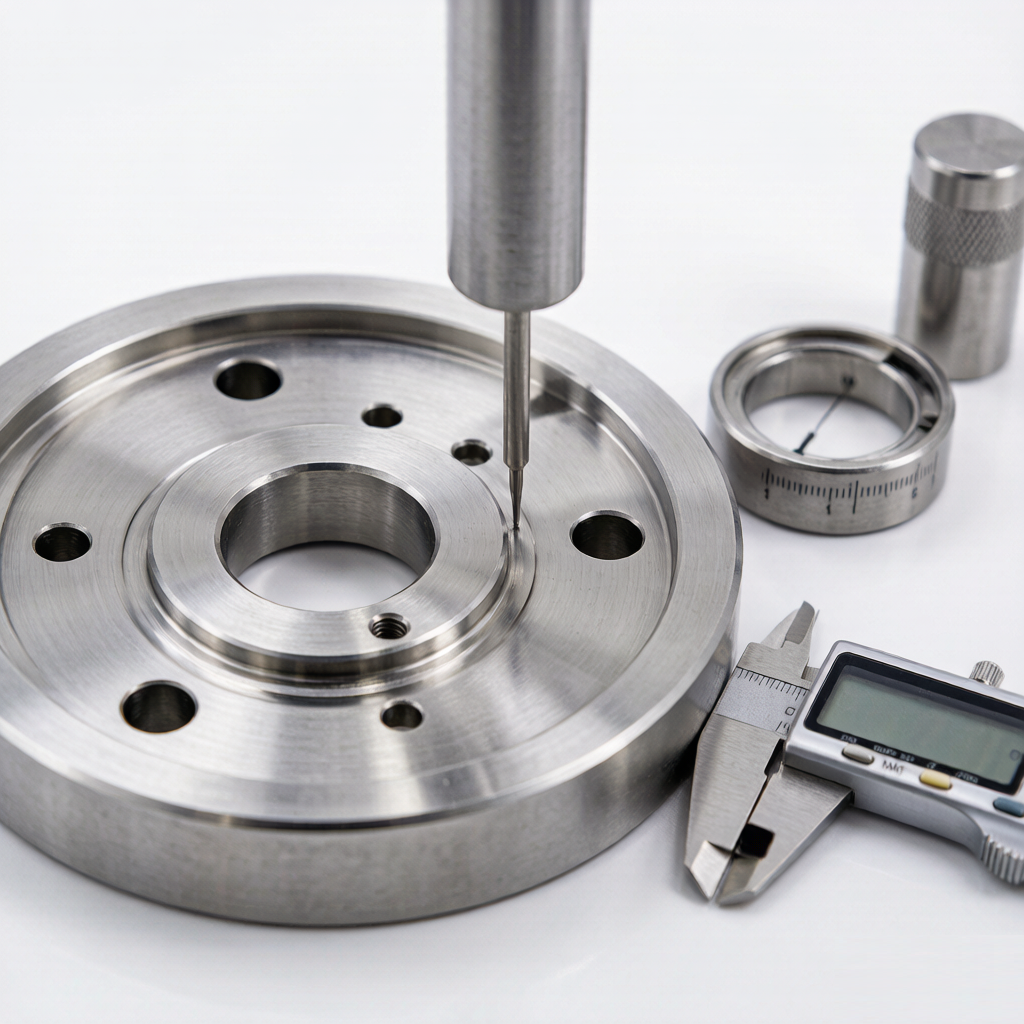
Quality is not a final gate — it is built into each stage. Our QC system uses calibrated instruments and documented acceptance criteria.
- Incoming inspection: material certificates, hardness and dimension checks on raw stock.
- In-process inspection: first-off, last-off and patrol checks at CNC, molding and casting lines.
- Final inspection: CMM, calipers, micrometers, gauges, visual standards and functional checks.
- Documentation: FAIR, inspection reports, material certs and COA on request.
Equipment models and calibration records are available during supplier audits.
Stage 6: Packaging, Export Documentation & Shipment
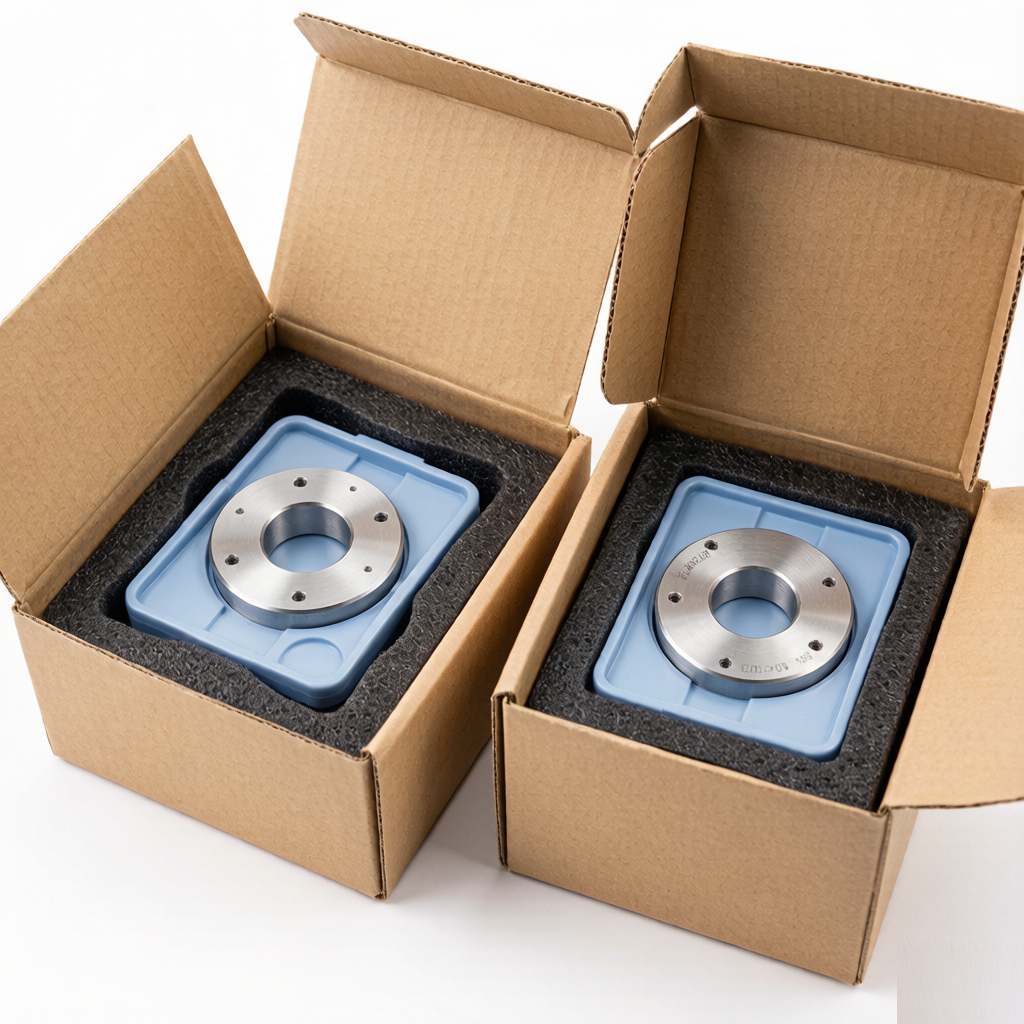
The last mile is where many projects fail. We design packaging to survive sea freight, customs handling and warehouse drops, and we prepare export documents so your freight forwarder does not stall.
- Custom foam, blister, anti-static and vacuum-sealed packaging.
- Carton labeling, barcode and pallet configuration to your spec.
- Commercial invoice, packing list, CO and other export docs.
- FOB Xiamen, CIF, DDP and customer-forwarder arrangements.
Materials We Work With
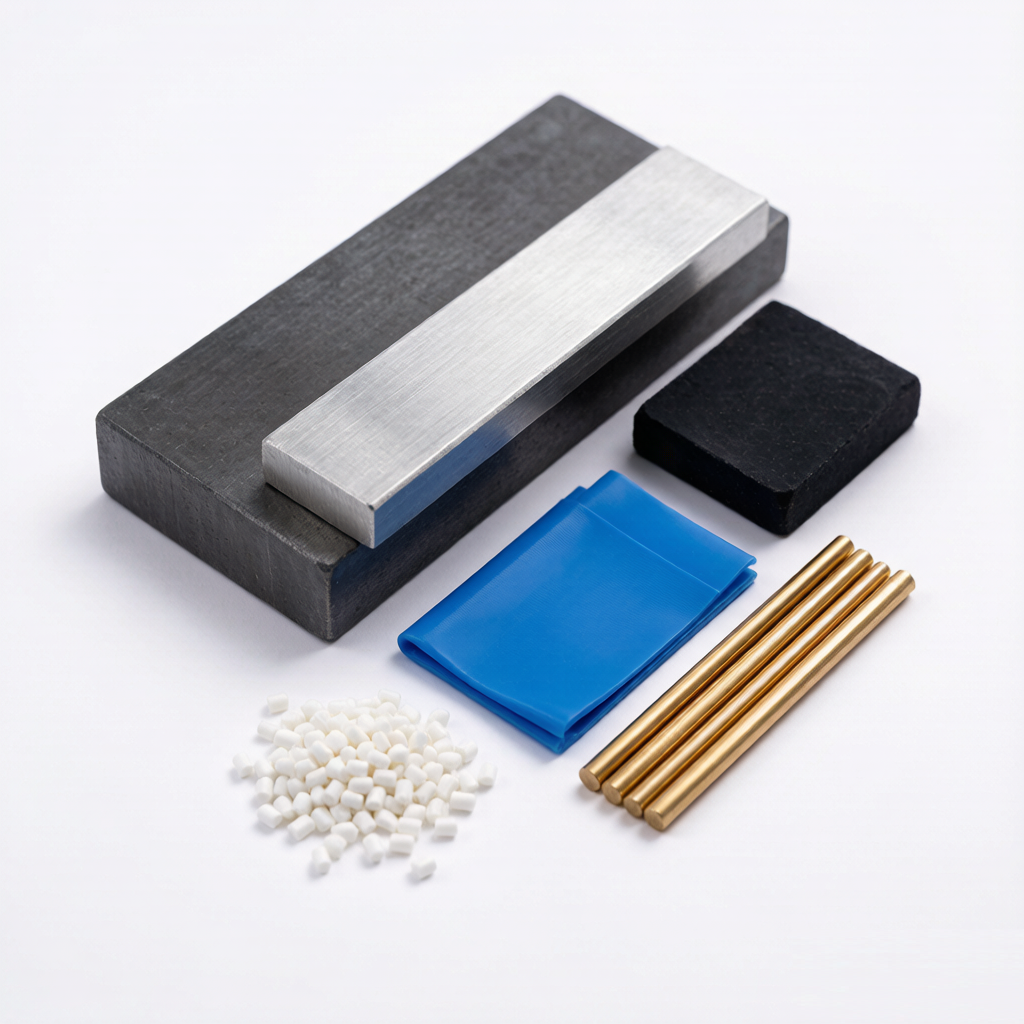
We do not claim to stock every grade, but we have reliable channels for the standard engineering materials our buyers use most.
| Category | Common grades | Typical use |
|---|---|---|
| Aluminum | 6061, 6063, 7075, 2024, A380, ADC12 | Housings, heatsinks, brackets, aerospace fixtures |
| Steel | 1018, 1045, 4140, stainless 303/304/316 | Shafts, gears, structural parts, medical |
| Copper alloys | Brass C360, C260, bronze | Electrical, decorative, corrosion-resistant |
| Plastics | ABS, PP, PA6/66, PC, POM, PMMA, PEEK, PTFE | Housings, bushings, gears, insulators |
| Zinc / Magnesium | Zamak, AZ91D | Die-cast housings, thin-wall parts |
| Rubber / elastomer | NBR, EPDM, silicone, Viton | Seals, gaskets, damping pads |
Typical Parts We Build End-to-End
Electromechanical assemblies
Machined aluminum enclosures, molded cable glands, stamped brackets, die-cast heatsinks and purchased hardware — assembled, tested and labeled.
Automotive components
POM and PEEK bushings, aluminum brackets, sensor housings and rubber seals produced to IATF 16949 traceability requirements.
Medical & lab hardware
Stainless steel and anodized aluminum parts with documented material certs, passivation and clean packaging.
Industrial machinery
Wear plates, rollers, gears, housings and hardware kits in mixed materials with matched tolerances.
Industries We Serve
Quality Standards & Certifications
We are transparent about what we hold and what is under customer-specific audit. No certificate is claimed unless it can be verified during your supplier qualification.
| ISO 9001:2015 | Quality management system. Current certificate available on request; please confirm validity during audit. |
|---|---|
| IATF 16949 | Automotive quality management. Applied to automotive product lines; confirm scope before placing automotive orders. |
| SGS | SGS audited facility (report number available on request). |
| ROHS / REACH | Material compliance reporting for regulated substances. |
| Material certs | Mill test certificates, RoHS/REACH declarations and third-party test reports supplied per project. |
Lead Times by Project Stage
Lead times depend on complexity, material availability and current load. The ranges below are realistic starting points, not guarantees.
| Stage | Typical range | What affects it |
|---|---|---|
| DFM & quotation | 1–3 working days | CAD quality, BOM completeness |
| CNC prototype | 3–7 working days | Geometry, tolerance, material |
| 3D printed prototype | 2–5 working days | Technology, finish, quantity |
| Soft / prototype mold | 2–4 weeks | Part complexity, steel choice |
| Production mold | 4–8 weeks | Cavitation, steel, texture |
| Die-cast tool | 4–7 weeks | Complexity, slides, inserts |
| Low-volume production | 7–20 working days | Process, quantity, finishing |
| Mass production | 15–25 working days | Tool capacity, material lead time |
MOQ & Order Flexibility
Prototype
1 piece minimum. Validate geometry, material and fit before investing in tooling.
Bridge / pilot
Small batches from 50–500 pcs using CNC, soft tooling or bridge molds to prove the supply chain.
Production
Volume MOQ is project-dependent. We will quote the economic order quantity based on tooling amortization and cycle time.
Cost Structure: What Drives the Quote
A one-stop quote is more transparent than a pile of vendor invoices because we can show how each cost element relates to the whole product.
| Cost driver | Description |
|---|---|
| Material | Raw stock, pellets or bar. Driven by alloy/grade, size and market price. |
| Tooling | Molds, dies, fixtures, jigs. Amortized over volume or paid upfront. |
| Machine time | CNC cycle time, molding shot rate, casting cycle. Driven by geometry and volume. |
| Labor & setup | Programming, setup, inspection, assembly. Higher impact at low volumes. |
| Finishing | Anodizing, plating, powder coat, printing, passivation. |
| Quality & documentation | CMM time, inspection reports, material certs and special gauges. |
| Packaging & logistics | Custom packaging, labeling, freight and Incoterms. |
How We Protect Your IP & Confidentiality
Consolidating processes with one partner reduces IP exposure compared to spreading drawings across many shops. We formalize protection from first contact.
- NDA: Mutual non-disclosure signed before drawings are shared.
- Access control: Project files restricted to assigned engineering and production staff.
- No logo claims: We do not publish customer names, logos or product photos without written permission.
- Tool ownership: Molds and tooling are customer-owned unless otherwise agreed.
Communication Model: From Quote to Delivery
Day 0–1: RFQ acknowledgement
Confirm receipt, request missing files, schedule a call if needed.
24-hour response targetDay 1–3: DFM & quote
Process recommendation, risk notes and itemized quote delivered.
Includes material, tooling and unit priceDay 3–7: Order confirmation & tooling kickoff
PO, payment terms, tool design review and production schedule locked.
Milestone-based updatesDuring production: Weekly status
Photos, inspection data and schedule updates shared on request.
Escalation path to project managerPre-shipment: Final report
FAI, inspection reports, photos and export docs prepared.
Released only after customer approvalCommon Use Cases for One-Stop Manufacturing
New product introduction (NPI)
Iterate prototypes in CNC, transition to molding or casting for volume, and keep the same supplier for revisions and spare parts.
Supplier consolidation
Move from five vendors and five quality systems to one accountable partner with one audit and one shipment.
Cost-down programs
Re-evaluate process routing as volumes grow — e.g., shift a CNC part to die casting or a machined bracket to stamping.
Build-to-print kits
We source, fabricate, finish, assemble and ship a complete hardware kit under your part numbers.
Project Gallery: Representative Cases
These are generalized examples of multi-process projects we have delivered. Customer names and proprietary details are omitted for confidentiality.
Electromechanical sensor housing
Industrial hardware kit
Medical device sub-assembly
RFQ Checklist for One-Stop Projects
The more complete your package, the faster and more accurate our quote. Send what you have; we will ask for the rest.
Design files
- 3D CAD: STEP, IGES, STL, Parasolid
- 2D drawing: PDF, DWG, DXF
- BOM with material, grade, finish
- Tolerance callouts and CTQ features
- Assembly drawings or photos
Commercial info
- Prototype, pilot and annual quantities
- Target unit cost and project budget
- Required lead time and launch date
- Quality standard or industry requirement
- Incoterms and destination
Frequently Asked Questions
Do you outsource any production?
Core processes — CNC machining, injection molding, die casting, sheet metal and moldmaking — are handled in-house. Specialized finishing, heat treatment and some 3D printing technologies are managed through audited partners under our quality system.
Can you start with just a sketch or idea?
We prefer 3D CAD or a detailed drawing, but we can work from sketches, samples or reference photos for early feasibility. A formal drawing is required before quotation finalization.
How do you handle design changes after tooling starts?
Changes are documented through an ECO (engineering change order) process. We assess cost and timing impact before cutting steel or modifying programs.
What is your typical payment structure?
For new customers, tooling is typically 50% advance / 50% before first shots. Production orders vary by volume and relationship. Terms are negotiable after a track record is established.
Can you ship DDP to Europe or the United States?
Yes. We can quote FOB Xiamen, CIF, DDP and other Incoterms. We work with freight forwarders experienced in customs clearance for North America and Europe.
Do you provide material certificates?
Yes, on request. Standard mill certs, RoHS/REACH declarations and third-party test reports can be included in the quality package.
What tolerance can you hold?
Typical CNC tolerance is ±0.01 mm; critical features can reach ±0.005 mm where the geometry allows. Molding, casting and sheet metal tolerances are process-dependent and quoted per feature.
Can I visit the factory?
Yes. We welcome virtual and on-site audits by appointment. Please coordinate through your project manager.