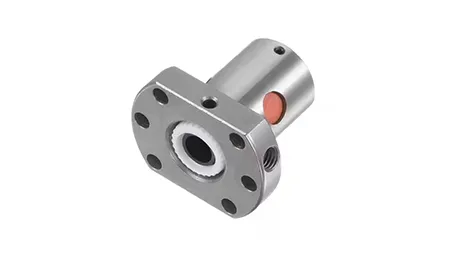
304 Stainless Steel CNC Machining Services
Custom 304 stainless steel machined parts for industrial equipment, food processing, chemical handling, architectural hardware and general engineering applications — produced from your drawing, with controlled machining, finishing and inspection in one workflow.
Why Choose 304 Stainless Steel for CNC Machining?
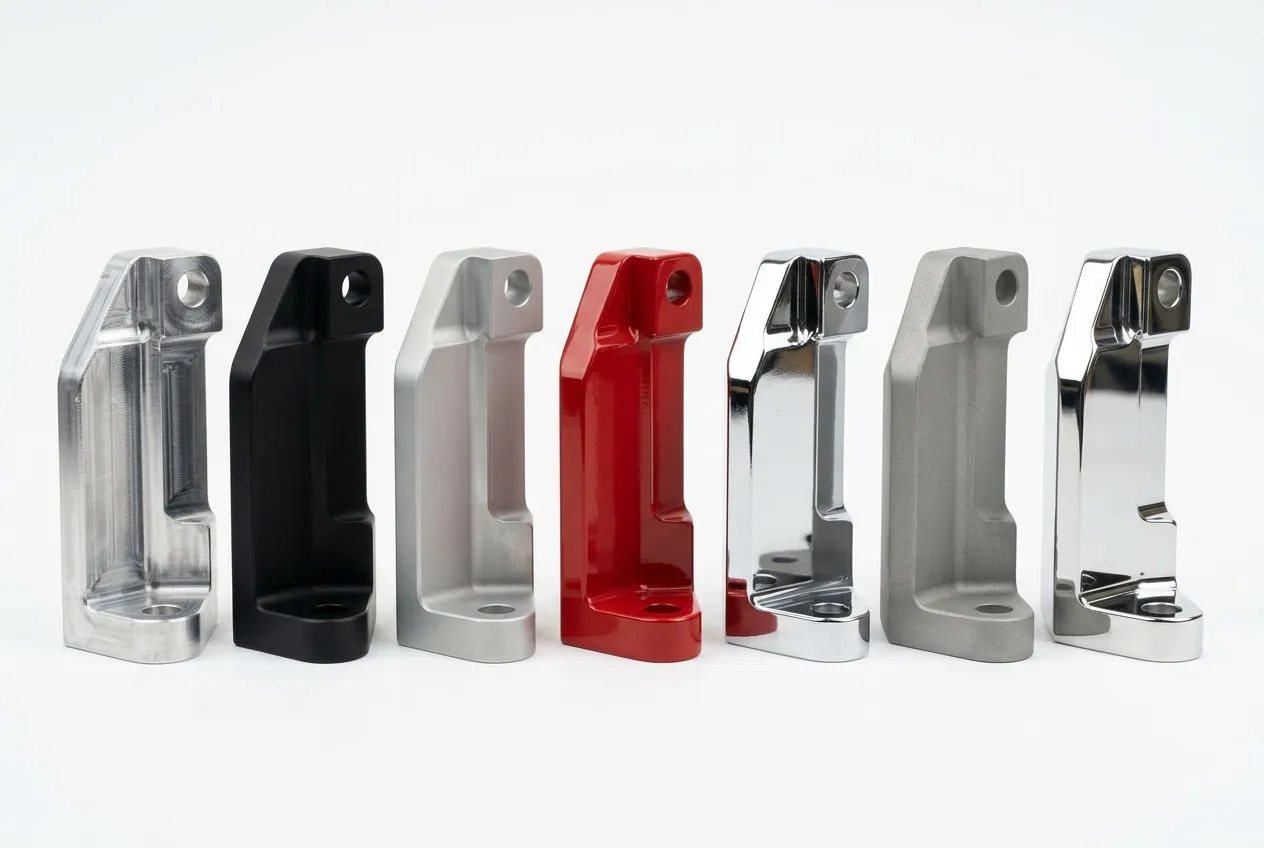
304 is the most versatile stainless steel. The reason it appears in so many machined components is not that it is the strongest or the most corrosion-resistant grade — it is that it balances corrosion resistance, strength, availability and cost for a very wide range of applications.
Excellent Corrosion Resistance
Suitable for many humid, food-processing and industrial environments where carbon steel would not hold up.
Versatile
A strong general-purpose material for a wide range of machined components, from fittings to housings.
Good Strength
A useful balance between strength, durability and corrosion resistance for structural and functional parts.
Good Weldability
Suitable where CNC machining needs to be combined with welded assemblies.
Widely Available
Commonly specified, which makes sourcing, substitution and replacement easier.
Cost Position
Generally the lowest-cost stainless option for parts that need corrosion resistance without special alloy requirements.
304 Stainless Steel Material Properties
| Property | Typical Value |
|---|---|
| Density | ~8.0 g/cm³ |
| Tensile Strength | ~515 MPa+ |
| Yield Strength | ~205 MPa+ |
| Hardness | ~201 HB max* |
| Elongation | ~40%* |
| Melting Range | ~1400–1450°C |
| Corrosion Resistance | Excellent |
| Magnetic Response | Generally low / may increase after cold work |
Properties vary with product form, heat treatment, specification and material condition. Use the supplied material certificate for project-specific verification.
Typical 304 Stainless Steel CNC Machined Parts
The part list is broader than "industrial components". These are the shapes that actually come through our shop in 304.
CNC Turned Parts
- Shafts
- Bushings
- Pins
- Fittings
- Sleeves
CNC Milled Parts
- Brackets
- Housings
- Mounting plates
- Valve bodies
- Fixtures
Precision Components
- Connectors
- Fasteners
- Fluid-handling components
- Instrument components
304 Stainless Steel CNC Machining Capabilities
The process is selected by the part geometry, not by a default. Turning for round parts, milling for prismatic parts, 5-axis where access decides.
CNC Turning
Shafts, bushings, fittings, valve components and threaded parts.
CNC Milling
Brackets, housings, manifolds, plates and fixtures.
5-Axis CNC Machining
Complex housings, multi-face components and fluid-handling parts.
Secondary Operations
Drilling, tapping, reaming, deburring, grinding and polishing.
What We Run in 304
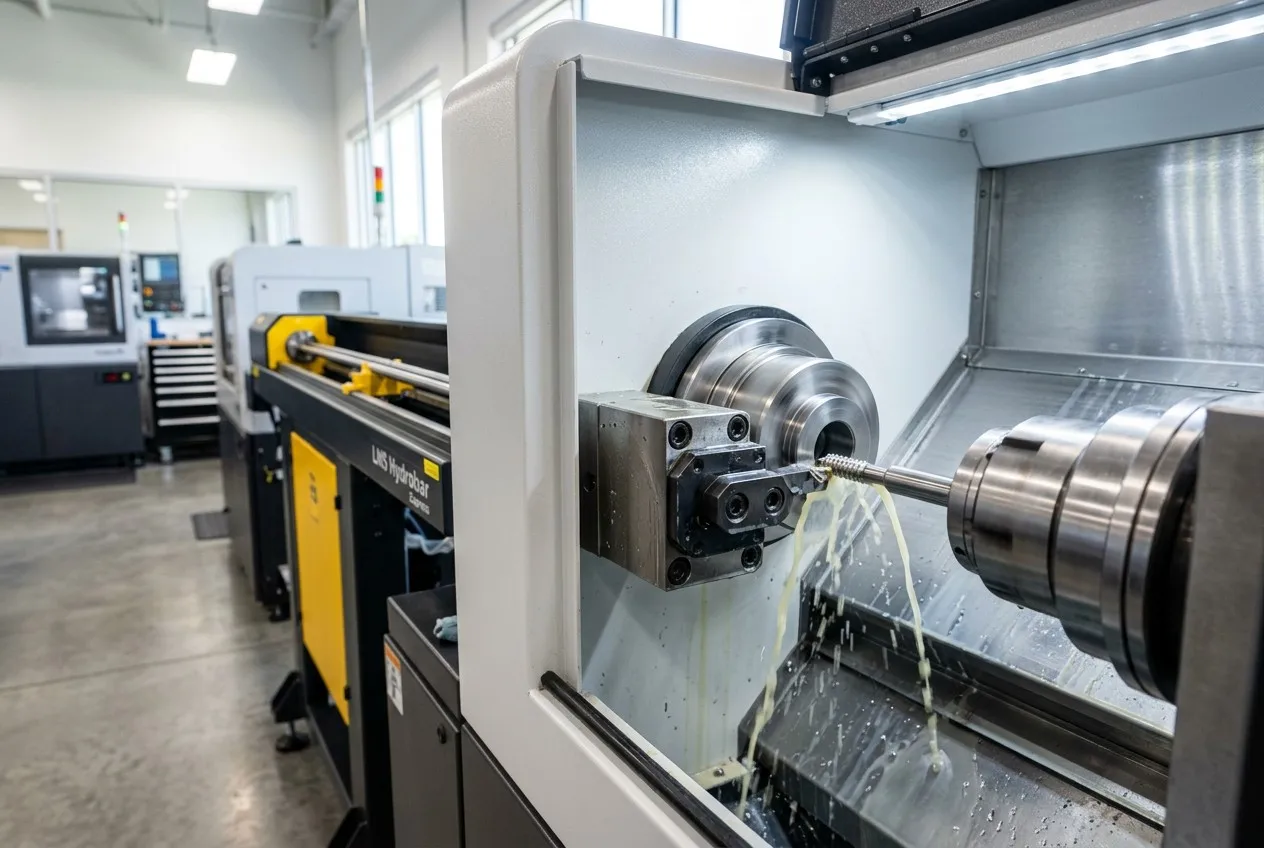
- Turning with bar feeder and live tooling
- Milling from 3-axis to 5-axis setups
- Threading, tapping and reaming to drawing
- Deburring and edge treatment before finishing
- Passivation, electropolish, polish, brushing, bead blasting
- In-process dimensional checks and final CMM verification per plan
Process details and machine availability are confirmed at DFM review. See our CNC Machining Services page for the full capability list.
Challenges of CNC Machining 304 Stainless Steel
304 is not aluminum. It machines well when respected, and poorly when treated like a free-cutting metal. These are the five problems we plan around.
Work Hardening
304 is prone to work hardening when the tool rubs rather than cuts. The surface layer hardens, and the next pass gets harder still.
Heat Generation
Stainless steel retains heat around the cutting zone, which accelerates tool wear and can affect the surface layer.
Tool Wear
Compared with aluminum, tooling and cutting conditions require more careful control to hold both tolerance and finish.
Chip Management
Long chips can create issues in turning when chip breaking is not properly controlled.
Surface Finish
Tool wear, vibration and improper cutting parameters can quickly affect cosmetic and functional surfaces.
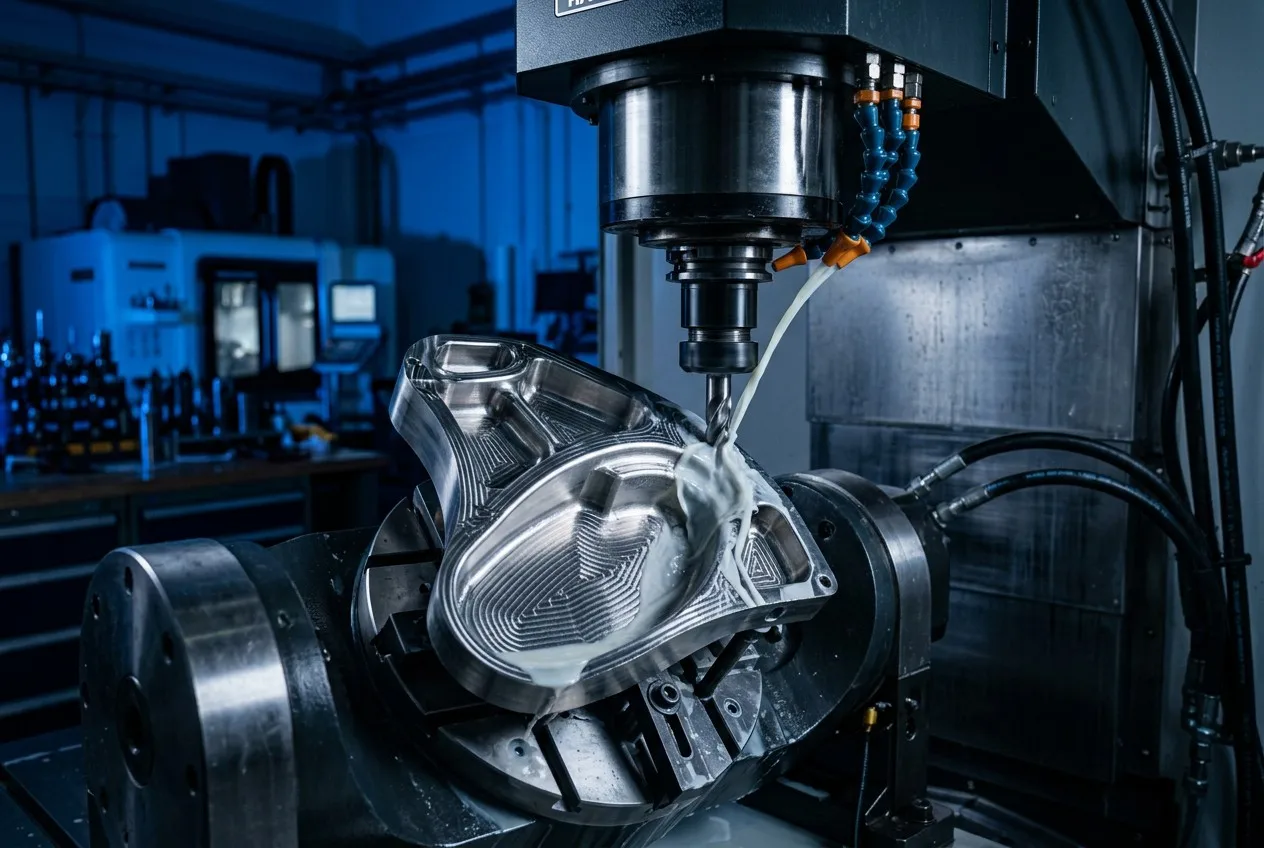
How Goldcattle Machines 304 Stainless Steel
The problems above have known answers. This is how we apply them.
Sharp Cutting Tools
Properly selected carbide or coated tools, kept sharp and changed on schedule.
Stable Fixturing
Reduced vibration and movement on thin or slender parts.
Controlled Cutting Parameters
Speed, feed and depth of cut balanced to prevent excessive heat.
Continuous Cutting
Unnecessary rubbing is avoided — that is what accelerates work hardening.
In-Process Inspection
Critical dimensions are monitored before final finishing.
Controlled Finishing
Passivation, electropolishing or polishing matched to the application.
Why the Plan Matters
- 304's work-hardening behavior is managed at the programming stage, not discovered on the floor
- Toolpath decisions control heat before it reaches the material
- Fixturing strategy protects thin and slender features from deflection
- Inspection is placed between operations, not saved for the end
304 Stainless Steel CNC Machining Tolerances
| Requirement | Typical Capability |
|---|---|
| General CNC machining | ±0.10 mm |
| Precision features | ±0.02 mm |
| High-precision features | Up to ±0.005 mm* |
| Surface finish | Application / process dependent |
| Positional tolerance | Drawing dependent |
304 Stainless Steel CNC Design Guidelines
Six design decisions that make 304 parts easier to hold, faster to machine and more predictable to finish.
Avoid Excessively Thin Walls
Reduces vibration, deflection and distortion in 304.
Provide Tool-Friendly Corner Radii
Avoids unnecessary sharp internal corners that strain tooling.
Control Deep Holes
Specify suitable hole diameter/depth ratios for chip and coolant access.
Define Thread Requirements
Specify thread standard, class and depth instead of leaving it open.
Separate Critical Dimensions
Do not apply tight tolerances everywhere — only where the function needs them.
Consider Finishing Allowance
Especially important for polishing and electropolishing, which remove material.
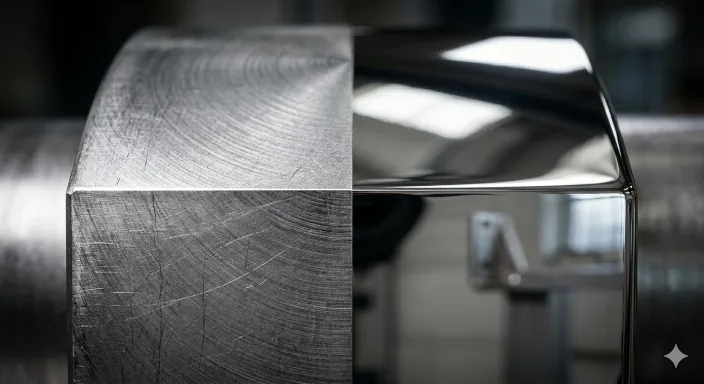
304 Stainless Steel Surface Finishes
The finish is part of the specification, not an afterthought. Each route exists for a reason.
| Finish | Why It Is Used |
|---|---|
| Passivation | Improves surface corrosion resistance and removes free-iron contamination. |
| Electropolishing | Higher cleanliness, lower roughness and easier-to-clean surfaces. |
| Mechanical Polishing | Cosmetic and decorative parts needing a smoother surface. |
| Brushing | Consumer, architectural and appearance-driven parts. |
| Bead Blasting | Uniform matte surface. |
| Application | Recommended Finish |
|---|---|
| Food equipment | Passivation / Electropolish |
| Architectural hardware | Polish / Brushing |
| General industrial | Passivation |
| Cosmetic parts | Polish / Brushing |
| High-cleanliness components | Electropolish |
Finish Notes
- Passivation is a chemical surface treatment, not a coating — it does not build thickness
- Electropolishing removes material, so critical dimensions are planned with allowance
- Mechanical polishing improves appearance but does not change corrosion behavior by itself
- Finish and inspection requirements should be stated on the drawing
304 Stainless Steel CNC Machining Applications
Food Processing
Food handling equipment, sanitary hardware, fittings and brackets.
Chemical Processing
Tanks, fittings, brackets and fluid-handling components.
Architecture
Hardware, decorative components and mounting systems.
Industrial Equipment
Housings, shafts, machine components and fixtures.
Electronics
Brackets, enclosures and precision hardware.
304 vs 316L Stainless Steel
The question buyers ask most. This is the procurement version — not a full article. For the deeper comparison, see our 304 vs 316 guide.
| Factor | 304 | 316L |
|---|---|---|
| General Corrosion Resistance | Excellent | Superior |
| Chloride Resistance | Moderate | Better |
| Machinability | Better | More difficult |
| Cost | Lower | Higher |
| Food Equipment | Excellent | Excellent |
| Marine Applications | Limited / application dependent | Better |
| Chemical Processing | Good | Better |
| Medical Applications | Common | Preferred for many demanding applications |
304 vs 303 Stainless Steel for CNC Machining
303 exists because 304 can be slow to machine. The trade is corrosion resistance for machinability.
| Factor | 304 | 303 |
|---|---|---|
| Corrosion Resistance | Better | Lower |
| Machinability | Moderate | Excellent |
| Weldability | Good | Poor |
| General Use | Broad | Machining-focused |
| High-Volume Turning | Good | Excellent |
304 Stainless Steel CNC Machining Cost
304 CNC machining does not have a fixed per-part price. The quotation is built from the factors below — this section explains why the price is what it is.
What Builds the Cost
- Material
- Machining time
- Part geometry
- Tolerance
- Quantity
- Surface finish
- Inspection scope
What Pushes It Down
- Larger production volume
- Simpler geometry
- Standard tolerance
- Standard passivation
What Pushes It Up
- 5-axis machining
- Thin walls and deep pockets
- Difficult threads
- Tight tolerances
- Electropolishing
- Extensive inspection
304 Stainless Steel CNC Machining Case Study
The format we use for real 304 projects. The values come from the actual job — we do not publish invented part data.
| Part | Valve / fitting component* |
| Material | 304 / 304L* |
| Process | CNC turning + milling* |
| Quantity | Per order* |
| Critical Tolerance | Per drawing* |
| Finish | Passivation* |
| Inspection | CMM + dimensional report* |
Challenge: thread accuracy, surface finish and corrosion resistance on the same part.
Solution: controlled turning parameters, in-process inspection, passivation and final CMM verification.
Send us a real project and this table becomes a real case with real numbers.
304 Stainless Steel Quality Control & Traceability
Traceability for stainless steel starts with the material, not with the inspection report. This is the chain we follow.
Is 304 Stainless Steel Right for Your Part?
Related CNC Services & Stainless Steel Resources
Frequently Asked Questions
Is 304 stainless steel easy to CNC machine?
304 machines well compared with harder stainless grades, but it work-hardens when the tool rubs rather than cuts. Sharp tools, stable fixturing and controlled cutting parameters are what keep the process reliable.
What is the difference between 304 and 304L?
304L is the lower-carbon version of 304, specified mainly where welding is involved to reduce the risk of sensitization. For machined parts the choice is normally set by the customer specification and material certificate.
What parts are commonly machined from 304 stainless steel?
Typical parts include shafts, bushings, pins, fittings, sleeves, brackets, housings, valve bodies, mounting plates and fluid-handling components.
Can you machine 304 stainless steel parts from my drawing?
Yes. Send the CAD model or 2D drawing with material and finish requirements. We review machinability, tolerances and finishing before quoting.
What tolerance can you hold on 304 stainless steel parts?
General CNC machining is held around ±0.10 mm, precision features around ±0.02 mm, and high-precision features can reach up to ±0.005 mm depending on geometry, wall thickness, material condition and inspection method.
Why does 304 work harden during machining?
304 work hardens when the cutting edge rubs instead of cutting cleanly. Controlled speeds, feeds and depth of cut, plus sharp tooling, prevent the surface layer from hardening during machining.
What surface finishes are available for 304 parts?
Passivation, electropolishing, mechanical polishing, brushing and bead blasting. The right finish depends on the application: food equipment, architecture, high-cleanliness or cosmetic parts each call for a different route.
Should I choose 304 or 316L for my application?
Choose 304 for general-purpose corrosion resistance and cost efficiency. Choose 316L when chloride exposure, marine environments or aggressive chemical conditions require higher corrosion resistance.
What is AMS 5639?
AMS 5639 is a specification for corrosion-resistant steel bars, wire and forgings. It applies to a specific material form and procurement specification, not to every 304 bar. The applicable specification is confirmed with the material certificate for each project.
Can you provide material certificates for 304?
Yes. EN 10204 3.1 material certification can be supplied where specified, and incoming material is verified against the certificate before machining.
What is the typical lead time for 304 CNC parts?
Typical lead time is 7-12 business days depending on geometry, quantity and finishing. Confirm the schedule at quotation.
Do you offer prototypes in 304 stainless steel?
Yes. Prototype quantities from 1 piece can be machined, inspected and finished before a larger production batch.
Request a 304 Stainless Steel CNC Quote
The more drawing detail you send, the more accurate the DFM review. Material grade, finish and inspection expectations are what turn a part number into a quotation.
- CAD Model or 2D DrawingSTEP / IGES / DWG / DXF / PDF
- Material Grade304 / 304L / other stainless
- QuantityPrototype / batch / annual volume
- Critical Dimensions & TolerancesMark the functional features
- Surface FinishPassivation / electropolish / polish / brushing / bead blast
- Inspection RequirementsDimensional report / CMM / material certificate
- Application ContextEnvironment, exposure, assembly
- Target Delivery DateSchedule requirements
DFM feedback on the 304 part design
Material and finish recommendation with the reason
Machining route proposal (turning / milling / 5-axis)
Production quotation with estimated lead time
Inspection and documentation plan
Have a 304 Stainless Steel Part to Machine?
Send the drawing, material grade and finish requirements. Our engineering team will review machinability, confirm the machining route and come back with a quotation.