Custom CNC Machining in China for Online Global Procurement
Upload CAD files or drawings. We review manufacturability, quote with engineered feedback, machine to your drawing, inspect, and ship — from a single prototype to repeat production.
At a glance
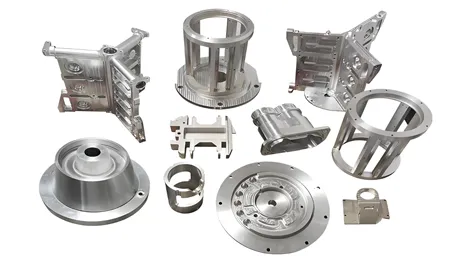
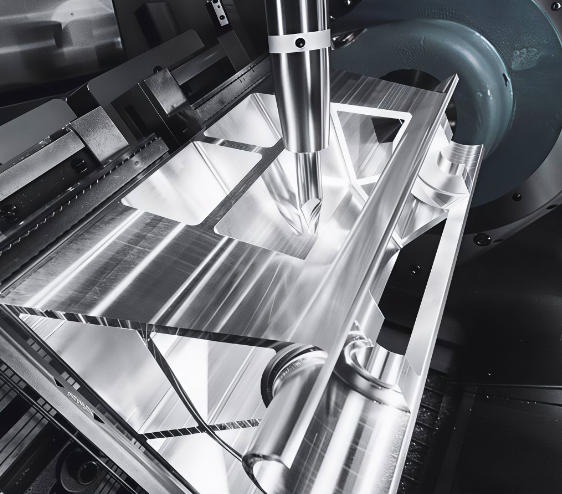
Custom CNC machining in China for online procurement means you upload a CAD model or drawing, receive an engineer-reviewed quote with manufacturability feedback (typically within 24 hours), then have parts machined, inspected and shipped worldwide. The advantage is not low labor cost alone — it is the combination of equipment density, in-house process breadth, fast engineering response, and documented quality, all coordinated by one supplier rather than a marketplace that only forwards your file to an unknown shop.
How Online CNC Machining Works
The flow below is the same whether you need one prototype or a recurring production order. Each step is handled by our engineering and production team, not an automated pricing engine.
Upload CAD / drawings
Send a 3D model (STEP, IGES, X_T) and a 2D drawing with dimensions, GD&T and critical features.
Engineering review & DFM
We check tolerances, wall thickness, datums and features, and flag anything that raises cost or risk before cutting.
Quote with feedback
You receive a quoted price and lead time plus the DFM notes — typically within 24 hours of a complete RFQ.
Confirm & order
Approve the quote and quantity tier. Programs and fixtures are set up for the run.
Machine & inspect
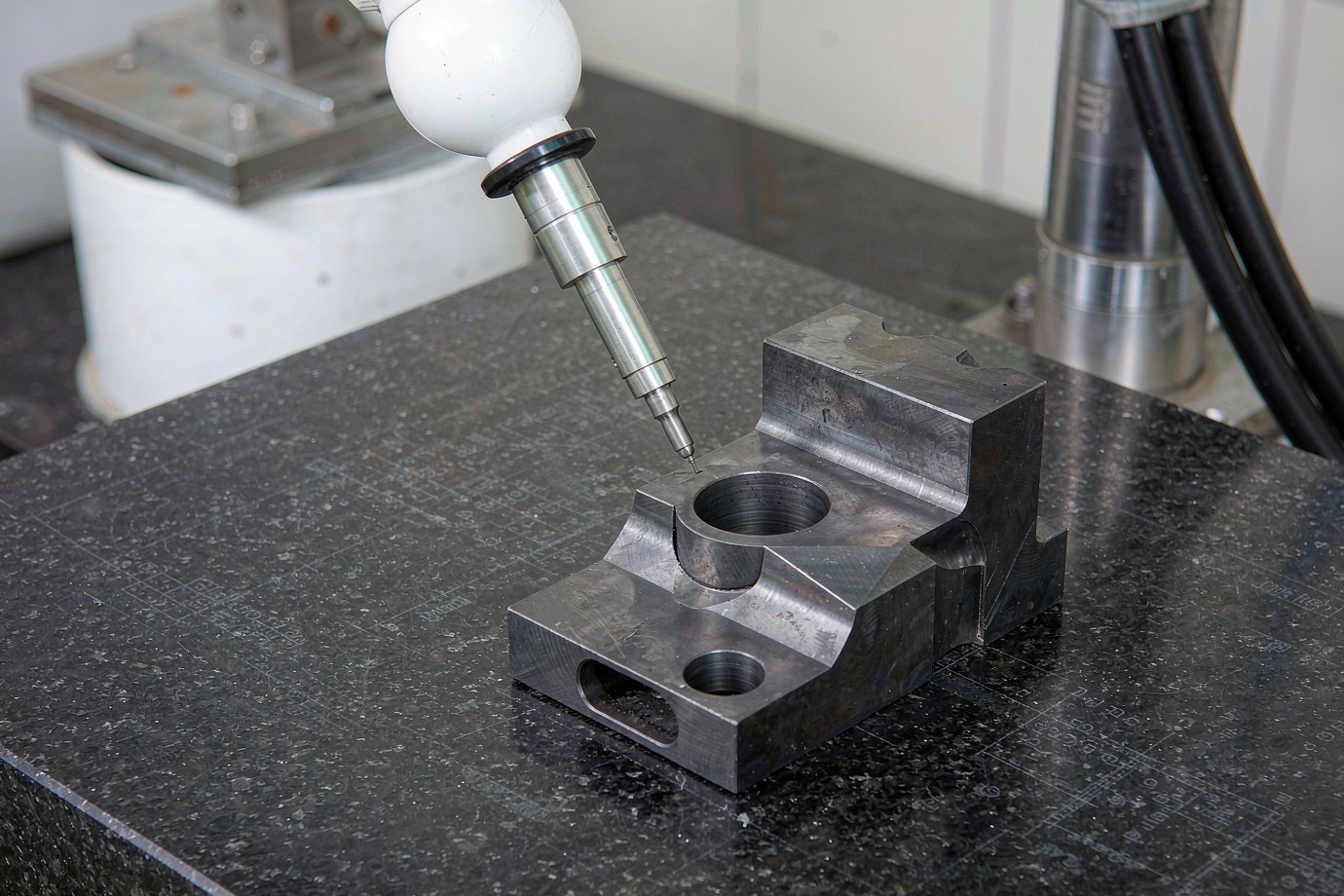
Parts are machined, then measured on CMM with a dimensional report and material certificate.
Documents & certs
Inspection report, material cert (EN 10204 3.1) and FAI (on request) are packaged with the shipment.
Pack & ship globally
Parts are packed to drawing and shipped by express or freight under your chosen Incoterms.
What Do You Need to Provide
A complete RFQ lets us quote accurately the first time. Use the checklist below; the more of it you can supply, the fewer clarification rounds are needed.
| Item | What to send | Why it matters |
|---|---|---|
| 3D CAD model | STEP, IGES, SAT or X_T | Defines geometry for programming and inspection |
| 2D drawing | PDF or DWG with dimensions and GD&T | Carries tolerances and critical-to-quality notes |
| Material specification | Grade, standard, condition | Drives stock sourcing and machinability |
| Quantity & tier | Prototype / low-volume / production | Changes setup, fixture and unit price |
| Tolerance & CTQ | Key dimensions and features | Determines inspection and process routing |
| Surface finish | Ra target, visible faces | Affects tooling and secondary operations |
| Finish / plating | Anodize, passivate, coating | May be done in-house or coordinated |
| Target lead time | Need-by date | Lets us schedule the queue accordingly |
| Documents needed | Material cert, FAI, RoHS | Required for some industries and destinations |
| Ship-to & Incoterms | Address, duty status | Determines logistics and landed cost |
Why Buy from China — the Real Procurement Factors
"Cheap labor" is an outdated reason and a poor basis for a sourcing decision. Buyers who place production in China today do so for factors that affect lead time, risk and total cost — not wage rates.
A single region can source raw stock, tooling, plating and packaging close together, shortening the loop between design change and shipped parts.
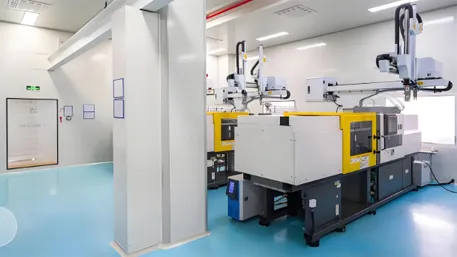
With 100+ machines across six in-house processes, capacity can shift between jobs without waiting on outside shops.
DFM feedback and a quoted price typically return within 24 hours, so design iterations do not stall the schedule.
Milling, turning, 5-axis, sheet metal, molding and die casting under one quality system reduce hand-off risk.
Material certificates, CMM reports and FAI give traceability that procurement and receiving teams can verify.
Express and freight options with EXW / FOB / CIF / DDP Incoterms fit most destination and duty scenarios.
Direct CNC Manufacturer vs Online Platform
An online platform connects you to many shops; a direct manufacturer runs the work in its own plant. The difference shows up in accountability and consistency.
| Aspect | Direct manufacturer (Goldcattle) | Online marketplace platform |
|---|---|---|
| Who makes it | Our own plant and operators | A third-party shop you do not directly know |
| Engineering review | DFM feedback from our engineers | Varies by assigned supplier |
| IP handling | Covered by our agreement and NDA | Distributed across platform and sub-shops |
| Minimum order | 1 piece | Often 1 piece, but routing is opaque |
| Lead-time control | Scheduled in our own queue | Dependent on platform assignment |
| Traceability | Material cert + CMM + FAI on request | Depends on the fulfilled shop |
| Reorder continuity | Programs and fixtures retained | May be re-routed to a different shop |
| Communication | Direct line to the engineering team | Through platform ticketing |
CNC Machining Processes
Not every part needs 5-axis, and not every shop runs all processes in-house. The table maps a part type to the process that fits it, with links to the dedicated capability pages.
| Process | Best for | Dedicated page |
|---|---|---|
| CNC milling | Prismatic parts, pockets, bosses, holes | CNC Machining Services |
| CNC turning | Round parts, shafts, threaded bodies | CNC Turning Services |
| 5-axis machining | Complex contours, fewer setups, tight datums | 5-Axis CNC Machining |
| Mill-turn | Combined turned and milled features in one cycle | CNC Machining Services |
| Tight-tolerance machining | ±0.005 mm qualified features, GD&T | Tight-Tolerance CNC |
Materials
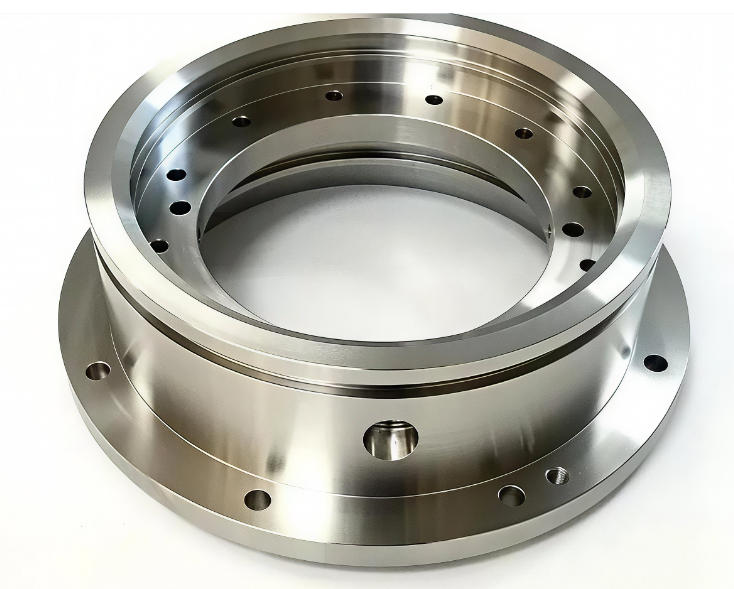
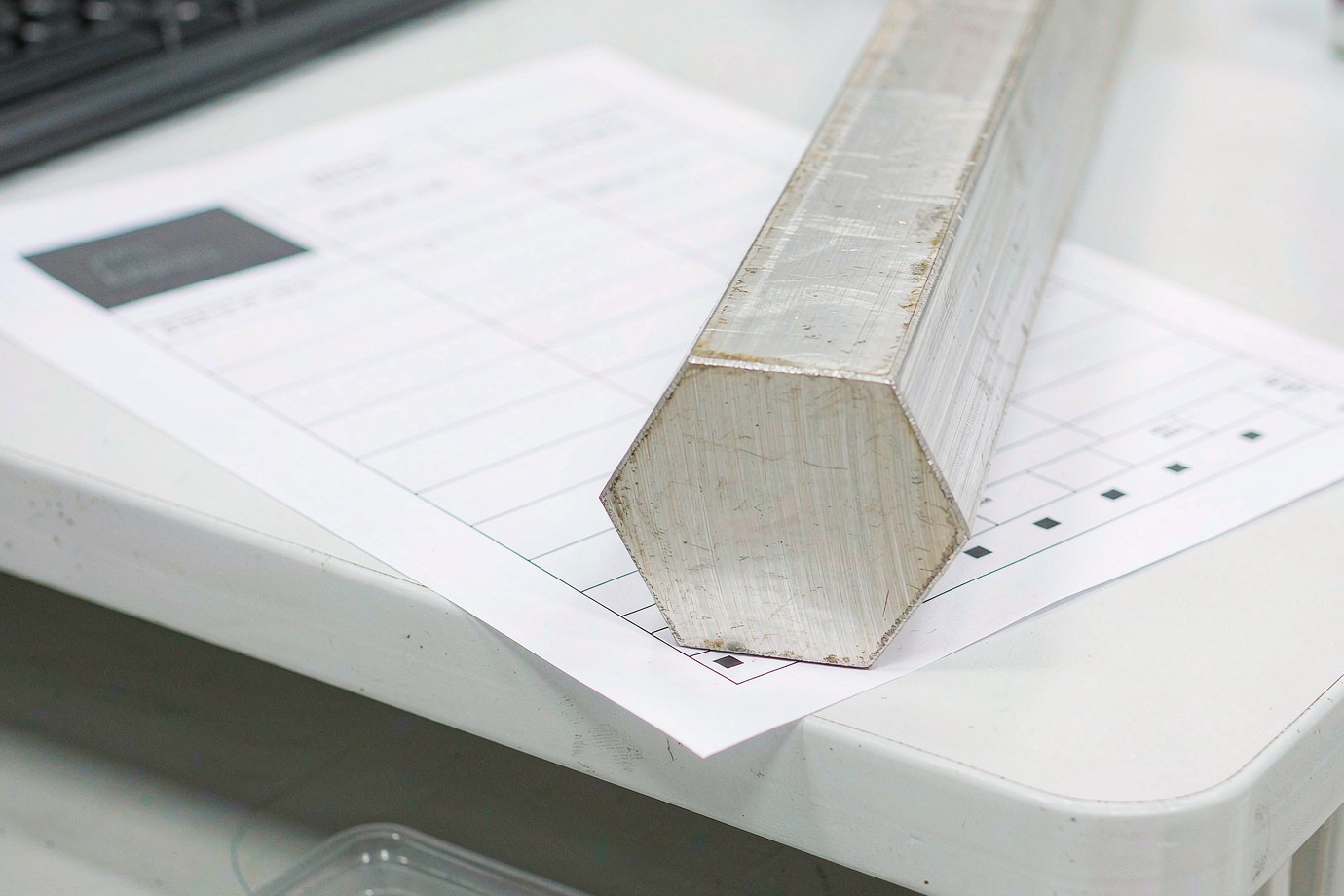
We machine the common engineering materials procurement teams specify. Exact grades and standards are confirmed against the material certificate before cutting — the certificate, not the bar's appearance, is the evidence of grade.
6061, 7075 and similar — light, machinable, good for enclosures and fixtures.
303, 304, 316 and 17-4 PH — corrosion resistance and strength.
Low-carbon, 4140, tool steel — structural and wear parts.
Ti-6Al-4V (Grade 5) and commercially pure — aerospace and medical.
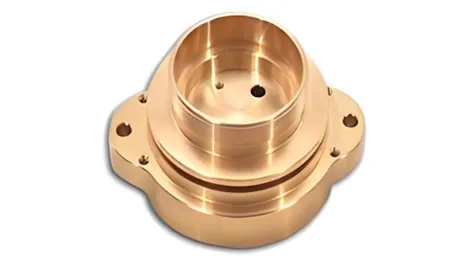
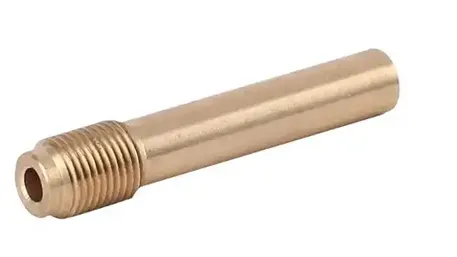
C360, C110 — electrical and decorative machined parts.
PEEK, POM, nylon, PTFE — non-metal functional parts.
See the full material reference and available grades on the Materials hub.
Tolerances & Quality Control
Tolerance is a feature-level decision, not a single shop-wide number. How tight we hold a dimension depends on the feature, the datum strategy, tool wear, thermal control, CAM and inspection — not on the number of axes alone.
What Determines Cost
Price is driven by the choices on your drawing, not by a flat per-part rate. Understanding these factors helps you trade cost against performance where it is safe to do so.
Titanium and specialty alloys cost more than aluminum; stock size affects yield.
Deep pockets, thin walls and many setups increase cycle and fixture time.
Tighter CTQ features need more inspection and process control.
Unit cost drops as setup is spread across more parts, not at a fixed tier.
Anodize, passivate, plating and coating add operations and handling.
Faster queues and air freight raise cost; Incoterms change landed price.
From Prototype to Repeat Production
The same plant handles every volume tier, so the part you approve as a prototype is the part you reorder — programs, fixtures and parameters are retained.
1+ pieces for form, fit and function; DFM feedback built in.
Bridges, pre-production and spare batches.
Repeatable runs with retained setup and inspection plans.
Stored programs and fixtures keep later batches consistent.
Case Studies
Three representative engagements show how the process, tolerance and documents come together. Parameters reflect typical work; no client identities are implied.
- Part5-axis bracket
- MaterialTi-6Al-4V (Grade 5)
- Process5-axis mill
- Tolerance±0.01 mm CTQ
- QtyLow-volume
- DocsCMM, material cert
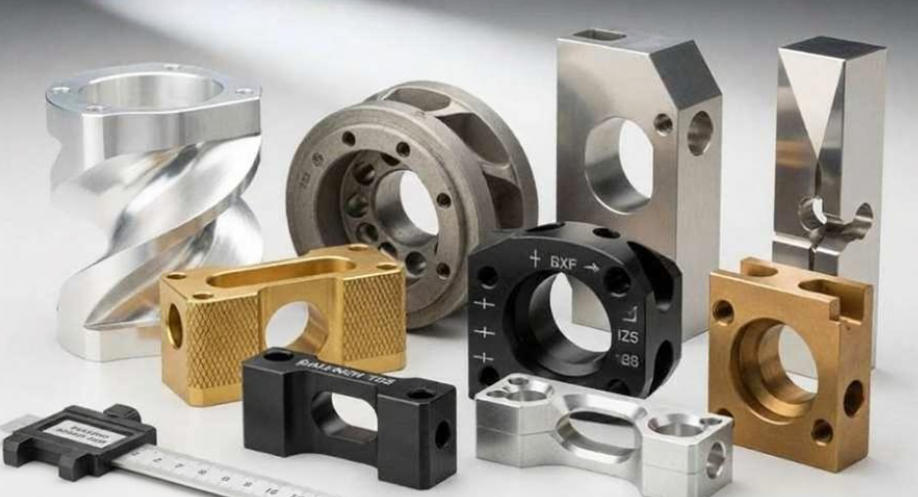
A contoured bracket machined in one 5-axis setup to hold datums with fewer handoffs. Material grade and heat lot were confirmed against the certificate before cutting; features were verified on CMM.
- PartEnclosure bodies
- MaterialAluminum 6061
- Process3-axis mill
- Tolerance±0.05 mm
- QtyBridge batch
- FinishAs-machined
A low-volume batch of enclosure bodies where flatness and hole patterns were held to drawing and inspected before packing. The same program supports later reorders.
- PartInstrument adapter
- MaterialStainless 316
- ProcessTurn + mill
- Tolerance±0.02 mm
- QtyPrototype → repeat
- ControlsISO 13485-aligned
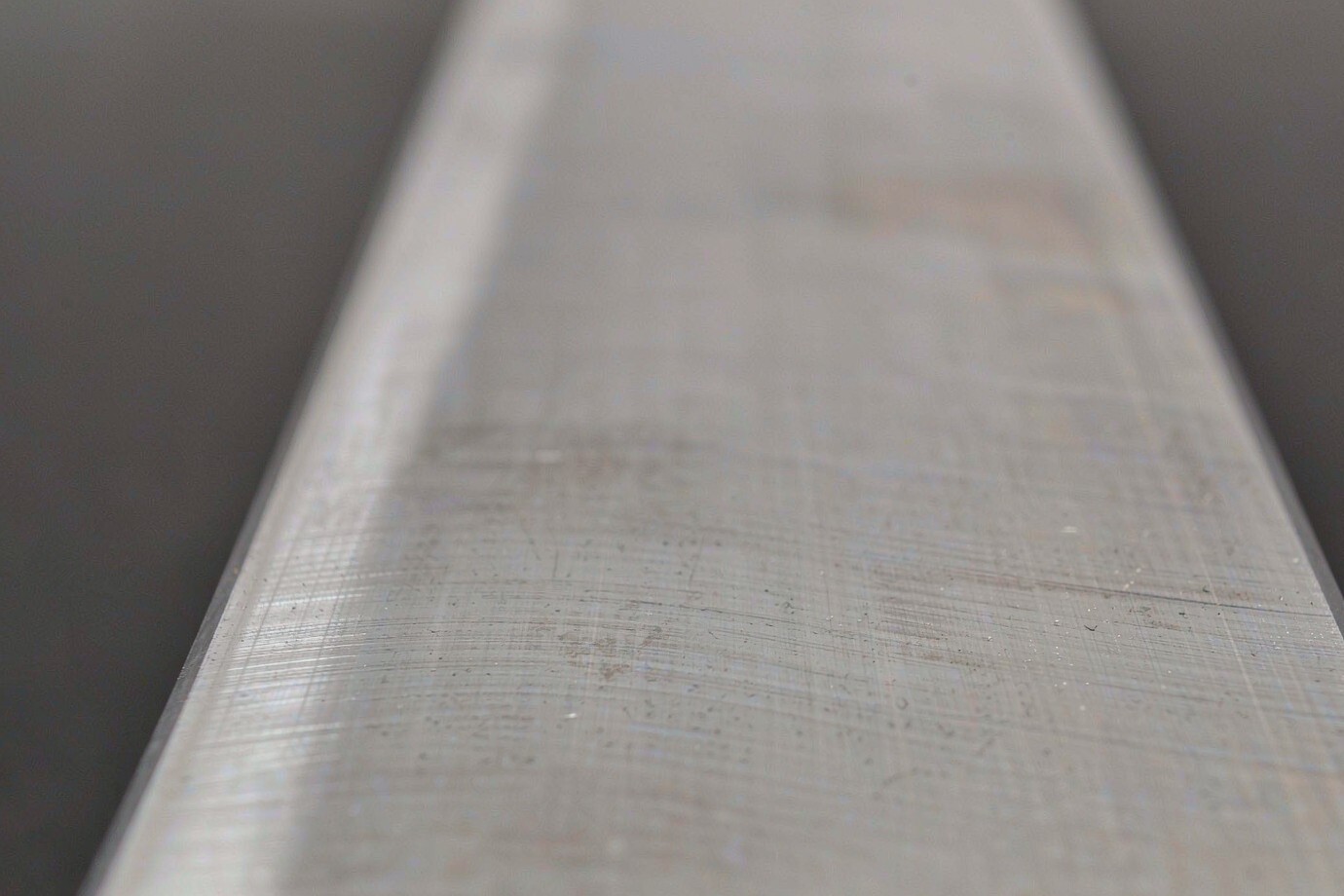
A stainless adapter taken from prototype to repeat production under ISO 13485-aligned process controls, with surface finish verified against the Ra target on the drawing.
Frequently Asked Questions
How fast can I get a quote?
Which CAD file formats do you accept?
What is the minimum order quantity?
What tolerances can you hold?
How is quality verified?
Do you handle export-controlled or dual-use parts?
How are parts shipped internationally?
Can I reorder the same part later?
Request a Quote
Upload your CAD files or drawings and tell us about quantity, material and target lead time. An engineer reviews manufacturability and replies with quoted feedback — typically within 24 hours.
Explore CNC Machining Capabilities →Founded in 1998 · ISO 9001:2015 · 100+ machines across six in-house processes · Customers in 100+ countries