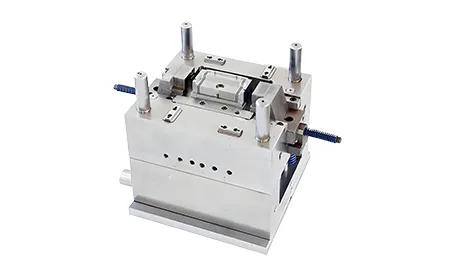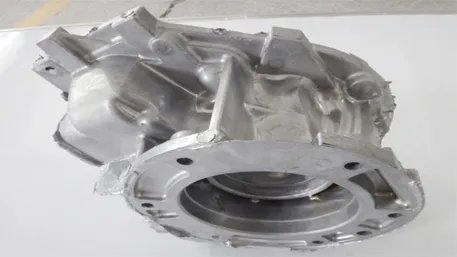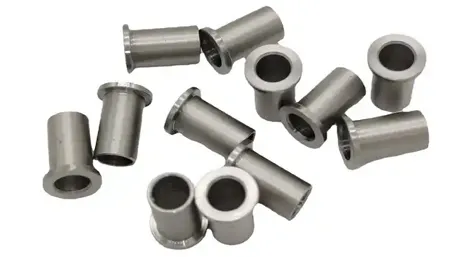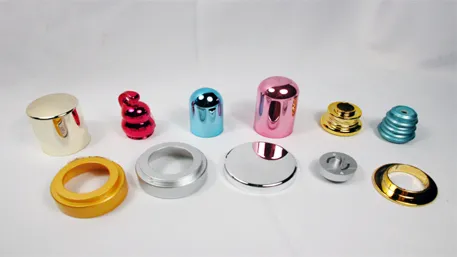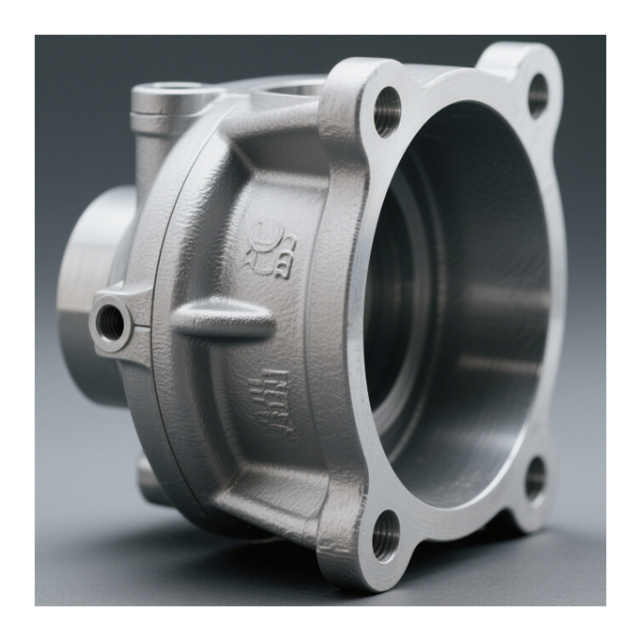
Who Owns the Mold When Ordering from China?
The answer depends on the tooling agreement, the payment arrangement and the applicable law. When ordering custom injection-molded parts from a Chinese supplier, do not assume that paying a tooling charge automatically settles every question about ownership, use and transfer.
A customer may own a mold while the supplier stores it and uses it to make the customer's parts. But ownership, physical possession, permission to use the tool, the right to transfer it and intellectual property rights are separate issues — and they should be addressed in writing before tooling begins.
The buyer checklist in this guide is shown in full on this page. Select the text to reuse it, or use your browser's print / save-as-PDF — Goldcattle does not host downloadable files on this site.
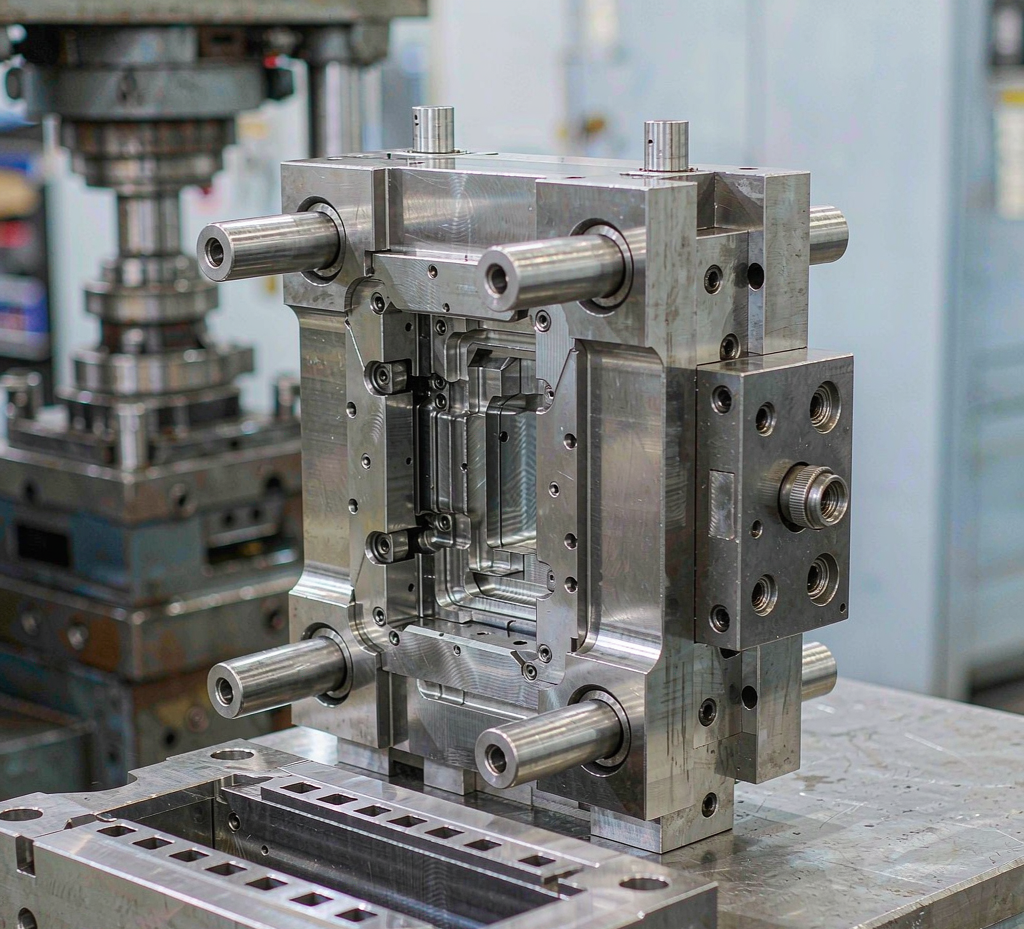
Quick Answer: Who Owns the Mold?
There is no single answer that applies to every China sourcing project. Mold ownership is determined by the signed agreement, the payment structure and the applicable law — and it is separate from who physically holds the tool.
When a buyer pays a separate tooling charge, a customer-owned mold is the common commercial arrangement — but it is the contract, not the invoice, that fixes what is covered and when ownership transfers. A tooling line on an invoice, or a supplier's email saying "the mold belongs to you," is weaker than a written agreement that identifies the mold, states the ownership transfer condition, defines permitted use and sets out the release procedure.
Before paying a tooling deposit, confirm five things in writing:
- Ownership: which mold, inserts and replacement components are covered, and when does ownership transfer?
- Use and storage: where will the mold be kept, who may access it, and may it be used for any other customer or product?
- Maintenance and changes: who pays for repairs, routine maintenance and modifications, and how are changes documented?
- Transfer: what happens if production moves to another factory — which files, samples and records must be delivered?
- IP and confidentiality: who owns or may use the product design, the mold design files and associated confidential information?
Scope of this guide
This page is procurement guidance for buyers, not legal advice, and it does not describe one supplier's contract policy as a universal rule. Tooling ownership, possession, lien or retention questions and IP rights are separate legal questions whose outcome depends on the agreement, the evidence and the applicable law. For cross-border projects, have qualified counsel review the terms under the relevant governing law rather than relying on a verbal promise or a tooling invoice alone.
Who Owns the Mold Under Different Payment Arrangements?
Ownership does not follow automatically from who paid. Each tooling payment model leaves specific questions open, and each needs those questions answered in the written agreement.
Most custom molding projects fall into one of five arrangements. The table below shows what to settle in each — the failure mode is not paying the wrong way, it is paying without defining what the money buys.
| Arrangement | Questions to settle | Buyer guidance |
|---|---|---|
| Customer pays the tooling fee separately | When does ownership transfer? Which mold components are included? | State the asset scope (mold base, cores, cavities, inserts, hot runner if applicable), the transfer condition and the custody responsibility in the quotation, purchase order or signed agreement. |
| Supplier invests and owns the tool | Can the customer request a transfer later? Is a buyout possible? | Define the buyout terms, handover procedure and what happens when the supply relationship ends. Do not default to assuming the mold is customer-owned. |
| Tooling cost amortized into the part price | How much payment completes the amortization? When does ownership change? | Agree the amortization formula, the cumulative quantity, the handling of early production stops, and whether ownership transfers once the agreed amount has been paid. |
| Joint investment by both parties | Does co-funding mean co-ownership? Who decides on a transfer? | Do not infer the legal result from the funding share. The agreement must state ownership, management rights, use rights and the exit mechanism explicitly. |
| Mold made or stored by a third party | Which entity contracts, which entity holds the tool, and who can release it? | Obtain the actual custodian's details and confirm how mold manufacturing, storage and release obligations are bound across the related contracts. |
Mold Ownership vs. Possession vs. IP Rights
Three different questions hide inside "who owns the mold": who holds title to the physical tool, who currently keeps and controls it, and who owns the designs and know-how behind it.
Mold ownership — the physical tool
Who holds the agreed ownership of this specific mold asset? When does ownership transfer, and which components — base, cores, cavities, inserts, spares — does the asset include?
Possession and control
Where is the mold now, who stores it, who may operate it, whether the supplier may use it for other projects, and how it is delivered on request. A mold can be customer-owned and supplier-held at the same time.
IP and design rights
Product geometry, mold design files, cooling and runner layout, process know-how and trade secrets are a separate rights layer. Each item needs its own license, assignment or confidentiality term.
An NNN or NDA does not equal mold ownership
Confidentiality and non-use agreements control how information is disclosed and used. They do not, by themselves, determine who owns the physical mold. Tooling ownership needs its own written terms: asset identification, transfer condition, storage, permitted use and release procedure. Keep the two layers separate in the contract.
Equally, a contract clause saying the customer owns the mold does not resolve every downstream question by itself. If a payment dispute, a repair disagreement or a refused release arises, the practical outcome still depends on the agreed terms, the available evidence and the applicable law. That is why the agreement should be reviewed by counsel familiar with the relevant jurisdiction before tooling starts — and why no checklist on any website can guarantee unconditional recovery of a mold.
What Should a Mold Ownership Agreement Include?
A usable tooling agreement identifies the asset, fixes the ownership transfer condition, and assigns custody, use, maintenance, files and release duties — before the first cut is made.
| Clause | What to confirm |
|---|---|
| Asset description | Mold number, part number, cavity count, components included, photographs and the storage location. |
| Ownership transfer | At what point, and on what condition, ownership passes to the buyer — full payment, completion, acceptance or another defined event. |
| Custody and storage | Who stores the mold, under what conditions, and how storage, maintenance and insurance costs are handled. |
| Permitted use | Whether use is limited to the named buyer and product; whether other orders or third parties are excluded; any exclusivity terms. |
| Payment structure | How separate tooling fees, staged payments, amortization or joint funding each affect the rights. |
| Maintenance and modification | Who pays for wear repairs, routine maintenance, upgrades and added components, and how changes are documented and approved. |
| Technical files | Which files the supplier delivers: mold drawings, key component details, cooling and runner layout, process parameters, samples and inspection records. |
| Third-party access | Who inside or outside the supplier may access, move or work on the mold, and under what authorization. |
| Transfer and release | The written notice, preparation period, condition inspection, disassembly, packaging and release steps if the buyer moves the mold. |
| Dispute handling | How payment disputes, production stops, termination and third-party custody situations are handled, and under which governing law. |
Can You Move Your Mold to Another Factory?
Ownership and transferability are different things. A mold you own can still be hard to move if identity records, technical files and release duties were never documented.
Moving a tool between factories is a logistics and engineering project, not just a contract question. Before committing to a supplier switch, walk the full chain: identity records, condition, files, physical handling, transport and the receiving factory's trial run. Each step has a cost and an owner, and each should be agreed in the tooling agreement rather than negotiated during a dispute.
- Records: mold number, part number, cavity count, component list and current photographs.
- Condition: inspection of the tool before it leaves — wear, damage, missing components, last maintenance.
- Files: the technical files the agreement requires — drawings, key components, cooling and runner layout, process parameters, approved samples.
- Handling: disassembly, cleaning, preservation, packaging and crating by a responsible party.
- Transport: freight arrangements, insurance and customs documentation for the tool.
- Receiving: installation, setup and trial production at the new factory, with sample validation before volume runs.
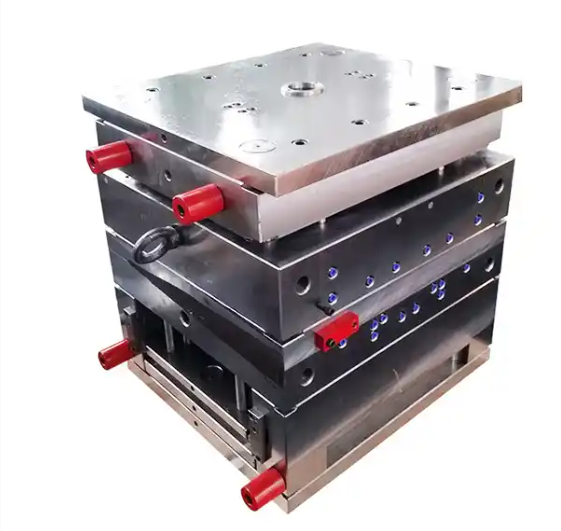
Red Flags Before Paying the Tooling Deposit
Six warning signs that tooling rights are undefined. Each one is cheap to fix before the deposit and expensive to fix after.
Entity mismatch
The quoting party, the contracting party, the payee and the actual manufacturer are not clearly the same entity or clearly related. You cannot document ownership against an entity you cannot identify.
Mold identity not fixed
No agreed mold number, part number, cavity count or component list. Without a fixed identity, "the mold" is ambiguous in every later clause.
Payment vs. ownership vague
Payment stages exist, but no clause links them to an ownership transfer condition. Paying in stages is not the same as owning in stages.
Undisclosed third-party custody
The mold is made, stored or trial-run by another party that never appears in the contract. Release obligations must bind the party that actually holds the tool.
No transfer or release clause
Nothing states what happens if production moves. The absence of a release procedure is the single most common cause of stuck tooling.
File delivery scope unclear
CAD files, mold drawings and process parameters are not listed as deliverables — or are listed but not tied to acceptance. Files and the physical tool can diverge.
Buyer Checklist Before Ordering from China
Ten checks that turn this guide into action. Engineering, procurement, supply chain and legal can each work from the same list.
| Check item | What the buyer confirms |
|---|---|
| Mold identity | Mold number, part number, cavity count, components included, photographs and current location. |
| Contracting entities | Who quotes, who contracts, who receives payment, who manufactures and who physically stores the mold. |
| Ownership node | At what point, and on what condition, ownership transfers under the agreement. |
| Permitted use | Whether use is restricted to the named buyer and product, and whether any exclusivity applies. |
| Payment structure | How separate fees, staged payments, amortization or joint funding each affect rights. |
| Maintenance and changes | Who pays for wear, repair, maintenance and modifications, and how changes are documented. |
| Technical files | Which mold drawings, key components, cooling and runner layouts, process parameters, samples and inspection records are delivered, and when. |
| Handover and transfer | Who handles notice, preparation, condition inspection, disassembly, packaging, transport and the receiving trial. |
| Confidentiality and IP | Beyond physical ownership: product design, mold design files, confidentiality and exclusive-use terms. |
| Dispute plan | How payment disputes, production stops, termination and third-party custody are handled, and under which governing law. |
Using the checklist: this is a procurement screening tool, not a legal contract template. It is designed to surface gaps before a deposit is paid; final terms should be reviewed by qualified counsel familiar with the applicable jurisdiction.
Frequently Asked Questions
If I pay for the mold, do I automatically own it?
Not automatically. Ownership of a mold transfers when the signed agreement says it does — not because a tooling charge was invoiced or paid. Paying a separate tooling fee is strong evidence of a customer-owned tooling arrangement, but the asset scope, the transfer condition and the custody responsibilities still need to be stated in writing in the quotation, purchase order or agreement.
Can a supplier refuse to release my mold?
In practice, yes — disputes over unpaid balances, storage or repair costs, or unclear release terms can delay release even when the buyer believes it owns the tool. Ownership, possession and the right to transfer are separate issues. Prevention is the practical control: document ownership, custody and release obligations before tooling starts, and have qualified counsel review the terms under the applicable governing law.
Does an NNN or NDA agreement give me mold ownership?
No. An NNN or NDA agreement covers confidentiality and non-use of information. It does not by itself determine who owns the physical mold. Tooling ownership must be stated separately — which mold and components are covered, when ownership transfers, where it is stored, who may use it and how it is released.
What happens to ownership when tooling cost is amortized into the part price?
Amortization spreads the tooling cost across an agreed quantity of parts, so ownership questions need explicit terms: the amortization formula, the cumulative quantity, what happens if production stops early, and whether ownership transfers after the agreed amount has been paid. Without those terms, a buyer can pay for the tool indirectly without ever holding clear title to it.
What do I need to move a mold to another factory?
Moving a mold requires more than a title claim: mold identity records (number, part number, cavities, components, photos), the technical files the agreement requires, a condition inspection, disassembly and packaging, transport arrangements, and a trial run at the receiving factory. Confirm in advance who is responsible for each step and which costs apply.
Can the supplier use my mold for other customers?
Only if the agreement permits it. Whether the mold may be used for other buyers, other products or third-party orders — and whether any exclusivity applies — should be stated explicitly in the tooling agreement. Silence in the contract leaves use rights open to interpretation.
Planning an injection-molded part?
Send the part drawing, material, quantity and quality requirements. Our engineering team reviews manufacturability and process route, and quotes tooling and parts with the scope stated up front — so ownership, storage and transfer terms can be agreed in writing before tooling begins.
- DFM review before tooling starts, with open questions listed in writing
- Tooling and part quotes that state what the tooling charge covers
- Ownership, storage and transfer terms agreed in the written agreement before production

Reviewed this guide on 2026-10-16. It is buyer-side procurement information, not legal advice, and it does not describe any single supplier's contract terms as a universal rule. Tooling ownership, possession and IP are set by each project's signed agreement and the applicable law — confirm the details with qualified counsel before tooling begins. Technical and commercial questions are answered within 24 hours.