Does Die-Cast Aluminum Rust? Understanding Corrosion and Protection
Die-cast aluminum does not develop the typical red-brown iron rust associated with carbon steel. However, aluminum alloys can still corrode under certain environmental and material conditions.
A naturally formed oxide film helps protect aluminum in many environments, but moisture, chloride salts, contact with dissimilar metals, damaged coatings and unsuitable surface conditions can all contribute to corrosion. The risk depends on the alloy, part design, manufacturing quality, surface finish and service environment.
How Aluminum Die Castings Resist Corrosion
Four factors shape whether a die-cast aluminum part stays sound in service.
Aluminum is not pure metal in a die casting. Commercial alloys such as A380, A360, A413 and ADC12 are mixtures of aluminum with silicon, copper, magnesium, iron and other elements. Iron, in particular, is a normal constituent of common aluminum-silicon die-casting alloys — so describing these alloys as "containing no iron" is incorrect.
When exposed to air, aluminum forms a thin, adherent oxide film that limits further reaction in many ordinary environments. That film is the main reason die-cast aluminum usually does not show the flaking red-brown rust seen on carbon steel. But the film is not a permanent, universal barrier, and it can be broken down or bypassed by chlorides, acidic or alkaline conditions, abrasion or coating damage.
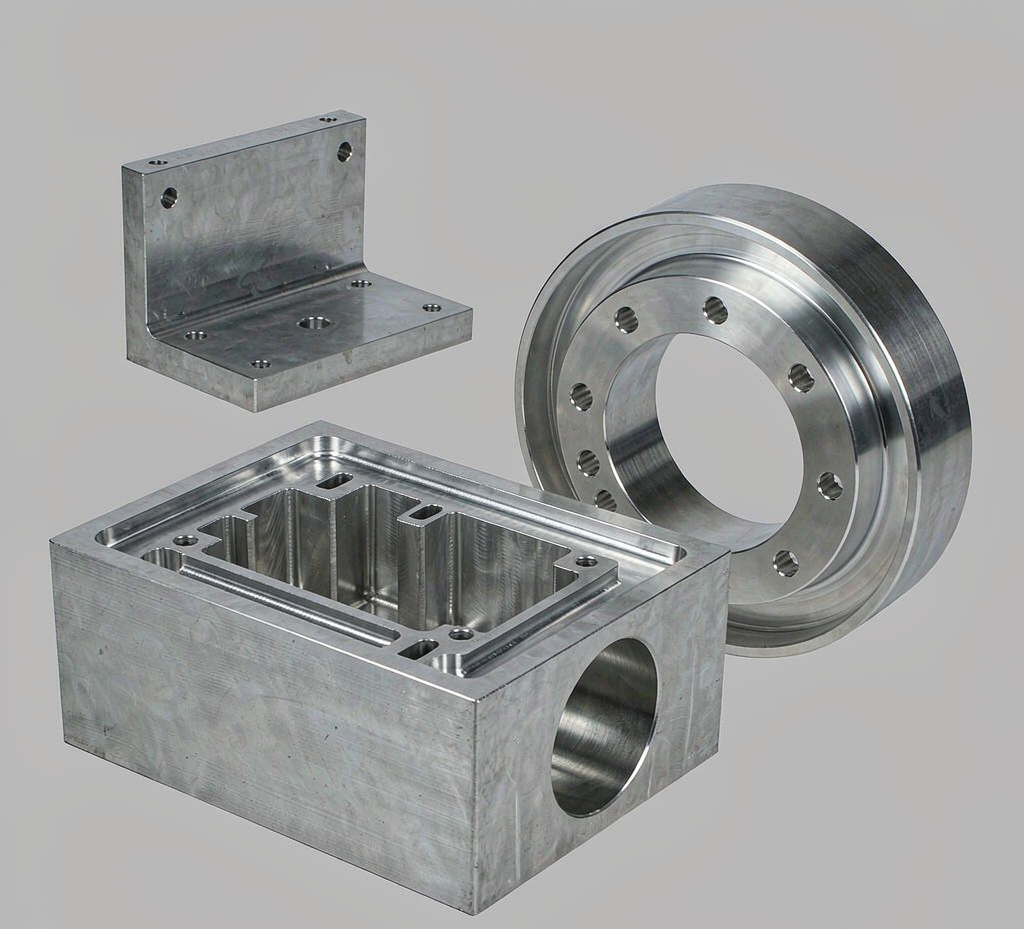
Corrosion resistance therefore comes from a combination of alloy composition, the as-cast surface state, any secondary machining, and the chosen surface finish — not from the alloy name alone.
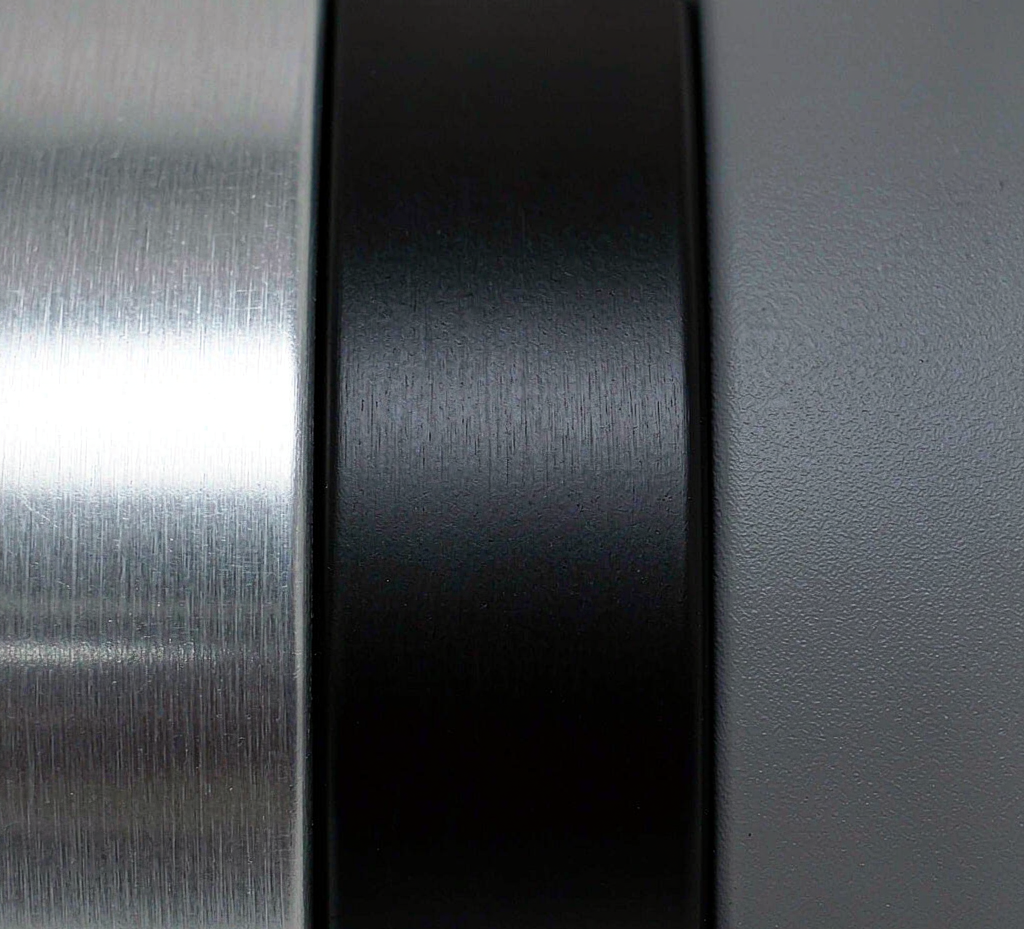
Engineering view: treat corrosion resistance as a system property. The same alloy can perform differently depending on surface finish, geometry and where the part is used.
Common Types of Corrosion in Die-Cast Aluminum
Recognizing the mechanism helps specify the right alloy, finish and design controls.
| Corrosion type | Typical condition or appearance | Design and procurement meaning |
|---|---|---|
| Pitting corrosion | Localized small pits; risk rises with moisture and saline or chloride environments. | Evaluate environment, alloy, coating and acceptance limits; define pit depth or appearance criteria. |
| Galvanic corrosion | Aluminum in contact with a higher-potential metal (e.g. stainless steel, copper) and an electrolyte such as water. | Review dissimilar-metal joints; consider isolation, coating, gaskets and drainage. |
| Crevice or deposit-related corrosion | Trapped moisture at joints, seams or under deposits. | Improve drainage, sealing and cleanability; avoid stagnant pockets. |
| Coating-damage / under-coating corrosion | Corrosion starting at scratches, edges or poorly covered areas. | Define pretreatment, edge coverage, damage tolerance and maintenance. |
| Casting-surface related risk | Porosity, inclusions or uneven surface can affect protection. | Agree casting quality, machining areas, pretreatment and inspection. |
Why this matters for buyers
Some corrosion mainly affects appearance; severity and functional impact still depend on wall thickness, part structure, load, sealing requirements and the service environment. A specification should state what is acceptable, not just "corrosion-resistant".
What Causes Die-Cast Aluminum to Corrode?
Corrosion is usually the result of several factors acting together.
Chloride salts
Coastal air, de-icing salt and process chemicals can break down the oxide film and promote pitting.
Moisture and standing water
Persistent dampness or trapped water sustains the electrolyte needed for corrosion.
Acidic or alkaline exposure
pH outside the tolerant range accelerates surface attack and coating failure.
Dissimilar-metal contact
Joints to stainless steel or copper alloys can drive galvanic corrosion when wet.
Trapped water in structure
Pockets, seams and blind features hold moisture against the surface.
Scratches and coating defects
Damaged coatings and cut edges expose bare metal and start local attack.
Uneven casting surface
Porosity or inclusions can undermine coating adhesion and protection.
Poor maintenance access
Parts that cannot be inspected or cleaned accumulate deposits and moisture.
How Alloy Selection Affects Corrosion Resistance
Compare alloys by documented characteristics and application boundaries — not by a one-line "best for outdoor use" rule.
| Alloy | Points that can be stated | Corrosion-related cautions | Do not conclude |
|---|---|---|---|
| A380 | Common general-purpose die-casting alloy; good balance of castability and mechanical properties. | For aggressive salt, chemical or outdoor exposure, evaluate the specific part, finish and environment. | That it is adequately corrosion-resistant for all outdoor use, or that it is suitable for food/medical contact by alloy name alone. |
| A360 | In NADCA comparisons, corrosion resistance is generally better than A380. | Still confirm with the actual part, environment and surface finish. | That the alloy name guarantees a fixed service life. |
| A413 | Good fluidity and pressure tightness; useful for complex, leak-tight geometries. | Assess against the actual alloy specification and part requirements. | That it is a "magnesium-enhanced low-silicon alloy" — that description is inaccurate. |
| ADC12 | Common in Asia supply chains; widely used die-casting grade. | Confirm composition against the JIS, company or drawing specification actually used. | That it is automatically identical to A380 in every property. |
| Other specified alloys | May be selected for strength, thermal or corrosion needs. | Require the supplier's material data and a real application basis. | That the alloy name alone satisfies every end-use requirement. |
Note: composition ranges and achievable properties vary with the material standard, the specific part and the process. NADCA data is a comparison reference, not a guarantee that every casting reaches the same result. Goldcattle confirms available alloys against its actual supply range before quotation.
How to Choose a Protective Surface Finish
Surface treatments are engineering choices, not interchangeable "rust-proofing grades".
| Finish direction | Primary considerations | What to state in the RFQ |
|---|---|---|
| Chemical conversion coating | Corrosion protection, paint adhesion, electrical continuity, minimal dimensional change. | Coating system, applicable environment, appearance, conductivity and any applicable environmental compliance. |
| Powder coating | Appearance, coverage, protection, wear and color consistency. | Color, film thickness, pretreatment, edge coverage and acceptance standard. |
| Electrocoating (e-coat) | Uniform film, good for complex geometry and recessed areas. | Specified coating system, film thickness and test requirements. |
| Anodizing | Decorative oxide layer, wear and some corrosion resistance. | Alloy suitability, appearance, coating requirement and sample verification. |
| Plating or functional coating | Appearance, contact performance, wear or specific function. | Coating system, dimensional addition, substrate pretreatment and acceptance. |
| No extra coating | Acceptable for some mild environments and designated products. | Confirm the acceptable environment and appearance change for bare aluminum. |
Anodizing needs care
Do not assume all die-cast aluminum is suitable for decorative anodizing, and do not promise a universal 10–20 year life. NADCA relative ratings show different die-casting alloys perform differently for anodized appearance and protection. Confirm by sample, and limit any test result to the specified alloy, finish, specimen and conditions.
Design Features That Help Reduce Corrosion Risk
Good corrosion performance is partly designed in, not added only at finishing.
Drainage and venting
Avoid pockets that trap water; design surfaces and seams that shed moisture.
Manage crevices
Reduce tight joints and blind features where deposits accumulate.
Dissimilar-metal interfaces
Plan isolation, gaskets or non-conductive fasteners at aluminum-to-metal joints.
Coating edges
Specify edge radii and coverage so cut edges and corners are protected.
Cleanability
Make surfaces reachable for inspection and maintenance.
Early design review
Review corrosion risk during DFM, not after first field failures.
How Corrosion Resistance Should Be Verified
Test results are meaningful only when the method, specimen and acceptance criteria are agreed.
Why salt-spray hours are not a lifetime
ASTM B117 is a salt-spray chamber operating method. ASTM guidance cautions that salt-spray results used alone are generally a poor predictor of long-term performance in natural environments, and exposure hours should not be directly converted into years of service. Actual corrosion performance depends on the alloy, surface preparation, coating system, part geometry, exposure conditions and maintenance.
| Check item | What to confirm |
|---|---|
| Test object | Is it the bare casting, a CNC-machined part, or the final coated part? |
| Test conditions | Which method, duration and procedure are used? |
| Acceptance criteria | Discoloration, blistering, pitting, coating loss, or dimensional/functional retention? |
| Representative specimen | Does the sample reflect the actual material, finish, machined areas and structure? |
| Result applicability | Does the result apply only to the specified sample and conditions? |
| Long-term evidence | Is there natural-exposure, field or other supplementary evidence? |
How Manufacturing Quality Supports Corrosion Control
Surface condition and dimensional control affect how finishes perform in service.
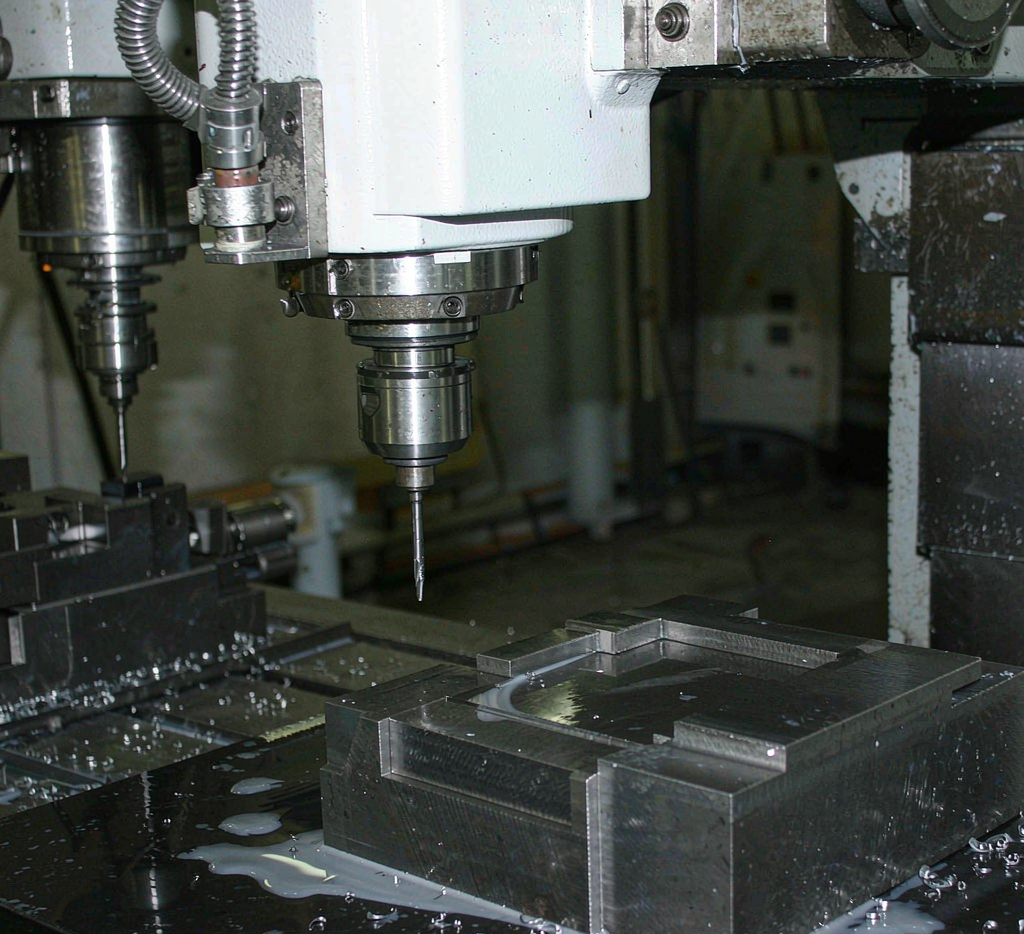
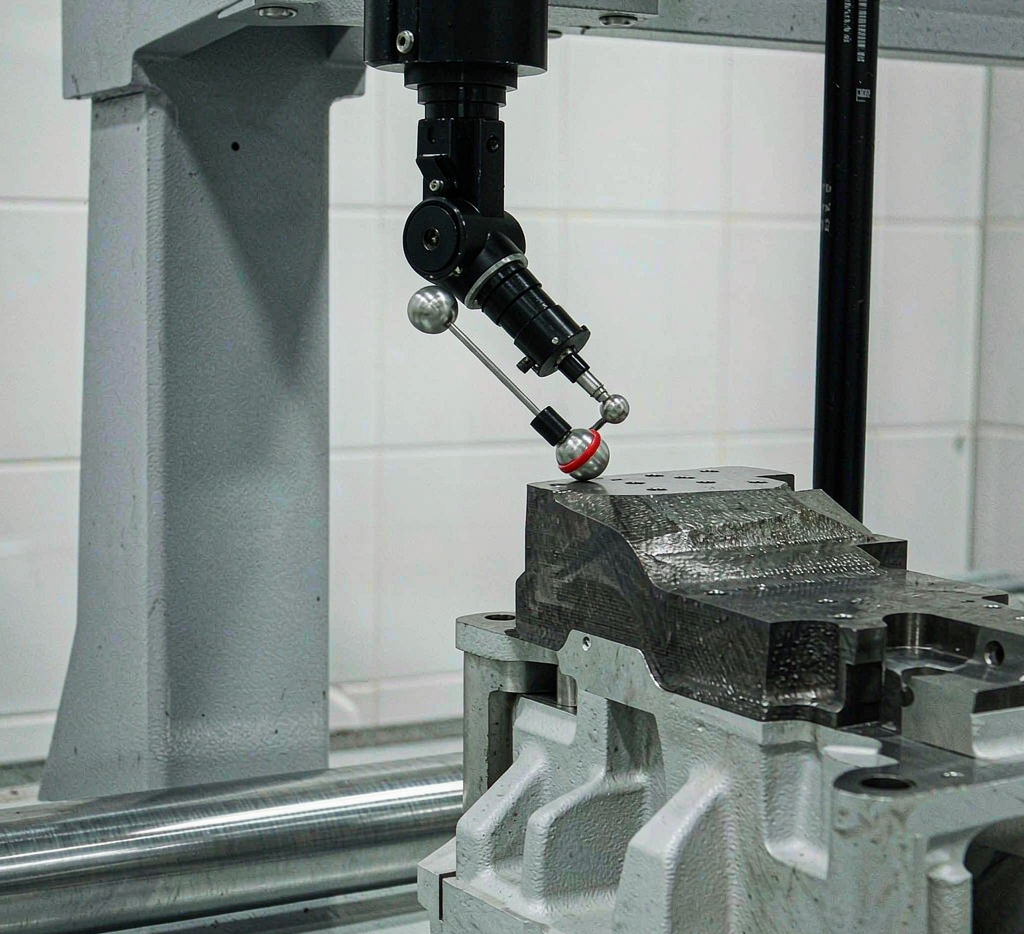
Why it matters: cast-surface quality, machined areas and agreed inspection all feed into how a protective finish performs. They are part of the verification discussion, not a standalone corrosion guarantee.
RFQ Checklist: What to Tell Your Die-Casting Supplier
The more precisely you define the requirement, the more useful the supplier's review.
| Item | Provide |
|---|---|
| Intended environment | Indoor/outdoor, coastal, chemical, temperature, moisture and salt exposure. |
| Material specification | Target alloy and the standard or drawing that defines composition. |
| Surface finish | Coating type, film thickness, color and acceptance standard. |
| Dissimilar-metal interfaces | Any joined metals and how the joint is sealed or isolated. |
| Quantity and program | Prototype, low-volume or production volumes and lead-time needs. |
| Acceptance standard | Which corrosion or coating test, with defined criteria. |
| Documents required | Material certificate, coating specification, inspection and test reports. |
Practical next step: send the drawing, alloy specification, intended environment and finish requirements. A review can cover manufacturing and material considerations — it is not a substitute for independent corrosion certification where that is required.
Frequently Asked Questions
Does die-cast aluminum rust?
Die-cast aluminum does not develop the red-brown iron rust associated with carbon steel, because that type of rust comes from iron oxides. However, aluminum alloys can still corrode through pitting, galvanic corrosion, crevice corrosion and coating-related attack. A natural oxide film helps in many environments, but it is not an absolute barrier.
What is the white powdery substance sometimes seen on aluminum die castings?
A white or greyish deposit is often aluminum oxide or hydroxide formed as the metal corrodes, commonly near scratches, cut edges, fastener interfaces or damaged coatings. In many cases it is mainly cosmetic, but severity and functional impact depend on wall thickness, part structure, sealing requirements and the service environment.
Is A380 aluminum good for outdoor use?
A380 is a widely used general-purpose die-casting alloy with good castability and mechanical properties. For aggressive environments such as coastal, de-icing salt or strong chemical exposure, corrosion behavior should be evaluated for the specific part, finish and conditions rather than assumed adequate by alloy name alone.
Does anodizing work on all die-cast aluminum alloys?
No. Anodizing appearance and protection vary by alloy. NADCA comparative ratings show that different aluminum die-casting alloys behave differently for anodized appearance and corrosion resistance. Suitability, appearance and dimensions should be confirmed with actual samples and agreed inspection before specification.
Can salt-spray test hours predict real service life?
Not reliably. ASTM B117 is a salt-spray chamber operating method. ASTM guidance cautions that salt-spray results alone are generally a poor predictor of long-term natural-environment performance, and exposure hours should not be directly converted into years of service. Actual performance depends on alloy, surface preparation, coating system, geometry, exposure and maintenance.
How do I choose between A360 and A380 for corrosion resistance?
In NADCA alloy comparisons, A360 typically shows better corrosion resistance than A380, while A380 is valued for general castability and mechanical balance. The right choice still depends on the part design, environment and surface finish. Confirm with your material specification and, where needed, sample verification.
Which protective surface finish should I specify?
It depends on function. Chemical conversion coating supports paint adhesion and can retain conductivity; powder coating gives appearance, coverage and protection; e-coat provides uniform film on complex parts; anodizing is used for decorative or wear-resistant oxide layers; some mild environments use bare aluminum. State the coating system, film thickness, color and acceptance criteria in the RFQ.
How can I avoid galvanic corrosion with aluminum die castings?
Review dissimilar-metal interfaces during design. When aluminum connects to stainless steel, copper alloys or other higher-potential metals in the presence of moisture, isolate with coatings, gaskets or non-conductive fasteners, manage drainage, and agree on inspection criteria for the joint.
What should I send a die-casting supplier for a corrosion-sensitive part?
Provide the drawing, target alloy specification, intended environment (including salt, moisture, chemicals, temperature), required surface finish, any dissimilar-metal interfaces, expected quantity, acceptance standards, and the material and inspection documents you need (material cert, coating spec, test reports).
Can Goldcattle guarantee a specific corrosion lifetime?
We do not promise a fixed service life from alloy or finish alone. We support material and finish selection based on your application, and can discuss agreed verification such as specified salt-spray methods with defined specimens and acceptance criteria. Final corrosion performance depends on the alloy, preparation, coating, geometry, environment and maintenance.
Working on an aluminum die-cast component exposed to moisture, salts or chemicals?
Share your drawing, alloy specification, intended environment and surface-finish requirements for a review of the manufacturing and material considerations.
- Material and finish selection reviewed against your application
- Design-for-manufacturing input on drainage, edges and joints
- Agreed inspection and documentation on request

Reviewed the corrosion, alloy-selection and verification content for this guide on 2026-10-10. Technical statements reference publicly available NADCA, ASTM and ASM guidance; they are not a substitute for project-specific material certification where required.