Beyond Mass Production: Xiamen Goldcattle’s Guide to the Best Custom Low Volume Injection Molding Services
National High-Tech Enterprise with Flexible Short-Run Injection Molding Solutions

Introduction
Navigating this changing industrial landscape requires a specialized manufacturing partner capable of translating digital designs into high-precision components. Utilizing the best custom low volume injection molding services allows businesses to secure end-use parts that maintain the exact structural, material, and tolerance standards of final mass production without facing excessive overheads. Xiamen Goldcattle (Xiamen Goldcattle Plastic & Metal Products Co., Ltd.,) a national high-tech enterprise, has established advanced, highly flexible manufacturing systems specifically optimized for these exact requirements. By acting as a professional OEM and ODM partner, the company ensures that global enterprises can scale their production seamlessly from initial concepts to final market rollouts.
Why Choose Custom Low Volume Injection Molding Services?
Modern product development cycles necessitate agile strategies that minimize financial vulnerability while maximizing market responsiveness. Conventional injection molding relies on hardened steel molds designed to withstand hundreds of thousands of cycles. For projects undergoing market validation or early commercialization phases, this traditional path presents substantial cost and time barriers. Opting for specialized custom low volume injection molding services addresses these issues through three distinct advantages.
First, low-volume production significantly lowers upfront financial exposure. High-volume tooling demands heavy capital expenditure before commercial viability is proven. If a critical design flaw is identified post-fabrication, modifying traditional steel tools incurs substantial costs and operational delays. Low-volume methodologies utilize optimized tooling configurations that limit initial expenditure, allowing enterprises to preserve working capital for ongoing research and market testing.
Second, this specific approach accelerates product time-to-market. In fast-moving consumer and medical sectors, arriving first to market often determines long-term commercial dominance. Standard tool production can span several months. In contrast, custom low volume injection molding services streamline tool engineering and manufacturing, shortening supply chains and delivering market-ready products in a fraction of the time.
Finally, low-volume production provides essential design flexibility. As regulatory compliance and customer preferences shift, engineering teams must maintain the ability to adapt. Managing production runs in smaller batches ranging from hundreds to several thousand units enables developers to introduce structural modifications between runs, preventing inventory obsolescence and allowing continuous product enhancement based on real-world usage.
Core Capabilities and Advantages of Xiamen Goldcattle
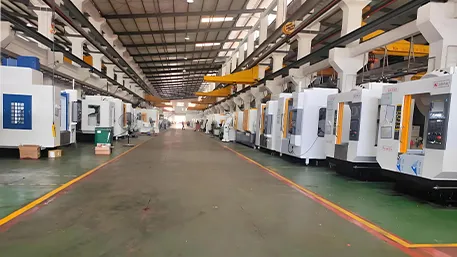
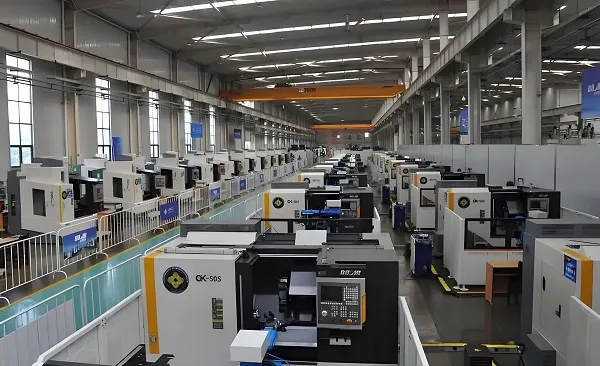
Successfully executing short-run manufacturing requires technical proficiency, advanced equipment, and precise process control. Xiamen Goldcattle Plastic & Metal Products Co., Ltd. has developed a comprehensive ecosystem designed specifically to eliminate the inefficiencies typically associated with low-volume runs.
Drawing on over 26 years of specialized industrial experience, the engineering team evaluates technical 3D CAD files and physical samples with high efficiency, utilizing a streamlined workflow that yields functional, tested product samples within 7 to 15 days.
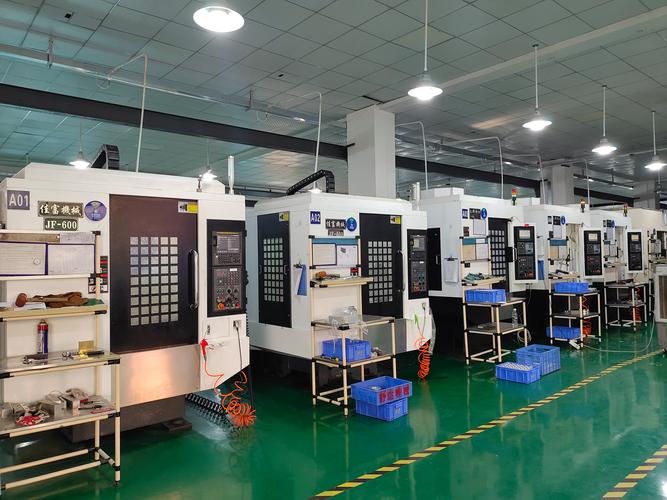
Instead of forcing heavy mass-production tooling standards onto small batches, Xiamen Goldcattle designs cost-effective mold solutions tailored to specific order quantities. By utilizing modular mold bases, interchangeable inserts, and specialized soft tooling techniques, the engineering department balances initial tooling capital with individual unit costs.
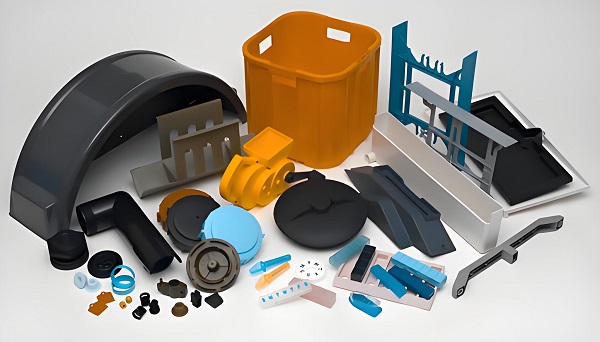
The company maintains an extensive selection of engineering-grade plastics, ensuring that final molded parts adhere to exact thermal, mechanical, and regulatory criteria. Furthermore, vital post-processing capabilities—including surface coating, precision silk-screen printing, CNC machining, and final component assembly—are executed in-house.
The manufacturing protocols, processing parameters, and material selections refined during low-volume cycles are designed to be fully compatible with high-volume industrial environments. This continuity eliminates technical friction and provides a secure, predictable pathway when production must scale up rapidly.
From Concept to Finished Product: A Step-by-Step Guide
Transforming a digital design into a high-precision, low-volume physical part involves a highly structured, systematic sequence of engineering and manufacturing steps.
1. Design for Manufacturability (DFM) Analysis: The process starts with rigorous technical evaluation as engineers examine the client’s 3D models. This stage identifies potential manufacturing challenges, such as non-uniform wall thicknesses, inadequate draft angles, or improper gate locations, allowing early design optimization to prevent costly tooling alterations later.
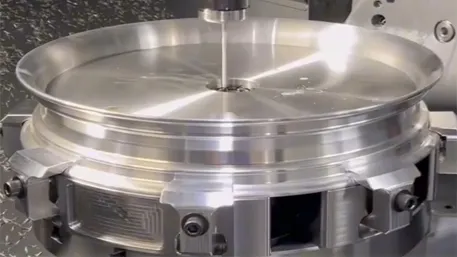
2. Mold Design and Precision Engineering: Based on the total production run, expected part lifetime, and specific material characteristics, engineers formulate an optimized tool design. Advanced CNC machining and electrical discharge machining (EDM) equipment then fabricate the mold components to precise tolerances, ensuring true replication of complex shapes.
3. Tool Trials and Sample Verification: Once the mold is assembled, initial trial parts are produced and subjected to a strict First Article Inspection (FAI) to evaluate dimensional precision and surface finish. These physical samples are provided to the client for validation, ensuring full compliance with original blueprints before launching the main production cycle.
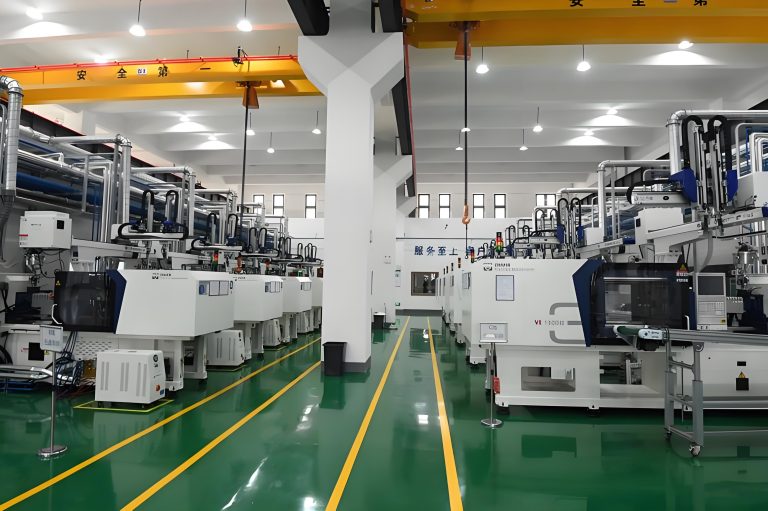
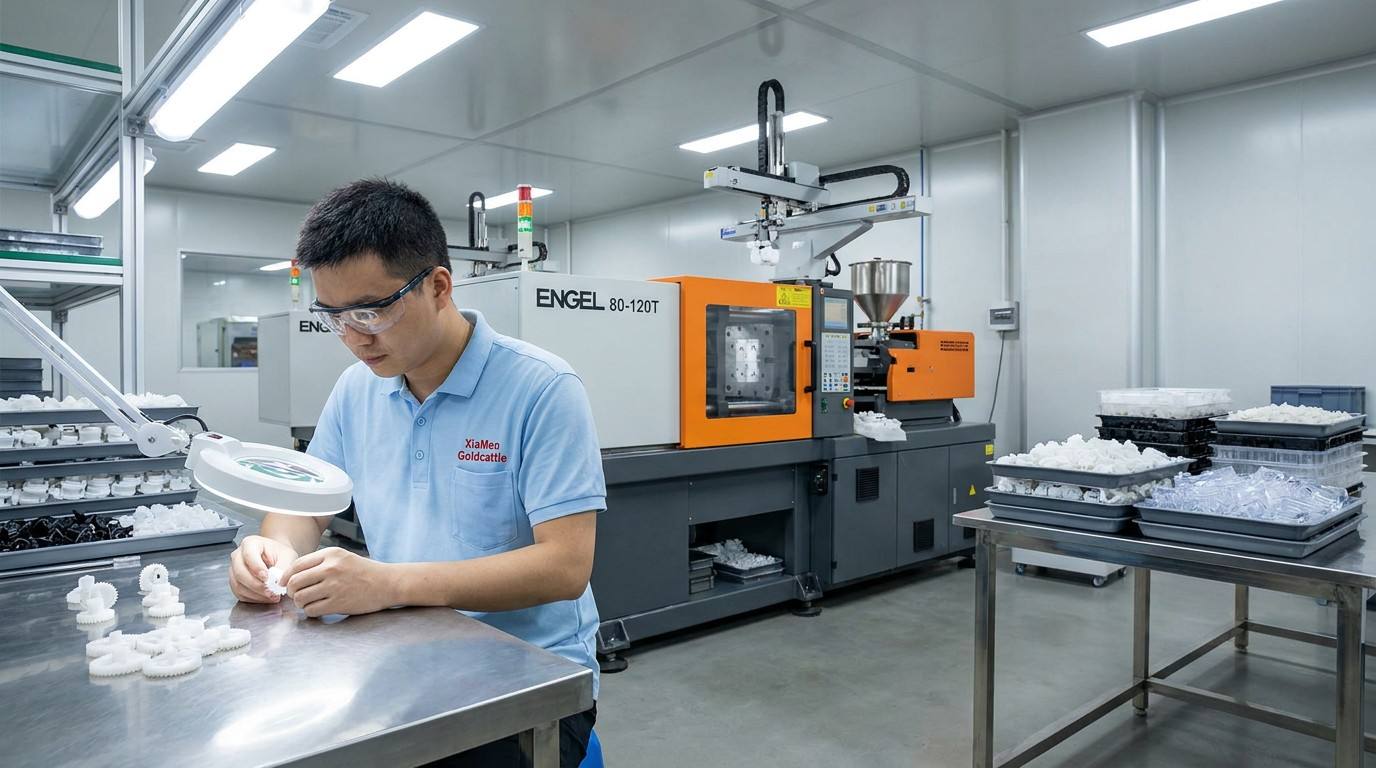
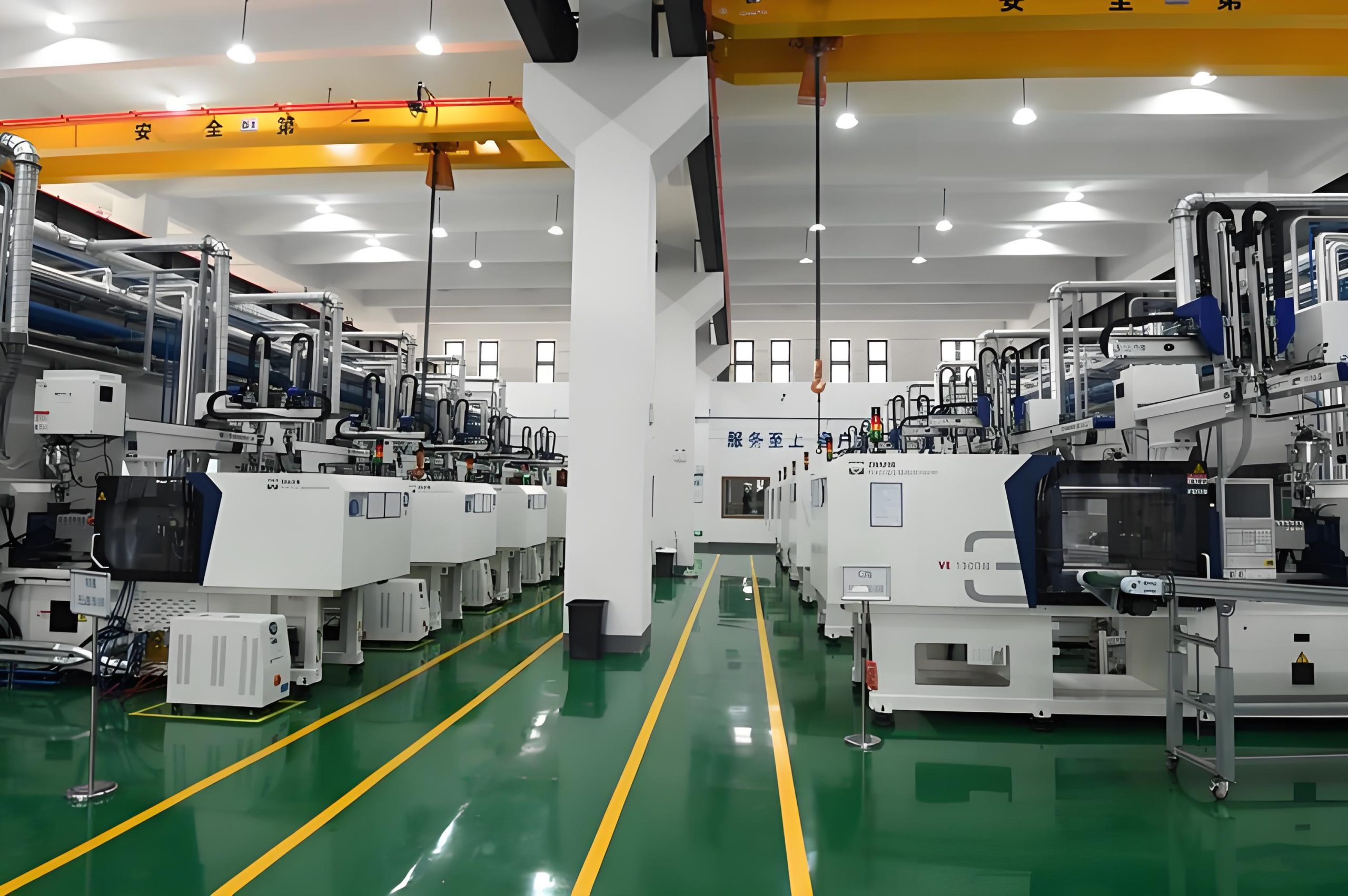
4. Low-Volume Manufacturing and Quality Control: The production run is executed within highly regulated environments using automated injection molding machines that maintain steady pressure, temperature, and cycle times. Technicians perform frequent in-process inspections to verify batch uniformity and overall structural integrity.
5. Post-Processing, Assembly, and Delivery: The finalized parts undergo required surface treatments, markings, or hardware integrations as specified. Fully assembled components pass a final quality audit before being securely packed to prevent transit damage and shipped to the client’s destination according to strict logistics timelines.
Ideal Application Scenarios for Low-Volume Production
While high-volume manufacturing remains necessary for mature commodities, custom low volume injection molding services provide a superior strategy across several specific industrial scenarios.
New product prototyping and market testing represent a primary use case. Launching a new hardware concept involves market uncertainty. Producing a limited initial batch allows an enterprise to conduct field tests, distribute samples to potential distributors, and gather authentic user data without committing to large inventory costs.
The strategy is equally vital for sourcing replacement components and legacy maintenance parts. For heavy machinery, specialized medical equipment, or automotive platforms, keeping massive inventories of older spare parts is inefficient. Low-volume injection molding enables on-demand production of specific parts, lowering storage costs while ensuring long-term hardware support.
Furthermore, the process is perfectly aligned with limited-edition or customized products. Industries catering to niche professional fields or premium consumer tiers often require specialized, limited runs. This methodology offers the structural framework needed to manufacture diverse product variations efficiently.
Engineering validation and structural testing also rely heavily on this process. Complex mechanical assemblies require field testing under heavy operational stress. Low-volume injection molding delivers parts made from the actual production plastics required, allowing engineering teams to verify real-world durability, chemical resistance, and thermal thresholds accurately.
Finally, low-volume molding serves as an important bridge production tool. Building high-volume, hardened steel multi-cavity tools can take months. Deploying temporary low-volume tooling ensures a steady supply of functional components during this interim period, preventing assembly line downtime and maintaining early market momentum.
Strategic Manufacturing Integration
In a demanding global market, low-volume manufacturing has transitioned from a temporary prototype solution into a core element of modern product lifecycle management. Aligning with an experienced manufacturer that integrates mold design, precision machining, and automated injection molding allows businesses to optimize development cycles and reduce financial exposure. Xiamen Goldcattle Plastic & Metal Products Co., Ltd. continues to advance its technical capabilities, providing global industries with the precision, operational flexibility, and dependability required to bring complex concepts to market.
For detailed technical specifications, project evaluations, and engineering consultations, please visit the official corporate website at https://www.xmgoldcattle.com/.