Custom Metal Car Key Fob Cases for Automotive Brands and Accessories
Goldcattle develops custom metal key fob cases and branded automotive key accessories around your design, branding and manufacturing requirements. For B2B buyers, the right solution depends on intended use, material, product structure, required fit, finish and order quantity.
Custom Metal Key Fob Cases at a Glance
What this page is about, who it serves, and what we do and do not claim.
What We Provide — and What We Do Not
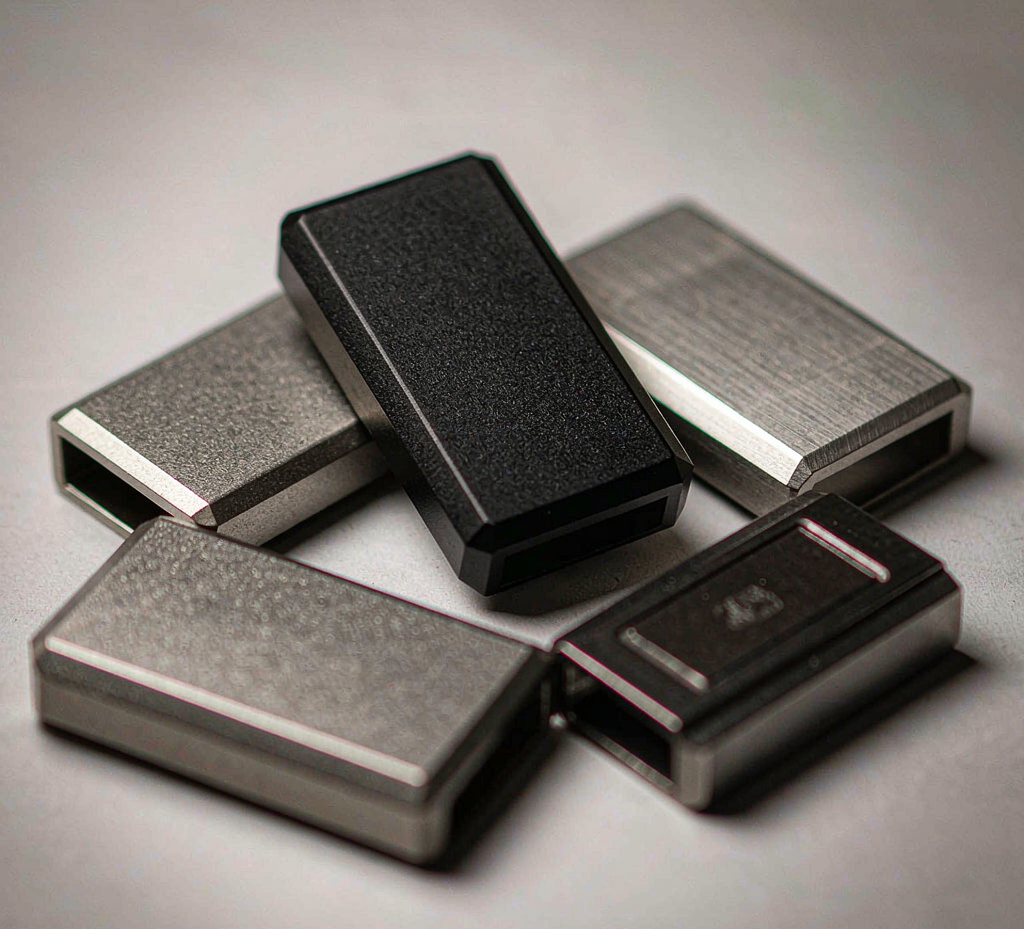
The product on this page is the custom metal key fob case: the machined housing, shell, decorative plate and branding details that surround or carry an existing electronic key, or serve as a branded automotive accessory. Goldcattle's role is the metal manufacturing — machining, engraving, finishing and dimensional inspection — built around your design and order requirements.
Scope boundary, stated plainly
A metal key fob case is a passive mechanical part. We manufacture the shell and structure. We do not manufacture complete electronic key fobs with circuits, chips, transmitters or batteries as a default offering. If your project includes wireless or electronic components, that scope is defined separately and the applicable radio-equipment rules for the target market are assessed by the responsible party — not assumed from the metal material.
If you are building a branded accessory program, a dealer gift, or a protective premium shell for an existing remote, the relevant questions are material, wall thickness, button access, branding method and repeatable quality — the subjects covered below.
Product Structure and Customization Scope
The elements of a typical metal key fob case, and which we manufacture directly.
Metal shell & body
The main case, machined to your outer shape, wall thickness and edge breaks. This is the structural part we manufacture directly.
Button openings
Cut-outs for the remote's buttons, positioned from your sample or drawing. Placement accuracy is verified, not guessed.
Logo & branding
Engraved or etched brand artwork on the face or plate, confirmed on a sample before production.
Keyring & loop
Integrated or assembled ring features, sized for the intended attachment and wear condition.
Decorative plate
Inserted or machined accent plates in a second material or finish for visual differentiation.
Assembly interface
The opening and clearance where an existing electronic key sits — designed around your remote's dimensions.
Materials and Surface Treatment
Materials we routinely machine, and the finishes that suit each — chosen for the part, not quoted from a generic table.
| Material | Typical grades | Why it fits key fob cases | Common finishes |
|---|---|---|---|
| Aluminum | 6061-T6, 7075 | Light, corrosion-resistant, easily anodized; good for premium-feeling daily-use cases | Anodizing (clear/black/color), brushing, bead blasting |
| Stainless steel | 304, 316 | Durable, premium weight, strong corrosion resistance; suits high-wear accessories | Polishing, brushing, bead blasting |
| Titanium | Grade 2, Ti-6Al-4V (Grade 5) | High strength-to-weight, distinctive feel; for differentiated premium programs | Bead blasting, brushing, anodize (oxide color) |
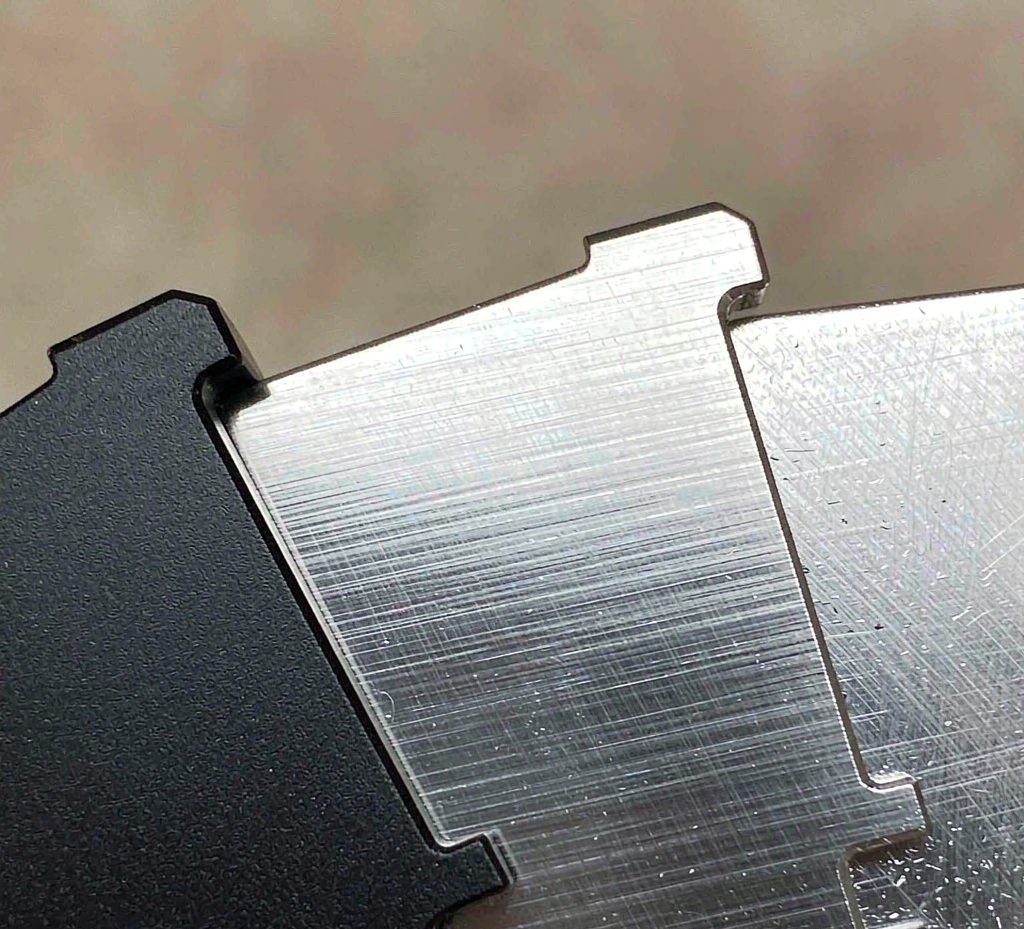
Finish is a design decision, not an afterthought
- Anodizing (aluminum) gives a hard, color-stable surface and a clean logo-engraving contrast.
- Brushing and polishing (stainless) control reflectivity and fingerprint visibility.
- Bead blasting produces a uniform matte look across all three materials.
- Finish choice interacts with machining marks, so it is planned at the quoting stage, not added later.
Material and finish selection is confirmed during design review; our materials hub covers the families in depth, and the titanium CNC machining guide details titanium specifically.
Brand Customization and Logo Handling
Brand identity on a metal case is applied by CNC engraving, laser etching, or a surface-contrast treatment on the face or a dedicated plate. The method is chosen for the material and the look you want — engraving reads as a recessed mark, laser etching as a fine surface line.
Artwork we work from
Vector files — AI, EPS, SVG or DXF — give the cleanest engraving results. We confirm position, size and depth on a sample.
Sample approval
Branding is locked on the approved sample, so the bulk batch reproduces the same mark and depth every time.
Trademark responsibility
Any automotive brand logo, trademark or model artwork must be supplied and authorized by you. We do not present third-party brand marks as our own products.
Plain-language rule: you confirm you hold the rights to use the artwork you provide, and we manufacture the metal part and branding. This keeps both sides clear on intellectual-property responsibility before production starts.
Product Engineering and Fit Verification
When the case must hold or surround an existing electronic key, fit is designed in — not checked at the end.
If your case is built around a specific remote, provide the sample remote, a 3D model, or a dimensioned drawing. We review the interface, button openings, keyring loop, assembly clearance and any battery access so the shell is engineered around your electronics. The deliverable we verify is mechanical fit and dimensional accuracy.
What we verify — and what we do not
We verify the case's dimensions, clearances and assembly against the supplied remote or drawing. We do not test radio-frequency performance, remote distance, vehicle-start function, or battery behavior of the electronic key. If your product includes a wireless transmitter, antenna or battery, the applicable radio-equipment requirements for the target market — for example FCC authorization in the United States or CE/RED in Europe — are assessed by the responsible party based on the actual product composition. A metal shell does not, by itself, confer compliance with those rules.
Manufacturing Process and Quality Control
A transparent path from drawing to packed cases, using real process evidence — not abstract quality claims.
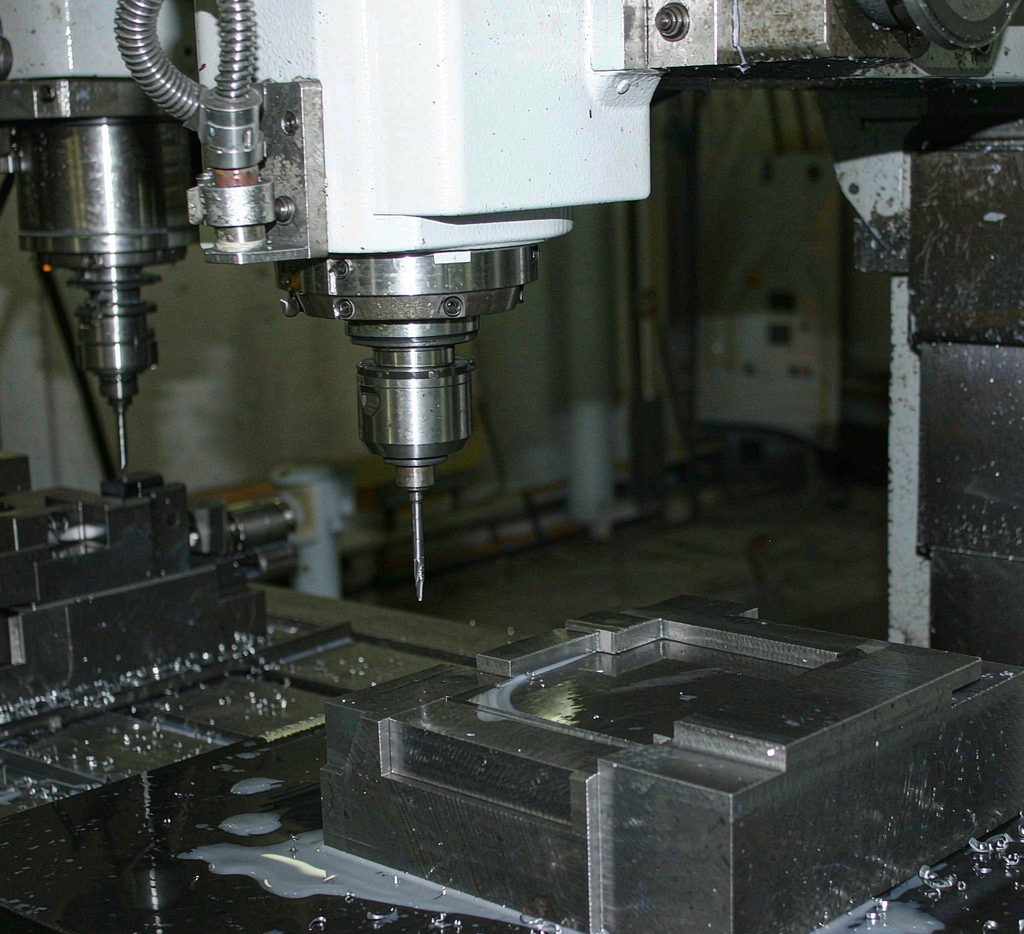
How a case is made and checked
- Drawing & model review — confirm geometry, critical dimensions and fit requirements.
- DFM review — flag wall thickness, corner radii and features that drive cost or risk.
- Sample machining — produce and approve a sample before bulk production.
- Surface treatment — anodize, brush, polish or blast per the approved finish.
- Dimensional inspection — verify critical dimensions against the drawing.
- Appearance & packaging — check finish and branding, then pack to the agreed spec.
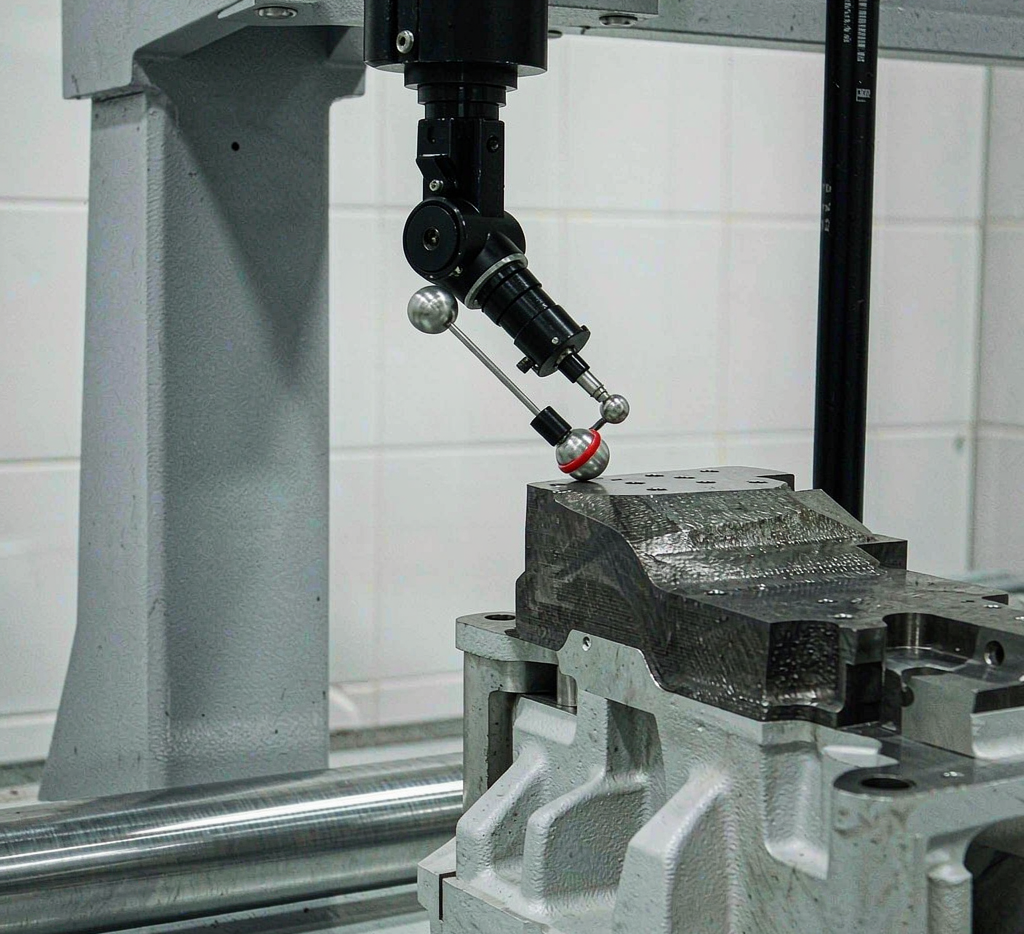
What the inspection covers
- Critical dimensions — openings, clearance and overall size checked against the drawing.
- First-article check — the approved sample sets the reference for the bulk batch.
- Appearance — finish and branding confirmed against the approved sample.
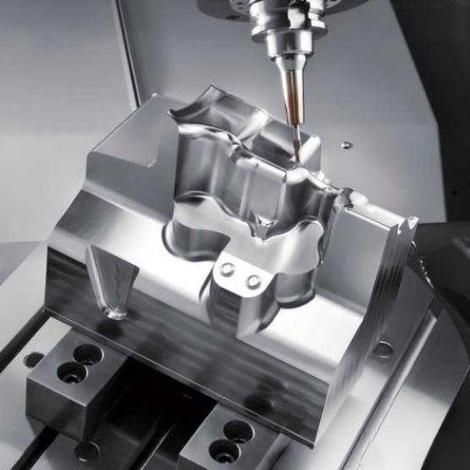
Process evidence on this page shows generic machining and inspection activity. Project-specific production photos and inspection records are shared with the customer under NDA during quoting and production, not published as generic marketing.
MOQ, Sampling and Bulk Production Conditions
Pricing and order terms are built from the project, not copied from a discount table.
Quotation depends on several concrete factors, and we discuss them with you rather than publishing fixed numbers that may not apply to your part:
| Quotation factor | How it affects the project |
|---|---|
| Order quantity | Sample runs, pilot orders and repeat bulk orders have different economics; the practical minimum is discussed per project. |
| Product structure | Whether it is a standard modification or a new custom case, and whether tooling or fixtures are required. |
| Material & process | Aluminum, stainless or titanium; machining method and surface finish all change cost and lead time. |
| Branding | Engraving, laser etching and artwork approval add defined steps. |
| Sampling | A sample stage is used to confirm geometry, finish and branding before bulk production. |
| Packaging & shipping | Packaging spec, labeling and Incoterms are confirmed so the quote reflects the delivered condition. |
Why no public price list: a metal key fob case varies in material, wall thickness, branding and quantity, so a single published price or discount ladder would be misleading. We quote from your actual design and requirements, with lead time confirmed at quotation rather than promised up front.
From Inquiry to Delivered Cases
What a typical custom project looks like — a path, not a fabricated customer story.
1 · Inquiry & files
You send a 3D model, 2D drawing, material preference, quantity and branding requirement. We confirm the scope.
2 · Engineering review
We review fit, DFM and finish, and return a quote with a realistic lead time and the conditions it covers.
3 · Sample
A sample is machined and finished, then approved on geometry, surface and branding before bulk production.
4 · Bulk production
Production runs against the approved sample, with dimensional and appearance checks at defined points.
5 · Inspection & delivery
Critical dimensions and appearance are verified, then the cases are packed and shipped per the agreed terms.
Repeat orders
The approved sample and recorded parameters keep reorder batches consistent with the first.
RFQ Checklist — What to Send for a Quote
A complete package returns an accurate quote in one pass.
| Item | Why it matters |
|---|---|
| 3D model (STEP/IGES) | Defines the exact outer shape, wall thickness and features. |
| 2D drawing with critical dimensions | Defines what must be verified — openings, clearance, overall size. |
| Material & finish | Drives cost, lead time and appearance. |
| Existing remote (if the case fits one) | Sample, model or drawing of the electronic key to design the interface around. |
| Branding artwork (vector) | AI/EPS/SVG/DXF for engraving or etching; confirm rights to use it. |
| Quantity & target date | Determines sample vs bulk route and the practical minimum. |
When we receive the package, the engineering review is where fit, finish and tolerance questions get answered before you commit — which is where most cost and risk are decided.
Frequently Asked Questions
What is a custom metal car key fob case?
A custom metal car key fob case is the machined housing, shell or accessory body that holds or surrounds an existing electronic key — not the electronic remote itself. Goldcattle manufactures the metal shell, structural parts, decorative plates and branding details. We do not manufacture complete electronic key fobs with circuits, chips or transmitters unless that scope is separately specified and qualified.
What materials can custom key fob cases be made from?
Commonly machined materials are aluminum alloys such as 6061 and 7075, stainless steels such as 304 and 316, and titanium alloys such as Ti-6Al-4V. Material choice follows the part's size, wall thickness, surface requirement and order quantity, and is confirmed during design review rather than assumed.
Can you make a case to fit my existing electronic key fob?
Yes, this is a typical project. Provide the sample remote, a 3D model or a dimensioned drawing, and we review the interface, button openings, keyring loop, assembly clearance and any battery access so the shell is designed around your existing electronics. We verify mechanical fit and dimensions; we do not verify radio-frequency or vehicle-start functions of the remote.
What logo and branding options are available?
Branding is applied by CNC-engraving, laser etching or surface contrast on the case face or plate. We work from your vector logo file (AI, EPS, SVG or DXF) and confirm position, size and depth on a sample before production. You are responsible for confirming you hold rights to use any trademark or brand artwork you supply.
What is the minimum order quantity for custom key fob cases?
Minimum order quantity is confirmed per project based on material, machining method, surface finish and packaging, rather than a single fixed number. Small sampling runs and pilot orders are possible; the practical minimum is discussed when we review your design and quantity.
Do you provide samples before bulk production?
Yes. Projects typically move through a sample stage — engineering review, sample machining and approval — before bulk production. Sample approval locks the geometry, finish and branding so the production batch is repeatable.
What files should I send to get a quote?
Send a 3D model (STEP or IGES) and a 2D drawing with critical dimensions, your material preference, the order quantity, the branding requirement, and whether the case must fit an existing electronic key. The more complete the package, the more accurate the quote and lead-time estimate.
What tolerances and surface finishes are achievable?
Tolerances are feature-, geometry- and condition-dependent, not a single universal number. Standard-profile work commonly holds general tolerances around ±0.1 mm, and tighter values are achievable on qualified features when the design, stock and setup support them — for example features qualified for ±0.005 mm under controlled conditions. Finishes include anodizing, brushing, polishing and bead blasting, selected for the material and appearance.
Will a metal key fob case affect the remote key signal?
Goldcattle manufactures the passive metal shell and does not perform radio-frequency or remote-distance testing of complete keys. If your product is a passive case around an existing remote, we design for clearance around buttons and openings; if your product includes a wireless transmitter, antenna or battery, the applicable radio-equipment rules for the target market (for example FCC in the United States or CE/RED in Europe) should be assessed separately by the responsible party.
How are automotive brand trademarks and product compliance handled?
We do not present third-party automotive brand logos as Goldcattle products. Any trademark, brand name or model artwork must be supplied and authorized by the customer, who confirms the right to use it. Compliance for products that include electronic or wireless components is assessed according to the actual product composition and the target market, not assumed from the metal material alone.
Have a custom metal key fob case to develop?
Send your 3D model and drawing — we review fit and branding, confirm achievable tolerances, and return a quote with realistic lead time and the conditions it covers.
- Engineering review included on every project
- Sample approval before bulk production
- Founded in 1998 — OEM/ODM manufacturing in Xiamen, China

Focused on custom metal component manufacturing, DFM review, and process planning for international buyers.