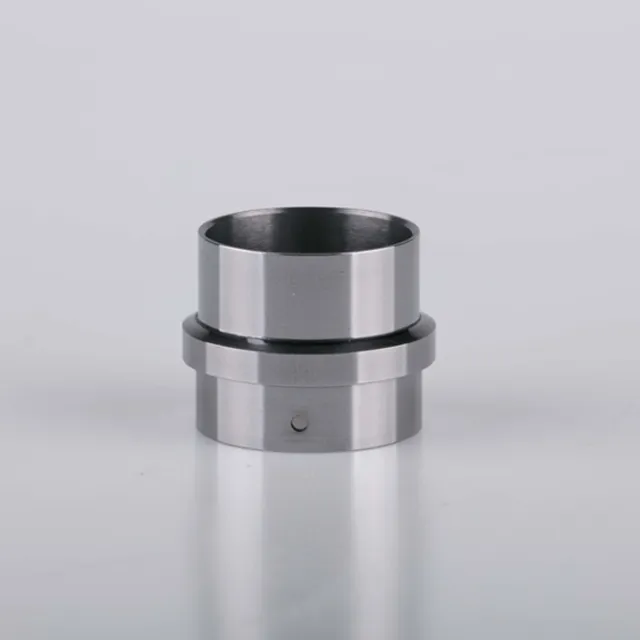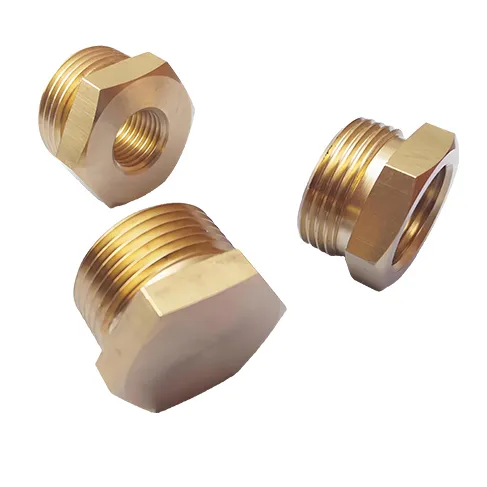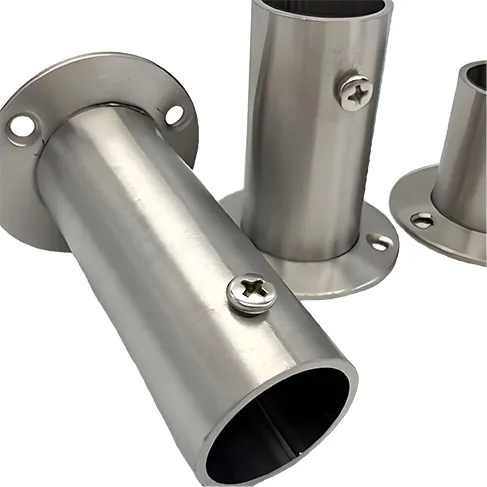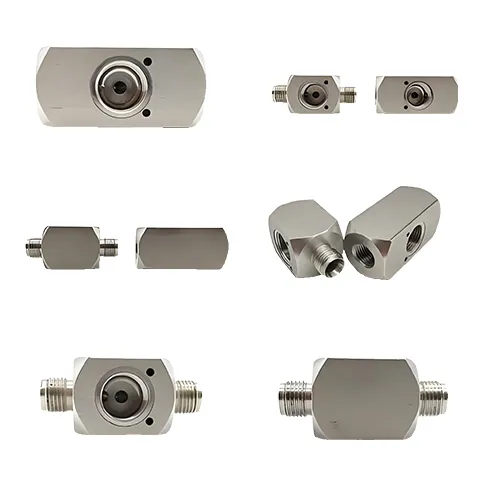
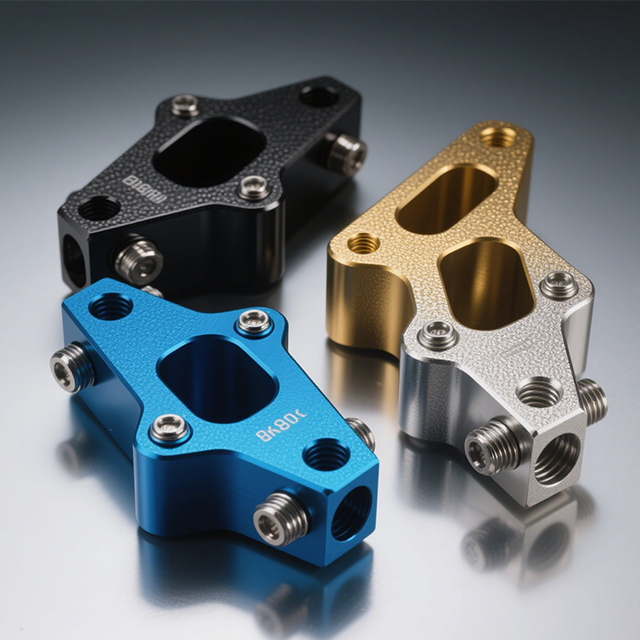
CNC Machining Parts | SS, Alu & Brass Turning
|
Attribute Category
|
Specific Details
|
|
Processing Technology
|
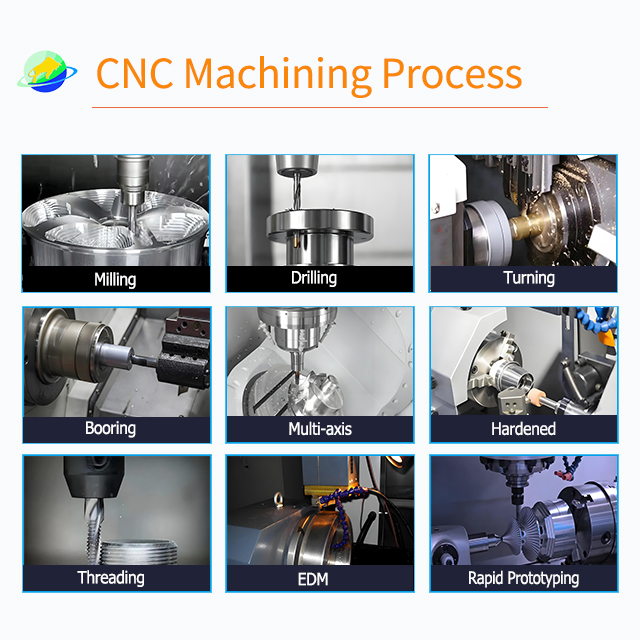
CNC Turning, CNC Milling, 3D Machining
|
|
Applicable Materials
|
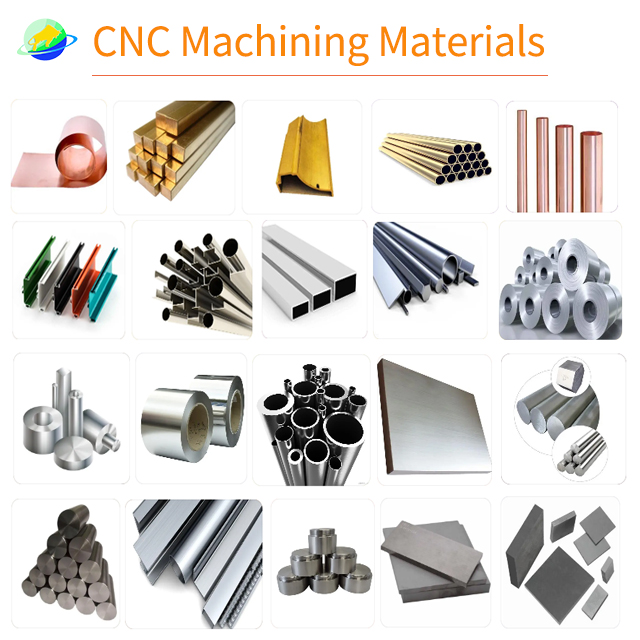
Stainless Steel, Aluminum, Brass
|
|
Precision Level
|
High Precision (Tolerance: ±0.001mm – ±0.01mm)
|
|
Customization Service
|
OEM Customization (supports custom drawings, sizes, shapes)
|
|
Surface Treatment Options
|
Polishing, Plating (Chrome/Zinc/Nickel), Anodizing, Sandblasting
|
|
Application Fields
|
Automotive, Aerospace, Electronics, Medical Equipment, Industrial Machinery
|
|
Quality Certification
|
ISO 9001, CE
|
|
Lead Time
|
3-15 Working Days (based on order quantity and complexity)
|
|
MOQ
|
1 Piece (supports small-batch and mass production)
|
Description
We turn your 3D CAD model into machined metal components in aluminum, stainless steel and brass — from a single prototype to production runs, held to your drawing under one ISO 9001:2015 quality system.
Last updated: September 2026
| Part type | Custom CNC machined metal components (prototype to production) |
|---|---|
| Materials | Aluminum, stainless steel, brass (other alloys on request) |
| Processes | CNC turning, CNC milling, 3-/4-/5-axis machining |
| Part source | Your 3D CAD model and 2D drawing |
| Tolerance | Defined by drawing; ±0.01 mm typical, ±0.005 mm on qualified features |
| Surface finish | As-machined, anodizing, passivation, plating, bead blast |
| Quantity | Prototype from 1 piece to series production |
| MOQ | 1 piece (prototype) |
| Quality system | ISO 9001:2015 |
What This Page Covers
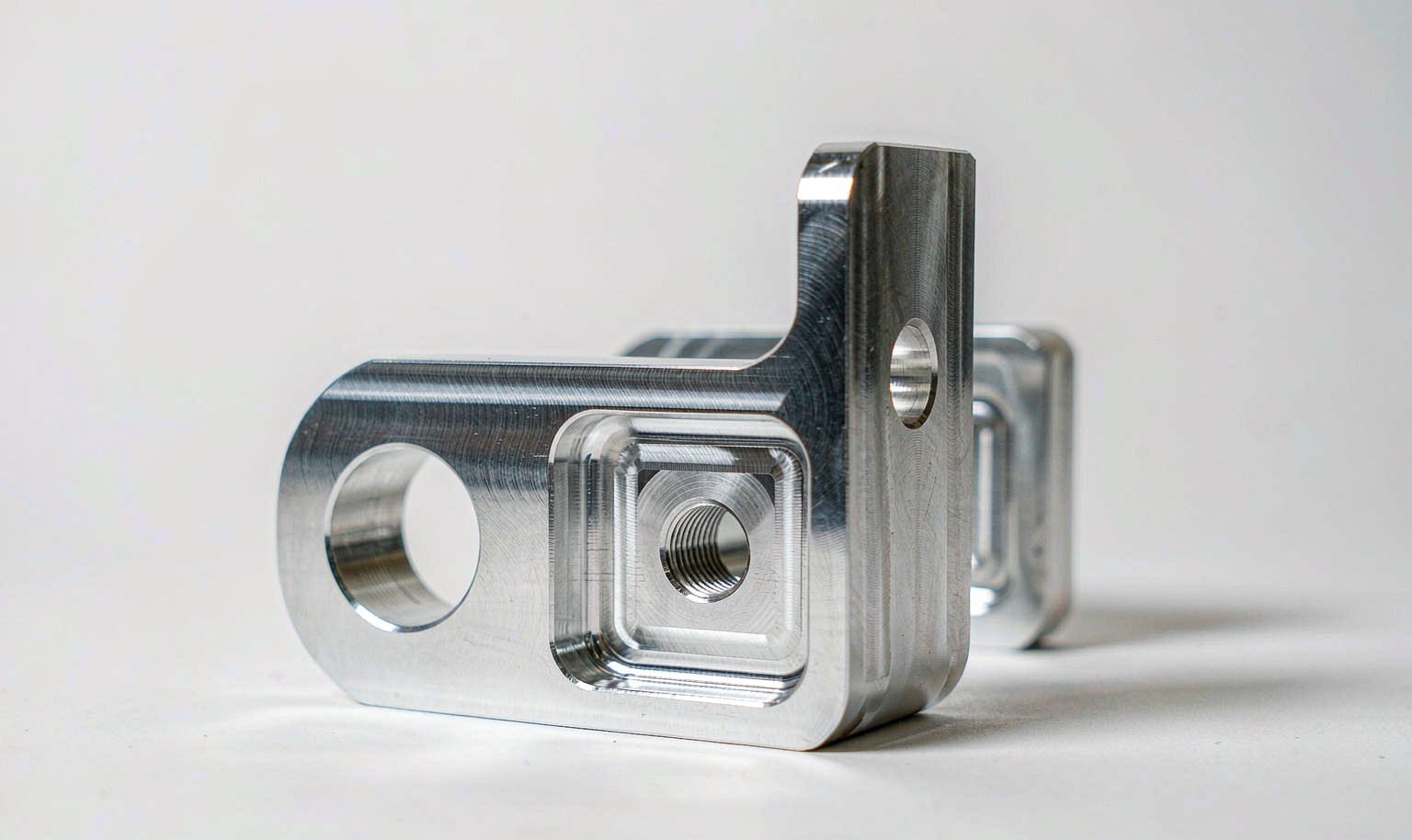
A custom CNC machined part is a metal component produced directly from your 3D CAD model and 2D drawing on CNC lathes and machining centers. This page is about the part entity: what can be made, from which metals, to what tolerance, and how a project moves from a drawing to delivered parts.
What is a custom CNC machined part?
It is a physical part cut from solid metal stock to your geometry — not a catalog item. The answer you get depends on three inputs: the 3D model, the material, and the tolerances called out on the drawing. Process depth (multi-axis capability, surface treatments) is covered on the dedicated service pages linked where relevant.
If you are comparing processes or materials, start from the part function and the environment it sits in. The right metal and process follow from that, not the other way around.
Material Options: Aluminum, Stainless Steel & Brass
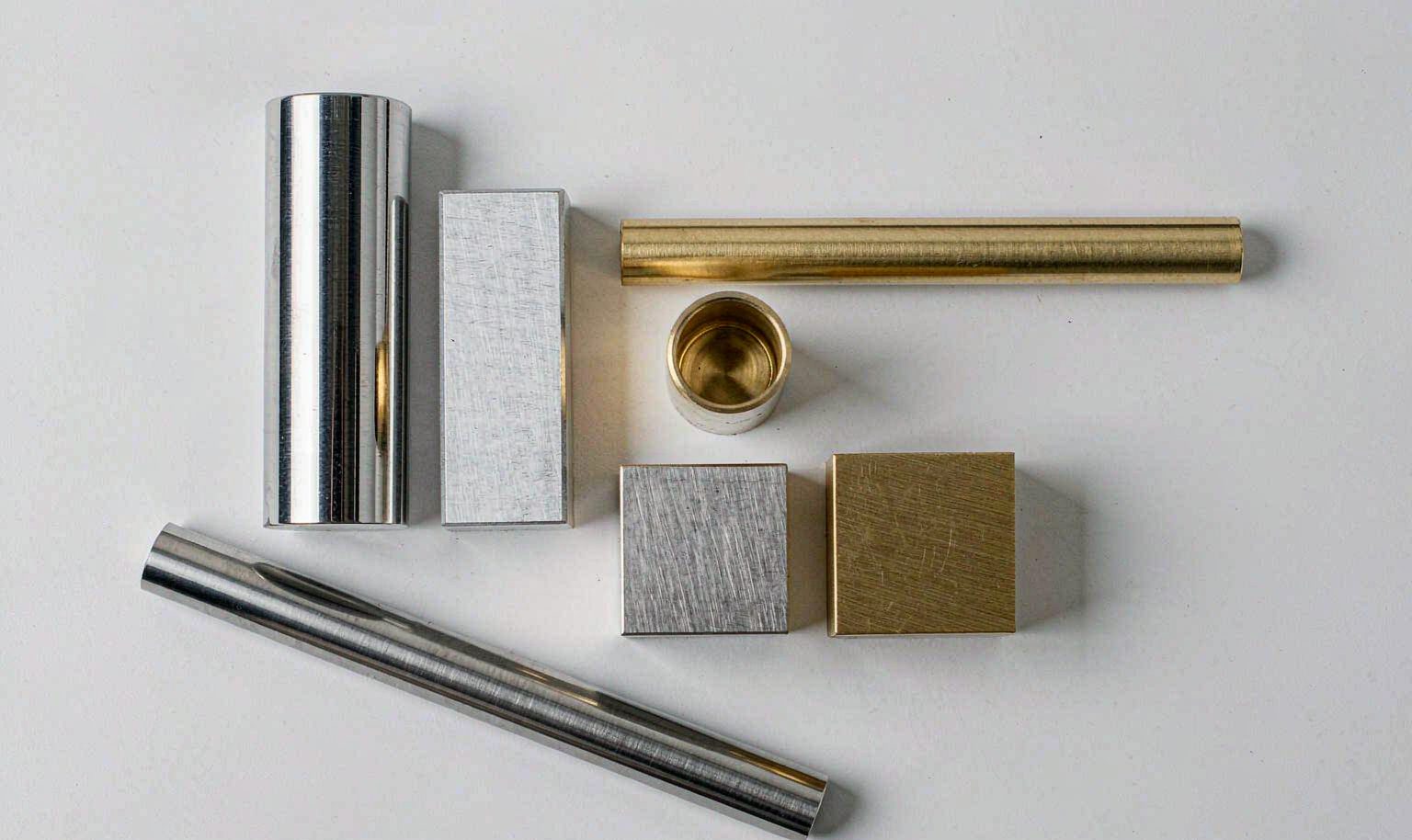
Most custom CNC parts are one of these three metals. Each suits a different job; the table below is a starting point, not a rule. Final grade is confirmed against your function and environment.
Lightweight & machinable
Common grades 6061, 6063, 7075 and 5083. Good strength-to-weight, excellent machinability and corrosion resistance. First choice for brackets, enclosures and robotics hardware.
Corrosion & heat resistant
Common grades 303, 304, 316 and 17-4 PH. Harder to machine but durable in harsh or hygienic environments. Used for marine, medical and food-contact parts.
Conductive & low-friction
Common grades C360, C377 and C260. Free-machining, with good electrical conductivity and a low friction surface. Typical for connectors, bushings and fittings.
Which metal should I choose?
Pick by the job: aluminum for light, corrosion-resistant structures; stainless for harsh or hygienic duty; brass for conductivity and low-friction fit surfaces. The condition is that the grade is matched to load, temperature and any regulatory exposure before production.
Choosing the Right CNC Process
The process is set by geometry. A round, axisymmetric part is turned; a flat or prismatic part is milled; a part with compound angles usually needs 5-axis or a turned-then-milled sequence.
CNC turning
Best for shafts, bushings, pins and any round body of revolution. The tool works the outside and inside diameter, including threads and grooves.
CNC milling
Best for brackets, plates, housings and parts with pockets, slots and holes. A 3-axis center removes material from the top face; 4th/5th axes reach more sides.
3-/4-/5-axis machining
5-axis holds complex angles in fewer setups, which protects accuracy on contoured or multi-face parts. Use it when features must line up across several planes.
Turned + milled combination
Many real parts are turned for the body, then milled for flats, hexes or cross-holes. The combination is decided by the drawing, not by habit.
Turning or milling — which do I need?
If the dominant shape is round and symmetric, turning is faster and cheaper. If it is flat, box-like or has holes off-axis, milling is the fit. The technical condition is that parts with both natures are usually a turning-plus-milling job, planned as one program.
What Parts Can Be Made?
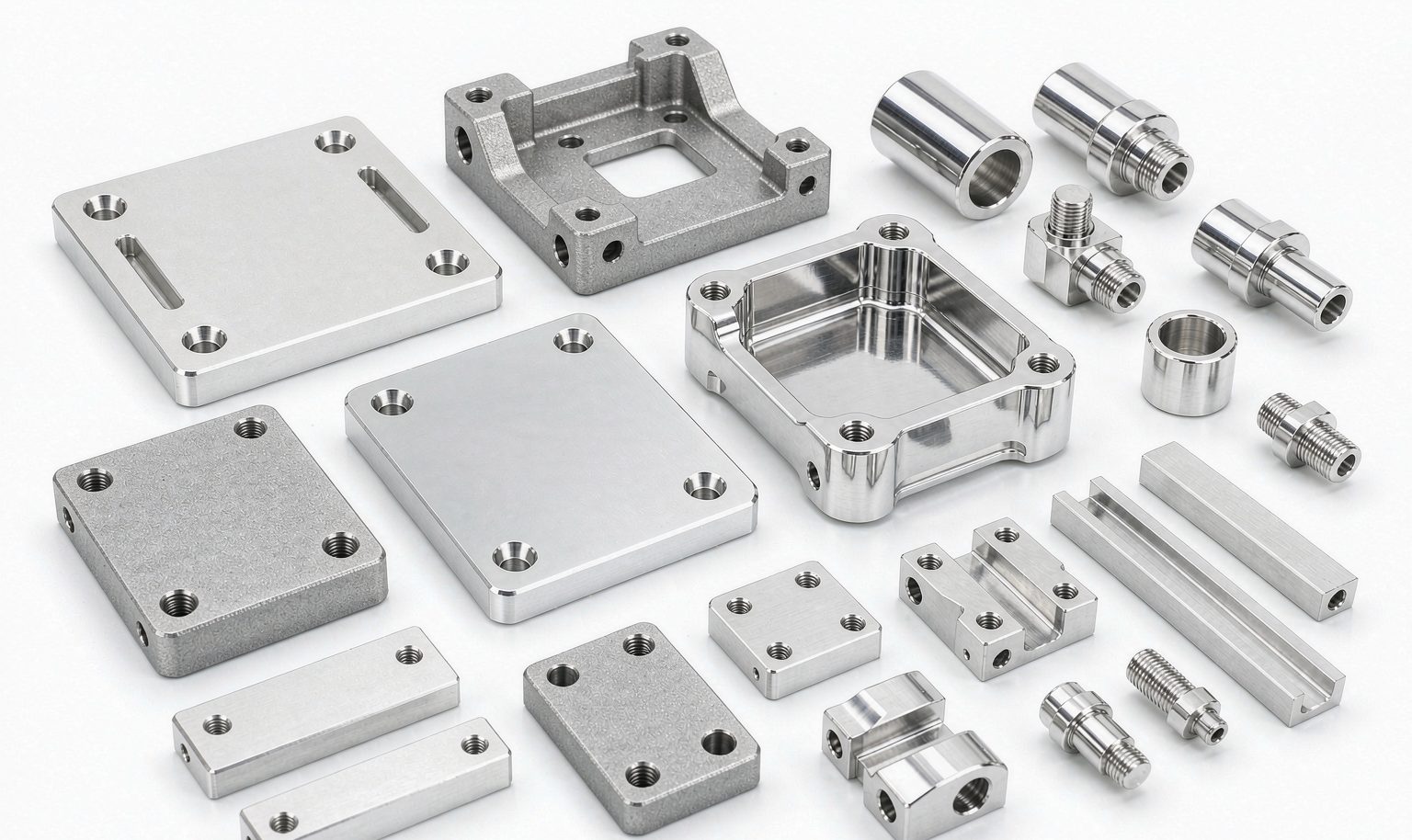
CNC machining handles a wide envelope of metal parts. The list below is representative; if your part is a solid from a 3D model, it is almost certainly machinable.
- Shafts & spindles
- Bushings & sleeves
- Brackets & mounts
- Housings & enclosures
- Flanges & adapters
- Manifolds & blocks
- Spacers & washers
- Fittings & connectors
- Prototypes & jigs
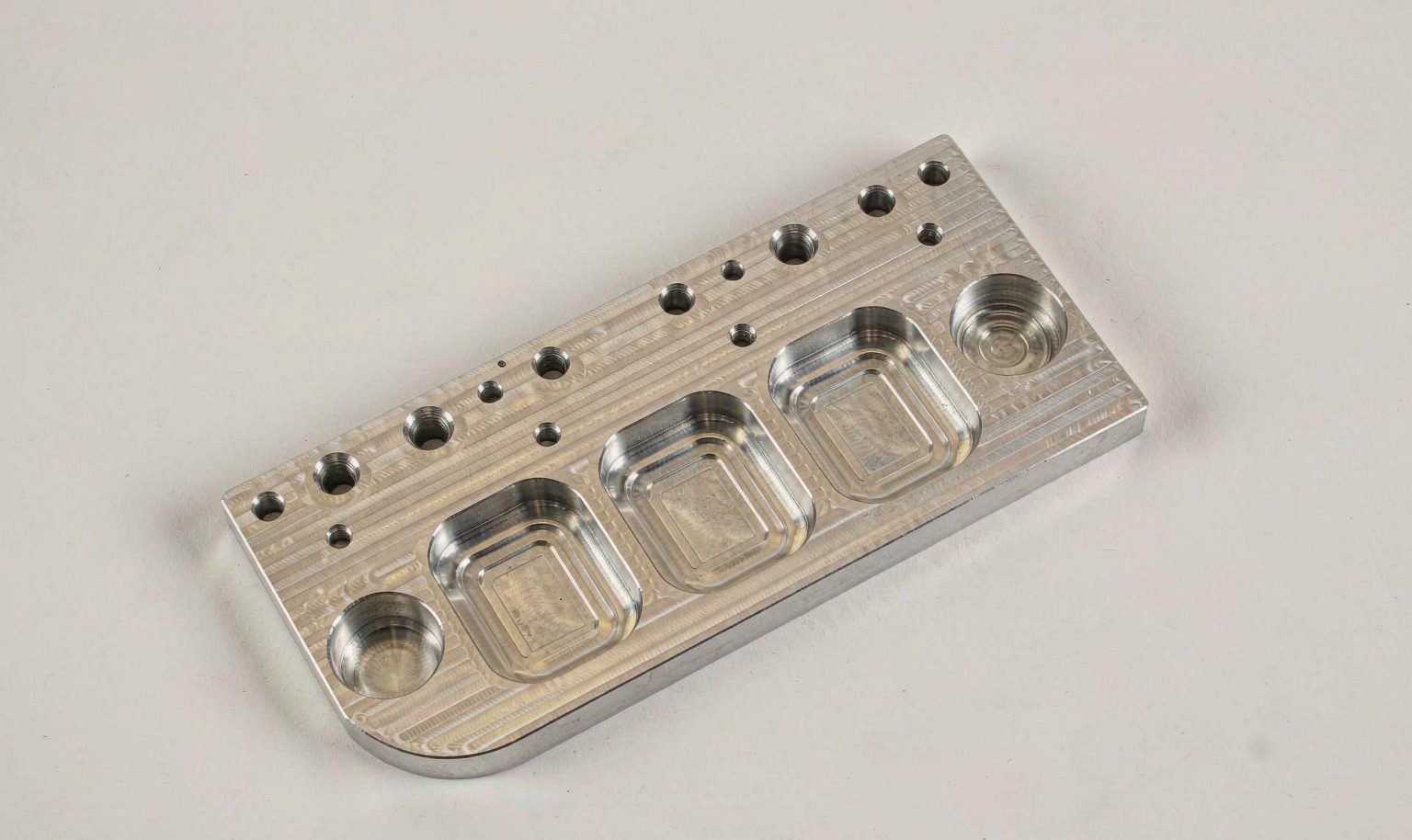
Are there shapes CNC machining cannot do?
Very thin walls, deep enclosed internal cavities and undercuts beyond tool reach are the usual limits. The condition is that extreme aspect ratios may need a different process or a design tweak, which we flag in DFM before quoting.
3D CAD & Drawing Requirements
A usable quote starts with a usable file set. Send the 3D model plus a 2D drawing that calls out what actually matters for fit and function.
- 3D model (STEP, IGES, SLDPRT or equivalent)
- 2D drawing with critical dimensions and tolerances
- Material grade and any specification
- Surface finish and cosmetic requirements
- Quantity per batch and annual volume
- Threads, GD&T and key datum references
- Target market or regulatory notes
- Special requests (packaging, marking, certs)
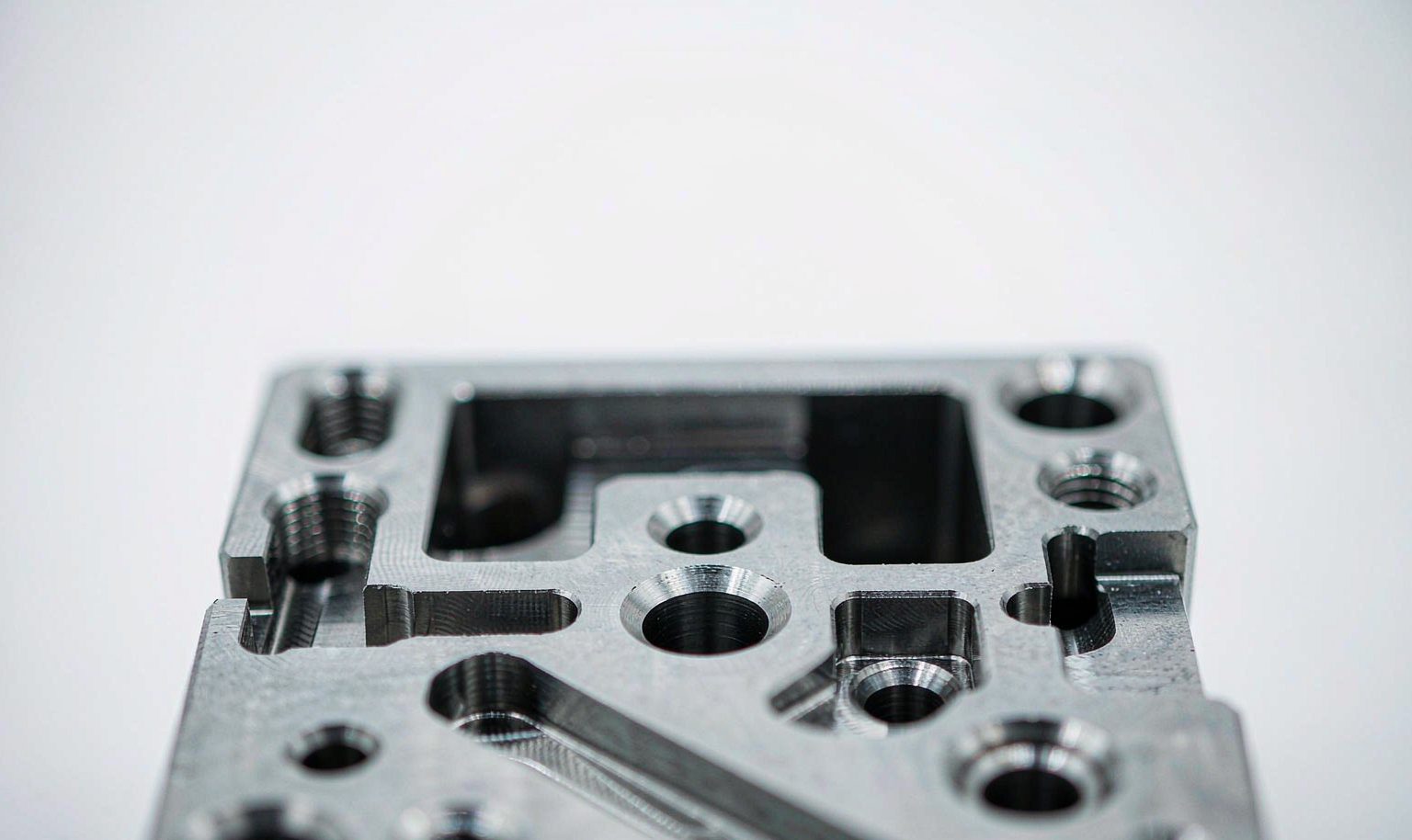
What file do I send if I only have a model?
Send the 3D model and we will quote to nominal geometry, then confirm critical dimensions with you. The condition is that final tolerances must be agreed in writing before production, because a model alone does not state which features are tight.
DFM Review Before the Quote
A quote is only useful if the part is manufacturable as drawn. Our design-for-manufacture review answers that before a number is issued.
- Wall thickness and feature size vs. tool access
- Tolerance stack-up across the part
- Thread type, depth and tap vs. single-point
- Datum scheme and GD&T readability
- Material machinability and grade availability
- Surface finish feasibility per material
- Setup count and fixture requirement
- Risk features that drive cost or scrap
Do you review manufacturability before quoting?
Yes. Every part is reviewed for machinability first, so you learn the risks before approving a number. The technical condition is that we return a manufacturability summary alongside the quote, typically within one working day of receiving a complete file set.
Tolerance & Dimensional Capability
Tolerance is defined by the drawing, not assumed. As a planning reference, the bands below are typical for CNC work on these metals.
| Condition | Typical achievable | Note |
|---|---|---|
| Standard machined features | ±0.01 mm | Common default for non-critical geometry |
| Tight features | ±0.005 mm | On qualified features called out on the drawing |
| Positional / GD&T | Per drawing | Held to the stated datum scheme |
| Large or thin parts | Wider band | Deflection and thermal effects apply |
We do not publish a single blanket tolerance, because the achievable number depends on material, part size, geometry and which feature is critical. Tight values are agreed per feature at DFM and verified against the drawing.
How tight a tolerance can you hold?
Around ±0.01 mm is typical, with ±0.005 mm reachable on qualified features identified on the drawing. The condition is that ultra-tight values are matched to the specific feature and material, then confirmed on the measured part.
Surface Finishing by Material
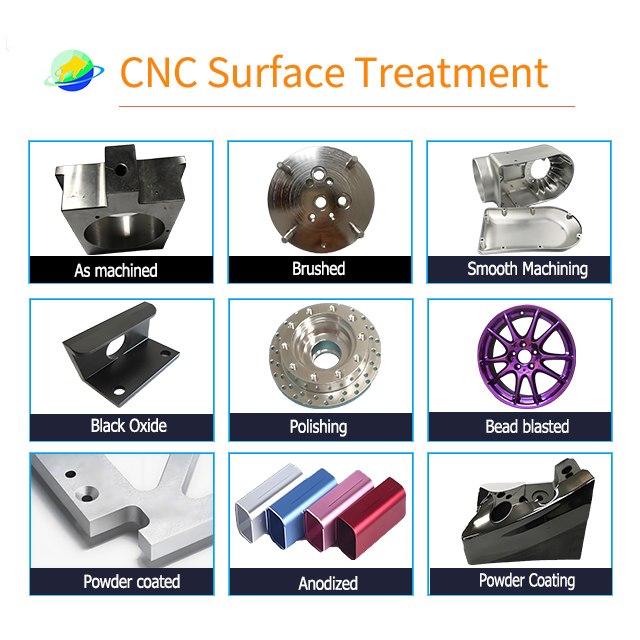
Finish is chosen per metal and per job. As-machined is the baseline; treatments add corrosion resistance, hardness or appearance.
Aluminum
- As-machined (visible tool marks)
- Anodizing (clear, black, color)
- Bead blasting
- Powder coating
Stainless steel
- As-machined
- Passivation
- Electropolishing
- Bead blasting
Brass
- As-machined
- Nickel or chrome plating
- Clear or tinted lacquer
- Brushed finish
Inspection & Quality Control
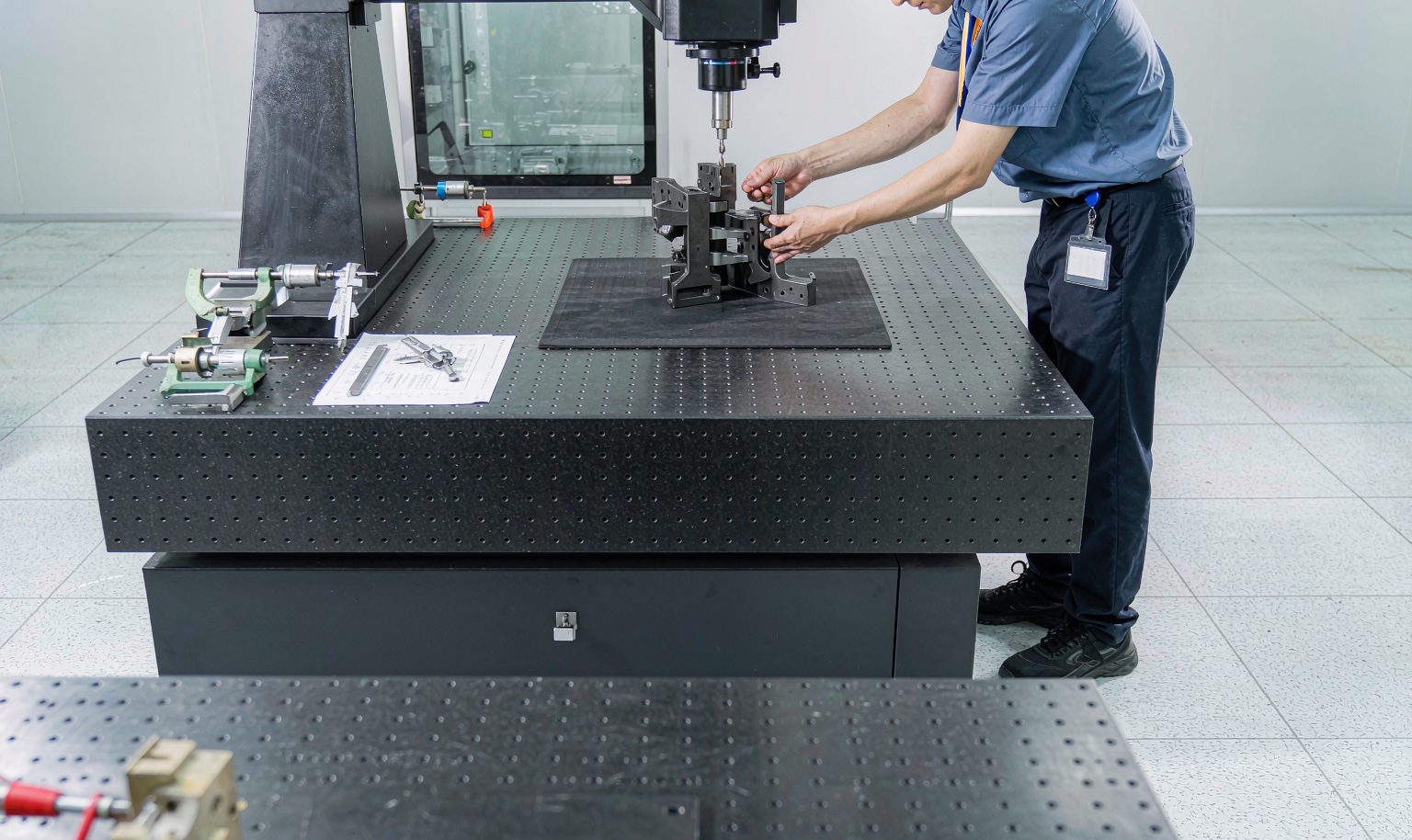
Quality is built into the run, not just checked at the end. Methods and sampling are set against your drawing, agreed before production.
Dimensional inspection
Key dimensions measured to the drawing, including CMM checks where geometry demands it.
First article (FAI)
Full first-article inspection available on request, with a report per the agreed drawing.
In-process control
Spot checks during the run keep the process centered between setups and batches.
Material & certs
Material certificates on file; RoHS test report and other documents available as needed.
Certification held
- ISO 9001:2015 quality system
- SGS report SZIN2409001808ML09_EN
- RoHS report TQT7737B1373EC
- Rmbond XMML24030283_EN
Process alignment & documentation
- IATF 16949 requirements supported
- ISO 13485-aligned process controls
- AS9100-aligned process controls
- ISO 14001-aligned environmental practices
Runs are governed by an ISO 9001:2015 quality system. Automotive, medical and aerospace programs are handled to the aligned process controls above, with documentation available on request.
From Prototype to Production
You do not have to jump to a production batch. Programs are staged so you confirm the part before committing to volume.
Prototype
1+ pieces to validate fit and function. Typical lead time 3–7 working days.
Low volume
Bridges and small batches. Typical lead time 7–20 working days.
Mass production
Series runs under the frozen process. Typical lead time 15–25 working days.
1 piece
Prototypes start at a single piece; economic minimum for series is stated in the quote.
Lead times are working-day ranges for planning. The actual date is confirmed against material, complexity and current schedule at order.
What Drives the Cost of Custom CNC Parts
CNC quotes move with several variables at once. Knowing them helps you scope a part that meets the requirement without paying for tolerance or finish you do not need.
| Cost driver | Why it matters |
|---|---|
| Material & grade | Alloy price and machinability change cycle time and scrap. |
| Geometry complexity | More features mean more tool paths and longer cycle time. |
| Tolerance & GD&T | Tight or many critical features raise inspection and scrap risk. |
| Setup count | Fewer setups protect accuracy and lower handling cost. |
| Surface finish | Each treatment adds a process step and handling. |
| Quantity | Fixed setup spreads over more pieces, lowering unit cost. |
| Lead time | Tighter dates may need scheduled capacity or premium handling. |
How to Specify Your Part
A complete specification is what lets us quote accurately and hold the part in production. Use this as a checklist when you send a request.
| Field | What to provide |
|---|---|
| 3D model | STEP / IGES / SLDPRT of the part geometry |
| 2D drawing | Critical dimensions, GD&T, datums |
| Material | Grade or specification; alternative if open |
| Finish | As-machined or named treatment per face |
| Quantity | Per batch and estimated annual volume |
| Critical features | Which dims must be tight, and why |
| Docs | FAI, material cert, RoHS or other on request |
Packaging & Shipping
Metal parts are packed to arrive in the condition they left the floor. Packaging is matched to finish and destination.
- Anti-rust wrap for ferrous and bare surfaces
- Individual or grouped bubble wrap by fragility
- Custom foam inserts for tight-tolerance parts
- Carton or wooden case by weight and mode
- Palletizing and strap for large batches
- Labels, CoC and packing list per request
Tell us the destination and any handling limits; we match the pack to the journey so finished surfaces are not damaged in transit.
Why Goldcattle for Custom CNC Machined Parts
A machined part is only as good as the process behind it. Goldcattle controls machining, finishing and inspection under one quality system.
Six processes in-house
CNC machining, injection molding, mold making, 3D printing, die casting and sheet metal fabrication are performed in-house under one ISO 9001:2015 system.
DFM before the quote
Every part is reviewed for manufacturability first, so you see the risks before approving a number.
Material & finish support
We help choose the grade and finish that meet the function without over-specifying cost.
Prototype to production
One supplier from a single prototype through series runs, with consistent documentation.
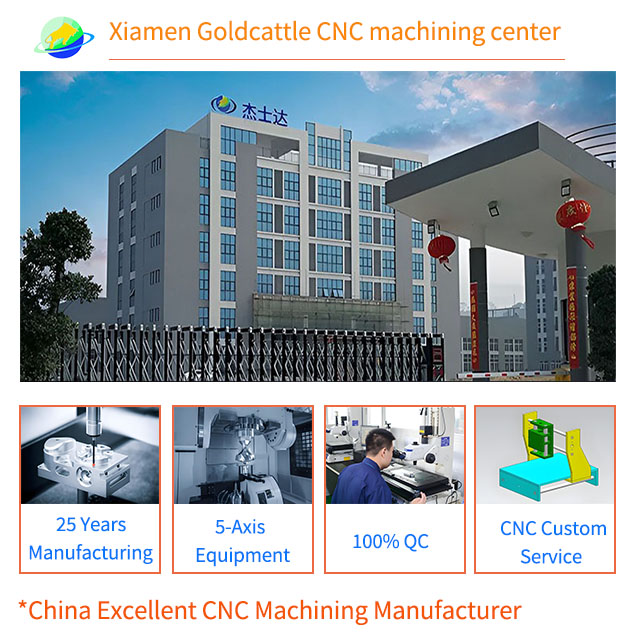
Xiamen Goldcattle Plastic & Metal Products Co., Ltd. — custom CNC machined parts since 1998.
Buyer FAQ: Custom CNC Machined Parts
The questions procurement and engineering teams ask most, answered directly.
What materials can you machine for custom CNC parts?
Primarily aluminum, stainless steel and brass, with other alloys available on request. The grade is matched to your function, environment and budget before production.
What is the difference between CNC turning and milling?
Turning spins the part against a stationary tool for round bodies; milling moves a spinning tool against a fixed part for flat or prismatic shapes. Many parts combine both.
What tolerance can you hold on machined parts?
Around ±0.01 mm is typical, with ±0.005 mm reachable on qualified features called out on the drawing. Tolerance is defined per part, not assumed.
What file format should I send for a quote?
A 3D model (STEP, IGES or SLDPRT) plus a 2D drawing with critical dimensions and tolerances. The drawing is what tells us which features must be tight.
Do you review manufacturability before quoting?
Yes. We run a DFM review first and return a manufacturability summary with the quote, so you know the risks before approving a number.
What is your MOQ for CNC machined parts?
Prototypes start at 1 piece. The economic minimum for series production depends on material and setup, and is stated in the quote.
What is the lead time from prototype to production?
Prototype typically 3–7 working days, low volume 7–20, mass production 15–25. The confirmed date depends on material, complexity and schedule.
Can you do 5-axis machining?
Yes. 5-axis holds complex angles in fewer setups, which protects accuracy on contoured or multi-face parts that would otherwise need several operations.
What surface finishes are available?
Per metal: anodizing, bead blast and powder coat on aluminum; passivation and electropolish on stainless; nickel or chrome plating on brass. As-machined is the baseline.
How do you control quality and what documents do you provide?
Runs follow ISO 9001:2015 with dimensional, FAI and in-process checks. Material certificates, RoHS report and other documents are available on request.
Are your parts certified to a quality standard?
Production runs under an ISO 9001:2015 quality system, with SGS, RoHS and Rmbond reports on file. Automotive, medical and aerospace work is handled to aligned process controls.
Do you machine to the drawing or to a generic standard?
To your drawing. We do not apply a blanket tolerance; critical values are agreed per feature at DFM and verified against the stated dimensions.
Can you handle both prototype and production volumes?
Yes. One supplier from a single prototype through series runs, with consistent process and documentation across the program.
How should I specify tight tolerances and GD&T?
Mark them on the 2D drawing with a clear datum scheme. Call out only the features that must be tight; looser ones keep cost and cycle time down.
How do I request a quote and what is needed?
Send the 3D model, 2D drawing, material, finish, quantity and any certs needed. We return a manufacturability summary and a quote, usually within one working day.
Request a CNC Machined Parts Quote
Send your 3D CAD model and drawing. Our engineers return a manufacturability review and a quote, usually within one working day.
Include the following in your request:
- 3D model (STEP / IGES / SLDPRT)
- 2D drawing with critical dims
- Material & grade
- Surface finish
- Quantity & volume
- Required documents
Xiamen Goldcattle Plastic & Metal Products Co., Ltd. — custom CNC machined aluminum, stainless steel & brass parts since 1998.