

Custom Tile Spacers | Cross, T & Y | OEM/Wholesale
Place of Origin : XiaMen, China
Brand : JSD
Model : IM-16
Product Name : Valve Parts
Material : ABS/PA66/PP/PC/PMMA/PSU/PCTG
Surface treatment : No burrs, lack of glue, shrinkage holes, weld marks and other obvious injection defects, uniform color, good appearance, smooth gate processing
Application : Machinery
Service : Customized
Quality Control : 100% Inspection
Drawing format : PDF/CAD/3D
Description
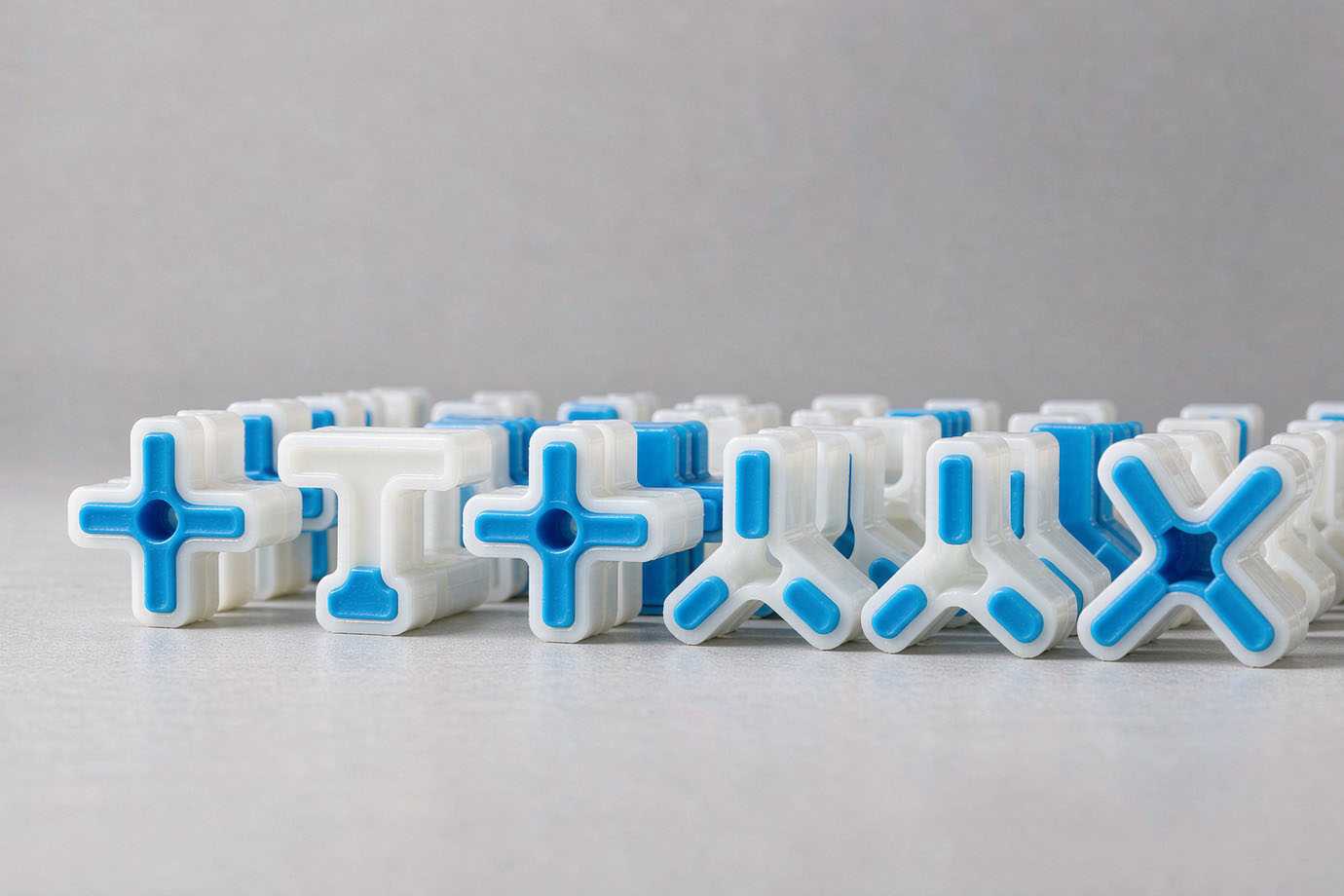
Custom Plastic Tile Spacers for OEM and Wholesale Supply
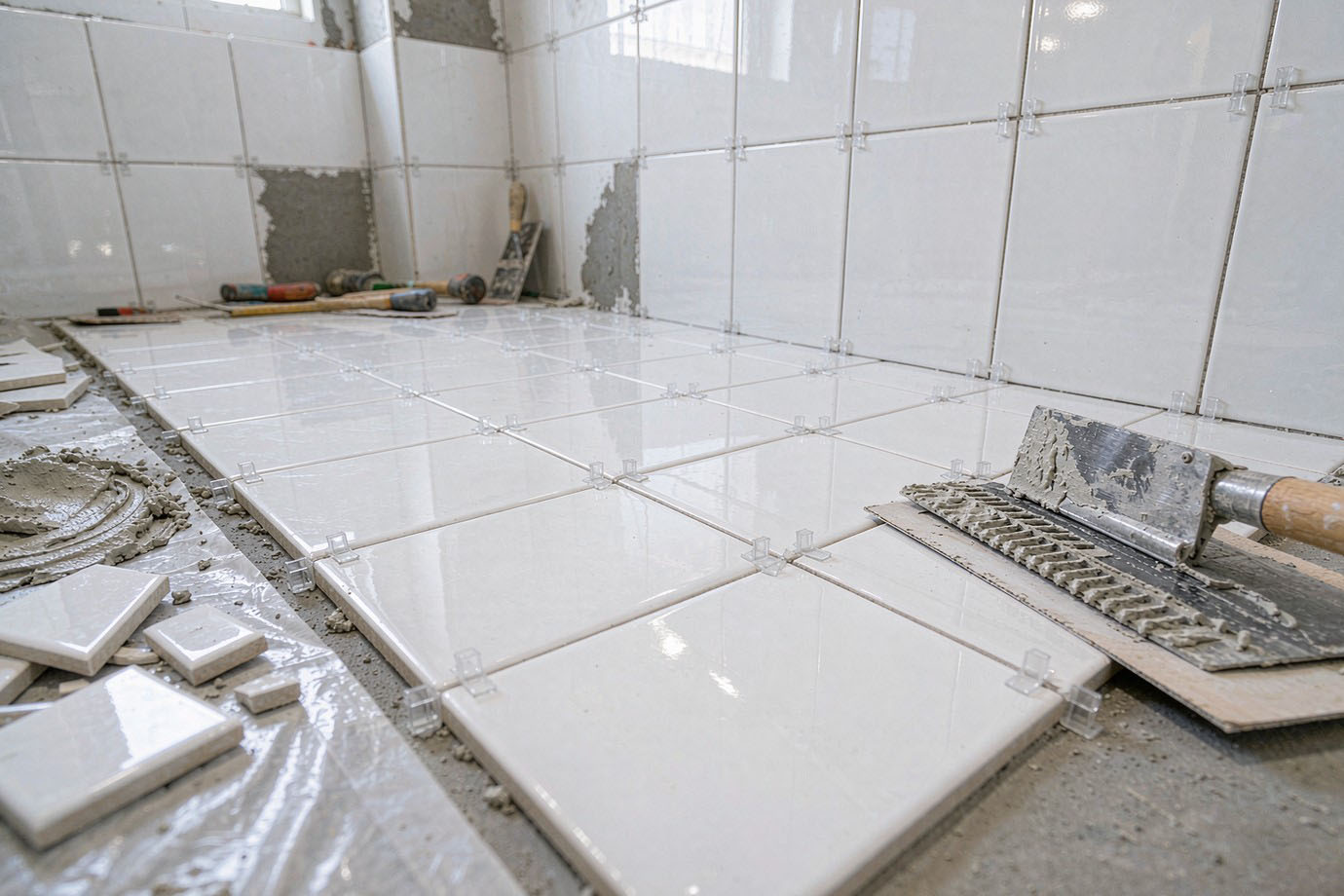
Cross, T and Y joint-width spacers molded to your specification — the small part that keeps every grout line consistent across a floor or wall installation.
- Joint width1.0 – 10.0 mm (common)
- ShapesCross · T · Y / L · straight
- MaterialRigid PP / PE (grade per project)
- SupplyOEM · wholesale · private label
What these spacers are for
A plastic tile spacer is a small, injection-molded cross, T or Y piece that sits at the corner where tiles meet. While the thin-set or adhesive cures, it holds the tiles apart at a fixed distance, so every grout joint ends up the same width. That consistency is what gives a tiled surface its finished, even look — and it is far more reliable than eyeballing spacing by hand.
We supply these as a standard accessory and as a fully customized OEM component. Tile brands, building-material importers, wholesalers, distributors and private-label buyers use our spacers either as a stocked consumable or as a branded part of their own tile-installation system. Because we run the molds in-house, color, joint width, shape and packaging are all adjustable to your program.
Models & dimensions
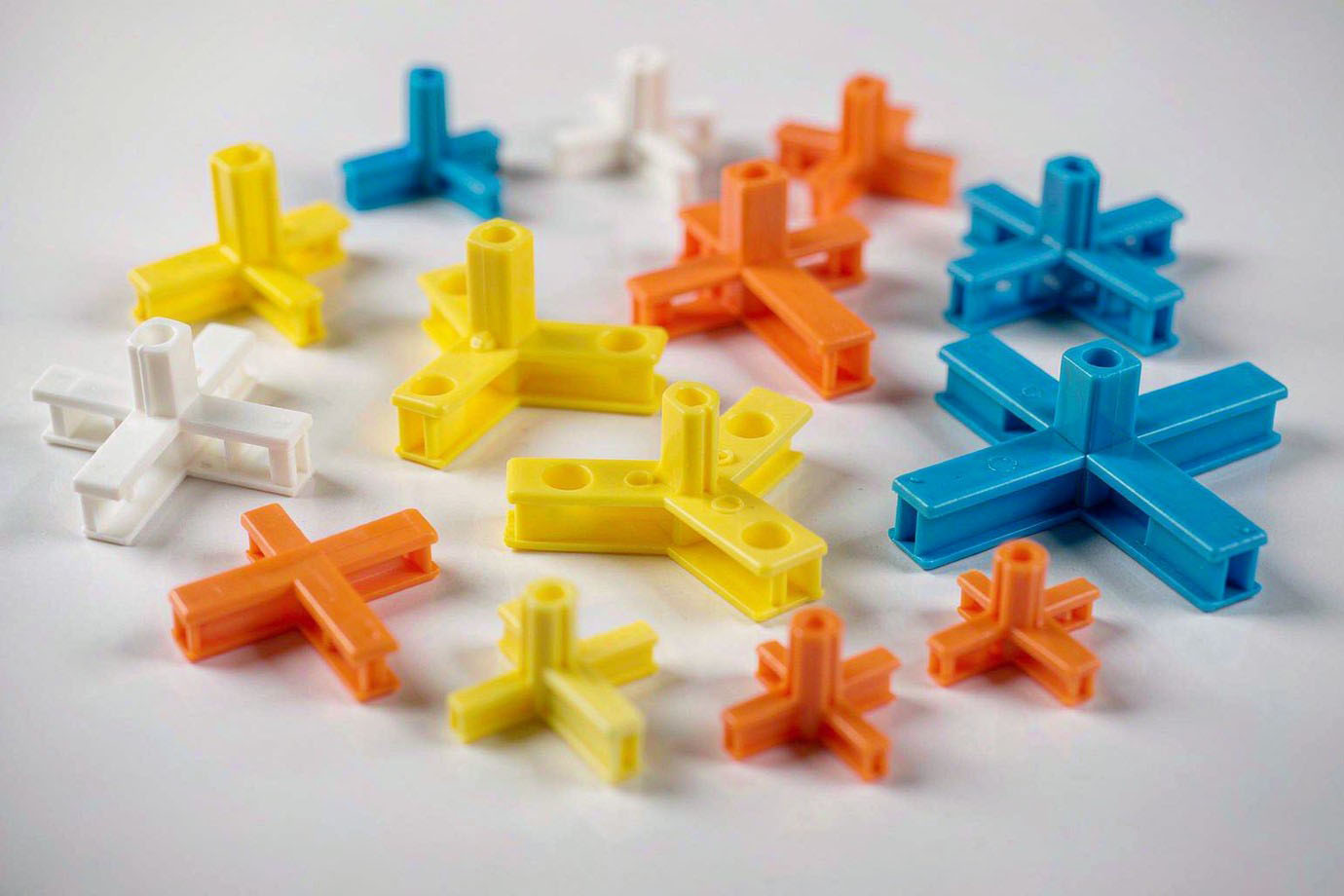
Most programs start from one of the standard shapes below. The joint width is the distance the spacer holds between two tiles; pick the value that matches your tile and grout specification.
| Cross spacer (4-arm) | For the interior corner where four tiles meet. The most common shape for field tiling. |
|---|---|
| T spacer (3-arm) | For edges and perimeter runs where a tile meets two neighbours. |
| Y / L spacer | For three-way and border intersections in modular or patterned layouts. |
| Straight / border spacer | For expansion and perimeter joints along walls and fixed edges. |
| Joint width range | 1.0, 1.5, 2.0, 3.0, 4.0, 5.0, 6.0, 8.0 and 10.0 mm are common; other widths quoted to drawing. |
| Wall / floor use | Compatible with ceramic, porcelain, stone and glass tile installations using cementitious or dispersion adhesive. |
| Removal | Snap out after the adhesive has set; the joint is then ready for grout. |
Material selection
The spacer has to stay rigid while wet adhesive is pressed against it, then break or pull out cleanly once the joint is set. The two materials below cover the large majority of installation conditions.
Rigid & stiff
The default choice for thin, precise spacers. Holds shape under adhesive pressure and snaps out cleanly. Resists water and cementitious grout.
Tougher & flexible
Slightly more flexible than PP, useful where a small amount of give is preferred for easier removal on larger formats.
Standard or matched
White and high-visibility orange/blue as stock; any brand color matched for OEM and private-label programs.
Per project
Soft/flexible variants, UV-stable or recycled-content compounds quoted on request and confirmed against your use case.
Injection molding & quality
A tile spacer is a high-volume, low-cost part where consistency is everything: every piece in a bag has to be the same width and the same thickness, or the joints drift. That is why molding discipline matters more than the part's simplicity suggests.
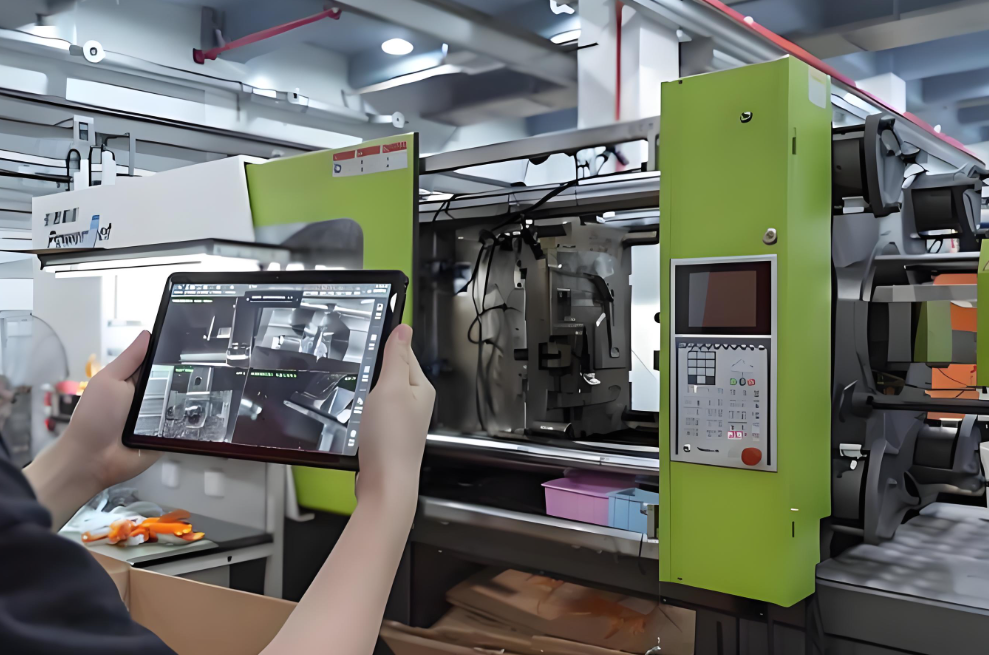
- Multi-cavity steel tooling sized to your volume for stable cycle times and unit cost.
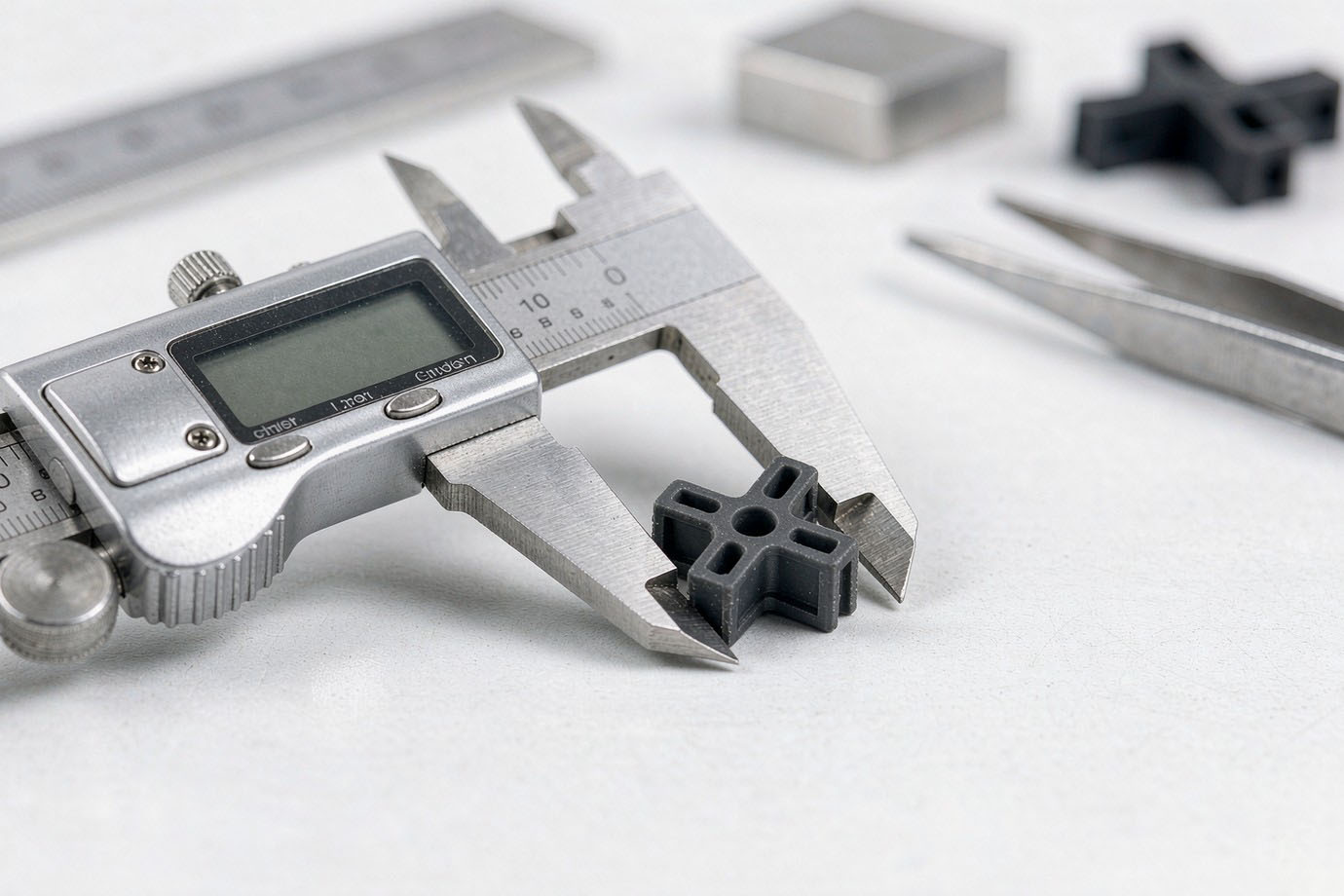
- Joint-width and arm-thickness dimensions checked per batch against the approved sample.
- Material verified to the confirmed grade; certificates provided on request.
- Color matched to the approved master for OEM and private-label runs.
- All production under the ISO 9001:2015 quality system; 100+ machines across six processes.
OEM customization & tooling
If you sell under your own brand, or you have a proprietary spacing or leveling concept, the spacer becomes a custom molded component rather than a commodity. We manage the tool and the part together.
To your drawing
Custom cross / T / Y geometry, non-standard joint widths, and proprietary profiles for your own installation system.
Color & logo
Brand-color matching and logo or mark embossing on the part or on the packaging.
Bag, box, bulk
Polybag with header card, branded carton, or bulk sack — with your artwork and barcode as required.
In-house mold
Mold designed and maintained by our own tooling team; cavity count set to your volume and unit-cost target.
MOQ, packaging & supply
We supply both ready-made stock configurations and fully custom programs, so the minimum order and packaging depend on which route you take.
| Standard configurations | Low per-bag or per-box minimum; shipped from existing tooling. |
|---|---|
| Custom color / logo | Higher minimum tied to a custom run; quoted per project. |
| Custom tooling | Minimum set by mold cavity count and run size; quoted per project. |
| Packaging | Polybag, branded carton or bulk sack with your artwork and barcode. |
| Supply model | OEM, wholesale and private-label; container or LCL shipment worldwide. |
| Lead time | Standard items from existing stock tooling; custom items after sample approval, confirmed in quote. |
Frequently asked questions
What are plastic tile spacers used for?
What joint widths and shapes do you offer?
What material are the spacers made from?
Can you produce custom colors, logos and joint widths?
What is the minimum order quantity?
Do you provide samples before a bulk order?
Related capabilities
Injection Molding Services
Full overview of our molding, materials and volume capability.
Start your spacer program
Send your shape, joint width and volume, and we will return a molding and tooling quote with sample and lead-time details. From standard stock spacers to a fully branded OEM component.
Request a Quote Review full molding capabilitiesXiamen Goldcattle Plastic & Metal Products Co., Ltd. — Founded in 1998 · ISO 9001:2015 certified · Customers in 100+ countries.