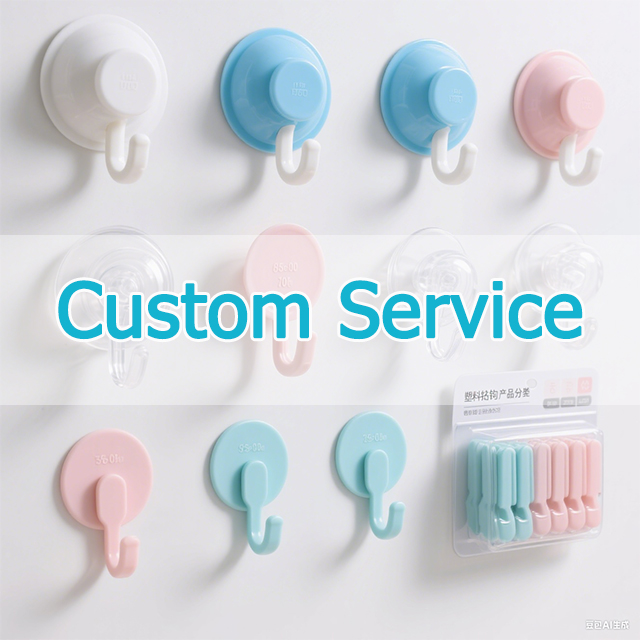
Custom Dual-Component Suction Cup Hooks | OEM
|
Attribute
|
Details
|
|
Product Name
|
Custom Strong Non-marking Plastic Suction Cup Hook
|
|
Material
|
High-strength Engineering Plastic
|
|
Product Type
|
Injection Molded Suction Cup Hook
|
|
Key Features
|
Non-marking, Punch-free, Strong Adsorption
|
|
Application Scenarios
|
Home, Bathroom, Kitchen, Office
|
|
Craft Process
|
Precision Injection Molding / Custom Surface Treatment
|
Description
Custom Injection-Molded Plastic Suction Cup Hooks
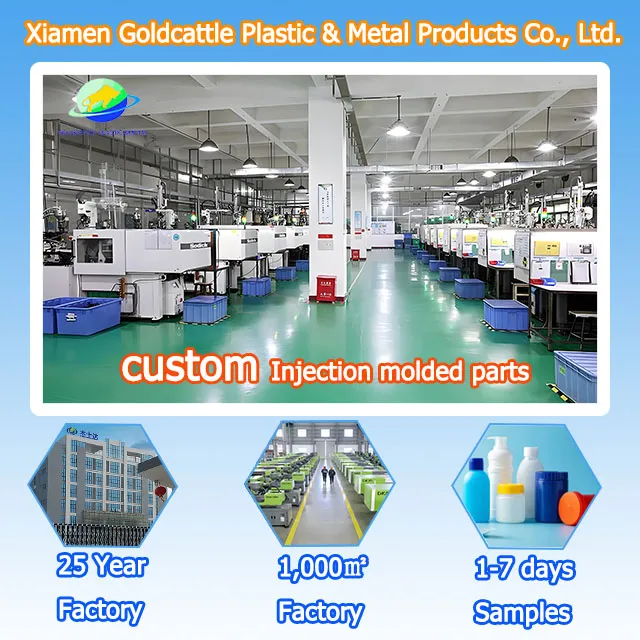
Xiamen Goldcattle Plastic & Metal Products Co., Ltd. manufactures custom plastic suction cup hooks from your drawings, material requirements and order specifications. The soft suction cup and the rigid hook are treated as two separate components with two material families, reviewed together for fit, function and surface performance before tooling.
- ProcessCustom injection molding + assembly (build-to-print)
- Prototype / MOQPrototype from 1 piece
- Quality systemISO 9001:2015 certified
- EstablishedFounded in 1998
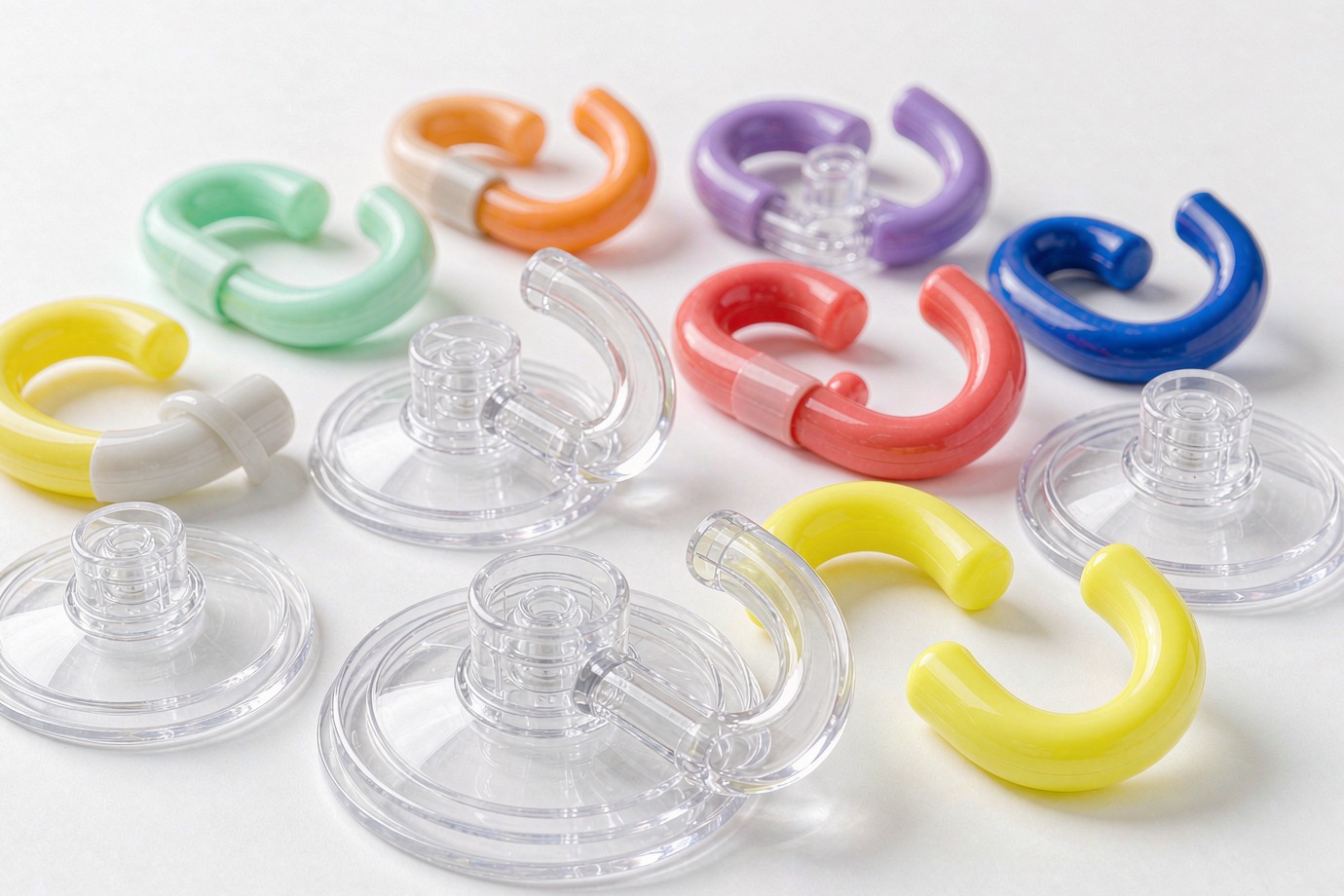
A Build-to-Print Component, Not a Catalog Commodity
A suction cup hook looks simple, but it is a two-part assembly with two sets of requirements. We do not sell a fixed catalog item; we make the part to your specification. You decide the cup material, the hook material, the size, the colour, the branding and the packaging. We review the combination for moldability, function and the surface it will be used on, then build the tooling and production around it.
| Attribute | What you specify |
|---|---|
| Process | Custom injection molding + assembly (build-to-print) |
| Cup material | PVC / TPE / TPU / Silicone, chosen for the surface and duty |
| Hook material | ABS / PP / PA, chosen for rigidity and appearance |
| Size | From your 2D drawing or 3D model |
| Colour | Matched to a standard or supplied sample |
| Surface | The surface it mounts on, used for the grip review |
| MOQ | Prototype from 1 piece; production scoped from volume |
- What you control: cup material and hardness feel, hook material and shape, overall size, colour and finish.
- What you add: your brand, part number, retail or industrial packaging, and any combined sets.
- What we confirm: moldability, the join between the two parts, and the surface performance before production release.
If the cup and hook materials are not yet decided, tell us the intended use and the surface. We can recommend a starting combination and review it with you before tooling is committed.
Who Sources Custom Suction Cup Hooks
We supply these as components, not as finished consumer goods. The buyers who usually contact us fall into a few clear groups.
Home & organisation brands
Private-label programs that need a consistent part, their own colour and packaging, and reliable repeat supply.
Hardware & cleaning suppliers
Distributors who specify the cup and hook combination, the pack size and the documentation for their market.
Contract manufacturers
Buyers who fold the hook into a larger kit or product and need it built to their drawing and quality plan.
Household & cleaning OEMs
Brands that use the hook inside their own product or bundle and need material and finish matched to the program.
Temporary-mount OEMs
Applications that need a non-mark, removable hold on smooth surfaces as part of equipment or fixtures.
Care & cleanroom buyers
Programs where a silicone cup and specific documentation are required for sensitive environments.
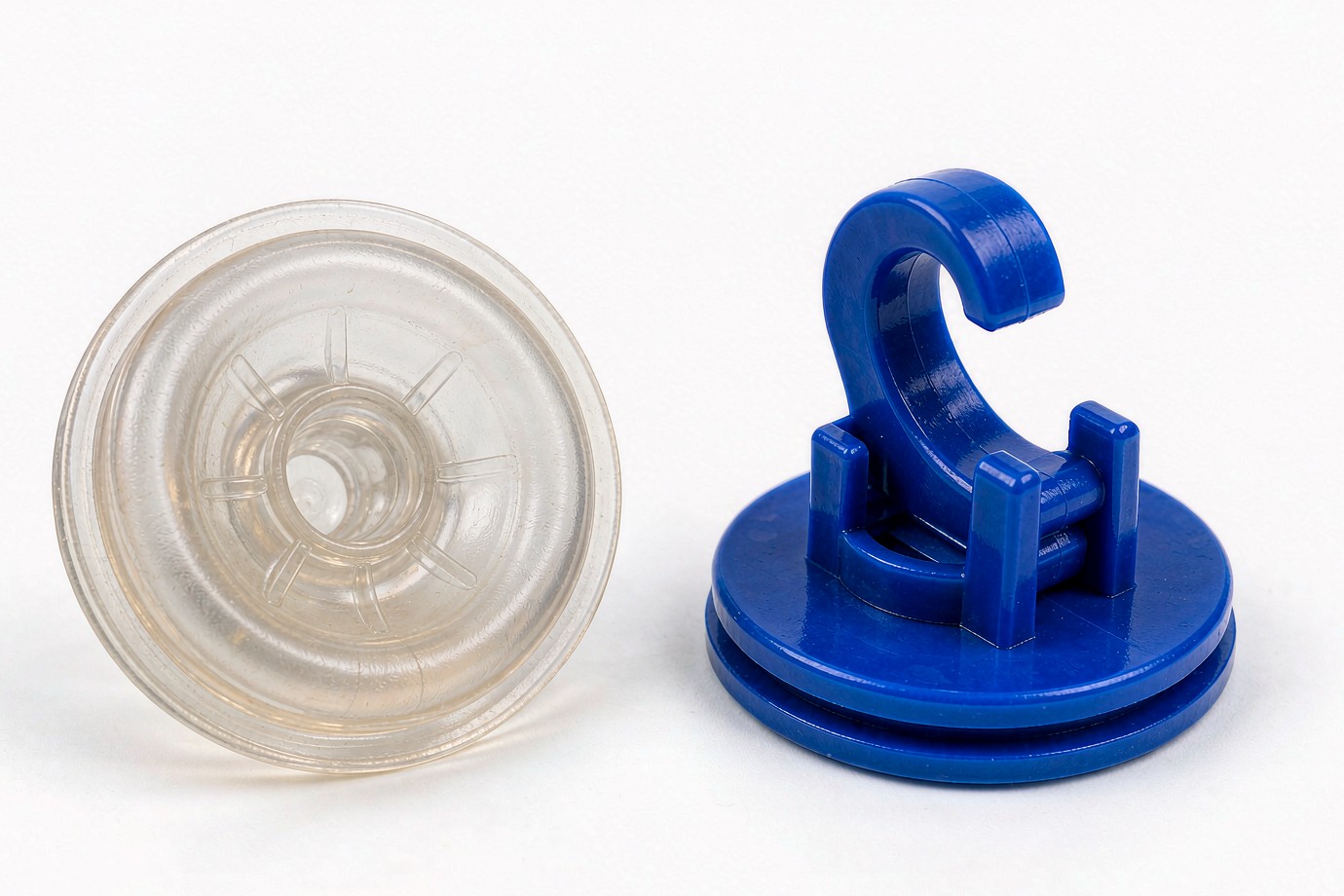
Two Parts, Two Material Families
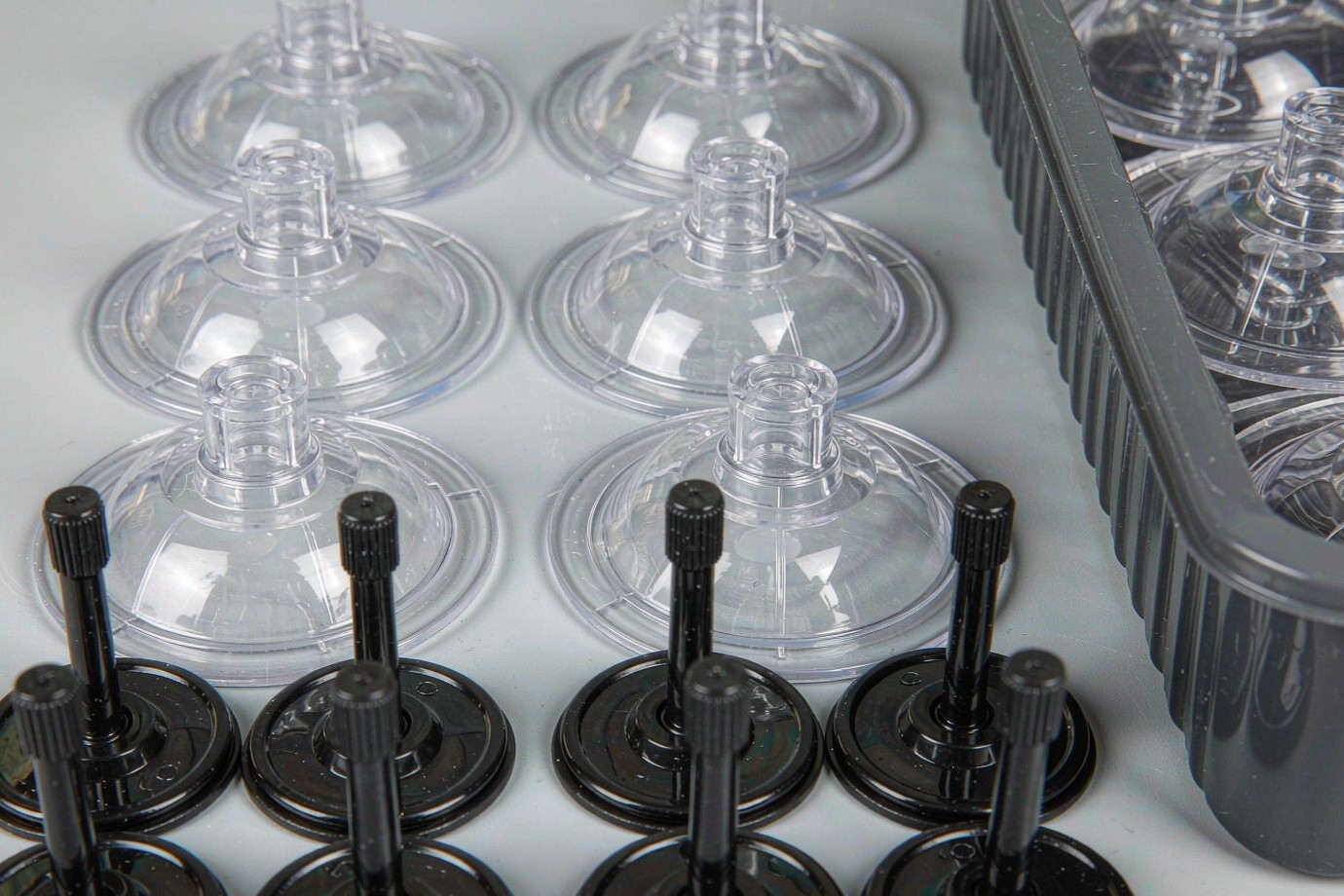
The suction cup and the hook do different jobs, so they are usually made from different plastics. The cup must stay soft and flexible to form a seal against a smooth surface; the hook must stay rigid to hold the item. They are molded separately and joined in assembly, which lets each part be specified for its own function rather than compromised into one material.
| Soft cup materials | Selection direction, and what must be confirmed |
|---|---|
| PVC | Cost-effective general use with a soft feel — confirm clarity, flex life and temperature range. |
| TPE | Soft, elastic and easy to overmold or bond — confirm hardness feel, tear resistance and bonding to the hook. |
| TPU | Higher tear and abrasion resistance for demanding duty — confirm hardness, clarity and processing. |
| Silicone | Heat, skin and cleanroom suitability where required — confirm grade, colour and documentation. |
| Rigid hook materials | Selection direction, and what must be confirmed |
| ABS | Rigid, smooth and good-looking hook — confirm colour, gloss and impact for the duty. |
| PP | Light, chemical-resistant and low-cost — confirm stiffness and surface finish. |
| PA (Nylon) | Higher strength and toughness — confirm moisture conditioning and dimensional stability. |
For a broader material reference, see our materials page.
How the Suction Grip Performs
A suction cup holds by forming a seal against a smooth, non-porous surface and keeping the air pressure on the sealed side lower than the outside. For a hook, the useful outcome is a removable, non-mark hold on a suitable surface. Several conditions decide whether that works in practice.
- Surface: smooth, non-porous and clean surfaces (glass, glazed tile, polished metal) give the best seal; textured or porous surfaces do not.
- Load: the hold is shared between cup size and how the load pulls; a straight pull performs differently from a peeling load.
- Temperature and humidity: heat, cold and sustained humidity change how the cup stays sealed over time.
- Time: a grip that is fine for hours may need re-seating if left mounted for a long period.
Load and Holding Considerations
The honest answer to "how much can it hold" is "it depends, and we confirm it with you." Rather than quote a single figure, we scope the requirement from the application. The table shows the factors we ask about and why each matters.
| Factor | Why it matters for the hold |
|---|---|
| Cup size | Larger sealed area generally supports more holding force; size is set by the part and the surface. |
| Cup material | Softer, better-sealing materials perform differently from stiffer ones on the same surface. |
| Surface type | Smooth, non-porous and clean surfaces seal; textured or porous surfaces do not. |
| Load direction | A direct pull and a peeling or twisting load behave differently for the same cup. |
| Environment | Temperature, humidity and exposure time change how long the seal holds. |
Tell us the surface, the item and how long it must stay mounted, and we will review a suitable cup size and material combination for evaluation rather than guess a generic number.
Customization Options
Because the part is built to your drawing, most attributes are open to specification. The common options are below; if you need something not listed, include it in the request.
- Size and shape: cup diameter, hook reach and overall profile from your drawing.
- Colour: matched to a standard or specified colour for the cup, the hook or both.
- Cup and hook materials: chosen separately for function, cost and appearance.
- Branding and packaging: your mark, part number, and retail or bulk pack as required.
- Combined sets: matched cup and hook families, or the hook supplied as part of a larger kit.
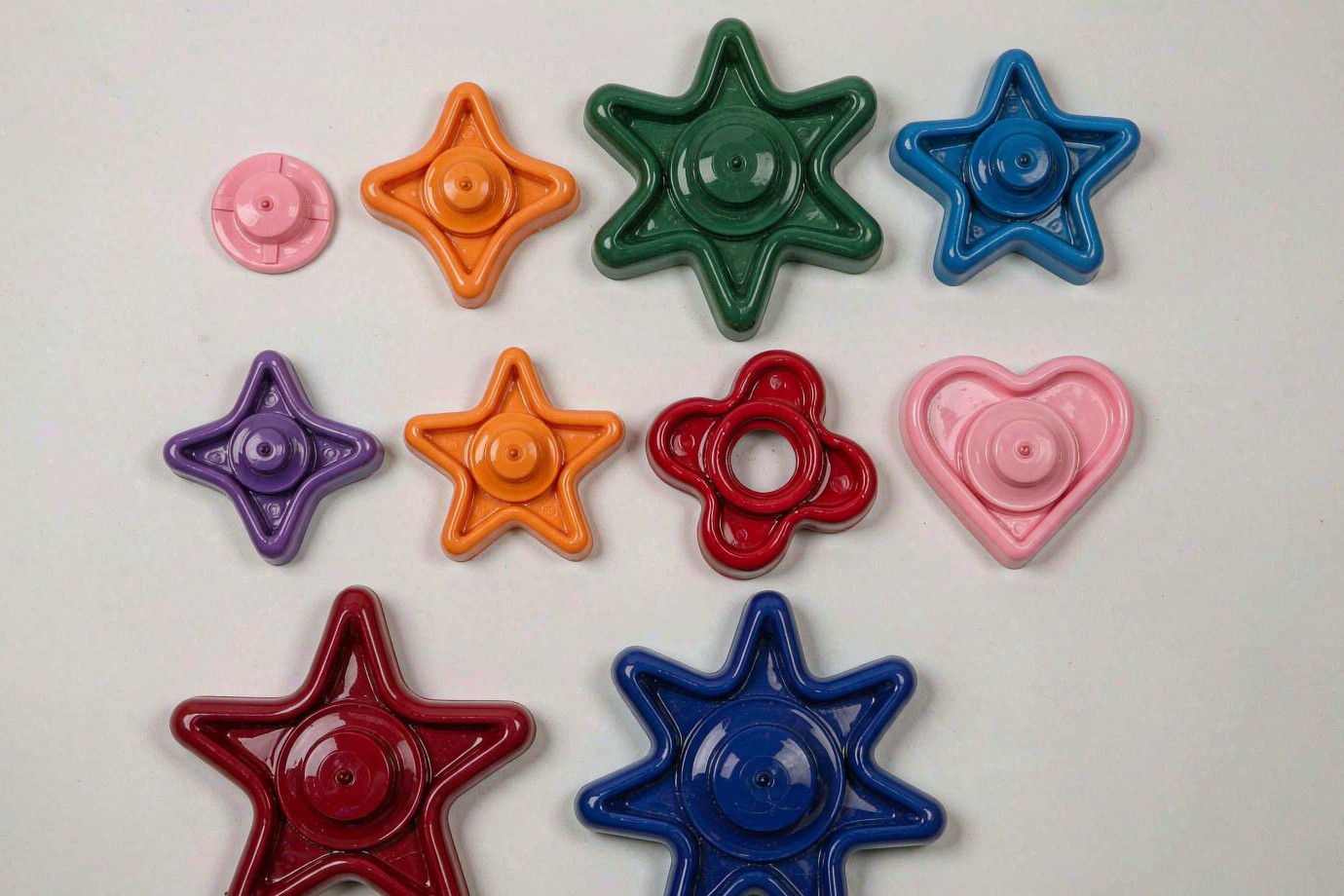
From Drawing to Finished Hooks
The same path applies whether the cup and hook are simple or detailed. Because the two parts use different materials, they are molded separately and joined in assembly — which is why tooling and assembly are listed as distinct steps.
Requirement review
Review the drawing, cup and hook materials, quantities, colour, surface and application.
Design & DFM
Review moldability, the cup-to-hook join, wall thickness, draft and the assembly method.
Tooling
Build the mold or molds for the cup and the hook from the part design and volume.
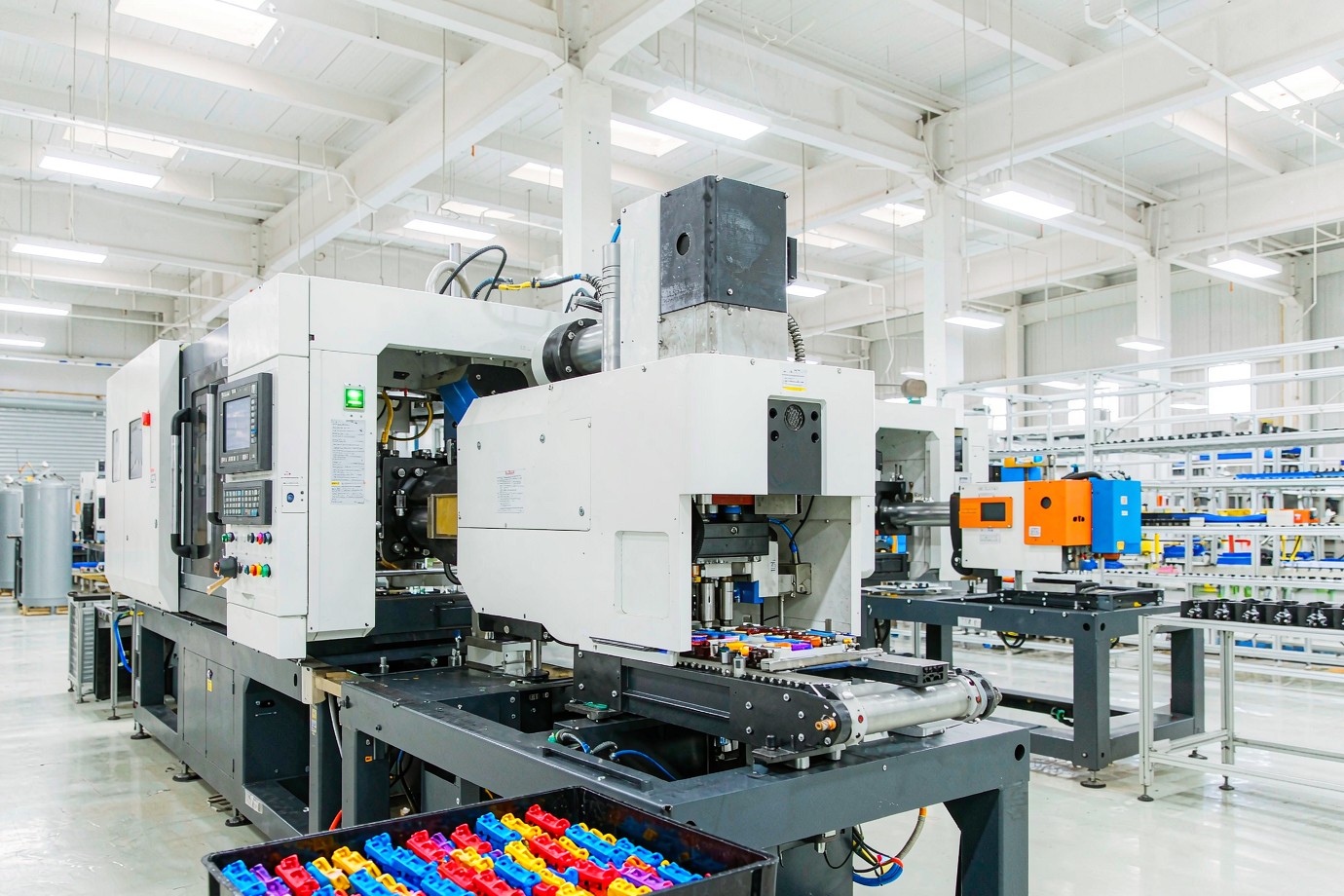
Molding
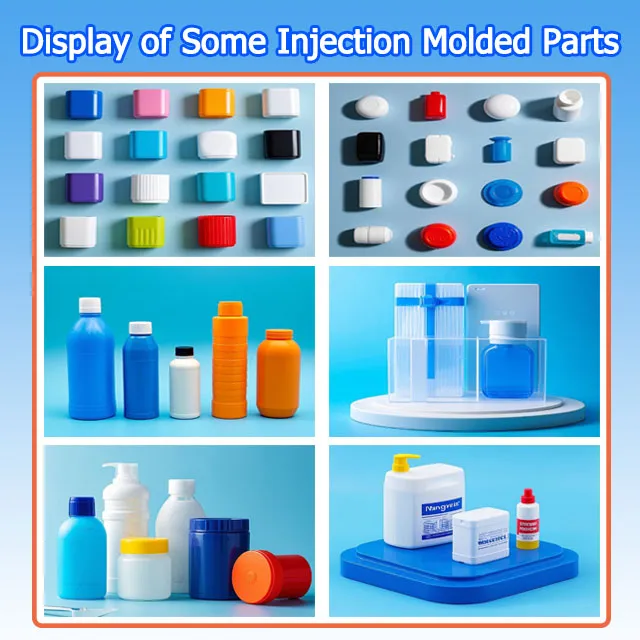
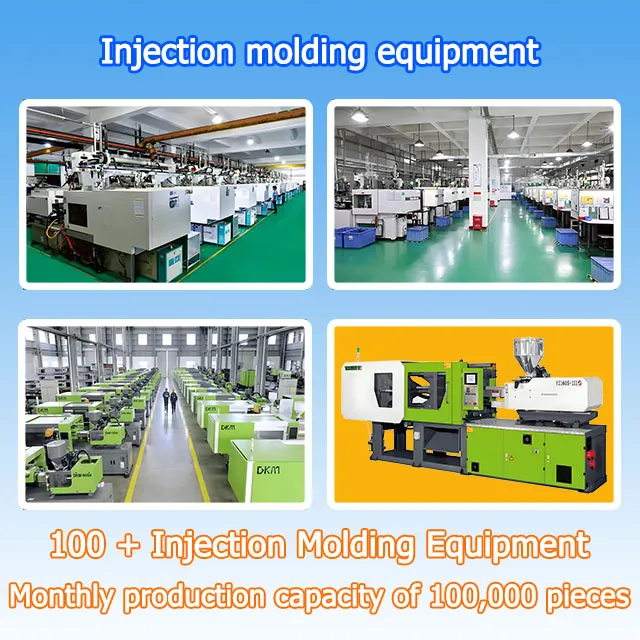
Mold the two parts separately in their respective materials on standard injection equipment.
Assembly
Join the hook to the cup by the agreed method (snap, insert or bond) and check the interface.
QC & pack
Inspect to the agreed plan and pack to your retail or bulk requirement.
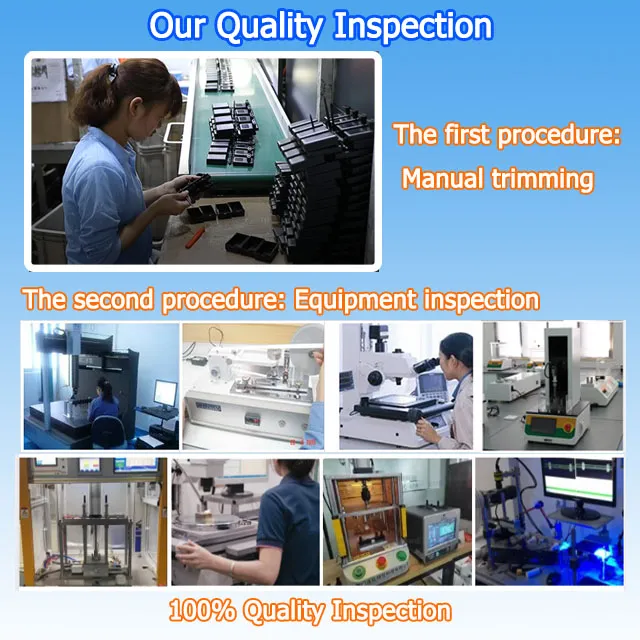
Quality Verification
The part is checked against your drawing and the agreed acceptance plan, not against a single general claim. For a two-part assembly, both the individual parts and the joined interface are part of the check.
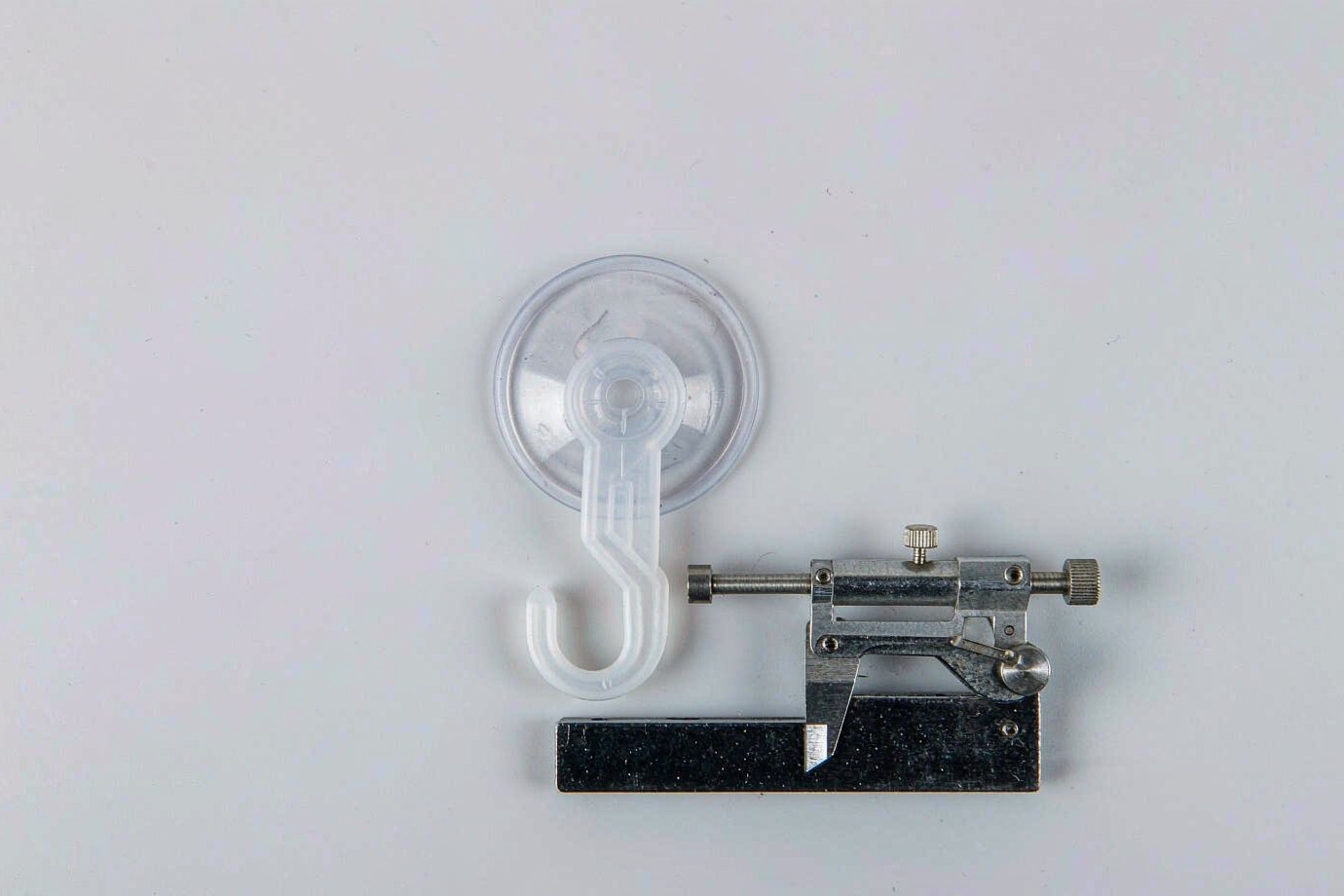
- Dimensional inspection of specified features on the cup and the hook.
- Visual inspection for flash, sink marks, warpage and surface defects.
- Material identification or material documentation where required.
- Interface check of the assembled cup-to-hook join.
- Functional grip or hold check against the agreed surface and load where specified.
Where They Are Used
The same basic part serves many settings once the cup material, size and surface are matched to the job. Common application groups are below.
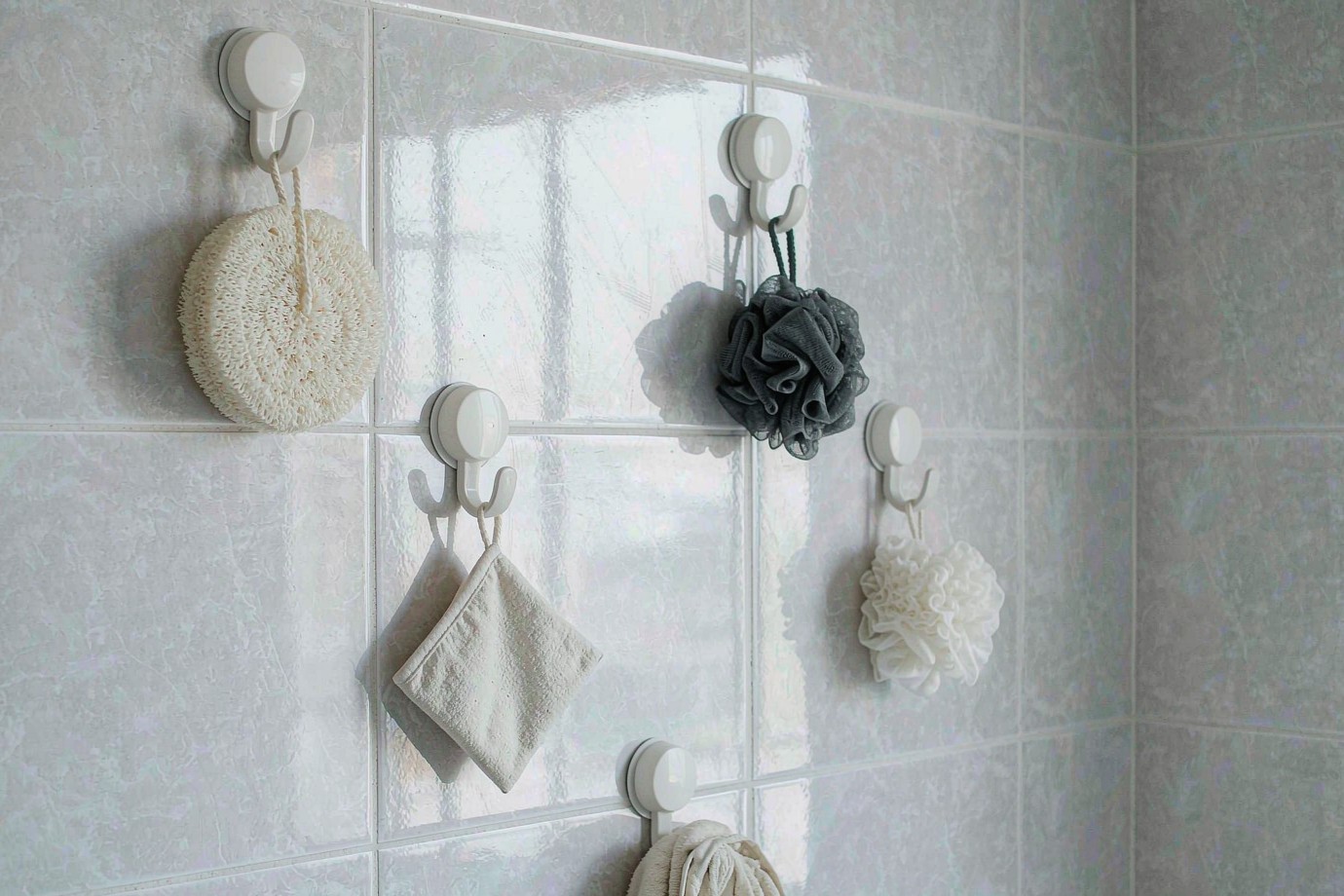
- Bathroom and kitchen: on glazed tile or glass for lightweight daily items.
- Retail and display: as a hook component inside merchandising or fixture programs.
- Trade and industrial: temporary, non-mark mounting on smooth equipment or panels.
- Care and cleanroom: silicone-cup variants where the environment requires a suitable grade.
- Household products: built into or bundled with larger consumer and cleaning products.
Request a Custom Quote
To evaluate your project, please provide as much of the following as is available. If some specifications are not finalised, submit what you have and note the open questions — the project can be reviewed to determine what else is needed before tooling.
| Drawing & 3D model | STEP, IGES, DWG or PDF with dimensions for the cup and the hook |
|---|---|
| Cup & hook material | Existing grade, or intended function and material preference |
| Size & colour | Overall dimensions, cup diameter and colour target |
| Surface & use | The surface the hook mounts on and the item it will hold |
| Volume | Sample quantity and expected production volume |
| Environment | Temperature, humidity and how long it stays mounted |
| Branding & pack | Marking, part number and retail or bulk packaging |
| Documents | Required inspection or material documents |
For the broader injection-molding capability and quoting route, see our quote page and our injection molding services page.
FAQ
What information is needed to quote custom suction cup hooks?
Why are the suction cup and the hook made from different materials?
Which plastic is best for the suction cup?
Which plastic is best for the hook?
Will the hook mark or damage the surface?
How much weight can a suction cup hook hold?
Can suction cup hooks be used in wet or humid areas?
Can Goldcattle make hooks to our drawing and brand?
What is the minimum order quantity?
How are the parts inspected?
Ready to review your custom suction cup hook?
Send the drawing and the surface the hook will mount on. We will return an engineering review and a tooling-and-unit-cost estimate scoped to your part — not a one-size-fits-all number.
Request a Custom Quote Explore all injection molding servicesXiamen Goldcattle Plastic & Metal Products Co., Ltd. — Founded in 1998 · ISO 9001:2015 certified · OEM/ODM build-to-print.