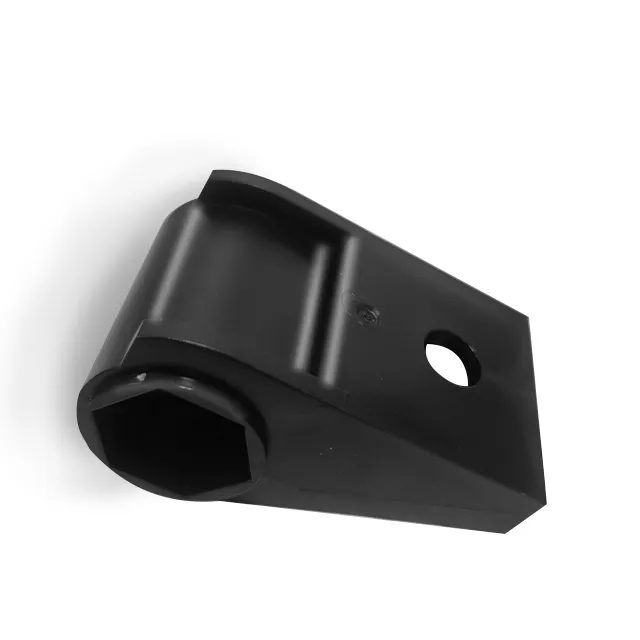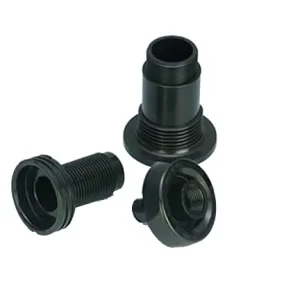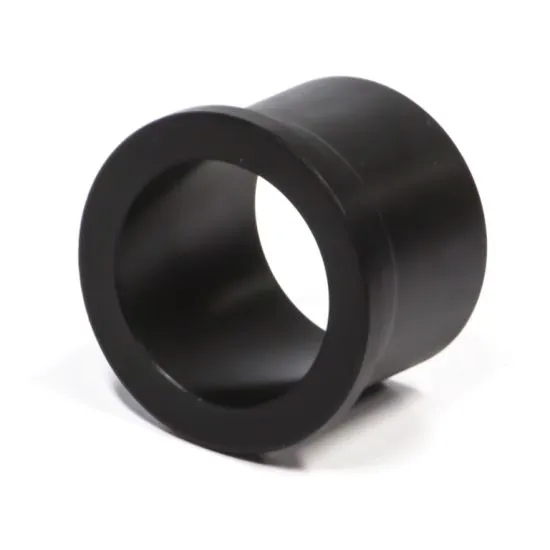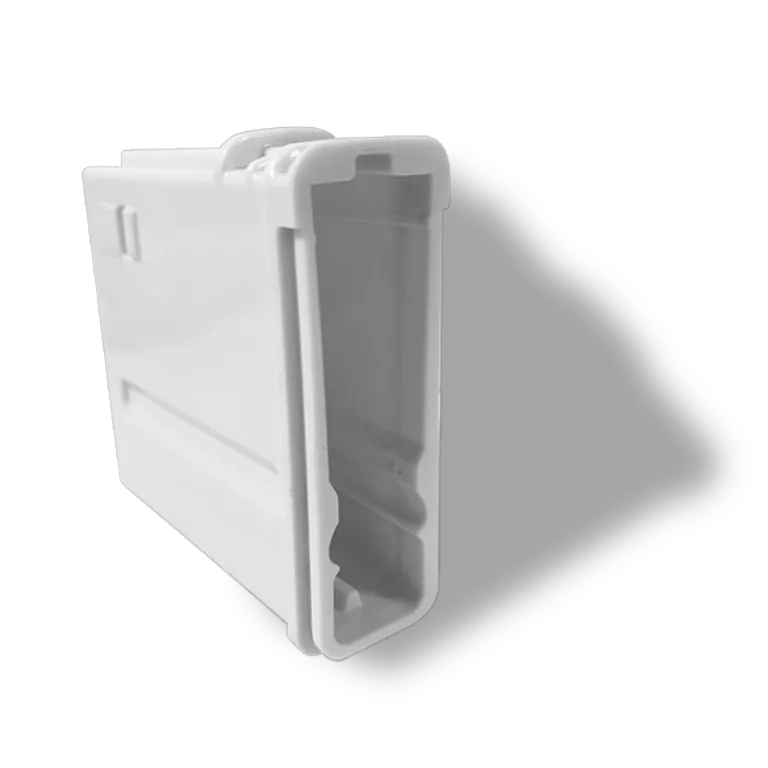


Custom PP Injection Molding Parts
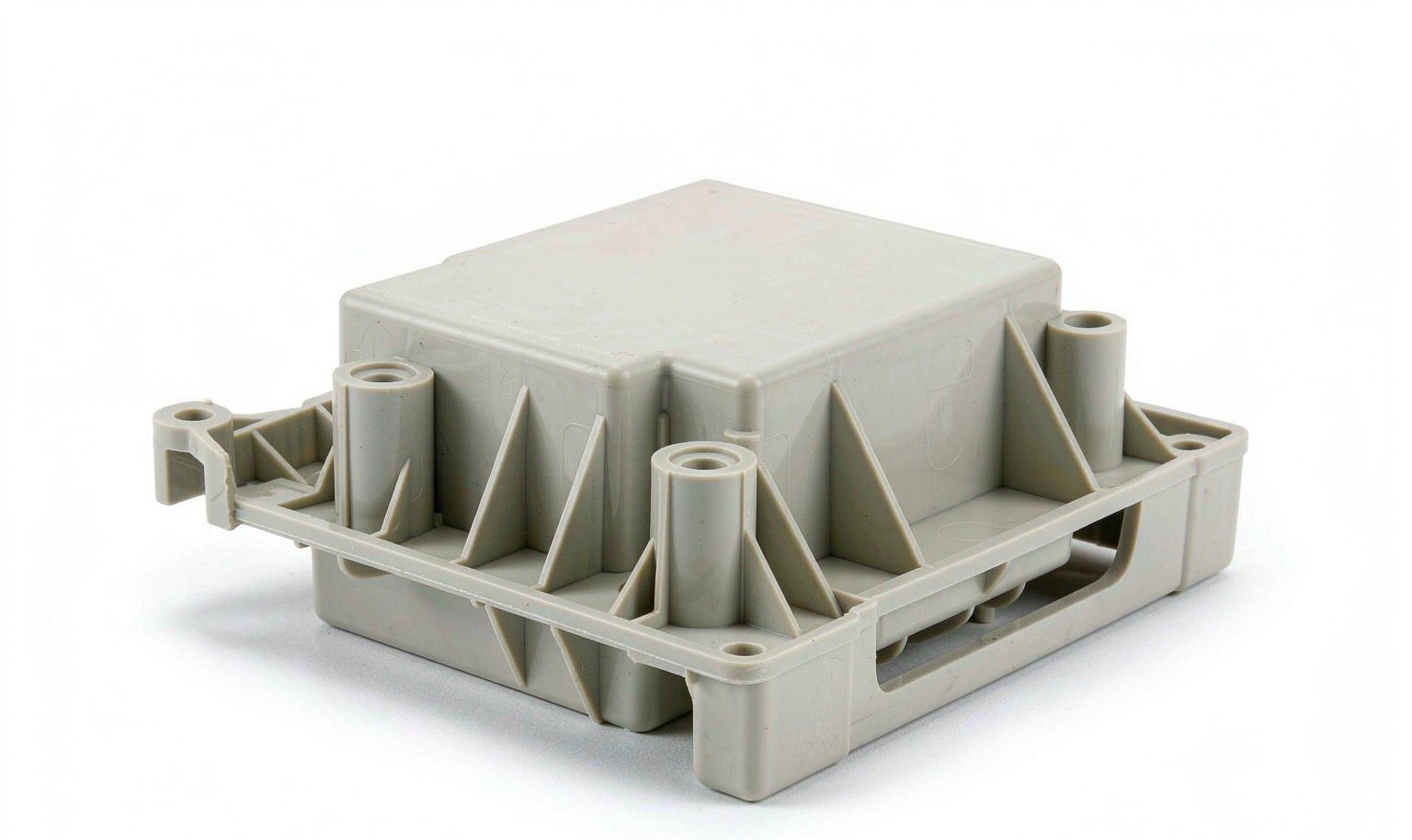
Product name : Injection Molding Parts
Place of Origin : XiaMen, China
Brand Name : JSD
Model Number : PP-04
Color : Customized Color
Size : Customized
Sample : Provided Freely
Logo : Custom Logo
Shape : Customized
Service : OEM ODM Customized
Description
PP-04 · Custom Injection Molded Component
Custom PP Injection Molded Parts
A custom polypropylene part molded to your drawing — in the PP grade, size, color, and features you specify. Send a 3D model and drawing; we review the design, build the tooling, mold the parts, and inspect them to your tolerances under one ISO 9001:2015 system.
- In-house tooling & molding
- MOQ 1 piece
- Founded in 1998
- ISO 9001:2015
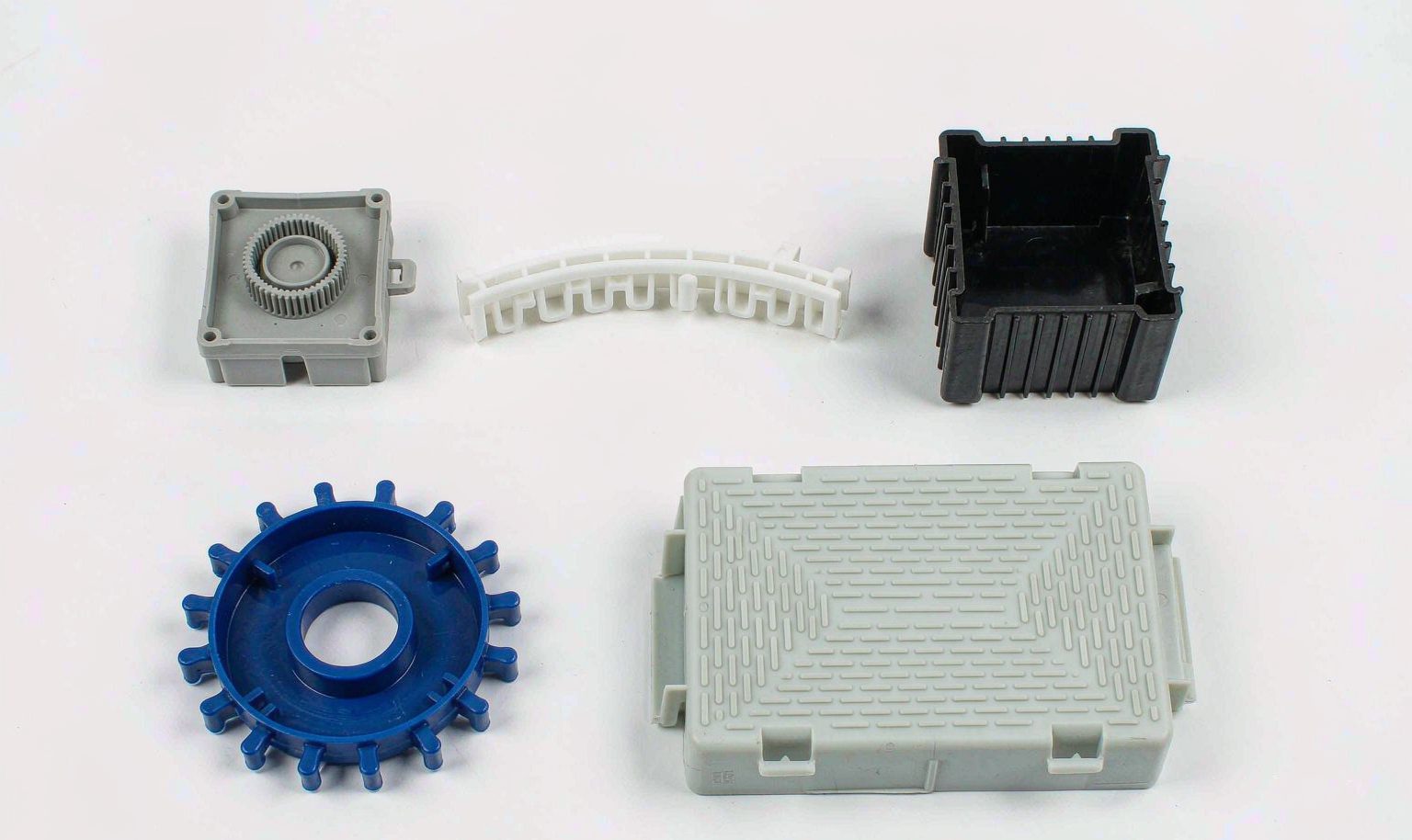
- PPHomopolymer, copolymer, or filled
- 0.8–4 mmTypical molded wall thickness
- ±0.1–0.2 mmTypical tolerance on critical features
- 1 pcPrototype minimum order
- 3–7 daysPrototype lead time
PP-04 Product Snapshot
Part-level specification for a custom PP component. Every line is confirmed against your drawing before tooling; values are typical for PP, not an approved specification.
- Product
- Custom injection-molded polypropylene component (model reference PP-04)
- Process
- Injection molding — tooling and molding in-house
- Material
- PP homopolymer, copolymer, or filled grade, per application
- Size
- Typically 10–400 mm, from small precision parts to large housings
- Wall thickness
- About 0.8–4 mm; uniform wall preferred
- Tolerances
- ±0.1–0.2 mm typical on critical features, confirmed per drawing
- Color
- Matched to your Pantone or RAL reference
- Documentation
- Resin lot certificate; RoHS / REACH or dimensional report on request
What Is PP-04?
PP-04 is a product/model reference, not a material grade. It identifies a specific custom polypropylene part; it does not describe the technical grade of polypropylene.
PP grades are defined by resin family and specification — homopolymer, copolymer, filled, or a named supplier grade — and the right one depends on the part's function, environment, and tolerances. Send a drawing and we confirm the PP-04 reference and select a grade with you.
Do not treat “PP-04” as a resin callout on your drawing; specify the resin family and grade so the material requirement is unambiguous.
From Drawing to Series PP Parts
Choosing the Right PP Grade for Your Part
PP is a family, not a single material. The grade drives stiffness, toughness, heat resistance, shrinkage, and appearance; selection is confirmed in the DFM review against your drawing.
| Grade | Key strengths | Typical use |
|---|---|---|
| Homopolymer PP | Highest stiffness and heat resistance; excellent chemical resistance | Rigid packaging, caps, appliance parts |
| Block copolymer PP | Better low-temperature toughness than homopolymer | Crates, containers, automotive trim |
| Random copolymer PP | Better clarity and flexibility | Clear packaging, thin-wall containers |
| Talc-filled PP | Higher stiffness, more stable shrinkage | Housings needing dimensional stability |
| Glass-filled PP | More strength, higher heat deflection | Structural, load-bearing parts |
| UV-stabilized PP | Additive package for outdoor weathering | Outdoor enclosures, garden parts |
Why Polypropylene?
PP is lightweight (about 0.90 g/cm³), resists most acids, bases, and solvents, and tolerates repeated flexing — the basis of an integral living hinge. It also has low friction, good electrical insulation, low cost, and can be steam-sterilized. For a housing, bracket, clip, lid, container, or hinge, that usually beats a costlier engineered resin on cost per part.
When Polypropylene May Not Fit
PP softens at relatively low continuous temperatures, is attacked by strong oxidizing acids and some aromatic or chlorinated solvents, and weathers only moderately unless UV-stabilized. It is also less stiff and strong than PA, POM, or PC, and can be hard to bond or paint. If your part needs high heat, high strength, or clarity, another resin usually fits better — we flag that in the DFM review rather than after tooling.
PP Properties That Affect Part Performance
Typical values for PP; they vary by grade, so confirm against the specific grade's data sheet.
| Property | Typical PP value | Design impact |
|---|---|---|
| Density | 0.90–0.91 g/cm³ | Lightweight parts |
| Tensile strength | About 30–40 MPa (homopolymer, datasheet) | Sufficient for most housings and closures |
| Stiffness | About 1.1–1.6 GPa | Add ribs or a filled grade for rigidity |
| Heat deflection | About 90–110 °C at low load | Not for sustained high-heat service |
| Molding shrinkage | About 1.0–2.5% | Compensated in the tool; drives warpage control |
| Chemical resistance | Excellent to most non-oxidizing media | Good with cleaners, oils, and many solvents |
Melt flow rate (melt flow index) sets how easily PP flows: a higher-flow grade fills thin walls and long paths but lowers toughness, while a lower-flow grade is stronger but needs more pressure. We match the flow grade to your wall section and flow length.
Design Guidelines for PP Injection-Molded Parts
- Keep the wall uniform, typically 1.5–3 mm; avoid thick-to-thin jumps that cause sink and warp.
- Add draft, commonly 0.5–2° per side, on every vertical face for clean ejection.
- Hold rib thickness near 50–60% of the adjoining wall and space ribs evenly.
- Support bosses with gussets and blend generous radii at internal corners.
- Design snap fits and living hinges in from the start — PP tolerates the flex.
- Avoid sharp internal corners and heavy sections that lengthen cycle time.
Send your 3D model and we return a DFM report listing wall, draft, radii, and gate changes before steel is cut.
Designing a PP Living Hinge
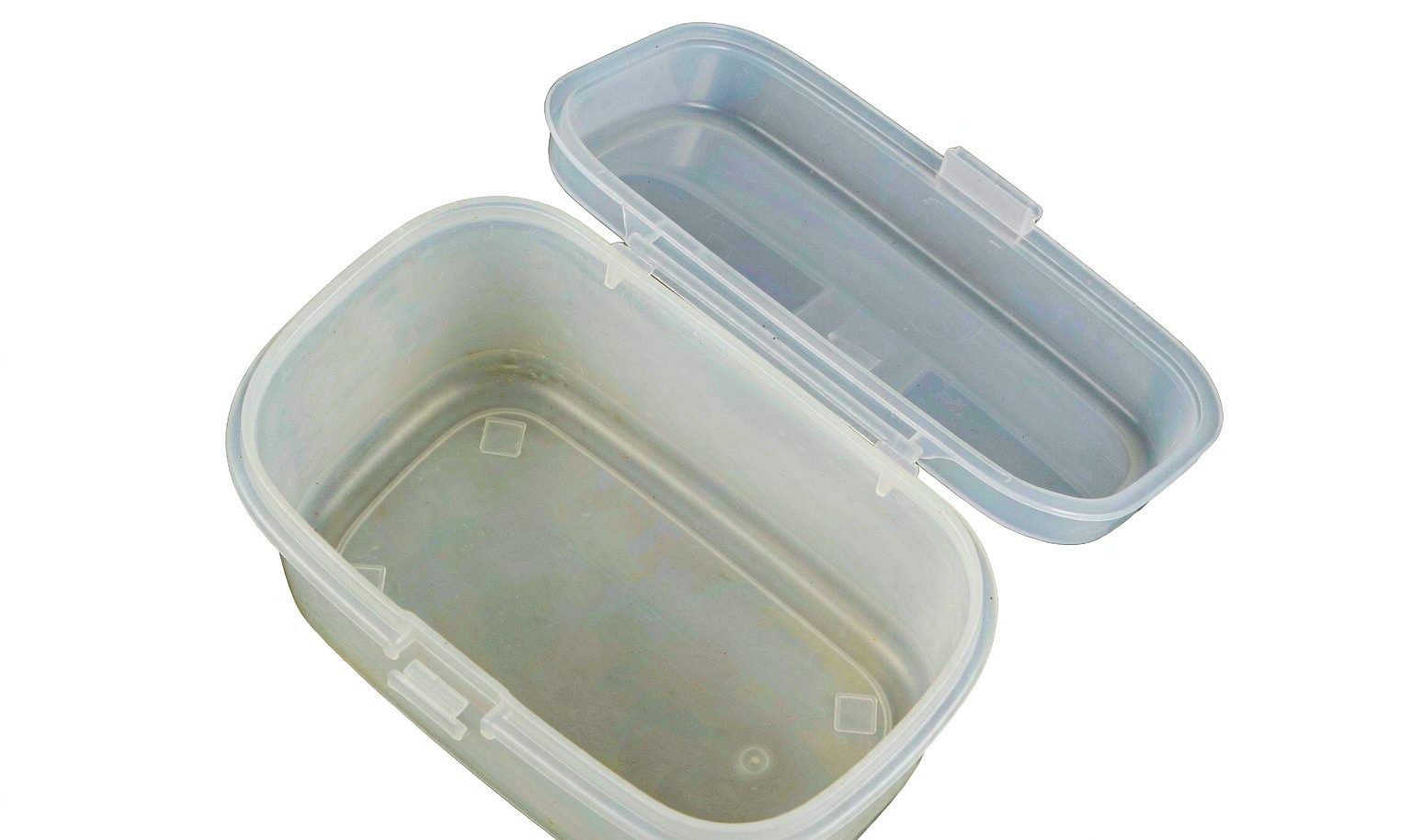
PP is one of the few common thermoplastics that forms an integral living hinge — a thin web that folds without a separate pin. A reliable hinge uses a thin, sharply defined web (often 0.25–0.5 mm), oriented so polymer chains align across the fold, with no weld line crossing the web and generous radii at both ends.
Cooling, gate position, and grade all affect hinge life — a high-extension copolymer usually outlasts a stiff homopolymer. We design the hinge into the tool and confirm it on the first article.
Shrinkage, Warpage, Gating, and Cooling
Semi-crystalline PP shrinks about 1.0–2.5%, and differently along and across flow; that differential shrinkage is what warps a part. We control it with a uniform wall, balanced gating, adequate packing, even mold temperature, and — where stability matters most — a talc-filled grade.
Gate type and location set flow direction, weld-line position, and shrinkage orientation, so gates are placed to fill a balanced flow front and keep weld lines out of high-stress or cosmetic areas. Cooling is laid out for even heat removal; extra cooling near a hot spot or a slide is evaluated in the tool design review.
Common PP Injection Molding Defects
PP has predictable failure modes; catching them on the drawing is cheaper than finding them in a shipment.
| Defect | Typical cause | How it is addressed |
|---|---|---|
| Sink marks | Thick sections, light packing | Uniform wall, ribs near 50–60% of wall, tuned hold pressure |
| Warpage | Differential shrinkage, uneven cooling | Balanced gating, even mold temperature, filled grade |
| Short shot | Low-flow grade, cold mold | Higher-flow grade, higher temperatures, resized gate |
| Flash | Excess pressure, worn parting line | Pressure tuning, clean parting line, correct clamp tonnage |
| Silver streaks | Moisture, excessive shear | Grade-specific drying, less shear, added venting |
| Weld lines | Cold flow fronts meeting | Gate repositioning, higher melt temperature, venting |
PP vs ABS vs HDPE: A Quick Comparison
| Property | Polypropylene | ABS | HDPE |
|---|---|---|---|
| Density | About 0.90 | About 1.04 | About 0.95 |
| Stiffness | Moderate to high | High | Low |
| Toughness | Good (copolymer) | Very good | High |
| Heat resistance | Good | Moderate | Lower |
| Chemical resistance | Excellent | Poor | Excellent |
| Best for | Living hinges, chemical and steam contact | Cosmetic, painted housings | Tough, low-cost chemical parts |
Custom PP Part Configuration
Within one PP part you can specify the resin grade; color matched to Pantone or RAL; geometry and wall section; features such as snap fits, living hinges, ribs, bosses, and textures; molded-in inserts or thread forms; finish; and secondary operations like pad printing, laser marking, or assembly.
Tooling Options for PP Parts
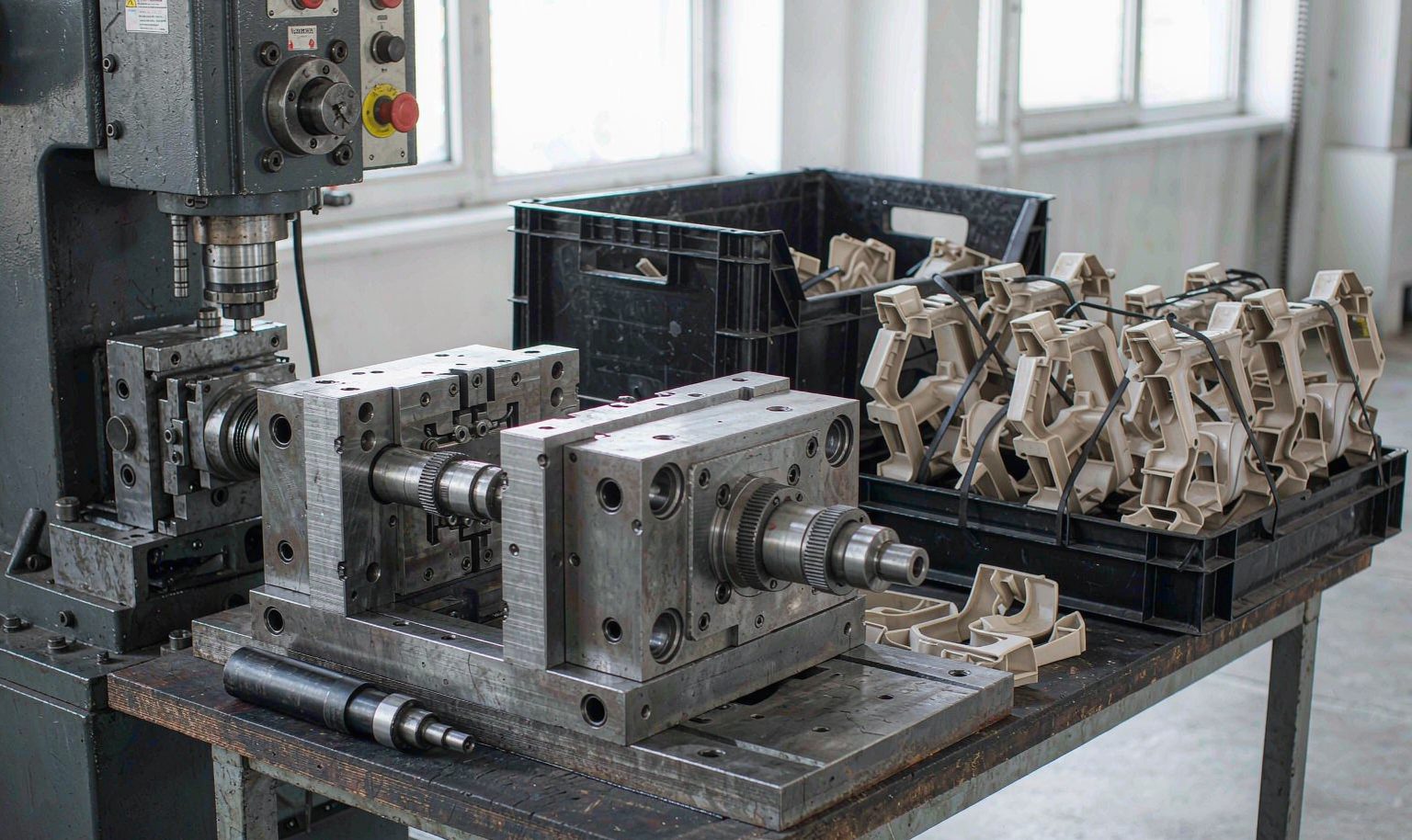
Tooling scales with volume: prototype and low-volume programs use aluminum or soft-steel tools for fast turnaround, while production programs use hardened steel tools sized to the forecast. Undercuts and side features are released with a slide core or lifter where needed. All tooling is built in-house, so the DFM review, the tool, and the molding run stay with one team — see our injection molding services and the PP injection molding overview.
Quality Control for Custom PP Parts
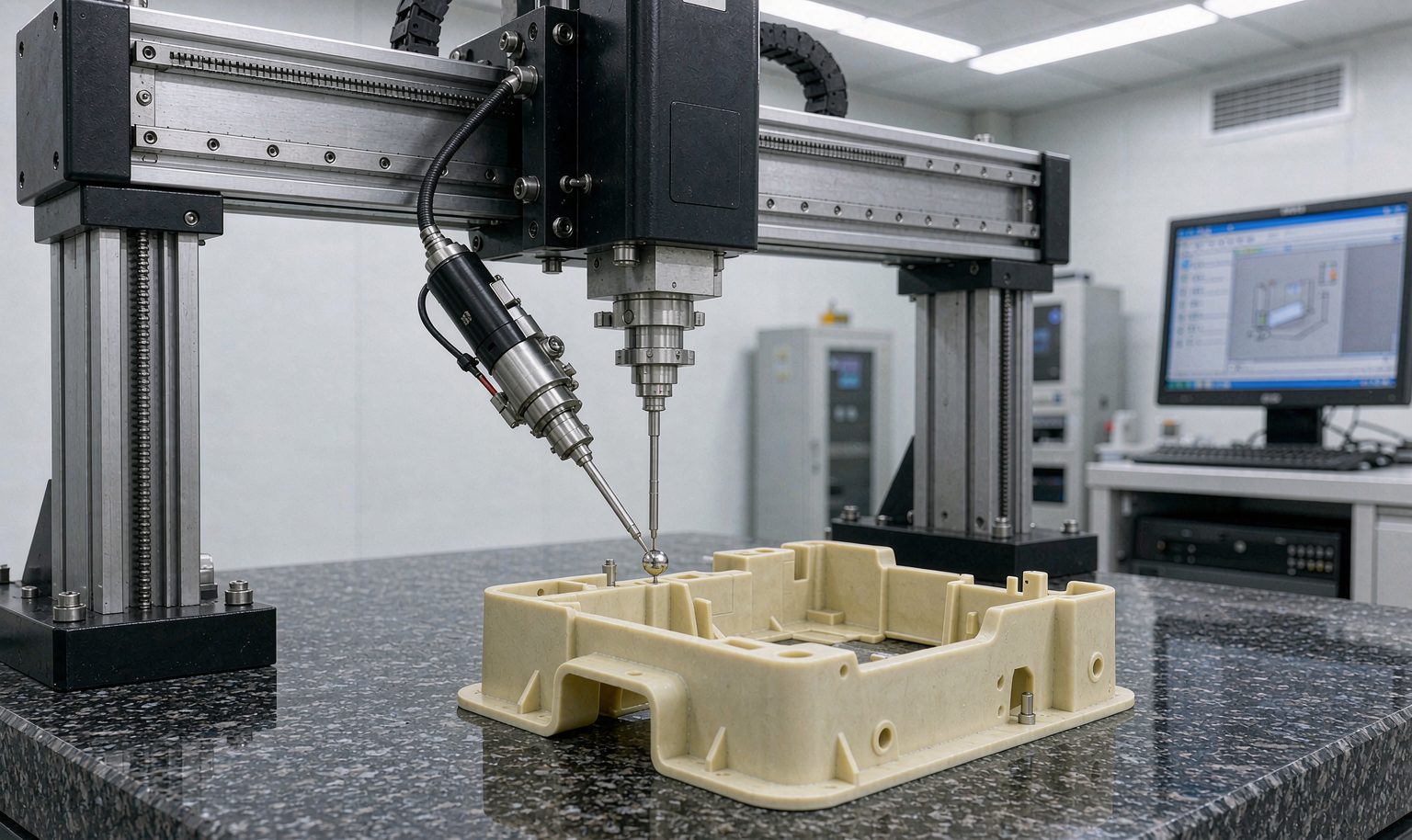
Every PP program is inspected to your drawing: incoming resin against its lot certificate, the first article measured on a coordinate measuring machine, cosmetic and functional checks, and a dimensional report with the shipment. Programs run under one ISO 9001:2015 quality system at Xiamen Goldcattle Plastic & Metal Products Co., Ltd., a custom manufacturer Founded in 1998.
Compliance: Food Contact, Automotive, and Documentation
Compliance depends on the grade and the market, so it is confirmed per project rather than assumed:
- Food contact: when a part touches food we can source a food-contact PP grade and the matching documentation — for example FDA 21 CFR 177.1520 or EU 10/2011 — confirmed against your market before tooling.
- Automotive: quality-system controls are set up to support IATF 16949 requirements, with the documentation your program specifies.
- General: RoHS and REACH documentation can be provided for the specified grade on request.
We do not label a part “food-safe”, “FDA compliant”, or “CE” unless the specified grade and its documentation support that claim for your market.
Sustainability Options With Verifiable Documentation
We avoid broad environmental claims and document specific, verifiable attributes instead:
- Post-consumer recycled (PCR) PP content — a defined percentage, with the supplier's certificate.
- Bio-based PP content — where a certified bio-based grade is specified.
- REACH and RoHS documentation for the specified grade.
- Material traceability — the resin lot certificate travels with the molded parts.
- Design for recycling — single-material, separable designs that fit recognized streams (PP is resin code 5).
Every environmental statement we make is tied to a number and a document.
Typical Applications for Custom PP Parts
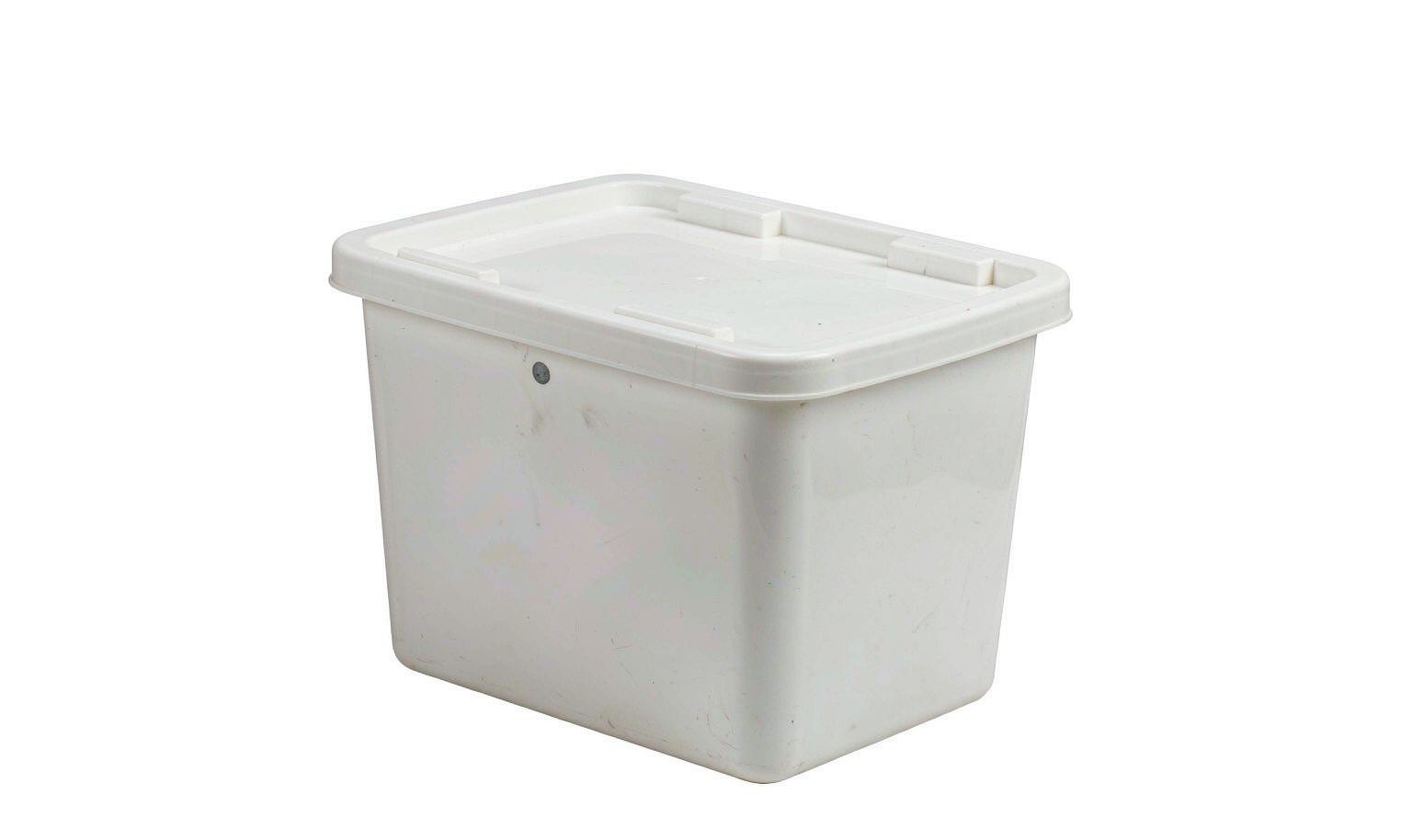
Custom PP parts appear wherever a lightweight, chemically resistant, low-cost component is needed: packaging and closures, thin-wall food containers, automotive trim, appliance housings, industrial and electrical enclosures, garden and outdoor goods, and living-hinge products. If your part is a molded housing, bracket, clip, lid, or container, PP is worth evaluating first.
PP-04 Case Study
A representative PP-04 program: a customer needed a thin-wall PP part with an integral living hinge and a snap-fit closure, replacing a two-part assembly — with a long, narrow flow path and a hinge that had to survive repeated cycling without cracking.
We selected a high-extension copolymer, oriented the gate so flow aligned across the hinge and the weld line stayed off the web, and built the tool with controlled venting; first-article inspection verified hinge function and critical dimensions before series molding. Figures describe a typical program, not a named customer.
What Determines the Cost of a Custom PP Part?
Cost is driven by tooling (prototype versus production, slides, cavity count), part size and wall section (cycle time), resin grade and color, tolerances and cosmetics, volume, and secondary operations. Because PP is a lower-cost resin, tooling and cycle time usually dominate unit price more than material. We quote tooling and unit price separately and flag where a design change would cut cost.
What to Include in Your PP Part RFQ
- A 3D model (STEP, X_T, or IGES) and a 2D drawing with tolerances.
- The resin family and grade, or just the application for a recommendation.
- Color target (Pantone or RAL) and required surface finish.
- Expected annual volume and target batch size.
- Any required documentation (food contact, REACH / RoHS, dimensional report).
- The part's function and environment (temperature, chemicals, outdoor exposure).
Frequently Asked Questions
Is PP-04 a material grade?
No. PP-04 is a product/model reference for a custom PP part; the resin grade is specified separately by PP family and grade.
What PP grades can be molded?
Homopolymer, block and random copolymer, talc-filled, glass-filled, and UV-stabilized grades, confirmed against your drawing.
Can you mold food-contact PP parts?
Yes, when a food-contact grade is specified; the grade and its documentation are confirmed against your market before tooling.
What is the minimum order quantity?
One piece for prototypes; production pricing is tied to tooling and volume and is quoted separately.
What wall thickness can PP be molded at?
Roughly 0.8 to 4 mm typical, with a uniform wall preferred; thin and thick sections are reviewed case by case.
What tolerances can PP parts hold?
Typically plus or minus 0.1 to 0.2 mm on critical features, confirmed per drawing.
Can polypropylene make a living hinge?
Yes. PP is a standard material for integral living hinges; the web, gate, and grade are designed for the required fold life.
How do you control warpage on PP parts?
Through uniform wall design, balanced gating, even cooling, adequate packing, and filled grades where stability matters.
Do you build the tooling?
Yes. Mold making and injection molding are two of our six in-house processes, so DFM, tool, and molding stay with one team.
Can you supply recycled-content PP?
Yes, where a grade with a specified post-consumer recycled content is available; the percentage is documented.
What documents come with the parts?
A resin lot certificate and a dimensional first-article report; RoHS, REACH, or food-contact documentation can be added.
What files are needed to quote?
A 3D model plus a 2D drawing with tolerances, the material or application, color, and expected volume.
Request a Custom PP Parts Quote
Send your 3D model, drawing, and target volume. We return a DFM review, a PP grade recommendation, and a tooling plus unit-price quote. Model PP-04 · Founded in 1998 · ISO 9001:2015.