
What Certifications Should a CNC Supplier Have?
A practical framework for evaluating CNC supplier certifications, quality systems and compliance — beyond the logo wall.
For most CNC machining suppliers, ISO 9001 is the fundamental quality-management certification. Industry-specific certifications such as IATF 16949, ISO 13485, or AS9100 become important when the supplier serves automotive, medical-device, or aerospace customers.
Not every CNC supplier needs every certification.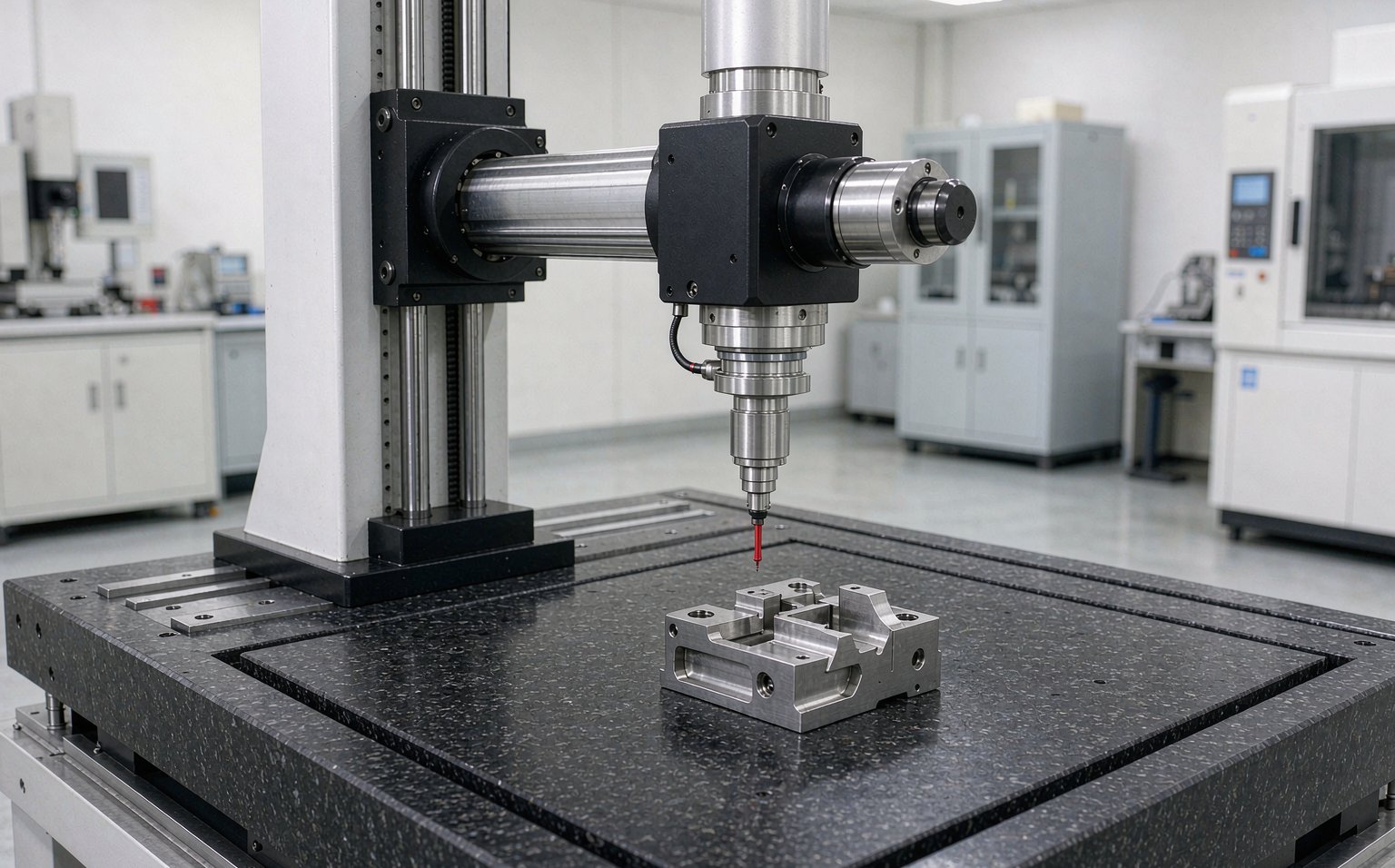
Certifications should be evaluated together with actual inspection capability, traceability, process control and customer-specific requirements. The right certification depends on the products, industries, processes and customer requirements — not on how many logos a supplier can display.
This guide is built for procurement managers who need to qualify a CNC supplier, not for suppliers who want to list certificates.
CNC Supplier Certification Quick Guide
Use this matrix as a first-pass filter. A check means the certification is broadly expected or strongly relevant for that sector; a star marks the sector-critical standard.
| Certification / Qualification | General CNC | Automotive | Medical | Aerospace | Main Purpose |
|---|---|---|---|---|---|
| ISO 9001 | ✓ | ✓ | ✓ | ✓ | General QMS |
| IATF 16949 | — | ★★★ | — | — | Automotive QMS |
| ISO 13485 | — | — | ★★★ | — | Medical-device QMS |
| AS9100 / 9100 | — | — | — | ★★★ | Aerospace QMS |
| ISO 14001 | ★ | ★★ | ★ | ★ | Environmental management |
| ISO 45001 | ★ | ★ | ★ | ★ | Occupational health & safety |
| Nadcap | — | — | — | ★★★ | Special aerospace processes |
Start From What You Are Actually Buying
The tree points to the certification that usually matters for your sector — then check scope and verification before you approve.
Customer-specific requirements may apply in addition to these standards. In automotive, OEMs publish their own Customer Specific Requirements on top of IATF 16949.
What Is the Most Important Certification for a CNC Supplier?
ISO 9001 — the baseline, not the finish line
ISO 9001 is the most widely recognized quality-management system (QMS) standard. For a CNC supplier it demonstrates that the organization runs a documented quality system covering processes, customer requirements, corrective action and continual improvement — not that any single part is automatically high precision.
What ISO 9001 actually proves:
- A documented quality management system is in place
- Processes are defined and controlled
- Customer requirements are identified and met
- Corrective actions and continual improvement are practiced
- Internal controls and records exist
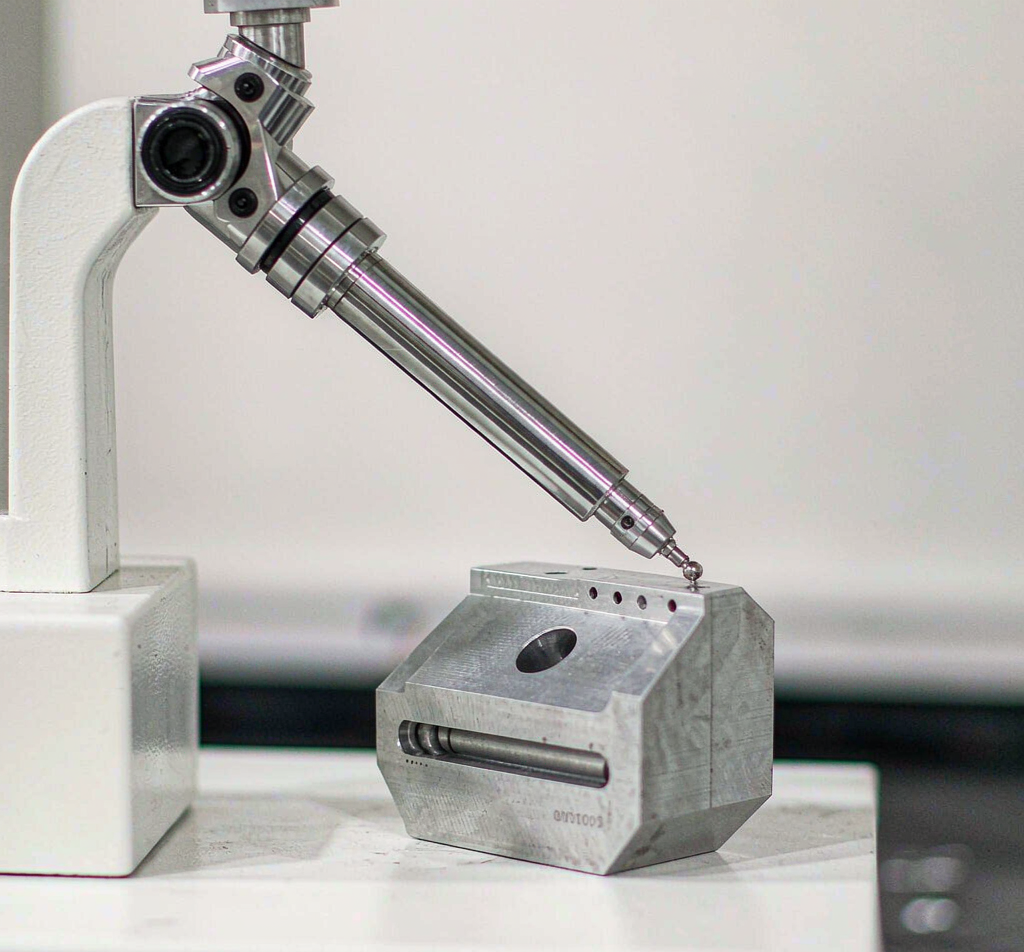
Dimensional capability comes from machines, programming, fixtures and inspection — not from the QMS certificate alone.
Three things ISO 9001 does not mean
Edition note: ISO 9001 is revised periodically. Always confirm the exact edition (for example :2015 versus a newer edition) printed on the supplier's certificate.
Which CNC Supplier Certifications Matter by Industry?
Automotive — IATF 16949
For automotive supply chains, IATF 16949 is significantly more relevant than ISO 9001 alone. It incorporates ISO 9001 and adds automotive-specific QMS requirements, plus Customer Specific Requirements published by OEMs such as Ford, GM, Stellantis, Volkswagen, Mercedes-Benz and Renault.
IATF 16949 = a strong signal for automotive suppliers. But do not assume every automotive CNC shop must hold it — requirements differ by tier, part and customer program.
Medical — ISO 13485
For medical-device components, ISO 13485 is more meaningful than simply displaying ISO 9001. It is the quality management system standard for medical devices, focused on regulatory compliance and risk across the device lifecycle.
Beyond the certificate, medical buyers should verify:
- Material traceability
- Lot / batch traceability
- Inspection and process records
- Process validation
- Change control
- Nonconformance management
- Document control
- Risk management
Aerospace — AS9100 / 9100 and Nadcap
ISO 9001 is a general QMS standard. AS9100 (the 9100 series) goes further for aviation, space and defense supply chains by adding sector requirements for quality, delivery and cost control.
For special processes — heat treatment, chemical processing, nondestructive testing and similar — buyers should look for Nadcap.
Other Certifications That May Matter
ISO 14001
Environmental management. Often a plus for ESG and regulated-market buyers, but separate from product quality.
Confirm the edition on the certificate, as newer editions supersede older ones over time.
ISO 45001
Occupational health & safety. Supports supplier-responsibility or ESG reviews. Treat it as a plus, not a product-quality certification.
Certification vs Compliance vs Testing: What's the Difference?
These terms are often merged on supplier websites. They are not the same thing — and confusing them is a common procurement mistake.
| Item | What it shows | Example |
|---|---|---|
| Certification | Management-system / organizational conformity | ISO 9001 |
| Industry QMS | Industry-specific QMS | IATF 16949 |
| Accreditation | Recognition of specific competence / processes | Nadcap |
| Product compliance | Product meets applicable regulatory requirements | RoHS |
| Test report | Specific product / material test result | Material test report |
| Inspection report | Actual part measurement | CMM report |
| Customer approval | Approved supplier status | OEM approval |
A supplier having an ISO certification does not automatically mean every product complies with every EU or US regulatory requirement. Certification and product compliance are evaluated separately.
Are CE and RoHS Certifications Required for a CNC Supplier?
Many CNC websites display "ISO 9001 / CE / RoHS certified manufacturer." That phrasing is misleading. CE and RoHS are not supplier factory certifications.
CE — product conformity, not factory certification
CE is a conformity indication for certain finished products placed on the EU market. It is not a "factory certificate." Do not read it as proof that a CNC workshop is certified.
RoHS — restricted substances, per product
RoHS limits hazardous substances in applicable electrical and electronic products. It is product-level compliance, demonstrated by test reports — not a blanket factory certification.
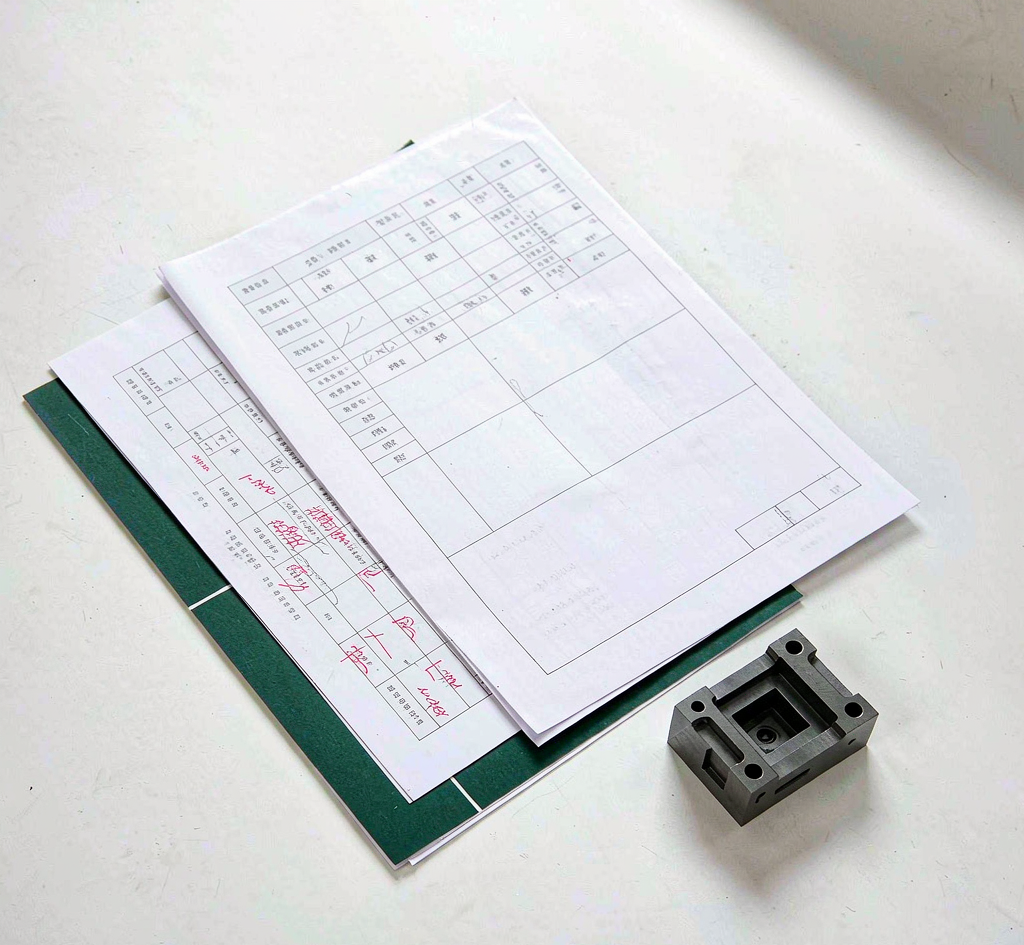
Regulatory compliance is proven by product-level documentation, not by a factory logo wall.
How to Verify a CNC Supplier's Certification
Do not approve a supplier on a logo alone. Check these ten points against the actual certificate document.
- Certificate number
- Legal company name
- Certification scope
- Manufacturing location
- Standard and edition (e.g. :2015 vs newer)
- Issue date
- Expiration / validity period
- Certification body
- Accreditation status of the certification body
- Scope actually covers CNC manufacturing
The company name on the certificate should match the legal entity that will manufacture and invoice your parts. Mismatches are a red flag.
Why the Certification Scope Matters
A certificate logo is not enough. The scope defines what the supplier is actually certified to do.
"ISO 9001 Certified" — no scope stated
ISO 9001:2015 — Scope: CNC machining and manufacturing of precision metal components
Read the certification scope and verify it against the actual certificate. A scope reading "Trading of mechanical components" is not the same as "CNC machining manufacturer."
What Should You Ask a CNC Supplier Before Approval?
| Question | Why it matters |
|---|---|
| What quality certifications do you currently hold? | Basic qualification |
| Which certification body issued the certificate? | Independent verification |
| What is the certification scope? | Confirms actual manufacturing coverage |
| Is the certificate currently valid? | Prevent expired claims |
| Can you provide the certificate number? | Verification |
| Can the certification be verified online? | Authenticity |
| Do you provide material traceability? | Supply-chain control |
| Do you provide CMM reports? | Dimensional verification |
| Do you support FAI? | Production validation |
| How do you handle nonconforming parts? | Quality control |
| Can customers audit your factory? | Supplier qualification |
| What customer-specific requirements can you support? | OEM / industry compliance |
Certifications Are Not Enough: What Else Should You Evaluate?
A mature procurement manager does not approve a supplier on certificates alone. Evaluate the operating quality system behind the logo.
Quality System
ISO 9001 or a sector QMS, with documented procedures and records.
Inspection Capability
- CMM
- Optical measurement
- Micrometers & gauges
- Surface measurement
Traceability
- Material certificates
- Lot numbers
- Heat numbers
- Production records
Process Control
- First article inspection
- In-process inspection
- Final inspection
- SPC where applicable
Supplier Control
- Approved suppliers
- Outsourced process control
- Plating / anodizing
- Heat treatment
Nonconformance Management
- NCR
- CAPA
- Root-cause analysis
- Corrective actions
Documentation
- Inspection reports
- CoC
- Material certificates
- FAI & dimensional reports
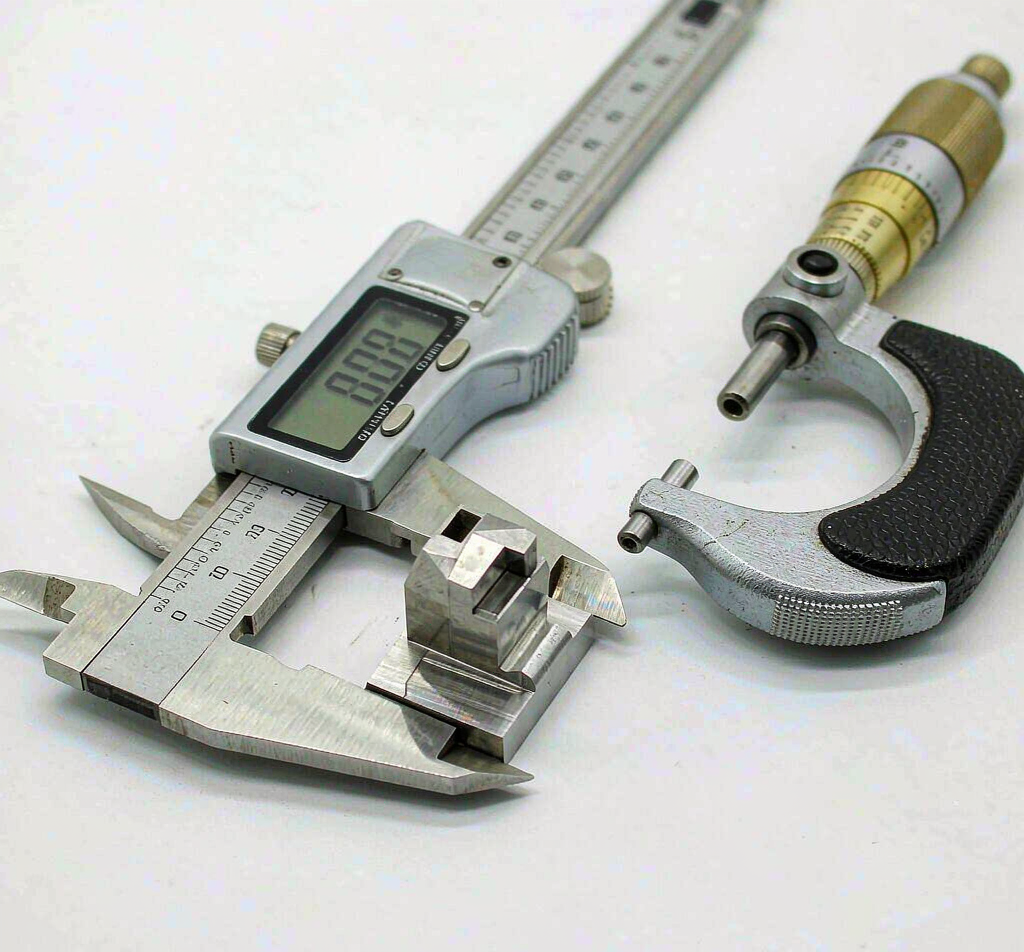
Inspection capability, traceability and process control protect your program as much as the certificate itself.
What a Professional CNC Supplier Should Provide With Your Order
1 Before Production
- Drawing review
- DFM review
- Material confirmation
- Tolerance review
2 During Production
- Process inspection
- Material traceability
- Production records
3 Before Shipment
- Dimensional inspection
- CMM report where required
- Material certificate
- Certificate of conformity
- Photos & packaging confirmation
Xiamen Goldcattle Quality & Compliance
Goldcattle is a custom OEM/ODM manufacturer founded in 1998. Certifications are presented with their meaning and evidence — not as a logo wall.
Held. Certification body and certificate number available on request and verifiable.
Third-party test report available (Reference: TQT7737B1373EC). Applies to products with relevant compliance requirements.
Independent verification references on file (SGS: SZIN2409001808ML09_EN; Rmbond: XMML24030283_EN).
Goldcattle operates an ISO 9001:2015 certified / IATF 16949-aligned quality system. Confirm program-specific requirements for your automotive project.
For medical-device (ISO 13485) or aerospace (AS9100 / Nadcap) programs, confirm the required certification for your specific project before approval. Goldcattle can support documentation, traceability and inspection records within its documented quality system.
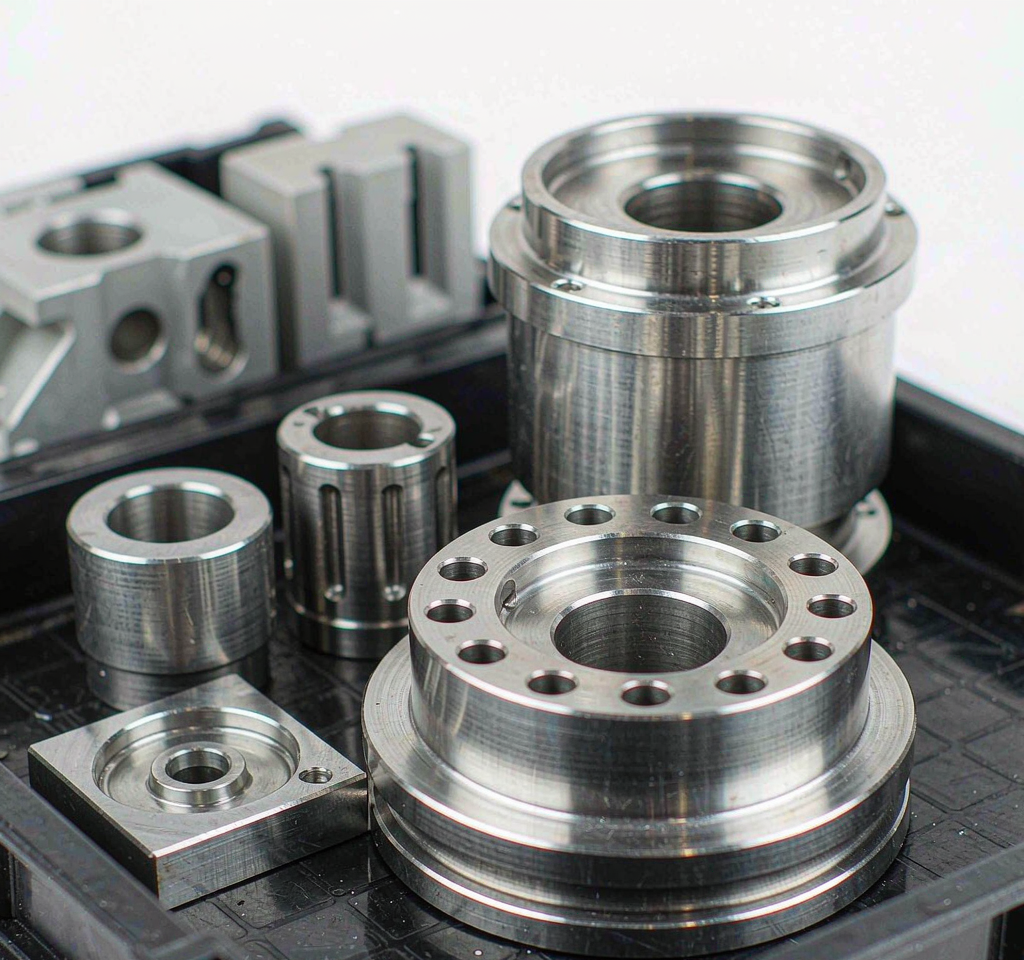
Precision machined components backed by documented inspection and traceability.
CNC Supplier Certification & Quality Scorecard
Use this weighting to score a supplier beyond the certificate logo. Weights reflect what actually protects your program.
Do not approve a CNC supplier based on certification logos alone. Weight the operating quality system as heavily as the certificate.
Frequently Asked Questions
What is the most important certification for a CNC supplier?
ISO 9001 is the fundamental quality-management certification for most CNC suppliers. It shows a documented QMS, not a specific tolerance. Industry certs (IATF 16949, ISO 13485, AS9100) matter only for automotive, medical or aerospace work.
Is ISO 9001 enough for CNC machining?
It is enough to show a general QMS. For regulated industries it is not sufficient on its own — automotive expects IATF 16949, medical expects ISO 13485, aerospace expects AS9100. It also does not prove dimensional capability by itself.
Do CNC suppliers need ISO 9001?
A serious supplier should hold ISO 9001 or an equivalent documented QMS. It is the baseline qualification for general industrial buyers and should be weighed with inspection, traceability and process control.
What certification should an automotive CNC supplier have?
IATF 16949 is far more relevant than ISO 9001 alone for automotive supply chains, adding automotive QMS requirements and OEM Customer Specific Requirements. Not every tier requires it, but it is a strong signal.
What certification should a medical CNC supplier have?
ISO 13485 is more meaningful than ISO 9001 for medical-device components. Also verify material and lot traceability, inspection records, process validation and change control.
What certification should an aerospace CNC supplier have?
AS9100 (the 9100 series, built on ISO 9001) is the relevant aerospace QMS. Special processes may additionally require Nadcap accreditation.
Is AS9100 better than ISO 9001?
Not 'better' in general — it is a sector-specific QMS on top of ISO 9001 with added aviation, space and defense requirements. Relevant for aerospace buyers; ISO 9001 suffices for general industrial work.
What is the difference between ISO 9001 and IATF 16949?
ISO 9001 is a general QMS for any organization. IATF 16949 incorporates ISO 9001 and adds automotive requirements plus OEM Customer Specific Requirements.
What is the difference between ISO 9001 and ISO 13485?
ISO 9001 is a general QMS. ISO 13485 is the medical-device QMS standard focused on regulatory compliance, risk management and lifecycle control.
Is Nadcap a certification or accreditation?
Nadcap is an industry-managed accreditation program recognizing specific special processes and products for aerospace and defense — not a general-purpose ISO certification.
Does a CE mark mean a CNC factory is certified?
No. CE is a product-level conformity indication for certain EU-market products, not a factory certification. ISO 9001 covers the supplier QMS; CE covers the finished product where required; RoHS covers restricted substances.
How can I verify a CNC supplier's certificate?
Check the certificate number, legal company name, scope, manufacturing location, standard and edition, issue and expiry dates, certification body, and that body's accreditation status. Confirm the company name matches the entity that will make and invoice your parts.
Qualify Your CNC Supplier With Confidence
Send us your drawing and requirements. We will respond with a documented review — DFM, material, tolerances, inspection plan and the quality evidence behind our ISO 9001:2015 system.
Accepted files: STEP · IGES · DWG · DXF · PDF · STL