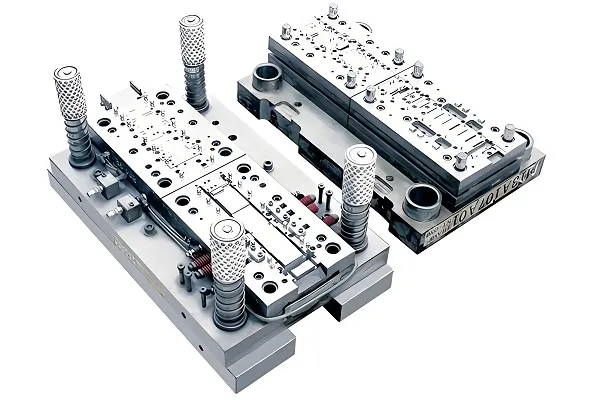
How Are Metal Parts Processed by CNC Machining? Process, Materials and Precision Explained
Metal parts are processed by CNC machining through a controlled sequence including CAD design, CAM programming, material preparation, fixturing, cutting, finishing, and quality inspection. CNC machining removes material from solid metal stock using computer-controlled cutting tools to produce precision components with defined tolerances and repeatable geometry.
✅ Subtractive manufacturing
✅ CAD/CAM controlled
✅ High precision
✅ Repeatable quality
What Types of Metal Parts Are Made by CNC Machining?
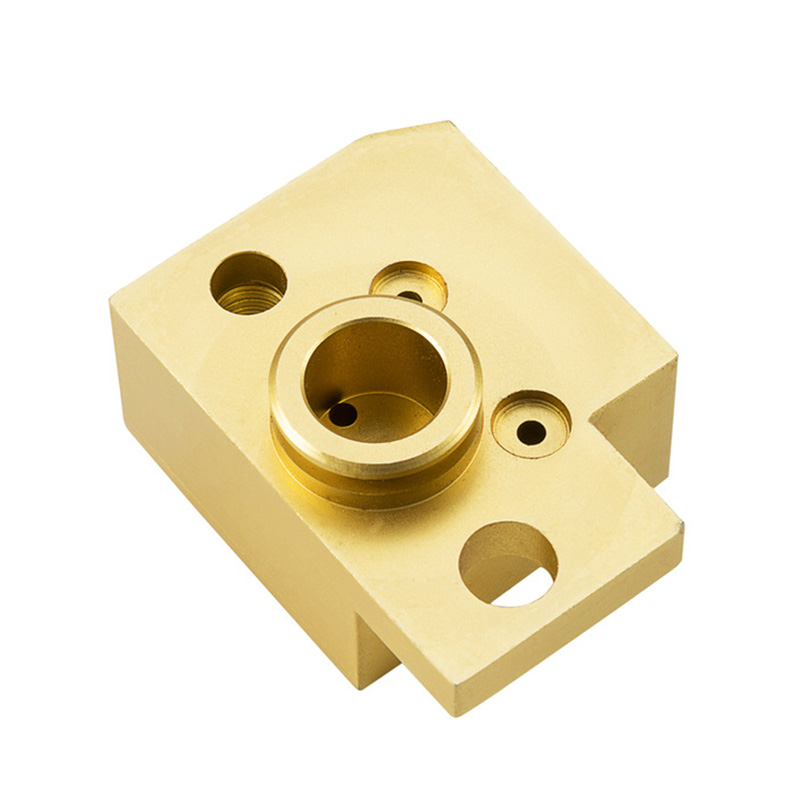
CNC machining can produce a wide range of custom metal parts for different industries. Here are the most common types of components we manufacture:
Brackets
Structural mounting brackets for equipment and machinery
Housings
Precision equipment and gearbox housings
Shafts
Rotational shafts and pins for mechanical systems
Connectors
Custom connectors and fittings for fluid systems
Heat Sinks
High-performance aluminum heat sinks for electronics
Medical Components
Surgical instruments and medical device parts
CNC Metal Part Processing Workflow
While the basic steps are standard, our engineering team adds specialized considerations for metal parts to ensure quality and precision:
How CNC Milling and Turning Process Metal Parts
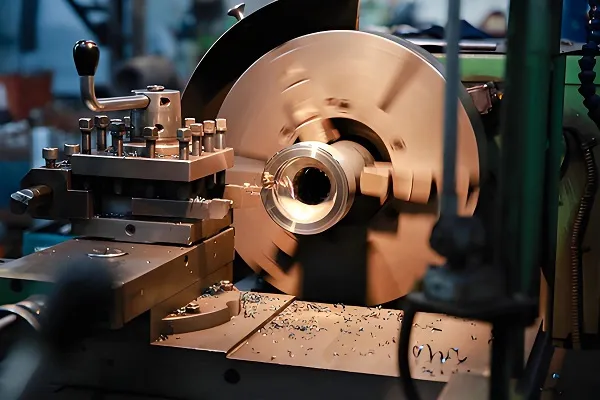
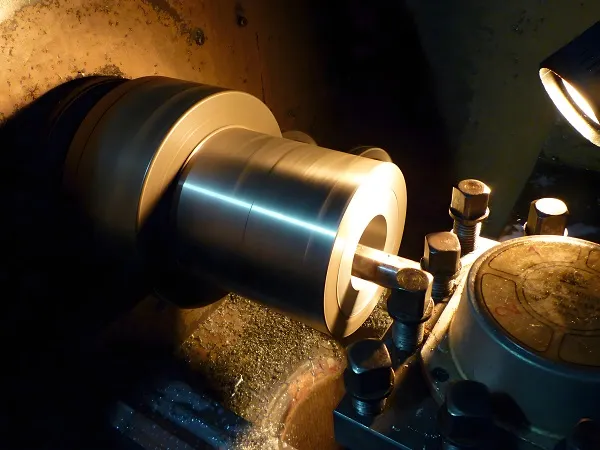
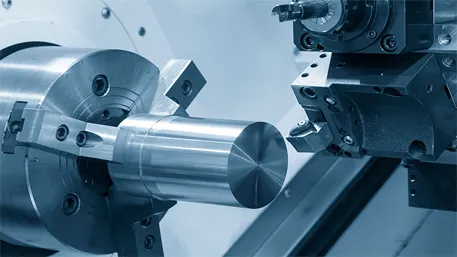
CNC machining includes two primary processes for metal parts: milling and turning. They work differently and are used for different types of components:
Engineering Factors That Affect CNC Machining Quality
Processing metal parts introduces unique engineering challenges that impact the final quality. Our team has years of experience addressing these issues:
Tool Wear
Hard metals like titanium cause faster tool wear. We use specialized carbide tools and adaptive cutting parameters to maintain consistent tool life.
Heat Generation
Cutting metal generates significant heat. Titanium’s low thermal conductivity concentrates heat, requiring specialized cooling strategies.
Machine Rigidity
Heavy cutting forces require rigid machine structures to avoid deflection. Our heavy-duty machines provide the stability needed for hard metals.
Vibration Control
Thin-walled metal parts are prone to vibration. We use damped tool holders and optimized cutting parameters to eliminate chatter.
Materials Commonly Used for CNC Metal Parts
Different metals have different properties and machining characteristics. Here are the most common materials we work with:
Typical Tolerances and Surface Finishes for CNC Metal Parts
CNC machining can deliver a wide range of precision and surface quality, depending on your requirements:
Dimensional Tolerances
±0.05 mm
±0.01 mm
±0.005 mm
Surface Finishes
Ra 1.6 – 3.2 μm
Ra 0.8 – 1.6 μm
Ra 0.2 – 0.8 μm
Custom options
CNC Machining vs Casting vs 3D Printing for Metal Parts
When manufacturing metal parts, you have several options. We compare the three most common processes to help you choose the right one:
How to Choose a CNC Machining Supplier for Metal Parts
Metal part machining requires specialized expertise. When choosing a supplier, you should evaluate these key factors:
Machine Capability
Verify the supplier has the right machines for your part size and complexity, including multi-axis capability if needed.
Quality Inspection
Ensure they have CMM and other precision measuring equipment to verify your part’s dimensions and tolerances.
Material Experience
Different metals require different processing. Ensure the supplier has experience with your specific material.
Quality Certifications
Look for ISO 9001, ISO 13485, or IATF 16949 certifications depending on your industry requirements.
Goldcattle’s CNC Metal Part Capabilities
As a professional precision CNC manufacturer, we have full in-house capabilities to process all types of custom metal parts, with specialized engineering expertise:
Production Equipment
- 3/4/5-axis milling centers for complex parts
- CNC turning machines with live tooling
- Full range of precision cutting tools for all metals
- CMM and laser measuring equipment for inspection
Engineering Expertise
- 10+ years of metal part DFM analysis experience
- Specialized processing for hard metals like titanium
- Thermal and stress compensation for precision
- Flexible capacity: from 1 prototype to 10000+ units
Global Certifications
- ISO 9001:2015 Quality Management
- ISO 13485:2016 Medical Device Quality
- IATF 16949:2016 Automotive Quality
- RoHS, REACH material compliance
What Information Do We Need for Your CNC Metal Part Quote?
To provide you with an accurate, fast quote for your CNC metal part project, we recommend preparing the following information. This helps us avoid back-and-forth communication and deliver your quote within 24 hours:
3D CAD File
Your part’s 3D model, preferably in STEP or IGES format.
Material Specification
The material of your part, such as aluminum, stainless steel, etc.
Tolerance & Finish
Critical dimensional tolerances and required surface finish.
Production Volume
Your expected production quantity, to optimize pricing.
Frequently Asked Questions
How are metal parts processed by CNC machining?
Metal parts are processed by CNC machining through a sequence of CAD design, CAM programming, material preparation, fixturing, cutting, finishing, and inspection, using computer-controlled tools to remove material from solid metal stock.
What metals can CNC machine?
CNC can machine most common metals, including aluminum, stainless steel, carbon steel, brass, copper, titanium, and many other industrial materials.
What’s the difference between milling and turning?
Milling uses a rotating tool on a stationary workpiece for complex shapes, while turning uses a rotating workpiece with a stationary tool for cylindrical parts like shafts.
How accurate is CNC machining for metal parts?
CNC machining can achieve ±0.05mm for general features, ±0.01mm for precision features, and ±0.005mm for critical local features, depending on the part size and material.
What file format is required for CNC machining?
We prefer STEP or IGES 3D files, as they preserve the full part geometry. We can also work with other formats like STL, SolidWorks, or AutoCAD files.
How long does CNC machining take for metal parts?
Lead time depends on part complexity, size, and volume. For standard parts, we can deliver in 3-7 days. For large or complex parts, it may take 7-15 days.