
Custom steering wheels and components manufactured to customer drawings, vehicle interfaces and functional requirements. Goldcattle supports prototype development, CNC-machined metal components, carbon-fiber structures, leather or Alcantara wrapping, trim components and final assembly for selected automotive and motorsport applications.
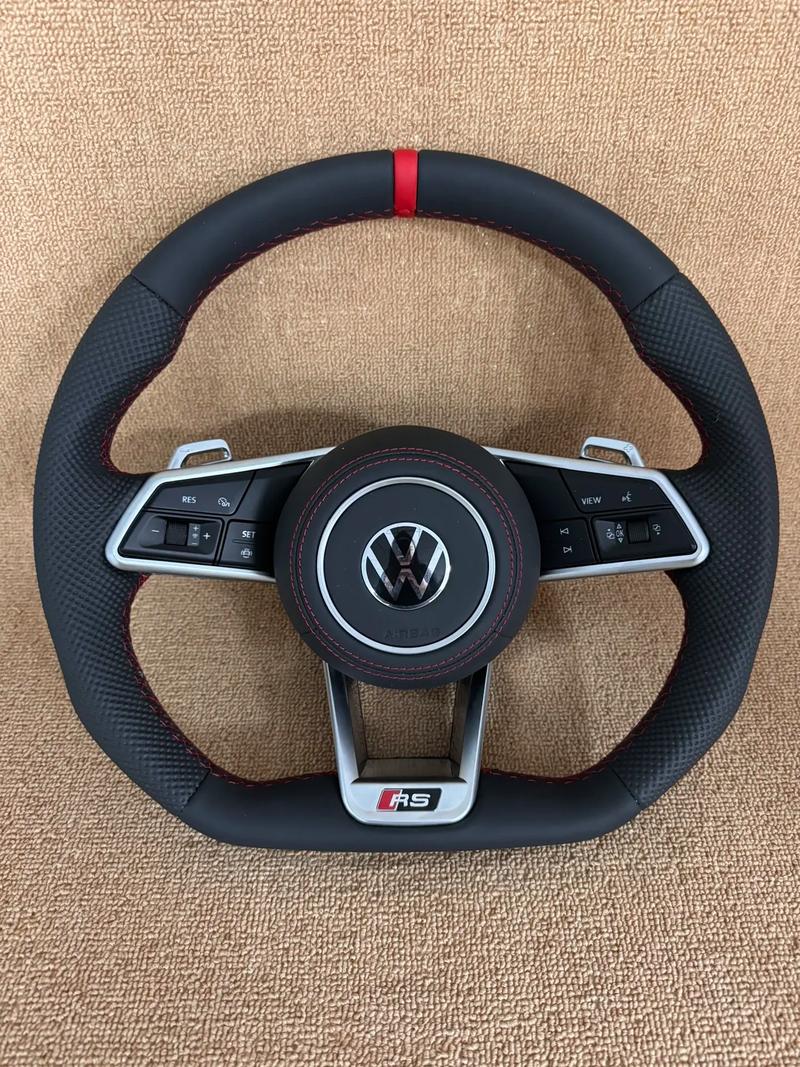
What We Manufacture
A key distinction for buyers: we manufacture complete steering wheels and steering wheel components. The project scope — full wheel or machined parts only — is confirmed during the engineering review.
Complete Custom Steering Wheels
- Racing and motorsport wheels
- Automotive customization wheels
- Vintage reproduction wheels
- Specialty vehicle wheels
- Prototype wheels for product development
Steering Wheel Components
- Aluminum spokes
- Hubs and adapters
- Button bezels and trim rings
- Paddle shifter components
- CNC-machined brackets and mounting parts
- Custom fasteners and interface components
Custom Steering Wheel Options
What can be changed on a custom wheel? The list below follows the design decisions a project team actually makes.
| Customization | Options |
|---|---|
| Diameter | According to design / application |
| Rim shape | Round, flat-bottom, custom geometry |
| Grip covering | Leather, Alcantara, other specified coverings |
| Structure | Aluminum, composite, carbon fiber where applicable |
| Spokes | CNC-machined / formed / composite |
| Finish | Anodizing, powder coating, painted finish |
| Stitching | Color / pattern / material per design |
| Buttons | Layout according to design |
| Paddle shifters | Application-dependent |
| Quick-release interface | Application-dependent |
| Branding | Engraving / logos / trim |
Scope note: every option is confirmed against the specific project. We do not claim every option is available on every wheel — the engineering review defines what applies to your design.
Materials for Custom Steering Wheels
Material choice for a steering wheel is about the role each material plays — structure, weight, grip, feel and appearance — not about comparing single material properties in isolation.
| Material | Typical Role | Main Considerations |
|---|---|---|
| Aluminum Alloy | Structural spokes / hubs / trim | Lightweight, machinable, finishable |
| Carbon-Fiber Composite | Lightweight structural components | High stiffness-to-weight potential |
| Leather | Exterior grip covering | Premium tactile feel and appearance |
| Alcantara / Synthetic Suede | Performance grip covering | Grip feel and motorsport-style finish |
| PU Foam | Cushioning / rim core | Ergonomic shaping |
| Stainless Steel | Selected hardware / components | Strength and corrosion resistance |
Material selection is confirmed during the engineering review, together with the manufacturing process for each component.
CNC Machining for Steering Wheel Components
Goldcattle is a manufacturing plant first. CNC machining covers the metal components of a steering wheel — the parts where geometry, fit and interface accuracy matter.
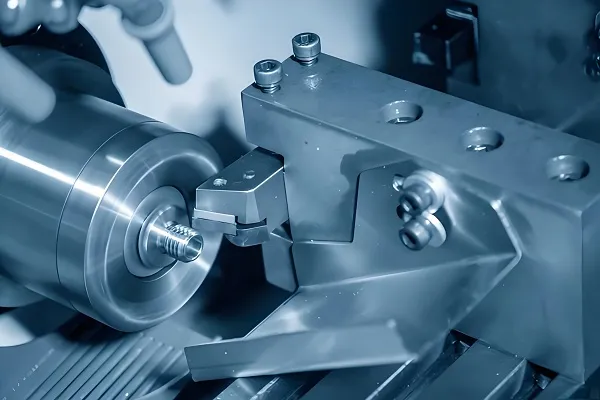
CNC Machining for Steering Wheel Components
- Materials: 6061 aluminum, stainless steel, other customer-specified alloys
- Processes: CNC milling, turning, drilling, tapping, chamfering
- Finishes: anodizing, powder coating, other specified finishes*
- Parts: spokes, hubs, bezels, brackets, interface components
CNC machining capability, tolerances and inspection follow the same basis as our CNC machining services.
Custom Steering Wheel Manufacturing Process
The route from a project brief to a finished wheel follows six stages. Each stage is a decision point, not just a step in a list.
- Engineering ReviewCAD / STEP / IGES, 2D drawings, vehicle interface, material and functional requirements are reviewed for manufacturability, interface fit, material choice and tolerances.
- PrototypeA 3D printed or CNC-machined prototype validates geometry, fit, grip and interface before committing to production tooling.
- Component ManufacturingCNC milling, turning where applicable, composite manufacturing, forming and trimming produce the structural parts.
- Surface & Trim ManufacturingLeather or Alcantara cutting, stitching, surface finishing and decorative trim work.
- AssemblyRim / core, spokes, buttons, paddle components, trim and wiring where applicable are assembled.
- InspectionDimensional inspection, fit verification, appearance inspection and functional checks according to project requirements.
Applications
Three application groups drive most custom steering wheel projects. Each has a different priority.
Motorsport
Lightweight construction and control integration for race-focused wheels.
- Lightweight components
- Quick-release interfaces
- Paddle / control integration
- Custom geometry
Automotive Customization
Material, appearance and ergonomics for custom and specialty vehicles.
- Material combinations
- Appearance and trim
- Ergonomics
- Branded finish
Vintage Restoration
Recreating discontinued or damaged wheels for classic vehicles.
- Reverse engineering
- Reproduction
- Matching original geometry
Vintage Steering Wheel Reverse Engineering
For discontinued wheels, the original part itself becomes the specification. Reverse engineering turns a worn or damaged sample into a reproducible design.
Reproduction accuracy is confirmed per project against the customer's reference sample and acceptance criteria.
Custom Steering Wheel Case Study
Project-specific data replaces generic claims. We publish case details only where the project, materials and results are real and documented.
Project
- Part
- Custom motorsport steering wheel
- Application
- [Vehicle / series]
- Quantity
- [Actual qty]
- Materials
- [Actual materials]
- Interface
- [Hub / column / quick-release]
Manufacturing & Validation
Challenge: [Actual manufacturing difficulty, e.g. limited space around the hub requiring accurate positioning of mounting features and controls.]
Solution: [Actual approach, e.g. CNC-machined aluminum components, prototype fit check, controlled assembly sequence.]
Validation: [Actual checks, e.g. dimensional inspection, interface fit check, customer testing.]
Safety and Regulatory Considerations
Compliance responsibility is project-specific
Steering wheels are safety-related vehicle components. Applicable regulatory and testing requirements depend on the vehicle, market, intended use, steering system architecture and whether the component is intended for road use or motorsport.
Goldcattle can manufacture components to customer drawings and specified technical requirements. Where regulatory testing or certification is required, the applicable test plan and responsible certification party should be confirmed before production. We do not claim FMVSS, UNECE or FIA compliance for a product unless the specific product has been tested and documented against the applicable requirement.
References: FMVSS 203 — Impact protection for the driver from the steering control system (NHTSA); UN Regulation No. 12 — Steering mechanism. NHTSA test procedure · UN R12
Quality Control for Custom Steering Wheels
Inspection is planned per project. The list below is the typical set of checks we plan with the customer.
Typical Project Timeline
No fixed lead-time promise without order data. The schedule is driven by the project's own variables.
Related Manufacturing Services
Frequently Asked Questions
Can you manufacture a complete custom steering wheel?
Yes. Goldcattle supports complete custom steering wheels and steering wheel components, manufactured to customer drawings, vehicle interfaces and functional requirements. Project scope is confirmed during the engineering review.
Do you work from customer drawings or samples?
Yes. We manufacture from 3D CAD models, 2D drawings or customer-supplied samples. For vintage or discontinued parts, reverse engineering can be used to rebuild the geometry.
What materials are used for custom steering wheels?
Common materials include aluminum alloys for structural spokes and hubs, carbon-fiber composites for lightweight structures, leather and Alcantara for grip coverings, PU foam for rim cores, and stainless steel for selected hardware.
Can you manufacture steering wheel components without the leather trim?
Yes. Many projects cover only structural or machined components such as spokes, hubs, bezels, brackets, paddle shifter components and mounting parts, without trim work.
What CNC processes are used for metal steering wheel components?
CNC milling, turning, drilling, tapping and chamfering are used for selected metal components in 6061 aluminum, stainless steel and other customer-specified alloys, with finishes such as anodizing or powder coating.
Can you reverse-engineer a vintage steering wheel?
Yes. A damaged or original sample can be 3D scanned, reverse-engineered into CAD, prototyped, then reproduced through machining, forming and trim processes with fit checks.
What file formats should I send for a quote?
STEP, IGES or native CAD files are preferred, with a dimensioned 2D drawing where available. For sample-based projects, photos and key dimensions help start the review.
Do you provide prototypes before production?
Yes. Prototype stages can use 3D printed or CNC-machined parts to validate geometry, fit, grip and interface before component manufacturing and assembly.
Does a custom steering wheel automatically meet FMVSS or UN regulations?
No. Steering wheels are safety-related vehicle components. Regulatory compliance depends on the vehicle, market, steering system architecture and intended use, and must be verified through the applicable test plan and responsible certification party.
What information is needed for a quotation?
Send the CAD file or drawing, sample or photos, the vehicle or application, target materials, required functions, quantity and target finish. Our engineers review manufacturability and propose suitable processes.
Need a Custom Steering Wheel or Component?
Send the CAD file or drawing, a sample or photos, the vehicle or application, target materials, required functions, quantity and target finish.
Our engineers will review the manufacturing requirements and identify suitable processes for your project.