Hot Runner vs. Cold Runner Injection Molds: How to Choose
Neither system wins universally. A hot runner adds tooling investment to remove the solidified runner material that a cold runner ejects with every shot; a cold runner keeps the tool simpler and cheaper but consumes runner material cycle after cycle. The right choice is a cost-and-constraints decision for your specific project.
This guide compares the two systems across nine dimensions, gives you a break-even model with your own numbers, and shows how to ask Chinese suppliers for comparable quotes — so you can decide based on resin price, runner weight, volume, gate requirements and maintenance reality, not on a slogan.
The break-even model and cost worksheet in this guide are shown in full on this page. Fill in your own numbers, or use your browser's print / save-as-PDF — Goldcattle does not host downloadable files on this site.
Hot Runner vs. Cold Runner: Which Should You Choose?
Choose by calculation and constraints, not by category: a hot runner pays back when runner-material cost, cycle or labor savings exceed its extra tooling, maintenance and downtime costs over your production plan. When those savings are small, a cold runner is the more economical tool.
Most buyers framing this question are really asking four things. This guide answers each in its own section:
- What does my cold runner actually cost me in material each year? (break-even model)
- Can the hot runner premium be recovered within the planned production run? (payback calculation)
- Do my resin, color-change frequency, gate and appearance requirements suit a hot runner? (engineering conditions)
- How do I get two quotes I can actually compare? (RFQ requirements)
How Hot Runner and Cold Runner Systems Work
Cold runner
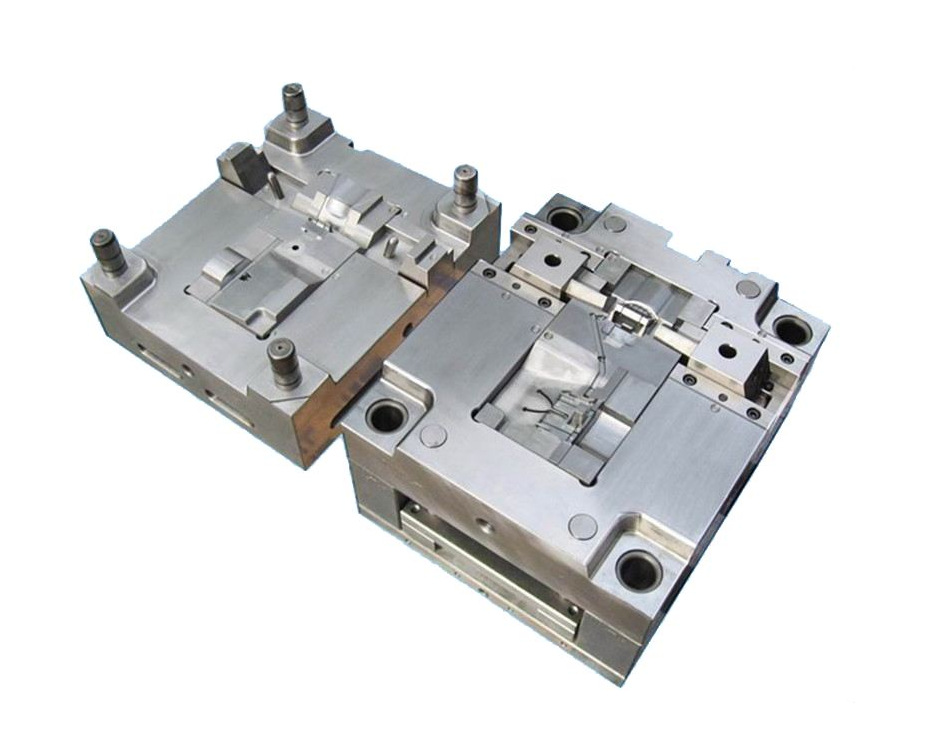
Molten resin travels through channels that cool and solidify along with the part. The runner is ejected with the parts, then separated, reground for reuse or scrapped. The tool itself has no heating or temperature-control components for the runner, which keeps the mold simpler and less expensive to build.
Hot runner
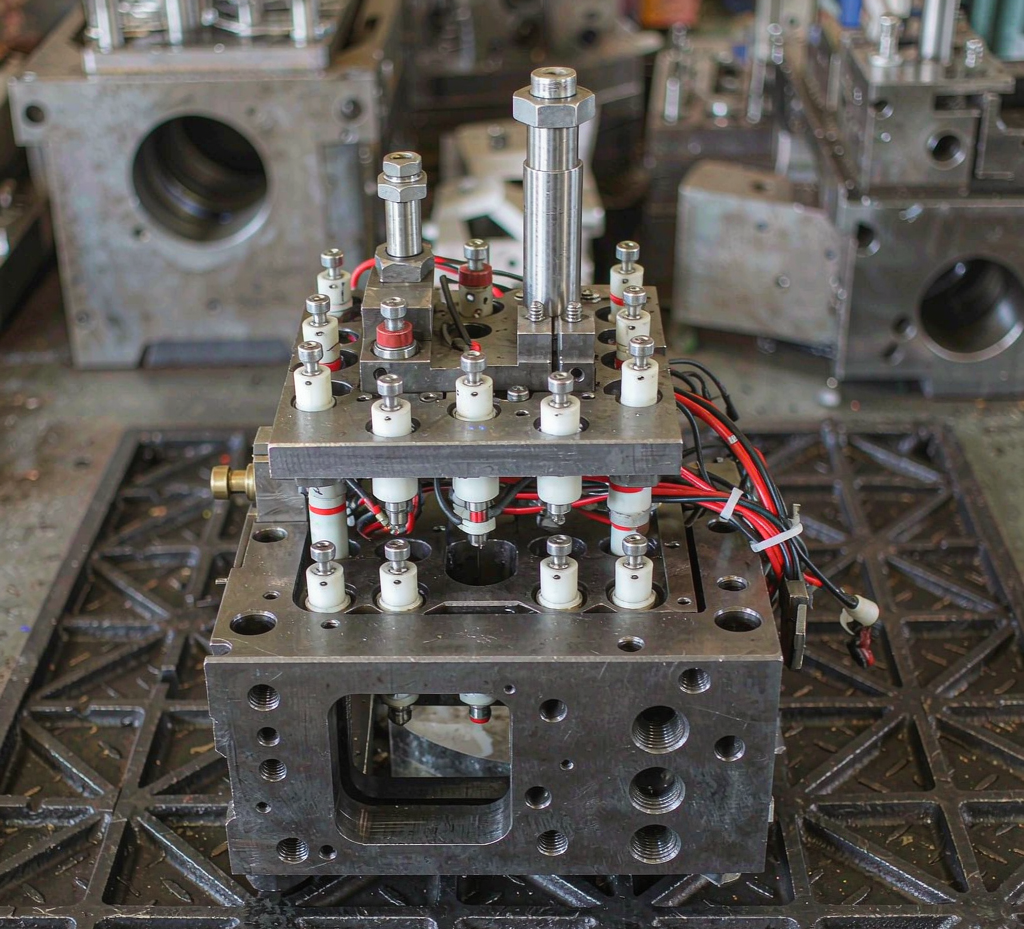
A heated manifold inside the mold keeps the runner material molten between shots; only the part solidifies and is ejected. The system adds a manifold, nozzle tips, heaters, thermocouples, wiring and a temperature controller — and with them, additional maintenance and failure points.
A third family exists
Semi-hot runner designs keep part of the runner molten while other sections solidify. Structures differ between suppliers, so evaluate the actual design, its maintenance needs and its cost — not the label. Semi-hot runner customization is a related topic worth reviewing on its own merits.
Hot Runner vs. Cold Runner: Side-by-Side Comparison
The two systems differ across tooling investment, material consumption, cycle, gates, material handling and maintenance — and each difference matters differently per project.
| Dimension | Hot runner | Cold runner |
|---|---|---|
| Tooling investment | Usually higher — manifold, nozzles, heaters, thermocouples and a temperature controller add cost and assembly work. | Usually lower — the runner system is machined into the mold with no heated components. |
| Runner material | In normal stable production, no conventional solidified runner is ejected with the parts. | Each cycle produces a solidified runner that leaves the mold with the parts. |
| Material cost | Can save runner material, but startup, color changes, purging and rejects still consume resin. | Runner material can be reground and reused only where the resin, customer specification and quality requirements allow. |
| Cycle time | Can shorten the cycle, but the actual gain depends on cooling, holding pressure and the part itself. | The runner must cool and solidify; the overall cycle is still set by the part and mold design. |
| Gate and appearance | Heated nozzle tips or valve-gate options are available — but this does not mean no gate trace at all. | Gate type determines trimming, gate mark and any post-processing needed. |
| Color and material change | May require stricter purging and temperature management; downtime for changes should be assessed separately. | Usually easier to clean and convert, though the runner layout and material still matter. |
| Material suitability | Requires assessment of resin thermal stability, residence time and the specific hot runner design. | Usually more flexible, but the material must still suit the molding conditions. |
| Maintenance | Heaters, thermocouples, nozzle tips, temperature control and spare parts must all be managed. | Structurally simpler, but runners, gates and the rest of the mold still require maintenance. |
| Better-fit projects | Projects where runner material is expensive, volume is stable, or automation and gate requirements support the investment. | Budget-limited, lower-volume, frequently recolored or simpler tooling projects. |
Two claims to avoid
A hot runner does not guarantee a shorter cycle. If product cooling time dominates the cycle, removing the cold runner may not change the overall cycle significantly. A hot runner does not automatically guarantee better part quality. Fill balance, gate location, temperature control, holding pressure, venting and cooling design still determine the result — those are mold-design questions, not runner-system questions.
When Does a Hot Runner Make Financial Sense?
A hot runner makes financial sense when the money it saves each year — runner material, cycle time, labor — clearly exceeds its extra tooling, maintenance and downtime costs across the planned production run.
Stable, multi-year volume
Continuous production at predictable volume gives the premium time to amortize. One-off or short-life projects rarely recover it.
Expensive resin
Engineering resins and filled materials multiply the value of every kilogram of runner saved.
Heavy runner relative to the part
When the runner weighs a large fraction of the shot, the per-shot waste dominates the economics.
Regrind restricted
If the specification limits or forbids reused material, cold runner waste becomes a full material cost rather than a recoverable one.
Automation and handling
Removing runner separation, sorting and regrind handling can reduce labor and simplify downstream automation.
Gate and appearance demands
Valve-gate or tip-gate options can serve appearance or functional gate requirements that cold runners struggle to meet.
When Is a Cold Runner the Better Choice?
A cold runner is the better choice when tooling budget is limited, volume is low or uncertain, color or material changes are frequent, or the runner economics are too small to recover a hot runner premium.
Budget-limited tooling
Lower upfront investment matters when the program is unproven, pilot-stage or price-sensitive.
Low or uncertain volume
Short runs and uncertain forecasts rarely generate the annual savings needed for payback.
Frequent color or material changes
Cold runners are generally easier to clean and convert; hot runner purging and changeover downtime must be weighed honestly.
Inexpensive resin, light runner
When resin is cheap and the runner is a small fraction of the shot, the savings pool is small.
Simple parts and tools
Fewer cavities, simple geometry and modest appearance requirements rarely justify a heated system.
Thermally sensitive materials
Resins with narrow processing windows need residence-time and temperature assessment in a hot runner before commitment.
How to Calculate Hot Runner Break-Even Volume
Break-even is a payback calculation, not a volume threshold: compare the hot runner premium against the annual net saving, and check whether payback lands inside the planned production run.
The model
Where S(runner material) is the verified saving from eliminated runner waste, S(cycle) the validated benefit of a shorter cycle, S(labor) the saving from no runner separation and handling, C(extra maintenance) the hot runner's added maintenance and spare-part cost, and C(extra downtime) the added downtime from color changes, purging and repairs. If the annual net saving is zero or negative, there is no positive payback under those assumptions — material savings alone do not make the project cheaper.
Estimating cold runner material cost
Where W(runner) is the runner weight per shot in kg, N(shots) the number of shots per year, and P(resin) the resin price per kg. This is the gross runner cost — not the final saving. If runner material can be reground under your quality requirements, deduct the reclaim value and add the costs of grinding, sorting, storage and quality control. If the specification forbids reuse, the full runner cost is consumed material. And note that a hot runner is not waste-free: startup, shutdown, color changes, purging and rejects still consume resin.
A transparent worked example
Using demonstration assumptions only — not industry averages and not any supplier's quotation:
| Input (assumed) | Value |
|---|---|
| Hot runner premium over cold runner tooling | US$8,000 |
| Cold runner gross material cost per year | US$10,000 |
| Reclaim value and other deductions per year | US$4,000 |
| Hot runner extra maintenance and downtime per year | US$1,000 |
| Cycle and labor differences | Not counted in this example |
These figures are illustrative inputs chosen to demonstrate the model — they are not benchmarks, and they are not Goldcattle pricing. A real project must be recalculated with actual quotes, resin prices, runner weights, regrind policy and maintenance records.
Run it with your own numbers
| Your input | Your value |
|---|---|
| Hot runner tooling quote | |
| Cold runner tooling quote | |
| Runner weight per shot (kg) | |
| Shots per year | |
| Resin price (per kg) | |
| Regrind allowed? reclaim value / handling cost | |
| Extra maintenance and downtime per year | |
| Planned production life (years) |
Decision rule: if the payback time is shorter than the planned production life with margin for risk, the hot runner is defensible on cost. If payback lands at or beyond the production horizon — or the inputs are too uncertain to estimate — the cold runner is the lower-risk tool.
How Resin, Color and Gate Requirements Affect the Decision
Resin price, regrind policy, gate position and appearance criteria can each flip the economics — they belong in the decision before the mold is quoted, not after.
Resin price and regrind policy
High resin prices, runners that are heavy relative to the part, and specifications that restrict regrind all push the decision toward a hot runner. Conversely, inexpensive resin, a light runner and a permitted regrind policy shrink the cold runner's penalty — sometimes to noise.
Gate position and appearance
Hot runner systems offer heated tips and valve-gate options, but the gate trace still depends on the specific design and the part. Do not accept a blanket promise of "no gate mark." Instead, define the appearance surfaces, the permitted gate locations, the gate-mark criteria and whether trimming is allowed — in the drawing.
Thermal sensitivity
For resins with poor thermal stability or narrow processing windows, the hot runner's residence time, temperature uniformity, purging method and degradation risk must be assessed against the resin grade's processing guidelines. Not every engineering plastic is automatically "suitable for hot runner" — the conclusion comes from the grade's data and the mold design together.
Hot Runner Maintenance, Downtime and Production Risks
A hot runner trades simple tooling for a heated system that must be maintained for the life of the mold — spare parts, repair responsibility and downtime handling belong in the purchase decision.
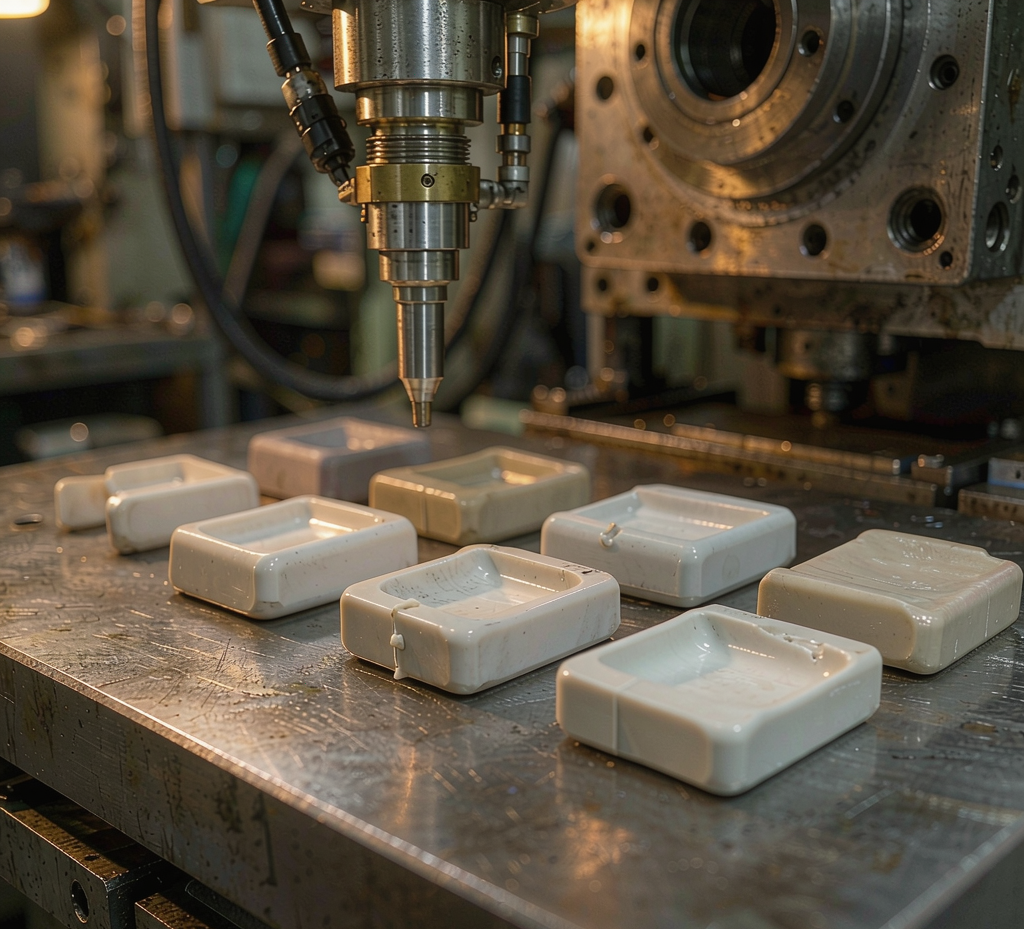
Heaters, thermocouples, nozzle tips and the temperature controller are wear-and-failure components. A failed heater mid-production stops the mold; a blocked or leaking nozzle tip can scrap parts before anyone notices. For US and European buyers running multi-year programs, the questions below matter as much as the tooling price:
- Spare parts: can critical components — nozzle tips, heaters, thermocouples, controller boards — be obtained quickly for the life of the tool?
- Repair responsibility: who diagnoses and repairs hot runner faults, and at what cost and response time?
- Downtime scope: does a hot runner fault stop the entire mold, and how is production continuity protected?
- Component records: are the brands and models of the controller, nozzles and heaters documented in the mold file?
- Maintenance plan: is there a written schedule for inspection, cleaning and preventive replacement?
What to Include in a China Injection Mold RFQ
The RFQ is where the runner decision becomes comparable: give every supplier the same inputs, and require both configurations quoted on identical scope.
What the buyer prepares
- 3D CAD and 2D engineering drawings at a named revision.
- Resin grade, color, filler content and any regrind restrictions.
- Part weight and estimated runner weight, if known.
- Annual demand, program life and estimated batch count.
- Cavity count, target cycle and press limitations, if defined.
- Appearance surfaces, gate positions, gate-mark and trimming requirements.
- Critical dimensions, tolerances, inspection and first-article acceptance criteria.
- Color-change frequency, batch plan and scheduled downtime windows.
- Hot runner component, spare-part, repair and warranty requirements.
What each supplier must return
- One-time tooling cost for the quoted configuration.
- Estimated cycle time and piece price.
- Runner weight, regrind policy and the material-cost assumptions behind the quote.
- Trial, acceptance and modification costs.
- Hot runner brand, components and spare parts (for hot runner quotes).
- Maintenance responsibility, warranty scope and expected repair costs.
- The key assumptions behind the quoted price and lead time.
Compare like with like
Ask each supplier to quote both a hot runner and a cold runner configuration for the same part, material, cavity count, volume and quality requirements. Without this, you may end up comparing one supplier's low-cost cold runner mold against another's fully equipped hot runner production system — and the cheaper quote may simply be a different scope.
Frequently Asked Questions
Is a hot runner always the better choice for high-volume production?
No. High volume makes a hot runner easier to justify, but the decision still depends on resin price, runner weight relative to the part, regrind policy, color-change frequency and gate requirements. A heavy runner in an expensive resin at stable volume favors a hot runner; a light runner in an inexpensive resin with frequent color changes may not.
How much extra tooling cost does a hot runner add?
It varies with the hot runner system type, cavity count, controller brand and gate design, so no single figure applies. The practical approach is to ask suppliers to quote both configurations for the same part, material, cavity count and volume, and compare the premium against your calculated annual savings.
Can cold runner material always be reground and reused?
Not always. Reuse depends on the resin, the customer specification and quality requirements. Some programs restrict or prohibit regrind, and regrinding adds handling, sorting, storage and quality-control costs. If the specification forbids reuse, the full runner cost must be treated as consumed material.
Does a hot runner eliminate gate marks?
No. A hot runner changes where and how material enters the cavity — for example through heated nozzle tips or valve gates — but the gate trace still depends on the specific design, product geometry and process. Define the appearance surfaces, permitted gate locations and gate-mark criteria in the drawing rather than assuming a gateless result.
Can a cold runner mold be converted to a hot runner later?
Sometimes, but it is an engineering project rather than a simple upgrade. Converting typically requires a manifold plate, nozzles, wiring and a temperature controller, plus reassessment of cooling, balancing and mold base strength. Have the tool builder evaluate the existing mold before assuming a conversion is feasible or economical.
What causes hot runner problems in production?
Common issues include heater and thermocouple failures, damaged or blocked nozzle tips, temperature-control faults, material degradation from long residence times and leakage. Prevention is a written maintenance plan, recorded component brands and models, spare-parts availability and a clear responsibility split for diagnosis and repair.
Planning an injection-molded part?
Send the part drawing, resin, quantity and quality requirements. Our engineering team reviews the mold design — runner configuration included — and can quote hot runner and cold runner tooling on identical scope, with cycle, material and maintenance assumptions stated up front.
- Runner-system recommendation based on volume, resin and gate requirements
- Both configurations quoted on the same part, material and cavity scope
- DFM feedback and first-article inspection before production release

Reviewed this guide on 2026-10-16. The comparison and the break-even model are buyer-side engineering information; the worked example uses demonstration assumptions only and is not industry-average data or a quotation. Real runner decisions should be recalculated with actual tooling quotes, resin prices, runner weights and maintenance terms. Technical and commercial questions are answered within 24 hours.