High-Precision Micro Injection Molding Services
Custom precision-molded plastic components with engineering-led DFM, tailored mold design, dimensional inspection and production support. Every project is evaluated against part geometry, critical tolerances, resin selection and target production volume.
This page is built for buyers with a drawing in hand: it sets out what we confirm, what is reviewed per project, and what we do not claim — so you can judge fit before sending files. Our micro molding engineering guide covers the process in depth.
The RFQ checklist on this page is shown in full. Select the text to reuse it, or use your browser's print / save-as-PDF — Goldcattle does not host downloadable files on this site.
Engineering & DFM
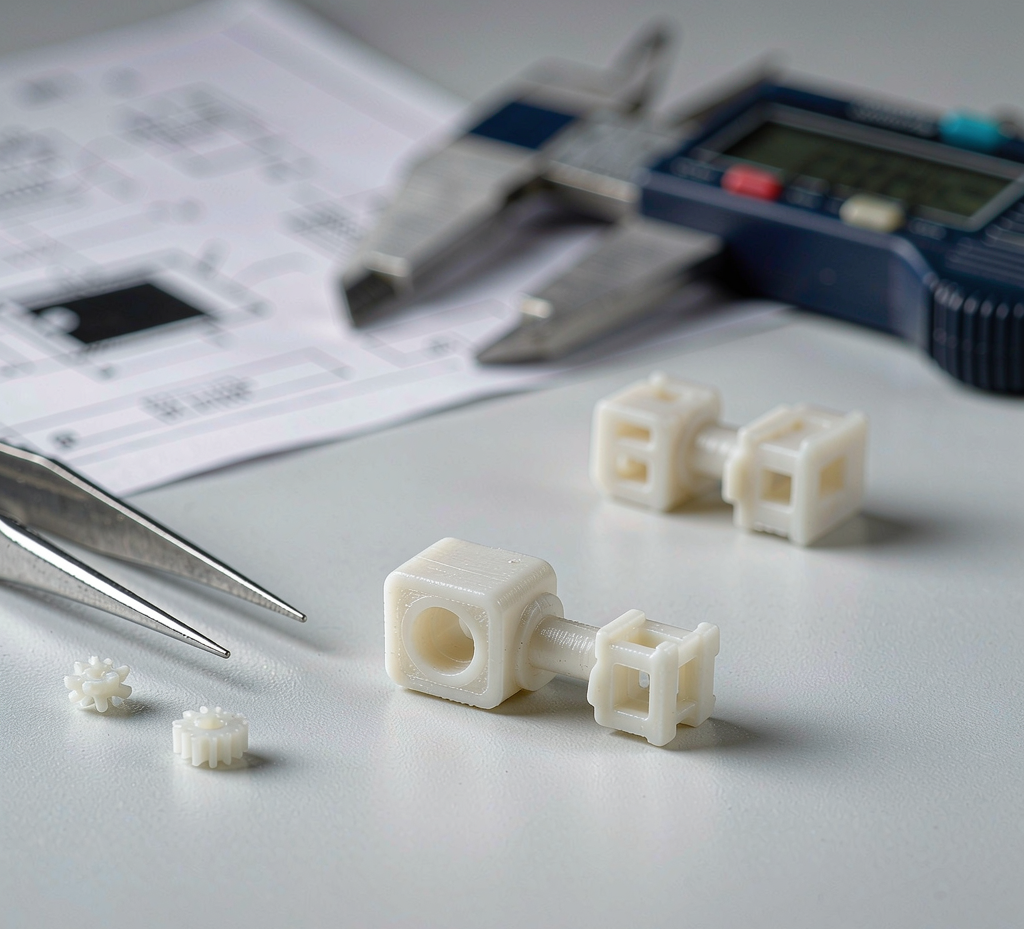
Drawing review before tooling: critical dimensions, gate, venting and ejection design reviewed against your part.
Precision Tooling
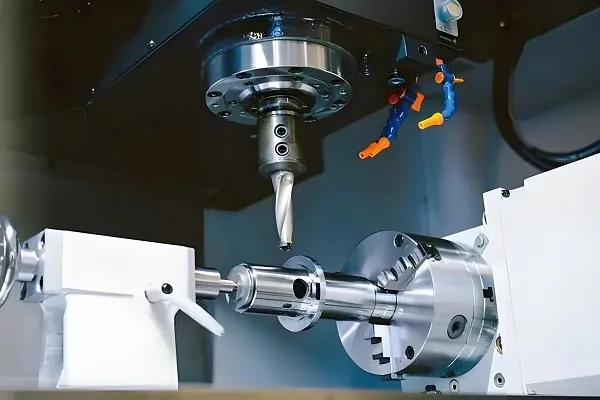
Molds made in-house — one of six core processes — including micro-cavity, gate and ejection structure.
Dimensional Inspection
First-article inspection with dimensional reports; the measurement method is matched to each critical feature.
Micro Molding Capabilities
High-precision micro injection molding is used to manufacture small plastic components with demanding geometric and dimensional requirements. Feasibility depends on the part geometry, resin, mold design, critical features and inspection method. Each project is evaluated against its required dimensions and production volume.
The table below is deliberately conditional. Where a parameter is confirmed per project, we say so — a supplier that publishes one blanket minimum or tolerance for every micro part is either describing a different process or guessing. What we can confirm today: in-house mold making under our ISO 9001:2015 quality system, a documented process window verified at mold validation, and dimensional evidence delivered with first-article inspection.
| Parameter | What it answers | Our position |
|---|---|---|
| Minimum part size | What is the smallest part outline you can produce? | Confirmed per project at DFM review — against your drawing, before tooling is committed. |
| Minimum feature size | How small a hole, rib, pin or wall can fill consistently? | Confirmed per part — it depends on resin flow, feature geometry and tooling strategy. |
| Dimensional tolerance | What tolerance can a critical dimension hold? | Application-dependent. Critical tolerances are reviewed against the resin grade, feature geometry, tooling strategy and measurement method before production approval. |
| Shot size / part weight | Can you run very small shots and part weights? | Small-shot process control is verified at mold validation; suitability is confirmed per project. |
| Mold capability | How are micro cavities, gates and ejection achieved? | In-house mold making — one of six core processes. Micro-cavity, gate and ejection design is reviewed at DFM. |
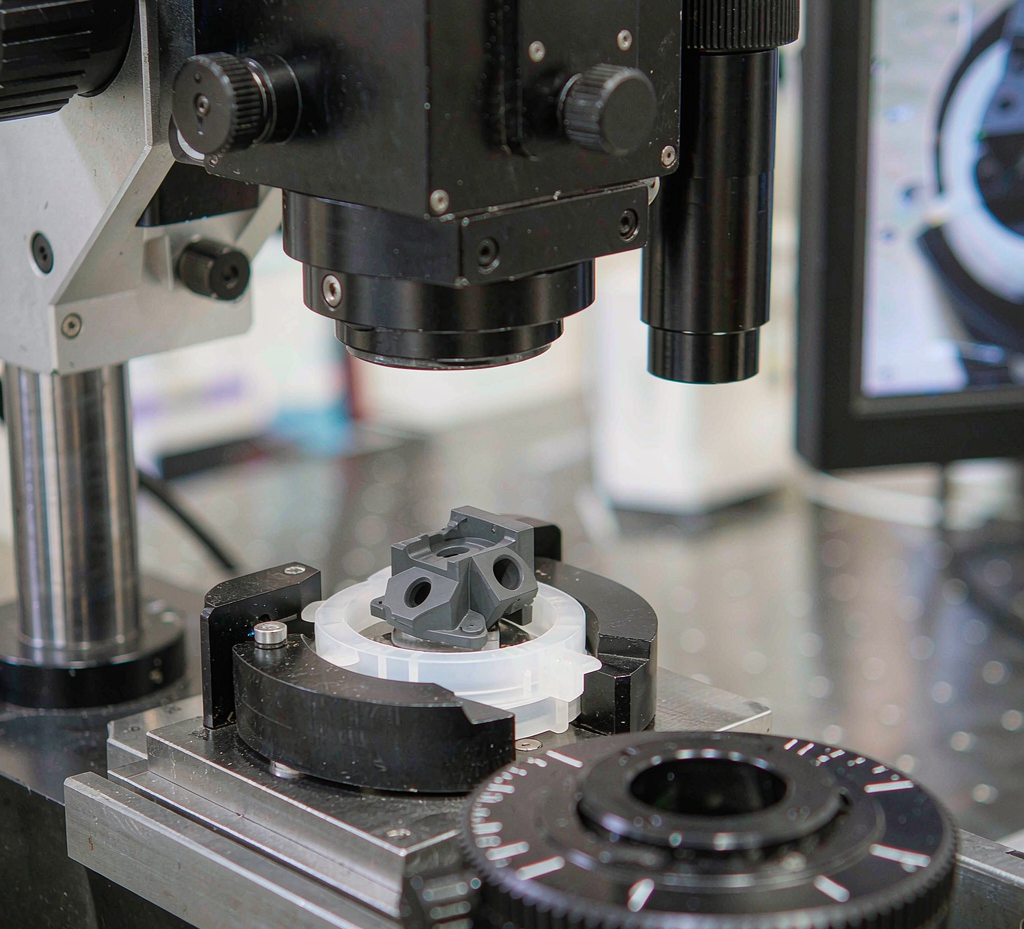
| Inspection capability | How are micro structures measured? | Optical measurement systems and CMM for accessible features; the method is matched to the feature and its tolerance. |
| Materials | Which resins and grades can you process? | Three families — unfilled commodity, engineering with fillers, high-performance; grade confirmed per project. |
| Production consistency | How is batch stability verified? | First-article inspection, a documented process window, cavity-to-cavity measurement and batch traceability. |
Three different numbers, three different meanings
Equipment positioning accuracy, mold machining accuracy and the plastic part's dimensional tolerance are different indicators. This page states plastic part tolerance as evaluated per feature — it does not present equipment or mold-shop figures as part tolerances, and it does not transplant general injection molding ranges onto micro-scale features without project-specific verification.
Micro Part Design & DFM
Micro molding defects are decided at design stage: thin-wall fill, gate and ejection design, shrinkage and which dimensions are truly critical. DFM review happens before steel is cut — generic injection molding rules are not applied to micro parts without verification.
- Thin wall and fill: can the melt fill thin structures? Material flow, flow length, venting and gate location are reviewed against the resin grade — not assumed from wall thickness alone.
- Micro gates and ejection: gate vestige, demolding damage and deformation of micro structures affect assembly and appearance; gate type, location and the ejection system are designed for the part's smallest features.
- Tolerance and shrinkage: material shrinkage, mold compensation, warpage and measurement error all land on the critical dimension; the tooling strategy and measurement method are chosen with the tolerance, not after it.
- CTQ optimization: which dimensions are critical-to-quality for assembly and performance, and which can be relaxed to cut mold and inspection cost — this distinction is the most reliable cost lever on a micro part.
Materials for Precision Micro Molding
Material selection is organized by the performance direction your part needs — not by a list of resin names. Actual grades, filled levels and supply are verified per project; a material listed on our general injection molding pages is not automatically validated for micro-scale conditions.
| Selection direction | Performance sought | Boundaries to confirm |
|---|---|---|
| POM / PA | Dimensional stability, wear resistance, mechanical performance. | Moisture absorption, shrinkage behavior and grade differences — confirmed against your tolerance. |
| PC | Impact performance, transparency in applicable grades. | Optical appearance requirements and residual stress on transparent parts. |
| PP | Chemical resistance, weight and cost efficiency. | Shrinkage and thin-wall fill difficulty at micro feature scale. |
| PEEK / PPS | High service temperature, chemical resistance, special mechanical performance. | Material grade, processing conditions and cost — reviewed before commitment. |
Resin certificates are tied to the production batch, so a shipped part can be traced back to its material lot. Standard materials and available grades are defined separately in our material documentation, and grade availability is confirmed at quotation.
Who We Serve — and How Each Buyer Type Is Qualified
Micro molding buyers arrive with different requirements. We qualify each project against its actual requirements rather than promising one capability set for every industry — the entry conditions below state what is confirmed before an application is accepted.
Electronics, electrical & sensor buyers
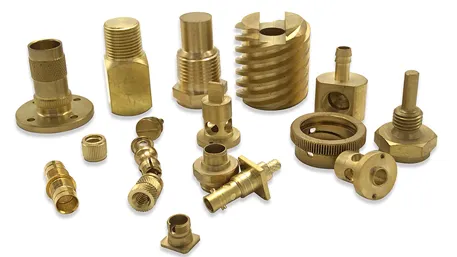
Connector housings, micro structural parts, small gears, clips and insulating components — where dimensional consistency, assembly fit, material performance and batch stability decide the program. Manufacturing capability for the corresponding parts is verified during engineering review before quotation.
Medical, diagnostic & microfluidics buyers
Beyond dimensions, these projects may require material traceability, biocompatibility documentation, controlled production conditions, special packaging, process validation and quality system audits. These projects are accepted only after the applicable documentation set, facility conditions and material validation are confirmed with you. We distinguish material declarations, supplier quality capability, facility conditions and final device compliance responsibility — and we make no certification claims for FDA or ISO 13485.
Automotive & industrial equipment buyers
Repeat-production dimensional stability, durability, batch traceability, process change control and continuous delivery capability. Customer-specific quality documentation requirements are agreed per project at quotation.
Regulated-industry note (medical device buyers)
The U.S. FDA's Quality Management System Regulation (QMSR) took effect on February 2, 2026 and incorporates ISO 13485:2016 into its framework. For medical-device components we describe our process controls as ISO 13485-aligned and confirm the applicable documentation set per project — this describes our working practice, not a certificate we hold. Final device compliance remains the responsibility of the device manufacturer; what we provide is the component-level process control, material traceability and documentation agreed in the quality plan. We hold no FDA registration and make no certification claim of that kind.
Quality Assurance: How Parts Are Proven
Buyers do not need a quality slogan — they need to know how a critical dimension is measured, how a sample is approved, how production is checked and what files come with the shipment. Micron-scale features require measurement methods matched to the feature, not a caliper reading.
| Stage | What is verified | Evidence delivered |
|---|---|---|
| First article | Critical dimensions against the drawing datum, cavity-to-cavity variation, flash and surface. | First-article inspection report with dimensional results per feature. |
| Sample approval | Sample conformance before any volume run. | Written approval from you — production does not start without it. |
| Production | The validated process window holds; in-process and final checks per the agreed quality plan. | In-process records and batch inspection results tied to the run. |
| Exception handling | Nonconformances are documented, dispositioned and closed — not shipped silently. | Nonconformance records with disposition agreed with you. |
| Documentation | What files can be provided with the shipment. | Material certificates, FAI report and batch records — scope confirmed in the quality plan. |
Manufacturing Workflow: From Drawing to Production
A micro molding project moves through eight gates. Each gate has a deliverable, and the schedule is confirmed at quotation — not promised in advance.
Drawings, critical tolerances, material and volume submitted.
Feasibility assessed against geometry, resin, tooling and measurement.
Critical dimensions, gate, venting and ejection design; CTQ definition.
In-house tooling with micro-cavity and ejection structure.
Process window documented; cavity-to-cavity dimensions measured.
FAI report submitted; your written approval before volume.
Stable runs against the validated window with in-process checks.
Batch records, traceability, agreed packaging and shipment.
Cost Factors and Project Terms
Four factors drive the cost of a micro-molded part. All four are controllable at design stage — which is why DFM review comes before the tooling quote, not after it.
| Cost factor | What drives it | How it is controlled |
|---|---|---|
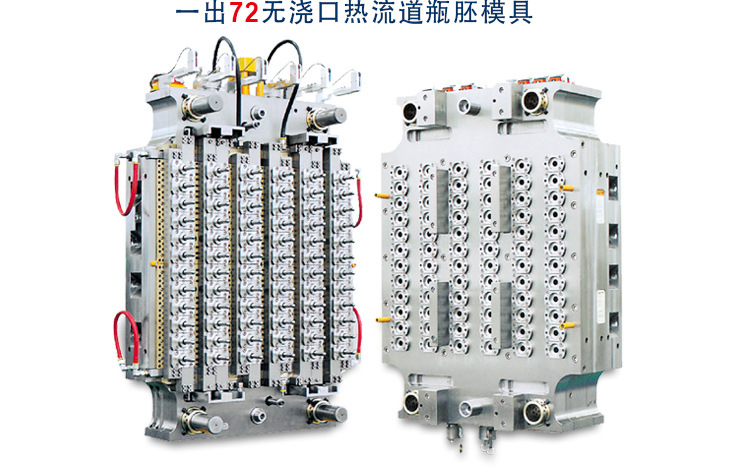
| Tooling | Cavity count, micro-cavity complexity, venting and ejection design. | Define critical-to-quality dimensions early; avoid over-specifying non-critical features. |
| Material | Resin grade, filler content, traceability requirements. | Select the grade against the part's function — not against maximum properties on paper. |
| Inspection | Measurement method, sampling plan, reporting depth. | Match the method to the feature; agree the sampling plan in the quality plan. |
| Volume | Annual quantity and batch plan. | Tooling investment amortized across the run — volume confirmed at quotation. |
Mold ownership
The mold is your asset. We store and maintain it, and can ship it to you on request.
Drawings & NDA
An NDA is signed before drawings are exchanged; your design files and tooling are not reused or shared with third parties.
Change management
Engineering change requests are reviewed and confirmed in writing before any drawing or process change — no silent changes.
Order size & lead time
Sample orders can start from a single piece; production batch sizes and the staged schedule are confirmed at quotation.
Project references
Anonymized part photos and dimensional reports can be shared at engineering review where customer authorization exists — we do not publish unverifiable cases.
Response
Technical and commercial questions are answered within 24 hours.
Request a Micro Molding Feasibility Review
The fastest route to an engineering answer is a complete RFQ. Eight items let our team assess feasibility, tooling strategy and verification before quoting — nothing here commits you to an order.
| Item | What to include |
|---|---|
| Drawings | 3D CAD and 2D drawings at a named revision (STEP, IGES, STL, DWG, DXF or PDF). |
| Critical dimensions and tolerances | Which features are critical, with target and limit values — these drive tooling strategy and measurement method. |
| Material / resin grade | Grade, color and filler content, or the performance requirement the material must meet. |
| Estimated annual volume | Annual quantity, program life and batch plan — this shapes the mold and unit-cost evaluation. |
| Prototype or production stage | Whether you need sample validation first or are moving straight to production tooling. |
| Industry / end application | What the part does and where it is used — this identifies any special quality or documentation requirements. |
| Inspection / certification requirements | Report type, sampling plan, and any material or regulatory documentation you need with the parts. |
| Target date and delivery location | Target dates for samples and production, plus destination, Incoterms and packaging requirements. |
Confidentiality: an NDA can be signed before drawings are exchanged — mention it with your inquiry and we will send it first. Drawings are used only for feasibility assessment, tooling and production on your project.
Frequently Asked Questions
What qualifies as micro injection molding?
Micro injection molding produces small plastic components with demanding geometric and dimensional requirements, where the part scale — feature size, tolerance or shot volume — drives the process. There is no single industry threshold; what qualifies is that fill control, gating, venting, ejection and measurement are each engineered for the part's scale rather than for a standard small-part tool.
What dimensional tolerances can you achieve for micro-molded parts?
Dimensional capability is application-dependent. Critical tolerances are reviewed against the resin grade, feature geometry, tooling strategy and measurement method before production approval. Molded tolerance is confirmed per critical feature at mold validation — it is not quoted as one blanket number.
What is the minimum practical part size?
There is no single published minimum, because feasibility depends on the resin, feature geometry, tooling strategy and measurement method. Minimum part and feature sizes are confirmed with your drawing during DFM review, before tooling is committed.
Which materials are suitable for precision micro molding?
Three families cover most projects: unfilled commodity resins such as PP, PE, ABS and PC; engineering resins with fillers such as PA, POM, PBT and PPS; and high-performance resins such as PEEK, PEI and LCP. Grade selection considers flow at micro scale, filler abrasion on the tool, service temperature and traceability requirements. A material available on our general injection molding pages is not automatically validated for micro-scale conditions — grade suitability is confirmed per project.
How do you inspect critical micro features?
The measurement method is matched to the feature and its tolerance: optical measurement systems for small or inaccessible features, CMM for accessible features, and visual standards for flash and appearance. First-article inspection reports document critical dimensions against the drawing datum, and cavity-to-cavity variation is measured rather than assumed.
How does mold design affect the cost of micro-molded parts?
Mold design sets tooling cost, per-part cost and inspection cost at the same time: cavity count and micro-cavity complexity drive tooling; gate, runner and ejection design drive cycle stability and scrap; and the tolerance you specify drives the measurement plan. Distinguishing critical-to-quality dimensions from relaxable ones is the most reliable way to reduce total cost without risking the part's function.
What information is needed for a micro molding quote?
3D CAD and 2D drawings at a named revision, critical dimensions and tolerances, resin or material requirement, estimated annual volume, prototype or production stage, industry and end application, inspection or certification requirements, and target date and delivery location.
Can you support prototype validation and production tooling?
Yes. Projects move from engineering review and DFM through mold build, trial shots with dimensional verification, written sample approval and then production tooling and volume runs. Sample orders can start from a single piece; production batch sizes and the staged schedule are confirmed at quotation.
Have a drawing for a small precision part?
Send the drawing, critical tolerances and material requirement. Our engineering team reviews feasibility against geometry, resin, tooling strategy and measurement method — then quotes tooling and production with the schedule staged by gate.
- Engineering-led DFM review before tooling is committed
- Critical tolerances and inspection method confirmed before production approval
- In-house mold making, FAI approval and batch traceability

Reviewed this page on 2026-10-20. Capability statements follow our verified production practice; feasibility, tolerances, materials and documentation for your part are confirmed per project at engineering review and mold validation. Technical and commercial questions are answered within 24 hours.