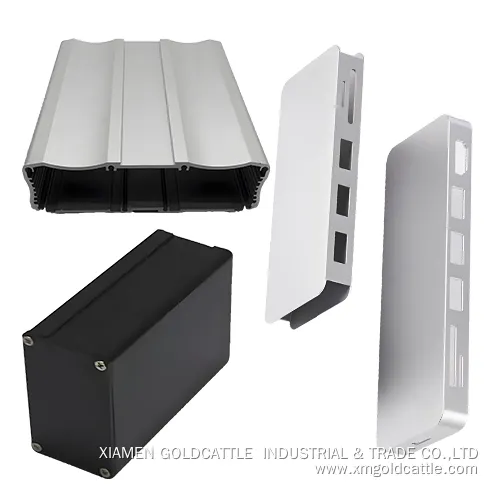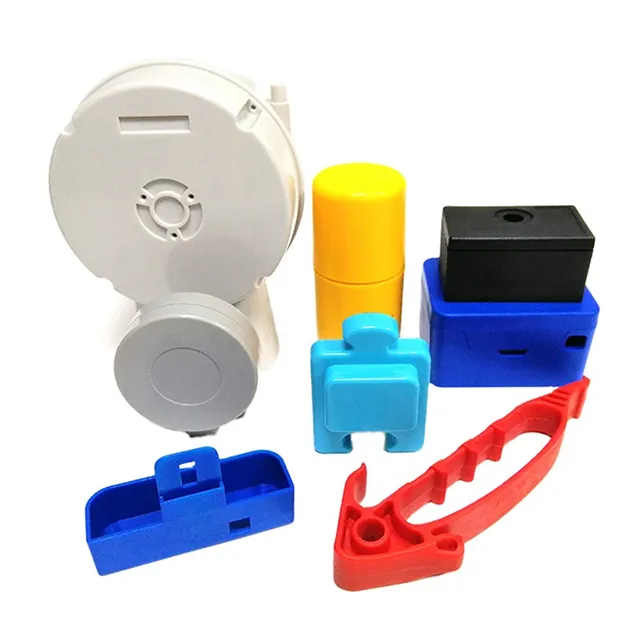
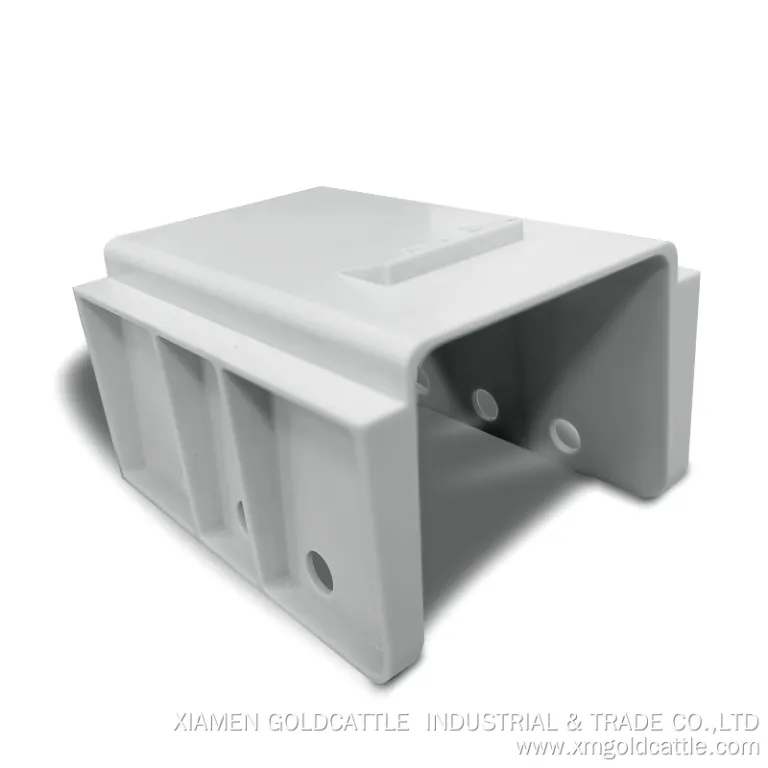


Custom ABS Plastic Enclosure Molding
Place of origin : Xiamen, China
Brand Name : JSD
Model : IM:17
Plastic mold type : Injection molding
Product Name : Molded Parts
Name : Customized Processing
Service : OEM ODM
Item : OEM Precision
Material : Plastic
Surface treatment : spray painting
Color : Customer’s color
Description
Custom housing · drawing based
Custom ABS Plastic Enclosure Shells
Molded to your drawing. Finished to your color. Checked as an assembly part.
Most enclosure problems are not molding problems. They start at a boss that cracks, a rib that sinks, a coat of paint that closes a fit, or a sealing groove that was never designed. This page shows how those points are reviewed before a tool is cut, and what the first samples are measured against.
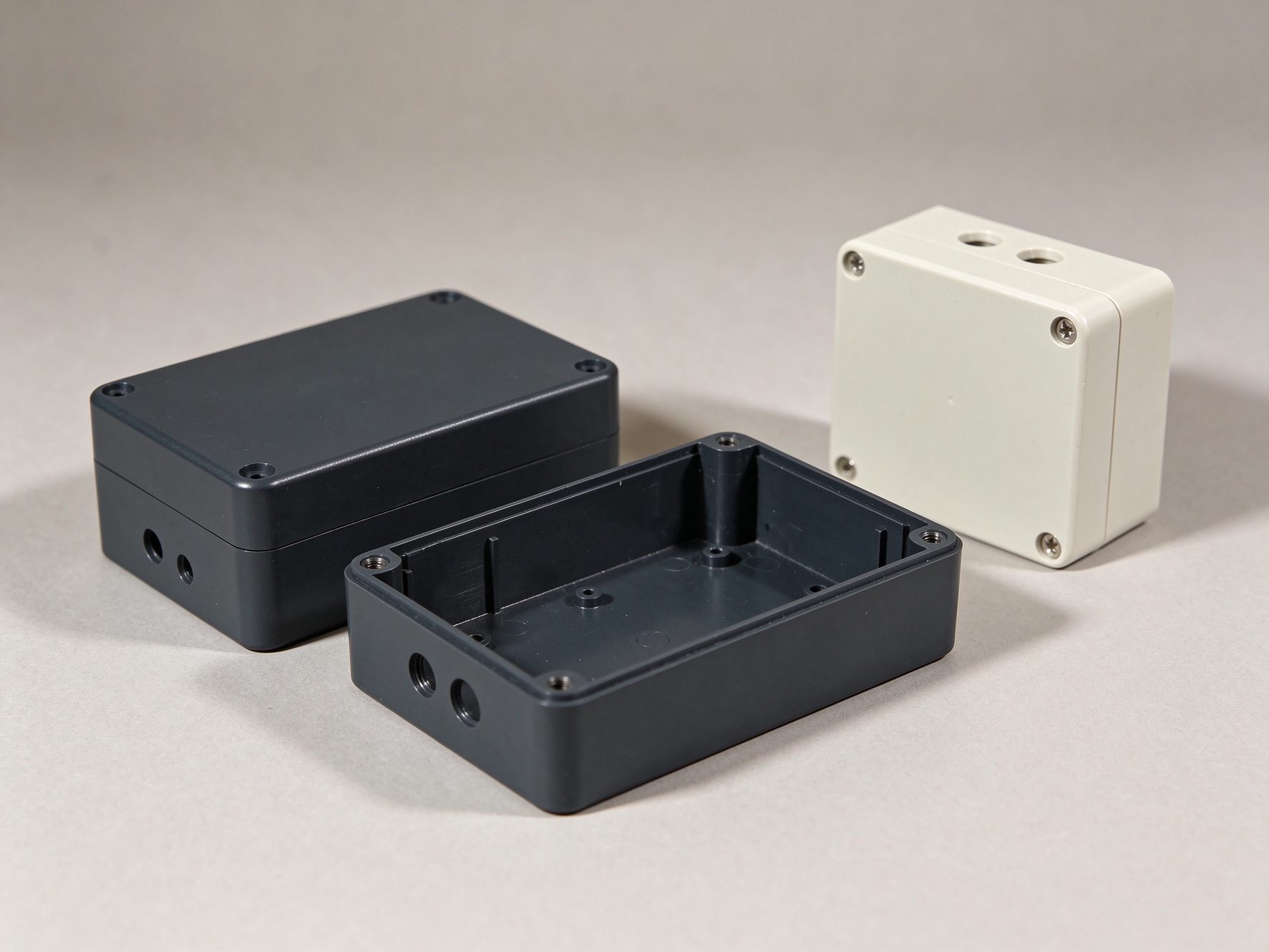
What this page is for
A housing is a part with a job: hold a board, close a gap, carry a connector, survive a drop, look right on a shelf. The page is written around that job.
What we make
Custom ABS housings from a drawing: single wall or two part, one to eight cavities, with bosses, ribs, snap-fit, inserts, connector openings and a sealing groove where the design needs one.
What this page does not claim
No IP rating from the resin alone. No UL94 level without a named grade, color and thickness. No long outdoor life without a stabilized grade. Those are documents and tests, not adjectives.
Who it fits
Industrial controls, instruments, small equipment, gateways and devices where the housing carries the board and the user sees the outside every day. If the part is a plain box, a standard size may be cheaper.
This page covers the housing as a manufactured part. Material science, generic enclosure types and industry-specific enclosure design sit on other pages, so this one stays specific enough to quote from.
Product specifications
Values below are the ones a housing program actually fixes. Anything marked as drawing or as confirmed is not a promise until the drawing and the resin are agreed.
| Product type | Custom injection molded ABS housing, one part or two part |
|---|---|
| Material | ABS. Grade fixed per application: general purpose, high impact, flame retardant or UV stabilized |
| Process | Injection molding. Painting, printing and assembly as specified |
| Dimensions | Per customer drawing. No standard size range is offered on this page |
| Wall thickness | Per part design. Reviewed at DFM against flow, sink and drop risk |
| Tolerance | Set by geometry, shrinkage and assembly fit. Critical dimensions are listed on the drawing and measured on the first article |
| Surface | Spray painting in matte, satin or gloss. Tool texture where the design calls for it |
| Color | RAL, Pantone or an approved physical sample |
| Assembly | Screws, snap-fit, threaded inserts or adhesive, as drawing |
| Marking | Pad printing or laser marking, if specified |
| Tooling | New tool built by us, or production in a customer owned tool |
| Records | Resin data sheet, first article report, dimension report, color sample |
A molded part is not a machined part. One tolerance number does not apply to every surface of a housing, and a number borrowed from CNC work is not a molding commitment.
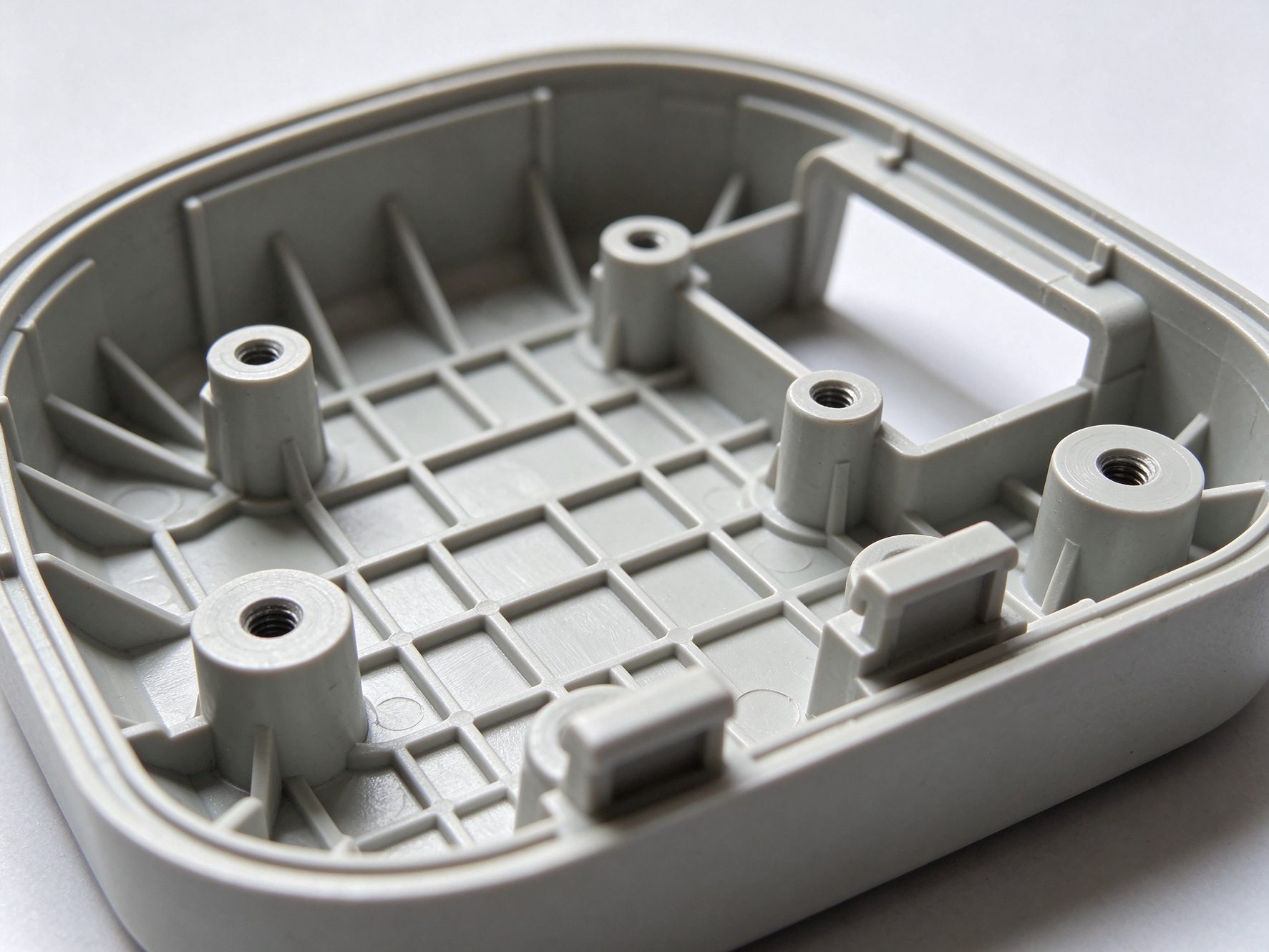
The inside decides the assembly
Six features carry most of the risk in a housing. Each is cheap to change on a drawing and expensive to change after steel.
Mounting bosses
Bosses locate the board and take the screw load. A boss wall thicker than the nearby wall sinks on the outside face; a boss with no rib support cracks under torque. We set boss outside diameter against wall thickness, add support ribs and check screw depth before tool design.
Reinforcement ribs
Ribs add stiffness without adding wall. Deep ribs in a thin section can short shot, and ribs that meet a boss at a sharp angle create a sink mark on the visible face. Rib thickness, depth and spacing are reviewed against fill and appearance.
Snap-fit joints
A snap saves a screw and adds an undercut. The latch needs travel, a release path and enough draft to eject. We check undercut depth against part stiffness, and place the latch where the tool can release it without a lift.
Threaded inserts
Inserts allow repeated assembly in a plastic housing. The boss around the insert must hold hoop stress, and the insert type sets the boss diameter. We confirm insert size, wall and installation method before the cavity is cut.
Connector and cable openings
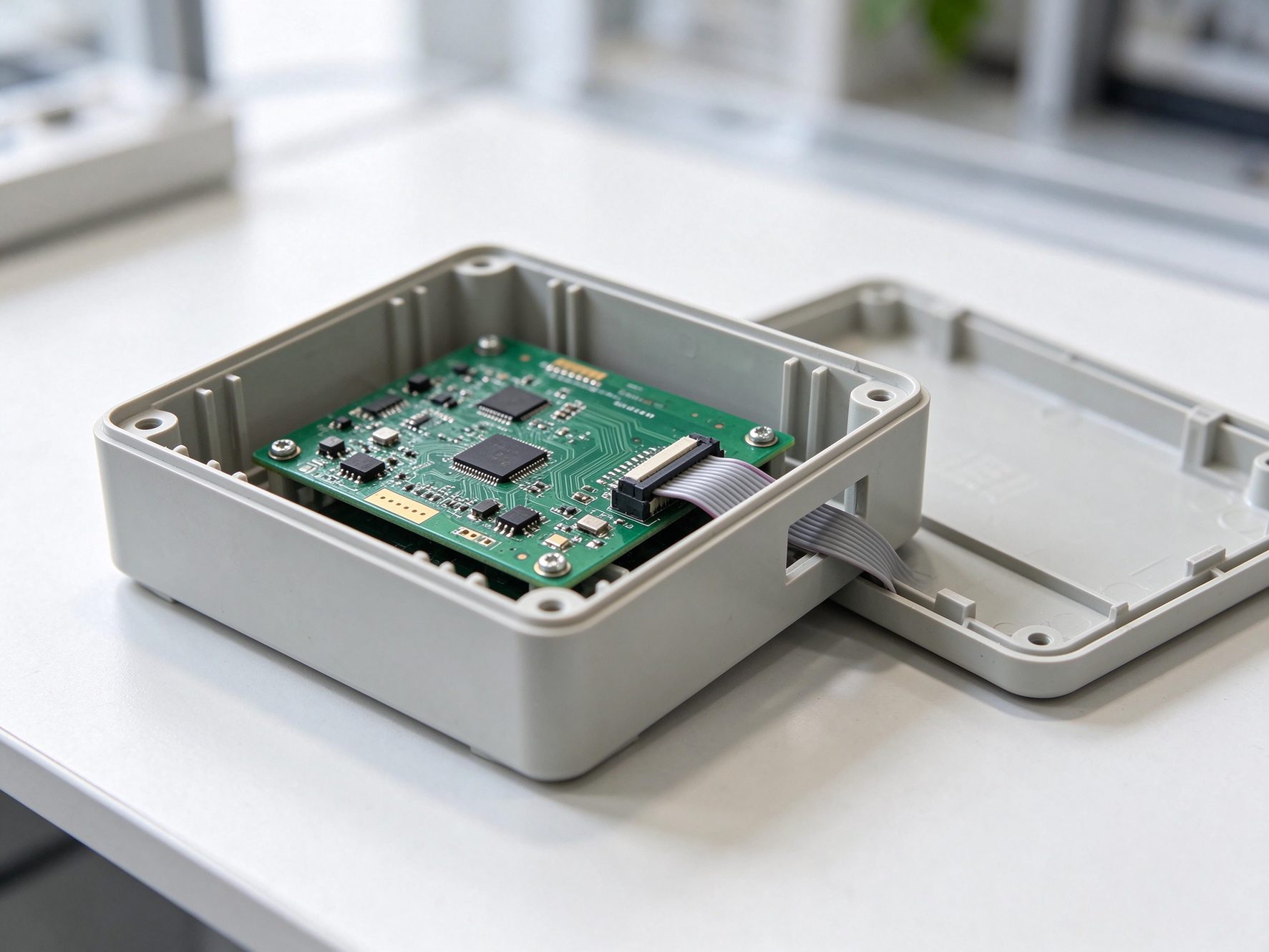
An opening is a fit and a sealing point at the same time. Position is set by the board, size by the connector, and the edge needs enough land to avoid cracking. Cutouts are reviewed with the board layout, not from the housing drawing alone.
Sealing groove and parting line
A groove only works if the gasket has room to compress and the two halves meet on a flat land. Parting line position, groove depth and screw spacing together decide whether the joint can seal. Paint must stay off the land.
ABS is a default, not a universal answer
ABS gives a good balance of stiffness, impact and surface finish for indoor equipment. It has limits, and the grade decides most of them.
| Variant | Use when | Limit to know |
|---|---|---|
| General purpose ABS | Indoor housings, normal drop risk, good finish | Not for long sun exposure |
| High impact ABS | Drop, vibration or handling risk | Flow and stiffness change, so wall and gate are reviewed again |
| Flame retardant ABS | A flame requirement is named in the specification | Rating is tied to grade, color and thickness, not to the family name |
| UV stabilized ABS | Some outdoor use with a defined life | Life depends on grade, color and exposure, and is not unlimited |
| ASA | Long sun exposure, color retention matters | Higher cost and a narrower color range |
| PC/ABS | Higher impact plus some heat | Drying and flow control are stricter |
| PC | Heat resistance or a transparent window | Higher melt temperature and tool wear |
RoHS and UL94 are not the same kind of statement. RoHS is a restriction on named substances and is documented per material. UL94 is a material rating at a given thickness. Neither one is a certificate for the finished housing unless the document names the grade and the condition.
Resin data and availability: materials we mold.
Paint changes the part
A coating is a process step with thickness, heat and handling. It can close a thread, blur a step, or shift a color between batches.
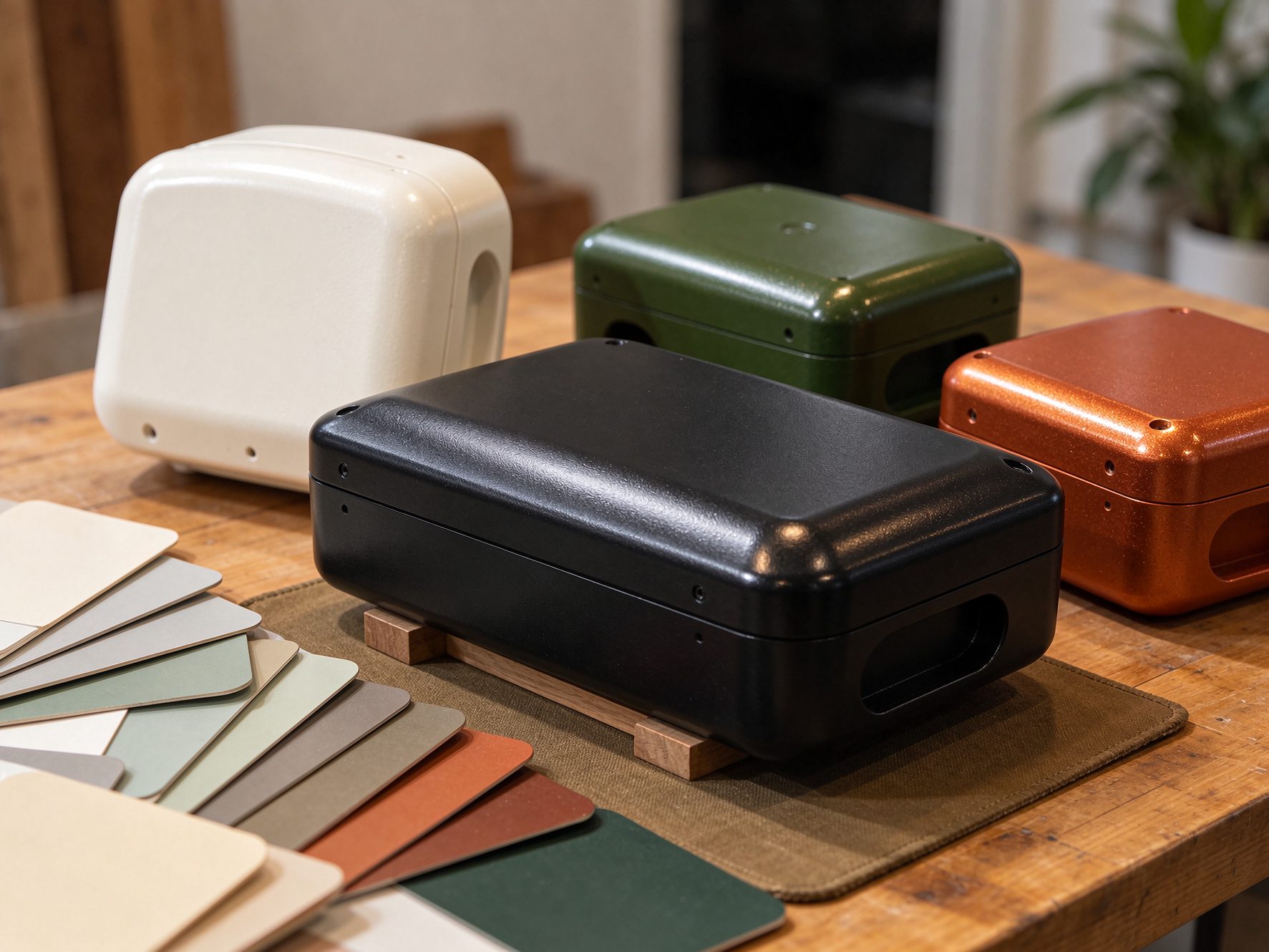
Color is agreed against a reference, not against a word. RAL and Pantone give a starting point; a physical sample settles the gloss and the surface. The approved sample is kept and used for every later batch.
| Color reference | RAL, Pantone or approved sample, with the light condition for comparison |
|---|---|
| Gloss | Matte, satin or gloss, stated as a range rather than a word |
| Texture | Tool texture or coating texture. Texture hides flow marks and changes touch |
| Masking | Screw holes, mating faces and sealing lands stay uncoated |
| Coating build | Thickness is agreed, because it moves a fit and can block a thread |
| Adhesion | Checked on the agreed substrate with a cross-hatch or tape test |
Painting also means handling. Parts are racked, baked and packed, and each step can add a scratch or a dust speck. Appearance limits are agreed with a sample before the first batch, so a reject is a defined reject.
Painting and other finishing steps: surface finishing.
Sealing is an assembly result
An ABS housing can be designed for IP65. The resin cannot be rated on its own.
What decides the rating
Gasket groove depth and width, gasket hardness and compression, screw count and torque, cover overlap, cable entry and the flatness of the sealing land. Change one and the result changes.
What we can do
Design the groove and land, set screw positions, leave the land uncoated, build the tool and assemble samples. The test itself is run on the assembled unit at the agreed condition.
What we will not do
Print IP65 on a housing that has not been tested, or call a resin water resistant. A rating is a test result with a date, a sample and a condition.
How a housing gets built
Eight stages. The first two decide most of the cost, and the fifth decides whether the tool is finished or still moving.
Drawing and DFM review
Wall, draft, bosses, ribs, gate, ejection and assembly interfaces are reviewed together. The issue list is agreed before a tool is quoted.
Tool design
Parting line, cavity layout, cooling, ejection and the dimension chain. The drawing the shop works to, not the customer drawing.
Steel and T1
Cavity and core cut, inserts fitted, texture applied where specified. First samples are molded and measured, not just looked at.
Correction to T2
Steel-safe changes, gate adjustment, texture and fit corrections. The second round confirms the changes before production is released.
Molding
Resin dried to the data sheet, fill and pack set, first-off parts checked against the drawing. Process settings are recorded for the run.
Finishing
Deflash, paint, print, inserts and assembly. Masking is applied before coating, and parts are racked to protect the coated faces.
Inspection
Dimensions, appearance, coating and assembly fit checked against the agreed limits. Records stay with the batch.
Packing
Parts protected for transit, counted and labelled. Packaging is agreed with the volume, because it is part of the unit cost.
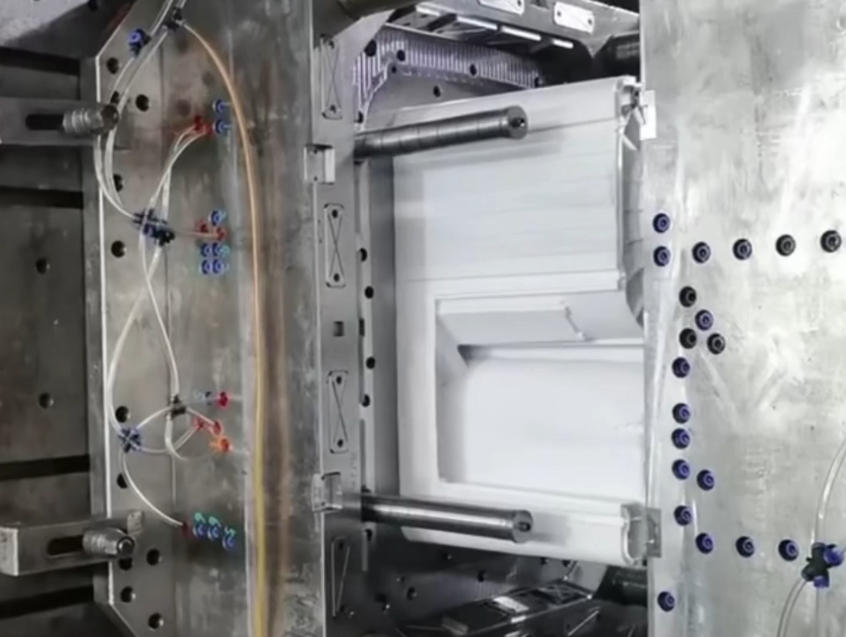
What the first shot tells us
A short, oily or warped first part is a process signal, not a packing problem. Fill, pack and cooling are adjusted before the run continues, and the change is written into the process sheet for the next batch.
Molding capacity and machine range: injection molding services. Tool building: mold manufacturing.
What gets checked, and what you receive
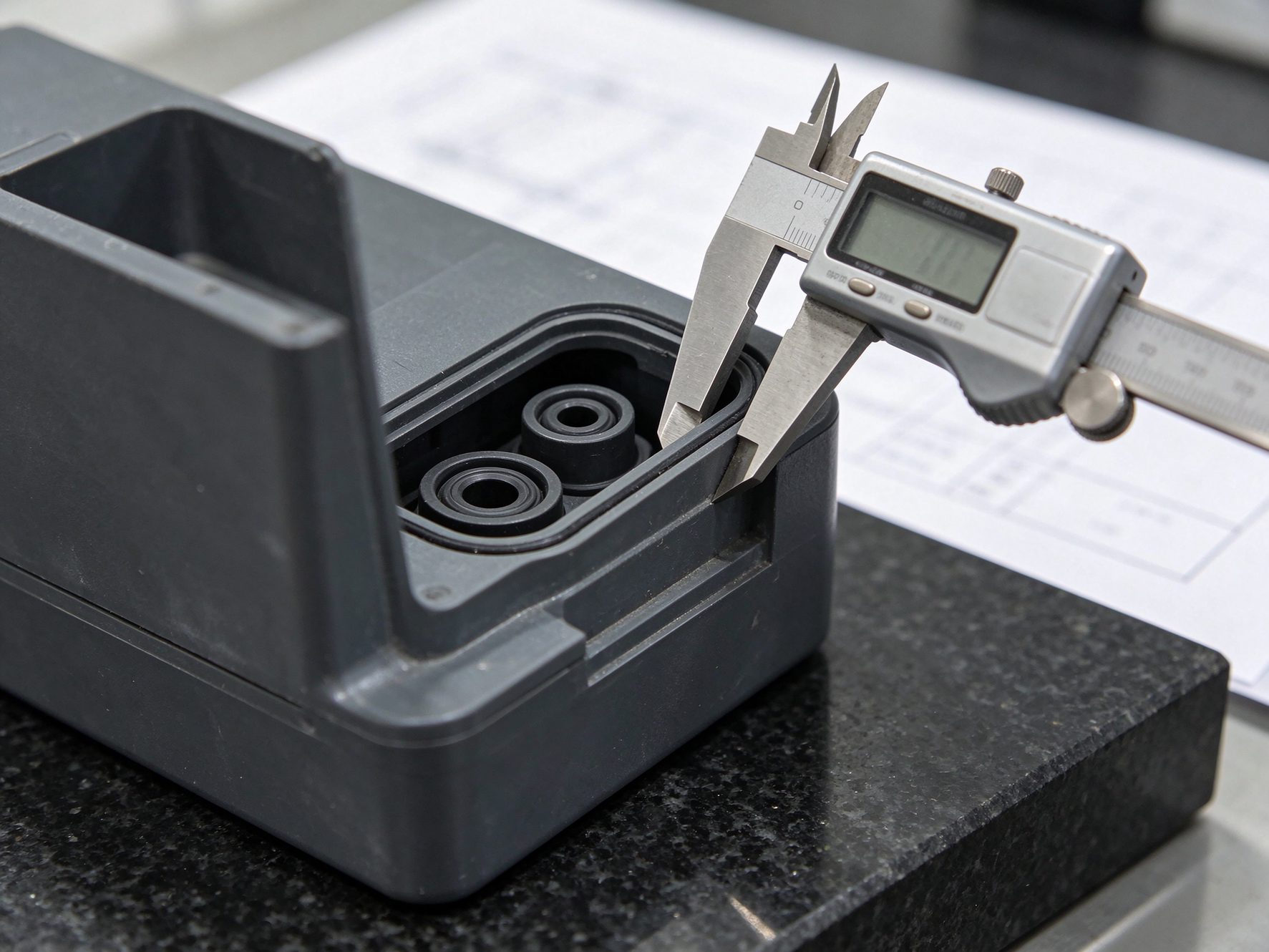
A report is only useful if it names the feature, the instrument and the limit. These are the checks a housing program normally carries.
| Check | What is measured | Record |
|---|---|---|
| Dimensions | Overall size, boss centers, opening positions, cover step | First article and dimension report |
| Assembly fit | Board on bosses, cover closing, snap travel, screw engagement | Assembly check sheet with the real board |
| Appearance | Sink, flow lines, short shot, flash, scratches, dust | Appearance limit sample and inspection note |
| Coating | Color against sample, gloss, coverage, adhesion | Color sample and adhesion test record |
| Material | Grade, lot, data sheet, RoHS document where required | Resin data sheet and lot record |
| Sealing or flame | Only where specified: IP test on the unit, UL94 document for the grade and thickness | Test report or material certificate |
Quality system and certificates: quality and certifications.
What moves the price
Unit price is the last number in the conversation, not the first. These six items decide it, and five of them are set by the drawing.
Tool and cavities
One cavity is cheaper to build and slower to run. Four or eight cavities cut cycle cost per part but raise the tool budget. The right count follows the annual volume, not the quote sheet.
Wall and cycle
A thick wall needs longer cooling and uses more resin. A wall that is too thin saves material and creates short shots and weak bosses. The balance is a DFM decision.
Resin grade
High impact, flame retardant and UV stabilized grades cost more than general purpose ABS. The grade should come from the use, not from a habit.
Paint and masking
Each color adds a setup. Masking screw holes and sealing lands adds hand work. A two color housing is not two painted parts at the same price.
Inserts and assembly
Threaded inserts, snap-fit testing and board assembly add operations. If the housing arrives assembled, the packing and the test also change.
Volume and packing
Setup cost is spread over the batch. Low volume with a painted finish carries more per part. Packaging is quoted with the part, not after.
A cheaper unit price can hide a tool that needs two more correction rounds. The comparison that matters is landed cost at the agreed quality level, over the life of the program.
Tooling options: custom injection molds.
Five ways a housing fails
These show up after the tool is cut, which is the most expensive place to meet them. Each has a design-stage answer.
01 A sink mark on the visible face
What you see: a shallow dimple above a boss, most visible on a gloss or dark surface.
What we change: boss outside diameter, wall transition, rib support and gate position. Appearance limits are agreed before texture is applied.
02 A short shot at a thin rib
What you see: a rib that stops halfway, or a weak zone near the gate.
What we change: rib thickness and depth, gate size and location, venting and injection speed. A rib that cannot fill is a design issue, not a machine setting.
03 Warp after painting
What you see: a cover that closes before coating and rocks after it, or a flat face that bows.
What we change: wall symmetry, gate balance, racking and bake temperature. Painting adds heat, and an unbalanced wall moves under heat.
04 Color drift between batches
What you see: the second batch is a shade off, or gloss reads different under line light.
What we change: hold one approved sample, record the resin lot and the paint batch, and compare under the same light. A batch is judged against the sample, not against the last shipment.
05 Interference after coating
What you see: a connector no longer seats, a screw cross-threads, or the two halves sit proud.
What we change: mask mating faces, keep coating off the sealing land, define the coating build and check the fit with coated parts, not bare ones.
How other builds were recorded: case studies.
Request for quotation
Send the drawing, not the adjective
A housing is quoted against a drawing, a resin and a volume. With those, the reply can name the cavity count, the steel, the finish steps and the checks. If the design is still moving, send it anyway and ask for a DFM review first.
What to include
- STEP file, plus a 2D drawing with critical dimensions marked
- Resin grade, or the working temperature and outdoor exposure
- Color reference and gloss: RAL, Pantone or a physical sample
- Annual volume, first order quantity and packing preference
- New tool or existing tool, and who owns it
- Compliance target: RoHS, UL94, IP, or none
Questions buyers ask before a tool is cut
Short answers, written for the person who has to defend the decision to a colleague.
Can you mold an ABS enclosure to my CAD file?
Yes. We work from a STEP file plus a 2D drawing that marks the critical dimensions. The drawing should show the parts that must fit: PCB height, connector position, screw pitch, cover overlap and any sealed face. We review wall thickness, draft, boss walls, rib layout and gate position before quoting a tool. If the file is still moving, send it anyway and ask for a DFM review first, because changes after steel is cut cost more than changes before.
What tolerance can an injection molded ABS housing hold?
An injection molded housing does not carry one tolerance for every surface. Wall thickness, shrinkage, gate location and part geometry all move the result. We set tolerances from the drawing: tight on assembly fits such as boss centers and cover steps, wider on free surfaces. If a dimension must hold, it is called out and measured on the first article. A single number copied from CNC work is not a molding promise.
Which ABS grade should I choose?
Start from the use, not the material name. Indoor equipment with normal drop risk usually runs general purpose or high impact ABS. A flame requirement means a specified FR grade, and the rating must match grade, color and thickness. Long sun exposure points to ASA or a UV stabilized grade. Higher heat or a transparent window points to PC or PC/ABS. Send the working temperature, outdoor exposure and compliance target and we name a grade with its data sheet.
Can the housing be spray painted to a Pantone color?
Yes, when the color is fixed against a reference. Send RAL, Pantone or a physical sample, plus the gloss level: matte, satin or gloss. We mask screw holes, mating faces and sealing grooves so coating does not close a fit. First parts are compared with the approved sample under agreed light. Batch color is checked against the same sample, not against the previous batch.
Can you add bosses, ribs and snap-fit features?
Yes. Bosses, ribs, snap-fit latches, threaded inserts and connector openings are normal mold features. Each one has a rule: boss wall thickness against sink, rib depth against short shot, snap undercut against ejection, insert position against cracking. We review these at DFM and list the changes that reduce risk before the tool is cut. The review note shows what moved and why, so the tool design starts from an agreed part.
Can an ABS enclosure be rated IP65?
An ABS housing can be designed for IP65, but the rating belongs to the assembled unit, not to the resin. It depends on the gasket groove, gasket hardness and compression, screw count and torque, cable entry and the cover overlap. We can design and build the sealing features, and the rating is confirmed by testing the final assembly under the agreed condition. We do not print an IP number on a housing that has not been tested.
Do you make the mold as well as the molded parts?
Yes. We build the tool and run the parts, or run parts in a tool you already own. If we build the tool, the quote separates tooling from part price so you can see both. Tool ownership, maintenance and transfer are agreed in the order, because a housing program usually outlives the first purchase order. The order also states who pays for tool maintenance after the warranty period and what happens to the tool if the program stops.
Can you produce parts in our existing mold?
Yes, if the tool is in a condition to run and the drawing matches. We ask for the tool history, the last process sheet and the part drawing before quoting. If the tool needs work, we quote the repair separately. Running an existing tool is often the fastest path for a second source or a short production run. We also compare the tool's last approved drawing with the part you want, because a mismatch there is cheaper to find at review than at the first shot.
What is the minimum order quantity for a painted housing?
There is no single minimum. The workable batch depends on the tool, the resin, the paint setup and the packing. A painted housing with four colors cannot run in the same batch size as an unpainted one. Send the annual volume and the first order quantity, and the reply states a batch we can run at a sensible cost rather than a number that sounds good.
What do you need to quote an ABS enclosure?
Send a STEP file, a 2D drawing with critical dimensions, the resin or the application conditions, the color reference and finish, the annual volume, the first order quantity, and whether you need a new tool or already have one. Add any compliance target such as RoHS, UL94 or IP. With those, the reply can be specific about cavity count, steel, finish steps and inspection.
How long does a new housing tool take?
Tool build time depends on cavity count, steel, texture and the number of trial rounds, so it is fixed after DFM, not before. The sequence is drawing review, tool design, steel and T1, correction to T2, then production. We give a dated plan with the trial dates once the design is agreed, and we do not quote a lead time that assumes no correction round.