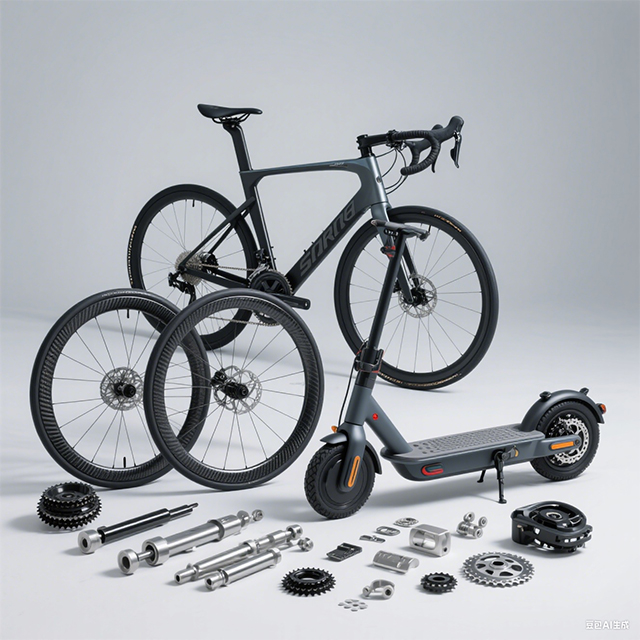
Custom CNC E-Bike Parts | Stainless & Aluminum
|
Attribute Category
|
Detailed Information
|
|
Product Name
|
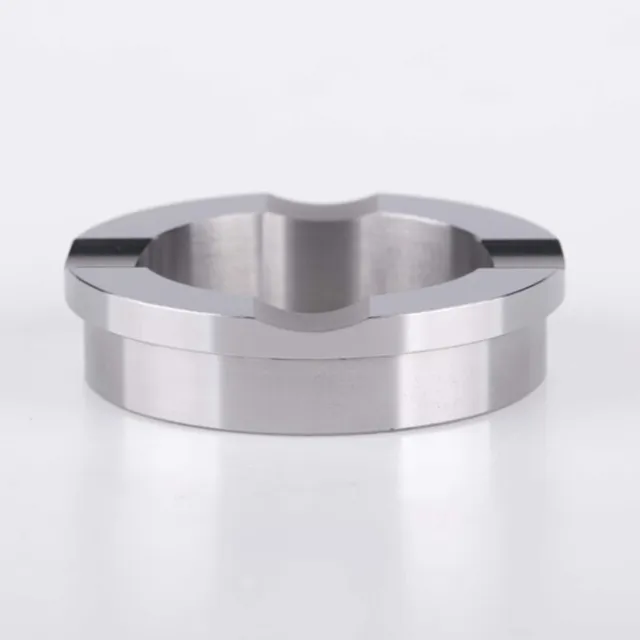
Custom CNC-Machined Electric Bicycle Parts, Stainless-Steel Bicycle Head Parts, and Bicycle Accessories
|
|
Manufacturer
|
Professional Customization Factory
|
|
Processing Method
|
Computer Numerical Control (CNC) machining technology for high-precision custom production
|
|
Core Material
|
Stainless steel (used for head parts, with excellent corrosion resistance and strength; other materials can be customized according to requirements for other accessories)
|
|
Product Types
|
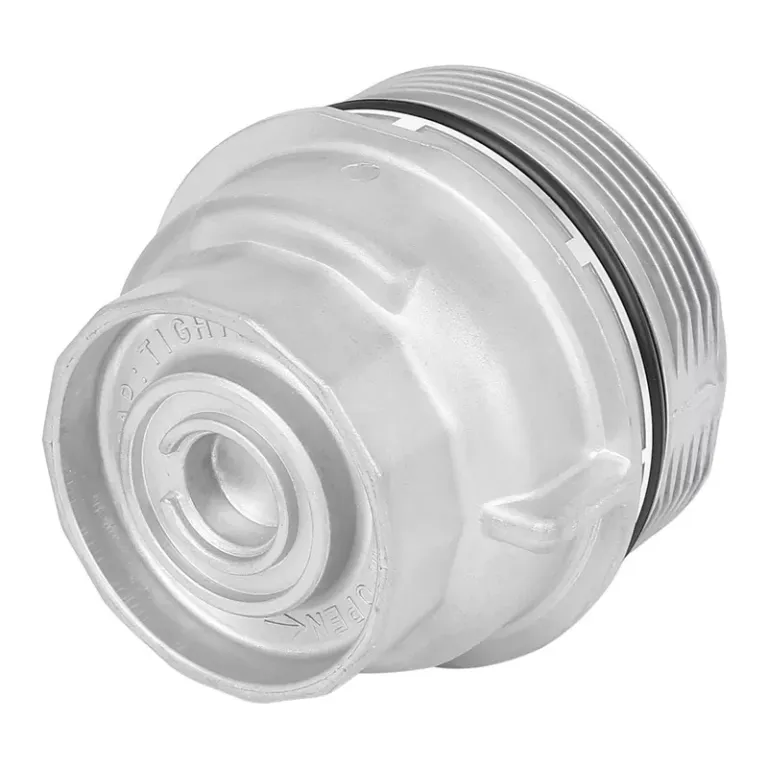
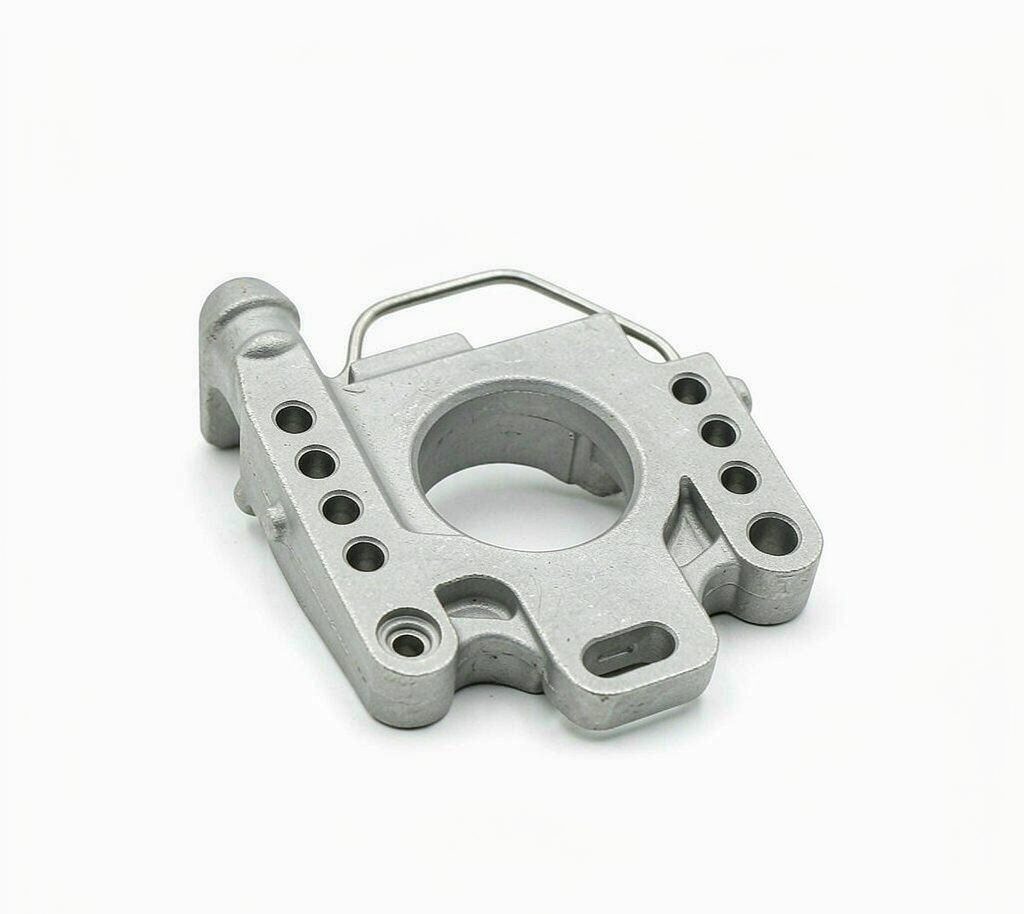
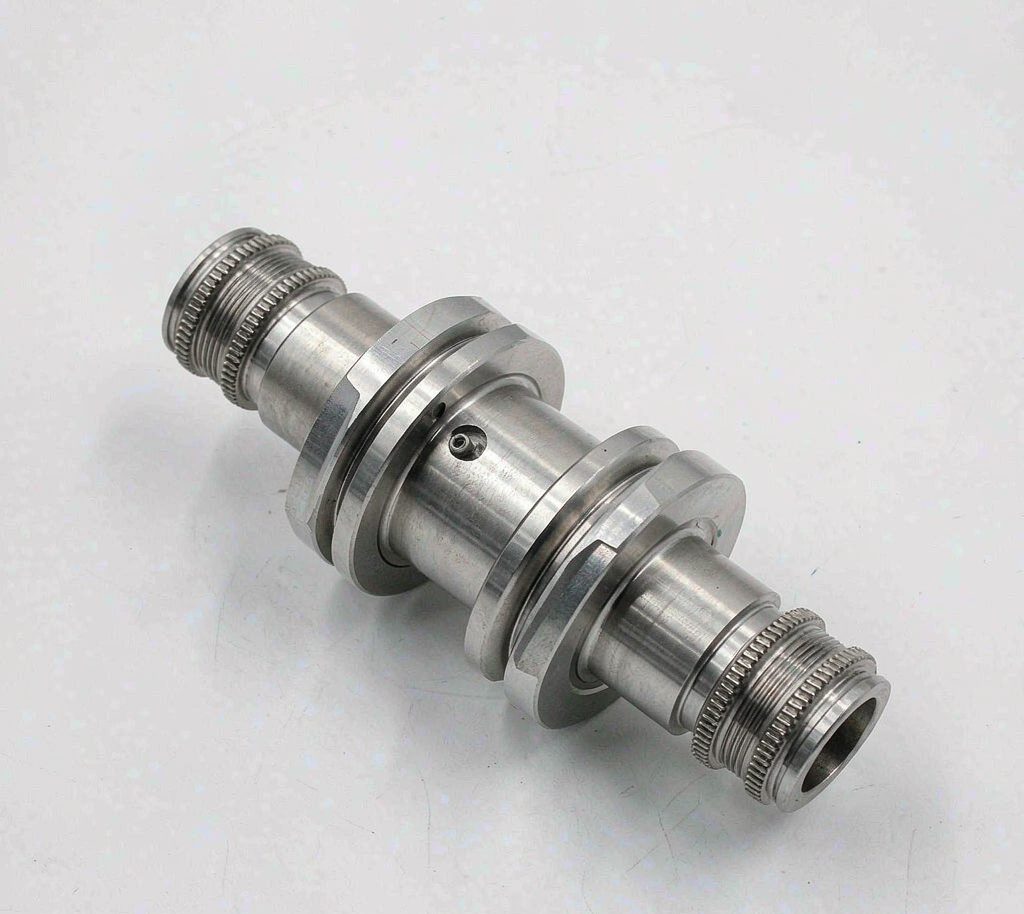
① Electric bicycle parts (including key components such as transmission and braking parts)② Stainless-steel bicycle head parts (such as head tubes, headset cups, etc.)③ Bicycle accessories (covering connectors, decorative parts, protective parts, etc.)
|
Description
Custom CNC Machined E-Bike Parts
Precision components for e-bike systems — machined from your drawing, controlled to the interfaces that actually carry load.
- Motor · headset · brake · axle
- Aluminum & stainless
- 3 to 5-axis CNC
- Prototype → production
Product Snapshot
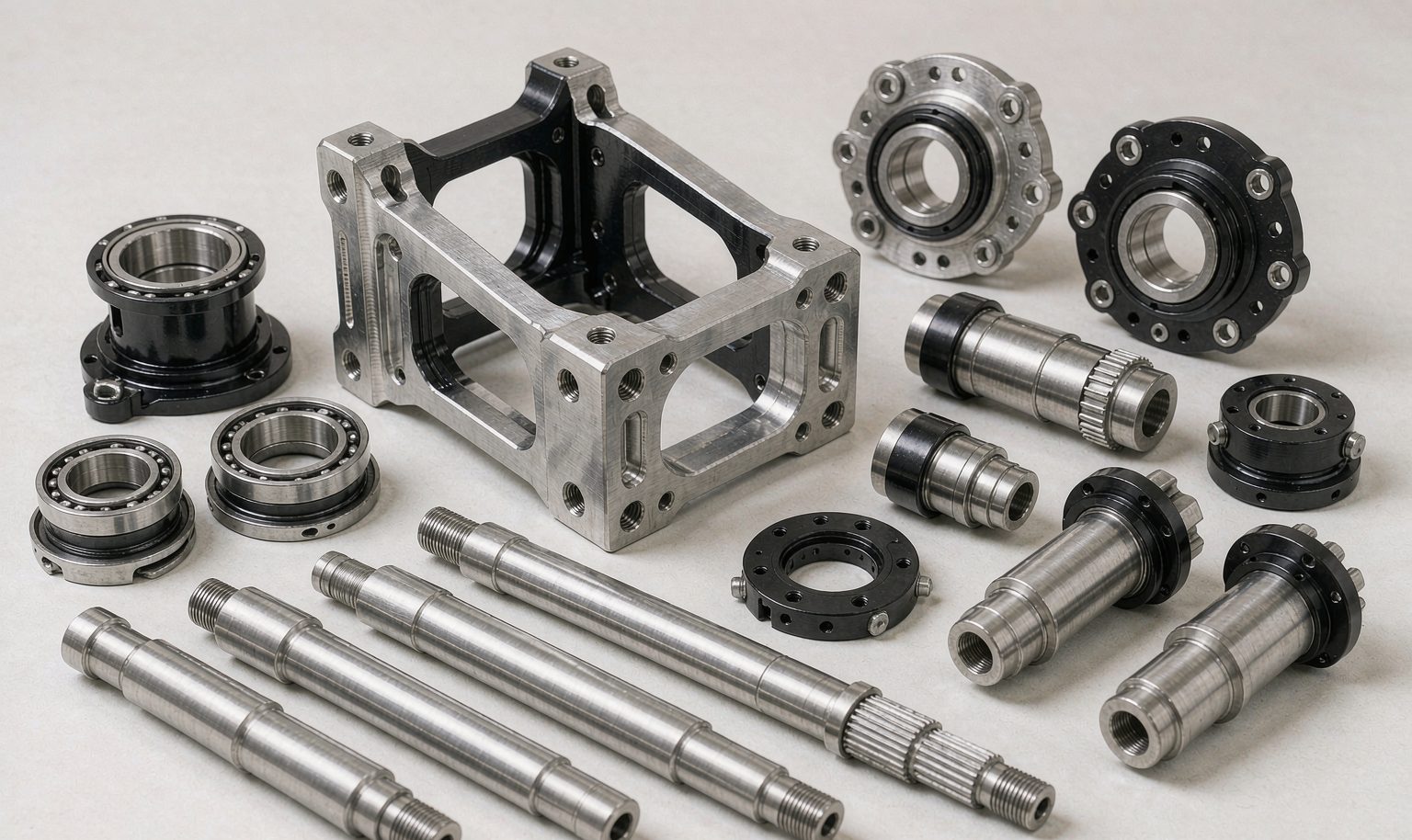
A custom e-bike part is defined by your application and drawing — not a catalog part with options added later. The table captures what we set per order.
| Components | Motor mounts, headsets, brake adapters, drivetrain, axles, hubs, frames, housings |
|---|---|
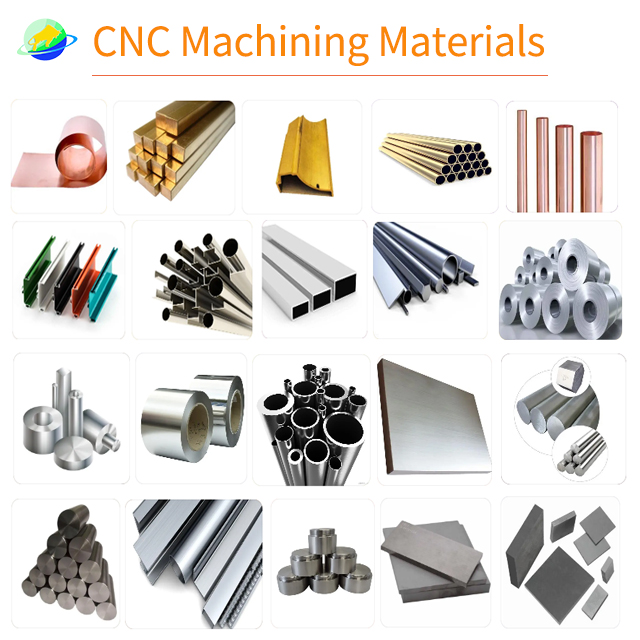
| Materials | 6061 / 7075 aluminum, stainless steel, titanium, brass, engineering plastics |
| Processes | 3 / 4 / 5-axis milling, turning, drilling, tapping, reaming |
| Customization | Material, geometry, threads, holes, bearing seats, finish, marking |
| Quantities | Prototype → pilot batch → repeat production |
| Critical control | Bearing fits, threads, concentricity, hole position, flatness, wall |
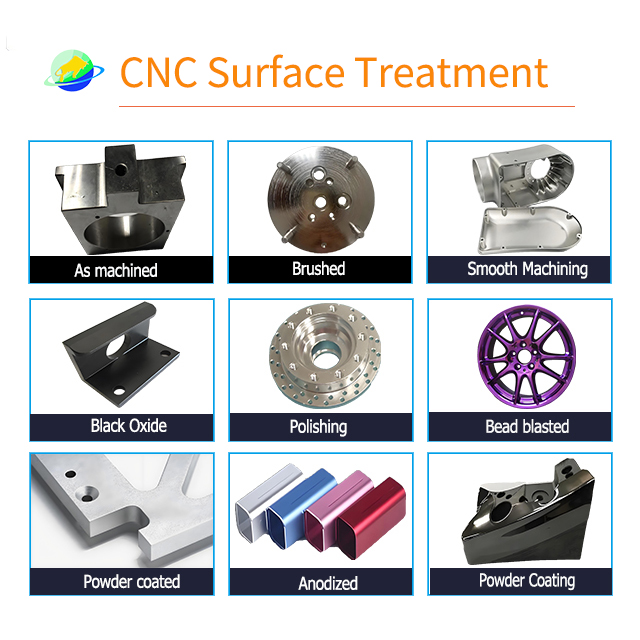
| Finish | Anodizing, blasting, powder coat, polish, laser marking |
Every part is manufactured to the customer's drawing and agreed specification. Performance depends on the mating component and service load, so we control the features that matter rather than quoting a single universal number.
Custom CNC Components for E-Bikes
Components are organized the way buyers actually source them — by function on the bike, not by a generic "bicycle parts" label.
Motor Mounting
- Motor mounting brackets
- Adapter plates
- Drive-unit interfaces
Headset & Steering
- Headset parts
- Spacers
- Steering hardware
Brake
- Brake adapters
- Caliper interfaces
- Mounting brackets
Drivetrain
- Chainring components
- Sprocket parts
- Bearing carriers
Axles & Hubs
- Axles
- End caps
- Hub components
Frame & Structural
- Mounting brackets
- Clamps
- Connection nodes
Housings & Covers
- Motor covers
- Sensor housings
- Protective enclosures
Other Custom
- Any drawing-based component
- Subject to engineering review
CNC Components for E-Bike Drive Systems
E-bike parts differ from generic CNC decoratives because the value is in fit and function at load-bearing interfaces.
- Motor mounting — accurate hole position, flatness and alignment to the drive unit.
- Sensor mounting — brackets and housings with controlled alignment.
- Hub-motor interfaces — end covers and axle-related parts where applicable.
- Frame integration — brackets, connection nodes and cable-routing components.
- Battery brackets — mounting interfaces where we manufacture them (no electrical-safety parts).
Engineering Features That Matter on E-Bike Parts
Bearing Seats
Controlled bore dimensions and fit for bearing-related interfaces, reviewed against the mating part.
Threaded Connections
Internal and external threads made to the specified standard and verified where required.
Shaft / Axle Interfaces
Concentricity and dimensional control for rotating or alignment-critical components.
Mounting Interfaces
Hole position, flatness and datum relationships for frame, motor or brake mounting.
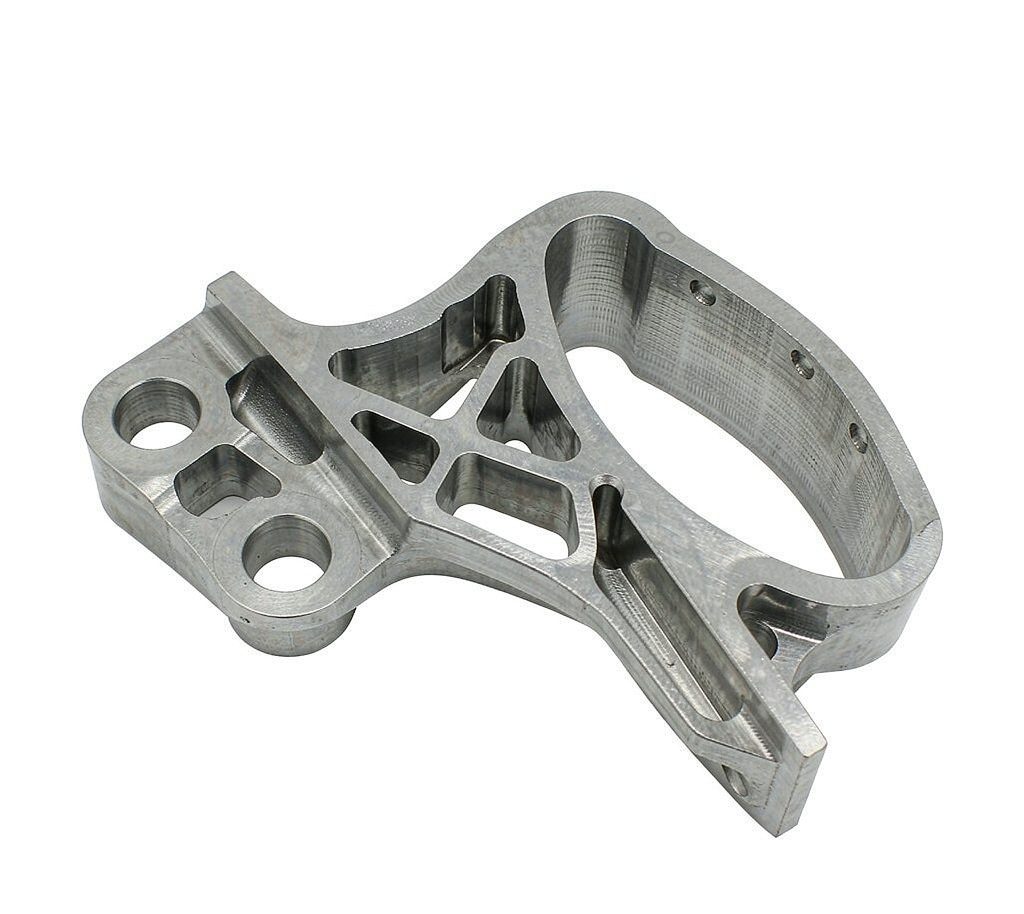
Lightweight Pocketing
Material removed from non-critical areas where the design permits weight optimization.
Complex Geometry
4-axis and 5-axis machining for multi-face features or difficult tool access.
Material Options for E-Bike CNC Parts
We machine only materials we can reliably source, process and supply. Choose by function, not by a marketing claim.
| 6061 Aluminum | Brackets, housings, structural parts | Lightweight and readily machinable |
|---|---|---|
| 7075 Aluminum | High-strength lightweight parts | Higher strength than common 6xxx alloys |
| Stainless Steel | High-load / corrosion-sensitive parts | Strength and corrosion resistance |
| Titanium | Weight-sensitive / performance parts | High strength-to-weight ratio |
| Brass | Bushings / specialized hardware | Machinability and functional properties |
| Engineering Plastics | Bushings / covers / non-metal parts | Low weight and electrical isolation where needed |
Weight savings come from the design, not from the material alone — a 20% reduction is not something any alloy guarantees by itself.
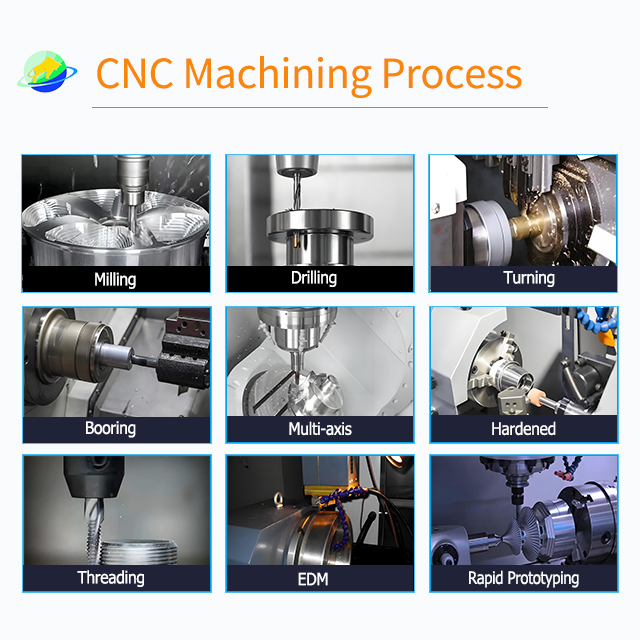
CNC Machining Processes
Process selection follows the part geometry and tolerance, not a fixed menu.
5-axis work is most useful for complex brackets, multi-face housings and angled interfaces where setup count and access drive cost. See our 5-axis capability.
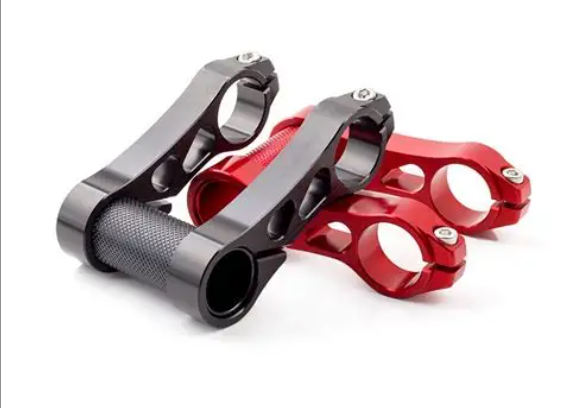
Surface Finishing Options
Finish is chosen for function — corrosion protection, wear, appearance and marking — not just looks.
- Anodizing — corrosion protection, appearance and color for aluminum.
- Hard anodizing — increased surface hardness and wear resistance where the process is provided.
- Bead blasting — uniform matte surface before anodizing or as a specified finish.
- Powder coating — thicker protective coating for suitable components.
- Polishing — for selected stainless, aluminum or other suitable materials.
- Laser marking — logos, part numbers and traceability marks.
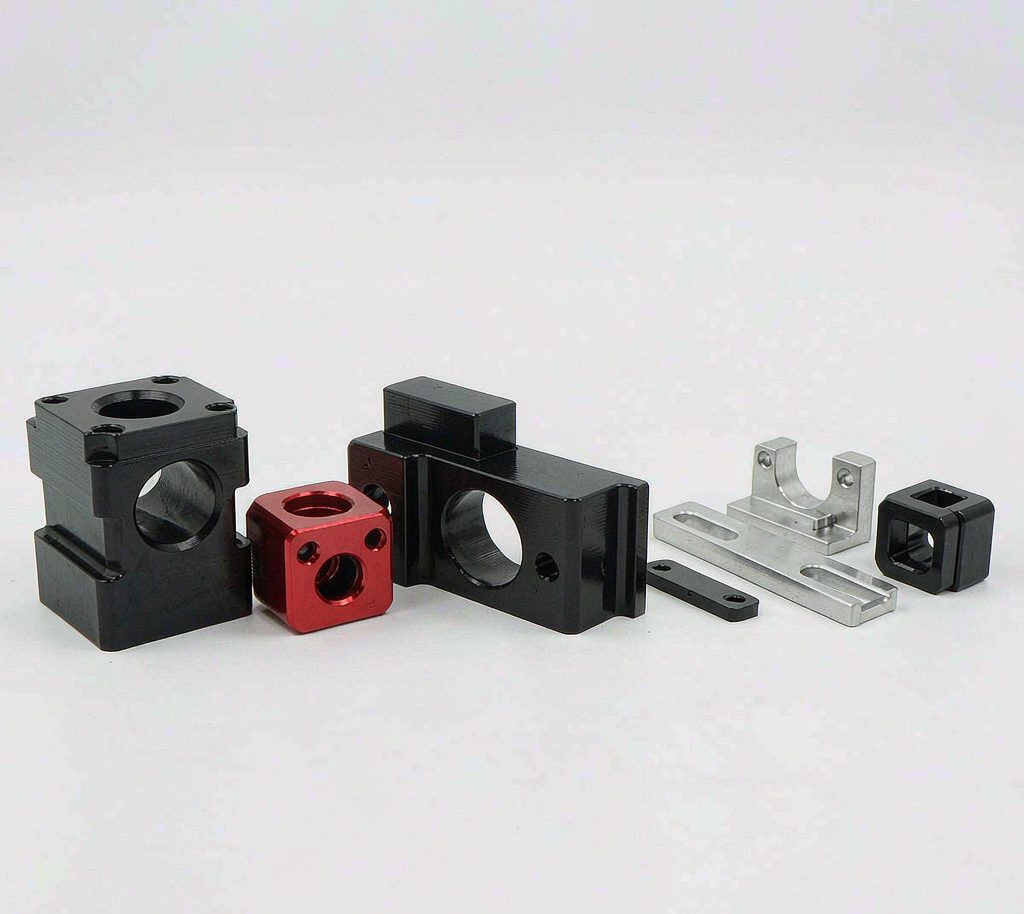
How We Control Critical Dimensions
These six features are reviewed against your drawing because the required tolerance depends on the mating component and functional load — not on a fixed number we print on every part.
Bearing Fits
Bore, seat and fit to the specified bearing.
Threaded Interfaces
Standard, size and depth per drawing.
Concentricity
Control for rotating or alignment-critical parts.
Hole Position
Position tolerance to datums.
Flatness
Mounting faces reviewed for seating.
Wall / Pocket
Wall thickness and pocket geometry for strength.
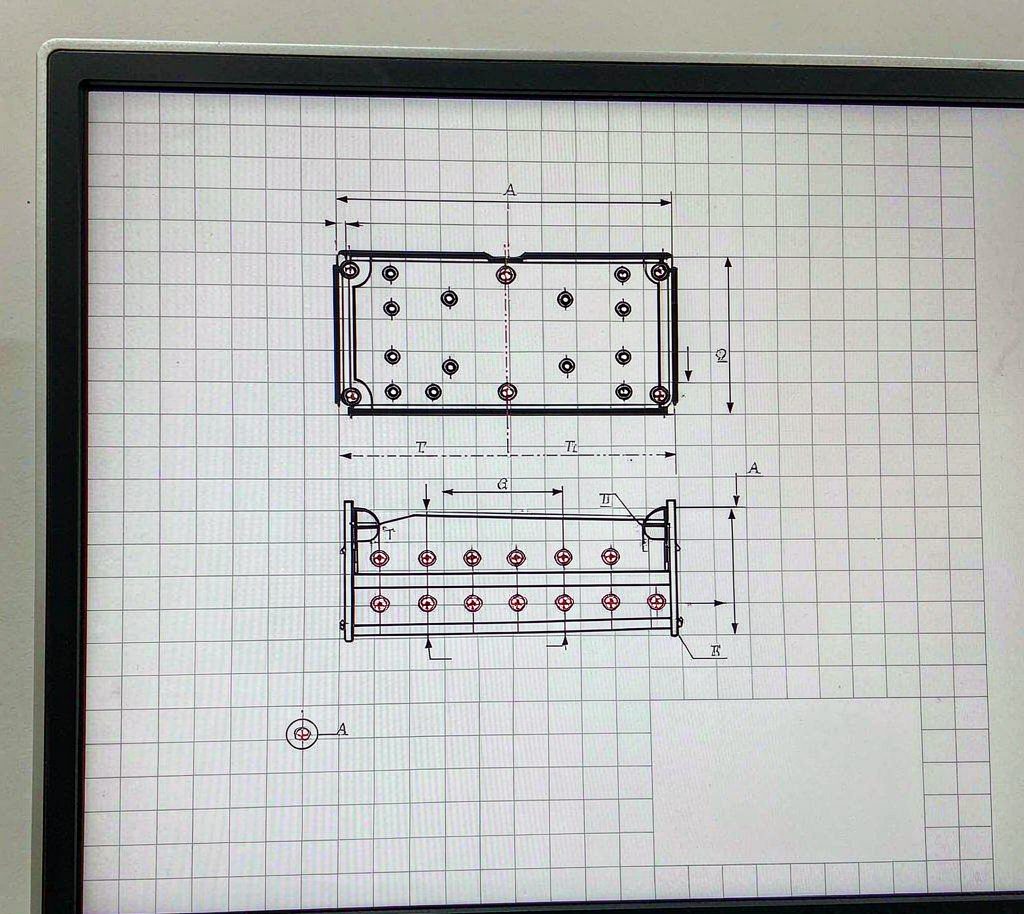
From Drawing to Finished E-Bike Part
A single drawing-based flow carries the part from review to delivery, so the prototype and production runs stay consistent.
Drawing Review
CAD + 2D drawing + material + quantity.
DFM
Tool access, wall, pocket depth, threads, datums.
Machining
Milling, turning, 4 / 5-axis as needed.
Surface Treatment
Anodizing, blasting, coating.
Inspection
Dimensions, threads, fits, appearance.
Delivery
Packaging by surface and function.
Prototype and Repeat Production
The same process scales from first article to volume, with inspection and the manufacturing plan adjusted to the stage.
Typical Applications
E-bike drive systems
Motor mounts, sensors, hub interfaces.
Commuter & urban
Brackets and housings for daily-use bikes.
Cargo e-bikes
High-load structural components.
Performance / MTB
Lightweight pocketed parts.
Fleet & last-mile
Repeatable, serviceable interfaces.
Conversion kits
Adapter plates and custom interfaces.
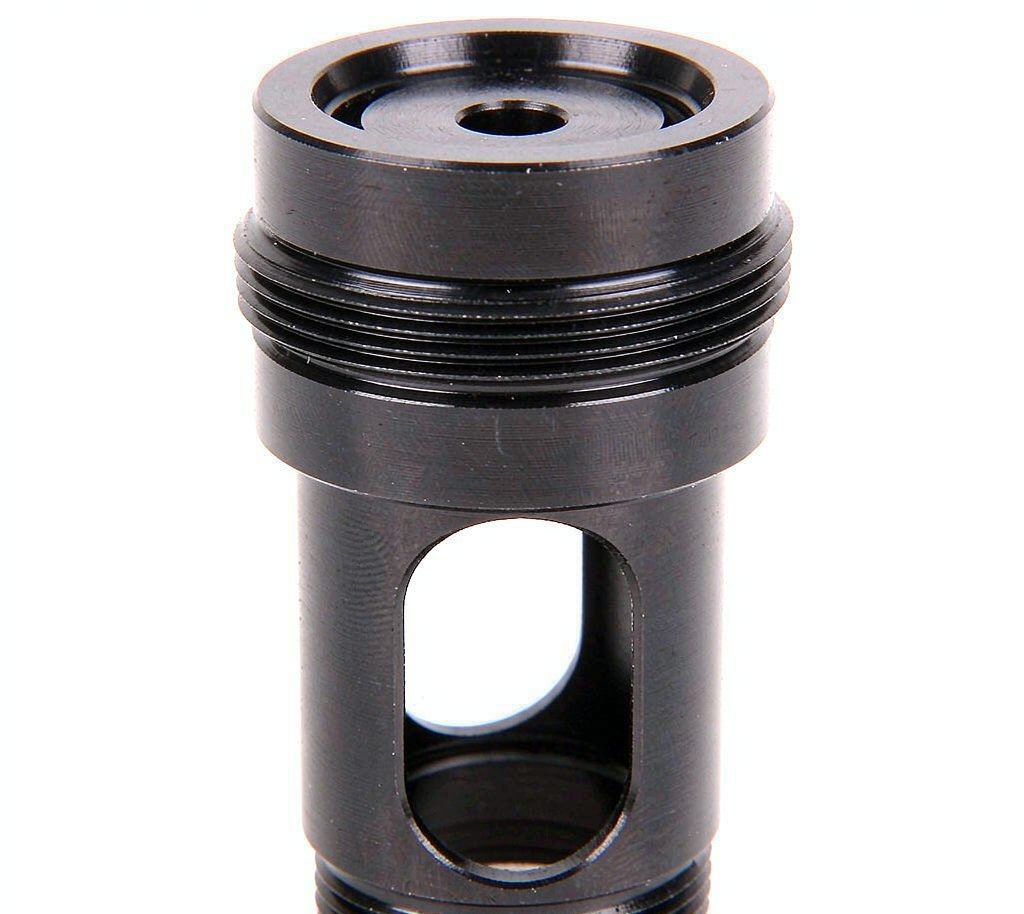
Parts by Function
A quick map of common e-bike parts to the CNC features and materials we typically apply — useful when you search by component.
| Motor mounting bracket | Holes, pockets, flatness | 6061 / 7075 |
|---|---|---|
| Headset component | Bore, threads, concentricity | Aluminum / Stainless |
| Brake adapter | Hole position, flatness | Aluminum / Stainless |
| Axle component | Turning, threads, concentricity | Steel / Stainless / Titanium |
| Hub component | Bearing bore, concentricity | Aluminum / Steel |
| Sensor bracket | Small holes, mounting faces | Aluminum / Stainless |
| Protective housing | Pockets, covers, threads | Aluminum / Engineering plastic |
| Custom accessory | Drawing dependent | Material dependent |
Why CNC for E-Bike Parts?
Complex geometry
Multi-face features in one setup where 4 / 5-axis applies.
Lightweight design
Pocketing tuned to load, not blanket thinning.
Accurate interfaces
Fits and datums held to drawing.
Custom dimensions
Built to your envelope, not a stock size.
Batch flexibility
From one prototype to repeat runs.
Surface customization
Anodize, coat and mark per spec.
What Affects the Cost of CNC E-Bike Parts?
A lightweight part is not automatically a low-cost part — deep pockets, thin walls, multi-axis setups and tight fits can raise machining time even when the finished part is small.
E-Bike CNC Parts — Representative Configuration
A typical build we support: a motor mounting bracket in 6061-T6, produced by 5-axis CNC milling with hole position and flatness controlled to the drive-unit interface, finished in black anodizing, inspected to the project's dimensional plan. Figures are a configuration example used to show scope — not a referenced customer project, and not a performance guarantee.
Quality & Documentation
Parts are manufactured to customer drawings and agreed specifications. Depending on project requirements, documentation may include:
- Material certificates where required
- Dimensional inspection reports
- First Article Inspection (FAI)
- Surface treatment records
- Thread and fit checks
- Final inspection records
We do not claim compliance with bicycle safety standards on parts we have not tested to that specific scope. Conformance is defined by your drawing and the agreed inspection plan.
Frequently Asked Questions
What e-bike parts can be CNC machined?
What materials are commonly used for CNC e-bike parts?
Can you CNC machine custom motor mounting brackets?
Can CNC machining produce e-bike headset and brake components?
What tolerances can be achieved for CNC bicycle parts?
Can aluminum e-bike parts be anodized?
Can you manufacture prototypes and production batches?
What files do I need to provide for a CNC e-bike parts quote?
Request a Custom E-Bike Parts Review
Send your CAD model, 2D drawing, material requirement, quantity and surface-finish specification. We review the machining requirements and confirm the right manufacturing route before quotation.
- Name · Company · Business email
- Part / project and material
- Quantity and required finish
- Tolerance / critical features
- CAD model and drawing upload
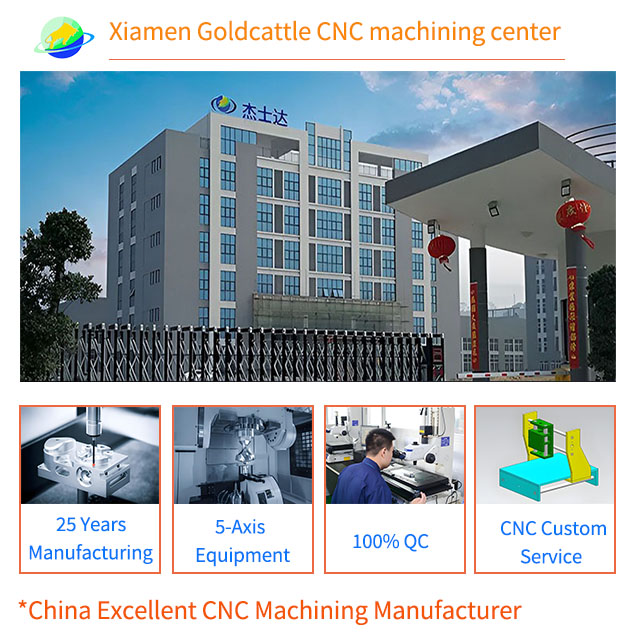
Built by Xiamen Goldcattle Plastic & Metal Products Co., Ltd. — Founded in 1998, one OEM/ODM supplier for machined and molded components. See our CNC machining services.