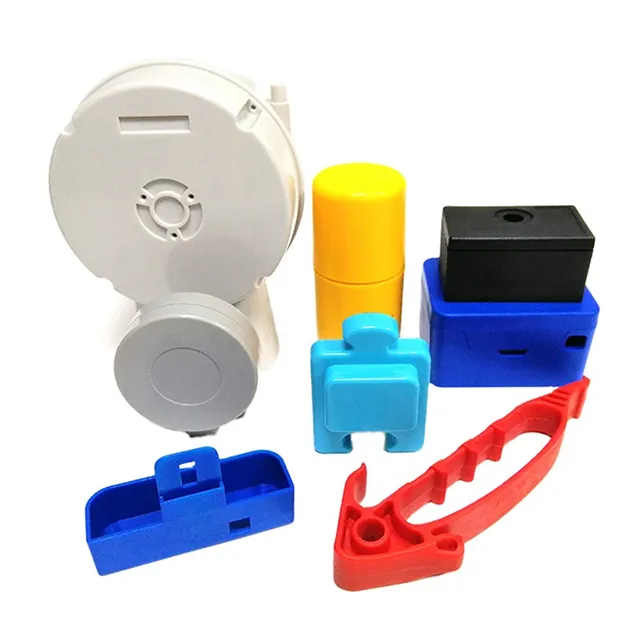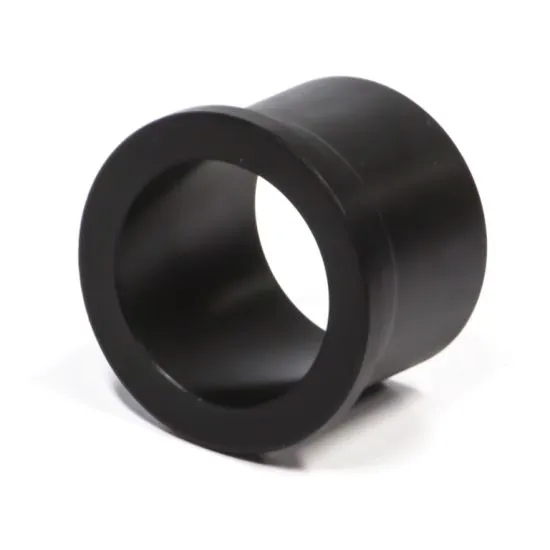


Custom Injection Molded Electronic Parts | OEM
Place of origin : XiaMen, China
Brand Name : JSD
Model No : IM-14
Plastic Mold Type : Injection Molding
Product Name : Injection Molded Parts
Material : ABS/PA66/PP/PC/PMMA
Color : Customized
Size : Customized
MOQ : 1 piece
Quality : 100% guarantee
Service : OEM service
Description
Injection-Molded Plastic Parts for Electronics
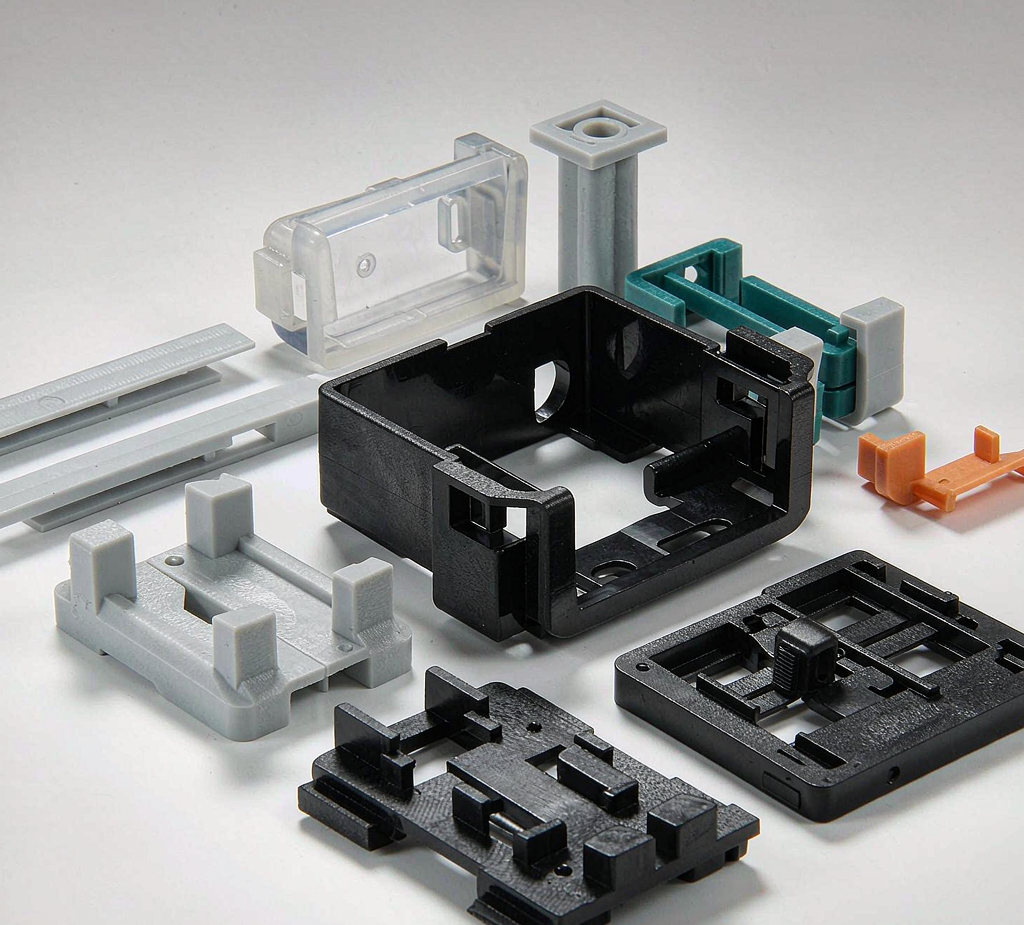
We make the small plastic parts inside an electronic assembly. They hold a PCB, guide a cable, cover a connector, carry a switch or keep two circuits apart.
You send the drawing. We build the mould and mold the part. This page shows what we need from you, how we check the fit, and what records you can ask for.
Made to your drawing. No fixed catalogue, no stock list, no online price.
01
Send a drawing
One part, one drawing. We quote the part you actually need.
02
Check the fit
Boss heights and openings are checked against the real mating parts.
03
Pick the resin
We agree the grade before the mould is cut, not after.
04
Ask for records
Dimensions, fit checks and material papers are agreed up front.
What this page covers
Custom injection-molded plastic parts for electronics are small molded parts used inside a device. They hold a board, guide a wire, cover a connector, separate two circuits or carry a switch. We make them from your drawing with a mould built for that part.
Most buying problems with these parts are not about the moulding machine. They come from the interface: a boss that sits too high, an opening that misses the connector, a clip that breaks on its first fit, or a resin that cannot meet a flame rating. We start with those points.
Internal assembly parts
- Parts that fix, guide, cover or separate things inside a device.
- How the part meets a PCB, a connector, a switch or a cable.
- Resin choice, mould plan, sample checks and repeat orders.
Outer cases or electronics
- Product housings and outer covers. See the related pages below.
- Making sensors, circuit boards or complete devices.
- Electrical approval of the finished product.
About the earlier IM-14 listing
The old page used one model number, IM-14, for a general description called Injection Molded Parts. It did not name a fixed shape, size or material grade. So we now ask for a drawing before we quote. If your enquiry still refers to IM-14, send the drawing or sample you have and we will match it.
We are Xiamen Goldcattle Plastic & Metal Products Co., Ltd., a custom manufacturer in Xiamen, China. We work on OEM and ODM orders from drawings. Founded in 1998, we also machine metal parts and build moulds in house.
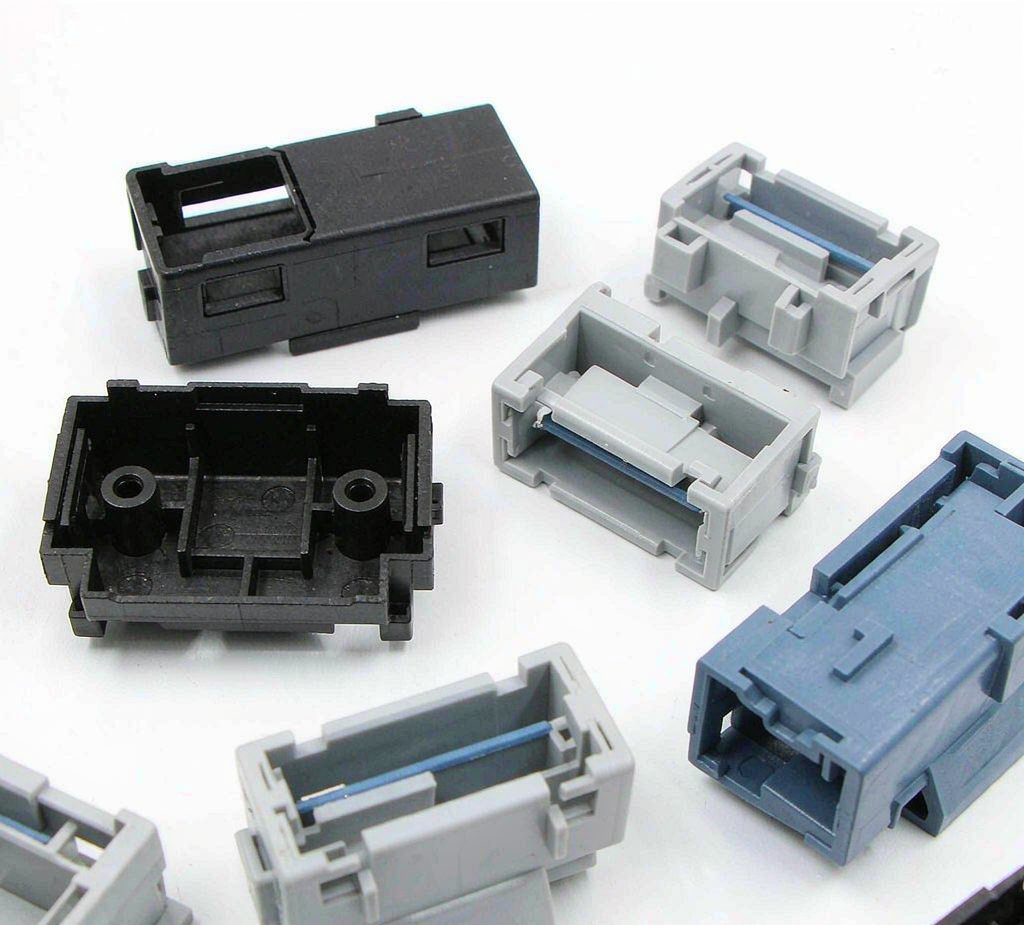
Parts we make for electronic assemblies
These are part families, not stock items. Each one is quoted from your drawing. If your part sits between two families, send it anyway and we will review it.
Connector housings
Plastic shells that hold a connector in place.
- Rectangular or round openings
- Latches and screw bosses
- Cable exit slots
PCB mounting parts
Parts that hold a board at the right height.
- Standoffs and screw bosses
- Board edge supports
- Snap-fit board clips
Switch and control parts
Bezels and frames around buttons and switches.
- Actuator holes
- Button guides
- Front panel clips
Insulating parts
Plastic walls that keep parts apart.
- Barrier walls and covers
- Spacers and bushings
- Terminal guards
Internal supports
Small parts that hold things in place.
- Cable guides and channels
- Ribs, brackets and clips
- Light internal frames
Window and light parts
Clear parts for displays and indicator lights.
- Display windows
- Light guide shapes
- Lens holders
Fit points that decide if the part works
A part can pass a size check and still fail to assemble. The table below lists the points we review first. Send the mating part with the drawing whenever you can.
| Fit point | What can go wrong | Send us |
|---|---|---|
| PCB boss height | The board sits too high or too low. | Board drawing and stack height |
| Hole position | Screws do not line up. | 2D drawing with datums |
| Connector opening | The plug will not enter or the latch will not click. | Connector data sheet or sample |
| Snap-fit latch | The clip breaks or feels loose. | Mating part and fit force target |
| Screw boss | The boss cracks when the screw is tightened. | Screw size and torque |
| Cable channel | The wire is pinched or has no bend space. | Cable diameter and route |
| Barrier wall | Wall is too thin, or warps after molding. | Required clearance and wall limit |
| Visible face | Gate or ejector mark shows on the front. | Which face is visible |
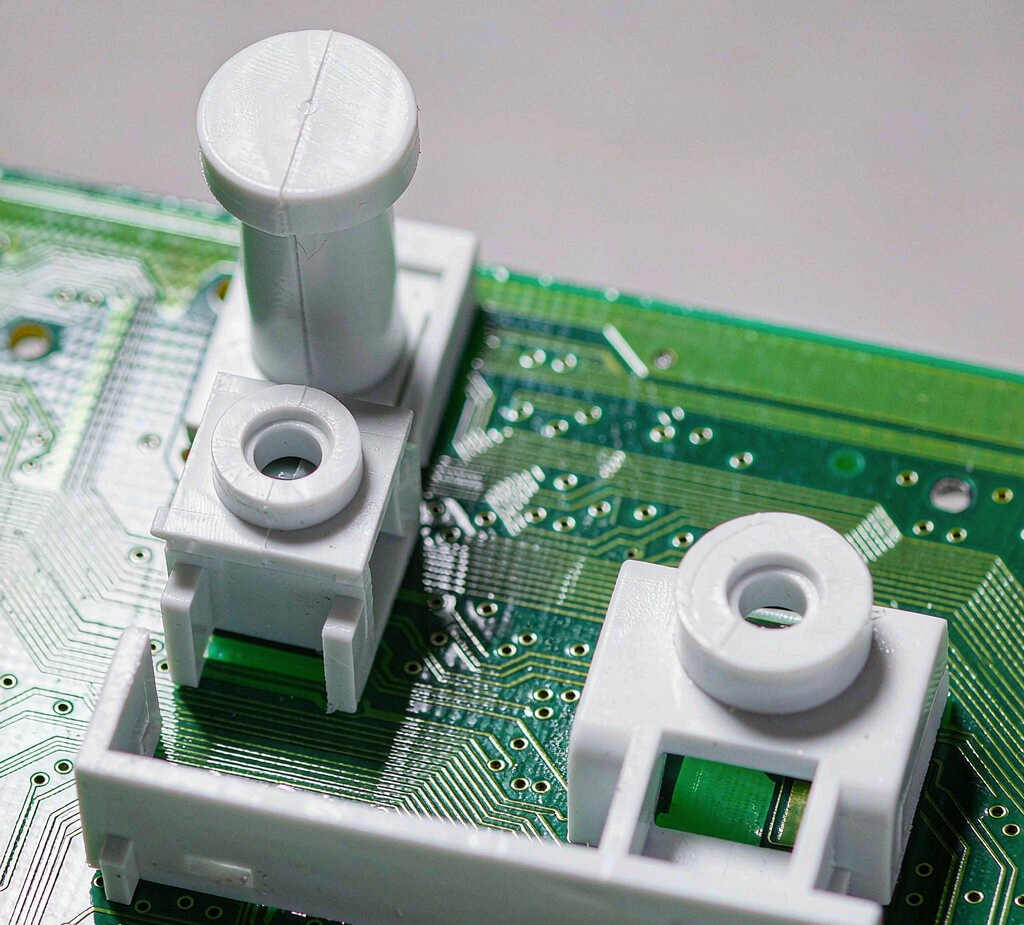
Simple rule: tell us what the part must fit, not only what the part must measure. The two are not the same.
Materials in plain terms
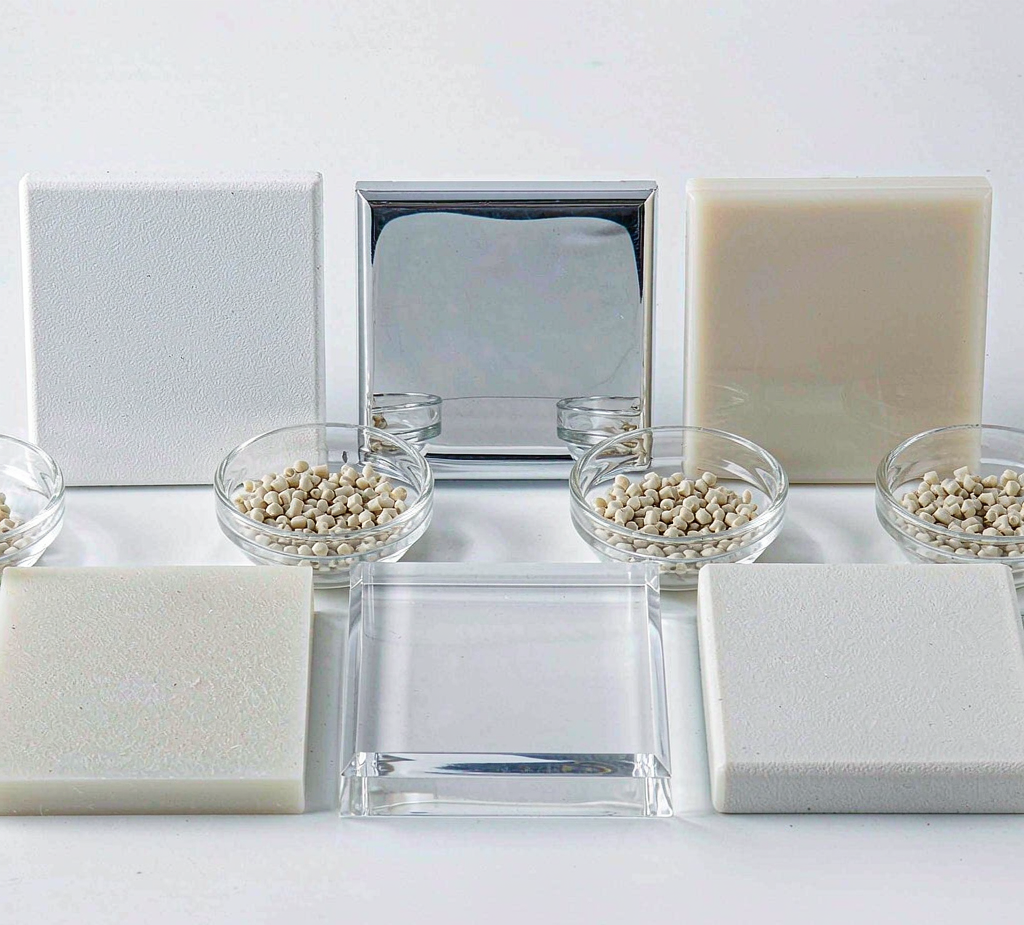
The old listing named five plastics: ABS, PA66, PP, PC and PMMA. Those are starting points, not finished choices. A grade, a colour and a supplier are set for each project.
| Plastic | Often used for | Watch out for |
|---|---|---|
| ABS | General internal parts, covers, frames | Not flame rated by default. Can mark on visible faces. |
| PA66 | Strong clips, bosses, warm areas | Takes in water. Size can move after molding. |
| PP | Living hinges, flexible clips | Lower stiffness. Harder to paint or bond. |
| PC | Tough parts, clear covers | Can scratch. Needs dry material before molding. |
| PMMA | Clear windows and light guides | More brittle than PC. Gate marks show easily. |
We confirm the exact grade at engineering review. Fillers, recycled content, flame additives and colour masterbatch change how a part molds and how it behaves. If your part needs any of these, say so at the enquiry stage. We will check if the grade is available and what papers come with it.
One common mistake
Do not write flame retardant, ESD-safe or high insulation next to a plain ABS or PC callout. Those words describe a tested grade, not the base plastic. We only use them when the grade, the test method and the papers are agreed with you first.
What we do not assume
The earlier page used a blanket quality promise instead of a test plan. A promise like that cannot be checked, so we removed it. Here is what we can put in writing instead.
Flame rating
UL 94 and similar
A rating belongs to one resin grade. We do not call standard ABS, PP or PC parts flame retardant. Send the level you need and we will source and document that grade.
Static control
ESD and anti-static
We do not claim ESD safety for a normal molded part. The grade and the surface resistance target must be agreed before tooling.
Electrical values
CTI and dielectric strength
We do not state a CTI value, insulation class or dielectric figure without a written requirement and a test method.
Chemical rules
RoHS and REACH
We can work to these when you list them at enquiry. We share the documents we can get for the chosen resin lot. We do not claim one blanket certificate for all parts.
What replaces a blanket promise is a short, written plan: the key sizes we measure, the mating part used for a fit check, the material lot record, and the appearance standard. You approve that plan before we cut steel.
From drawing to part
Six steps. Each one has a clear output, so you know what is happening and what comes next.
Drawing review
We read the model, the sizes and the mating parts.
Design for molding
We flag thin walls, draft, ribs, sinks and gate spots.
Tooling plan
We agree the mould type and quote it in writing.
Sample parts
We mold first parts and measure the key sizes.
Fit check
We test the part with the PCB, plug or sample you sent.
Repeat orders
We use the agreed plan for each later batch.
Drawing review and the tooling plan are where most cost is decided. A small change to a boss or a gate position is cheap on a screen and expensive after the mould is cut. That is why we ask for the mating parts early.
Prototype tool or production tool
Both make real molded parts. They just serve different stages. We agree the choice with you; we do not pick it for you.
| Prototype tool | Production tool | |
|---|---|---|
| Best for | A design that may still change | A design that is signed off |
| Order size | A small first batch | Repeat orders over time |
| Mould build | Simpler layout, faster to change | Steel, cooling and gating set for longer use |
| Changes | Easier to adjust | Cost more and take longer |
| What you get | Parts to test fit and function | Parts from a fixed, repeatable process |
Family tools
Several related parts in one mould base. We check the shapes and volumes first.
Insert molding
A metal pin or bushing molded into the plastic part. We review the drawing and the insert.
Second steps
Pad print, light texture, trimming or simple assembly. Agreed before tooling.
We do not quote cavity counts, cycle times or a unit price here. Those numbers depend on the drawing, the grade, the finish and the volume. They belong in your written quotation.
Checks you can ask for
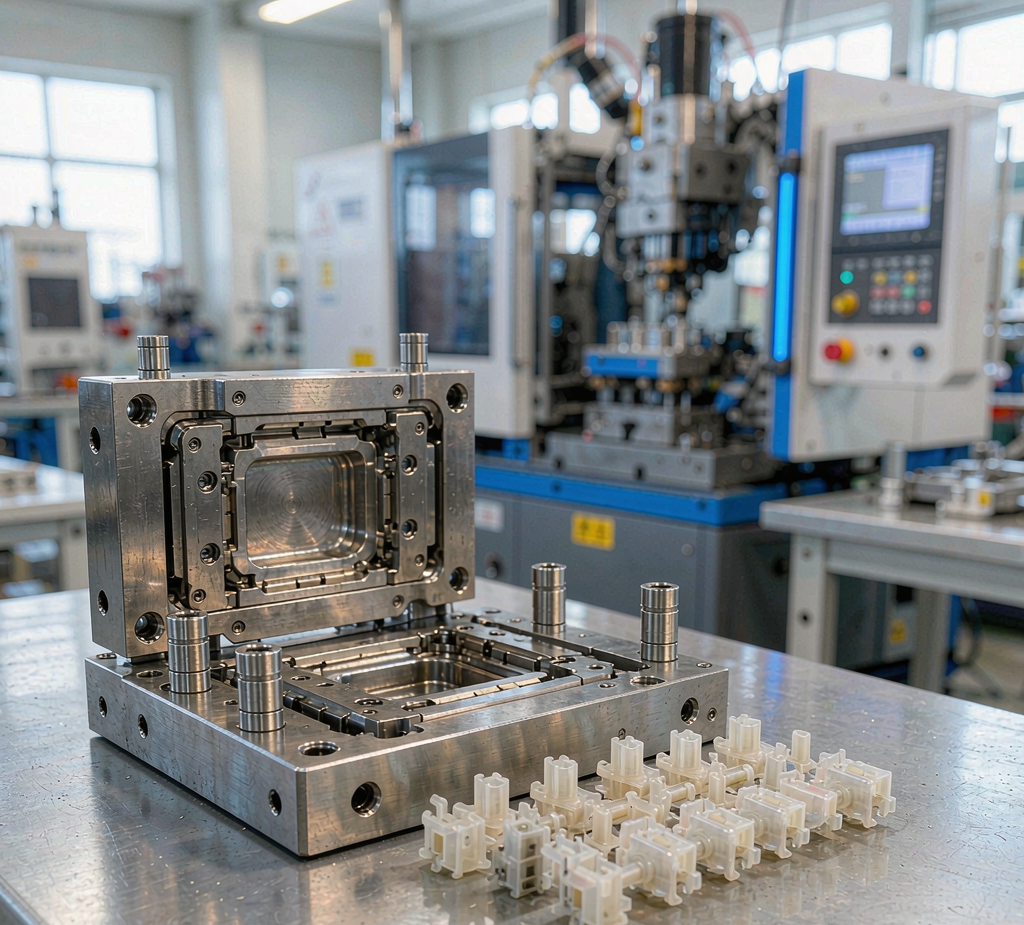
Tell us which checks you need before tooling starts. We then write them into the plan, so there is no debate after the first batch.
| Check | What we do | What you get |
|---|---|---|
| Key sizes | Measure the sizes marked as critical | A written result |
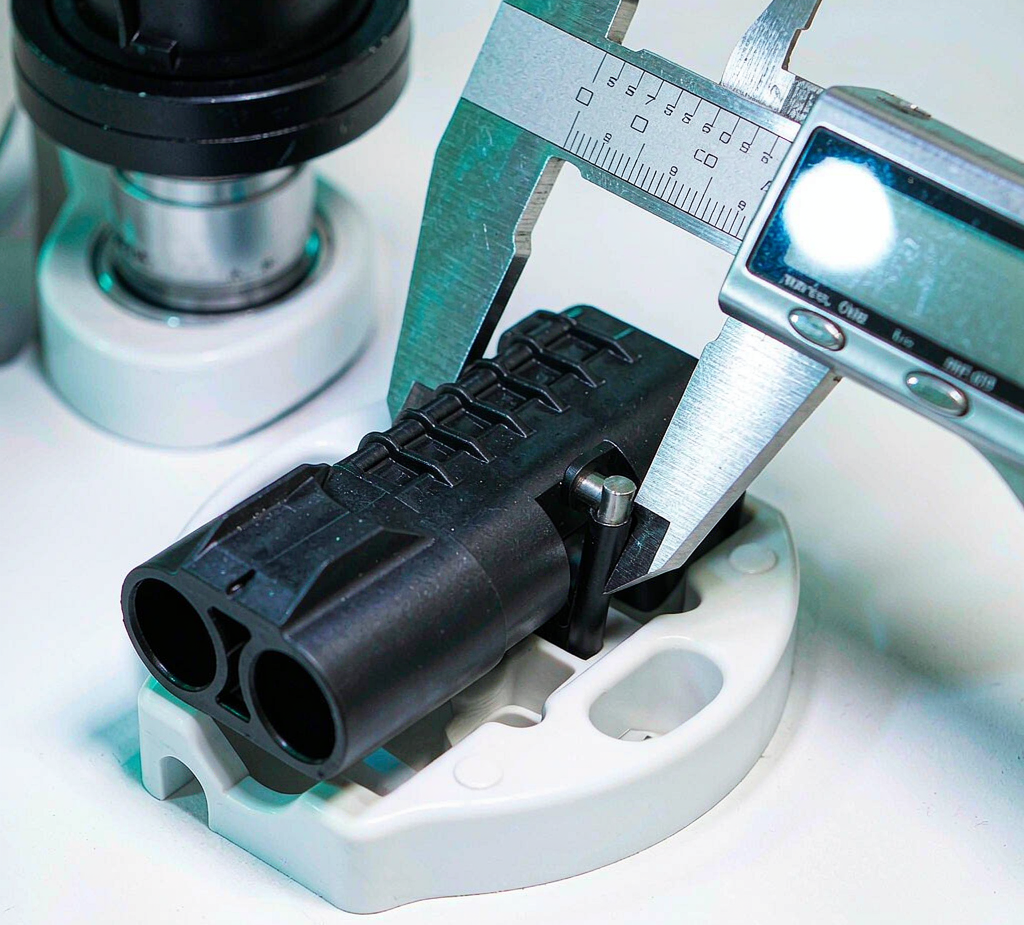
| Fit check | Assemble with your PCB, plug or sample | Fit result and photos |
| Material | Record the grade and lot used | Resin papers we can obtain |
| Appearance | Compare to an agreed sample or limit | Agreed visual standard |
| Function | Test a clip, latch or opening if stated | Test result by the agreed method |
| Packing | Agree how parts are protected | Packing note with the order |
We work under an ISO 9001:2015 quality system. That covers how we plan, record and check work. It does not turn a mechanical part into a certified electrical component.
Common faults and what we check
These are the faults we see most often on small internal plastic parts. Each one is easier to fix on the drawing than after the mould is built.
| Fault | Usual cause | What we check first |
|---|---|---|
| Warp | Uneven wall thickness or uneven cooling | Wall map, ribs and gate position |
| Sink marks | Thick boss or rib on a visible face | Boss base thickness and rib ratio |
| Short shot | Thin section far from the gate | Flow length and wall limit |
| Flash | Parting line, worn tool or high pressure | Shut-off faces and draft |
| Broken clip | Sharp corner or too much deflection | Root radius and latch travel |
| Cracked boss | Screw too large or boss wall too thin | Screw size, boss outer diameter, torque |
| Misaligned opening | Drawing does not match the real connector | Connector sample and datum scheme |
| Gate mark on front | Visible face not marked on the drawing | Which side the user sees |
Where these parts are used
The list below describes assembly needs, not named customers or finished products. We do not publish case studies without a customer's permission.
Board mounts and covers
Standoffs, terminal guards and inner covers.
Barriers and spacers
Insulating walls and fixed clearances.
Windows and bezels
Display windows and switch frames.
Clips and guides
Cable routes, clips and small holders.
Automotive electronics also appears in the tags of the old listing. We review such parts against the drawing and the stated requirements, in the same way as any other order.
Colour, finish and marking
Small internal parts are easy to overlook on the look and feel. But a visible gate mark, a wrong shade or a rough edge can still stop an assembly line. Set these points before the mould is cut.
Standard or matched
Use a resin colour, a masterbatch or a matched shade. Send a sample chip or a colour code if the shade matters.
Smooth or textured
Texture hides small flow marks and helps grip. It also changes draft, so we agree it at the design stage.
Print and logos
Pad print, laser mark or a molded-in mark. We only add a mark you supply and approve in writing.
| Point | Why it matters | What to agree |
|---|---|---|
| Gate position | A gate mark on a visible face is hard to remove later. | Which face the user sees |
| Ejector position | Ejector pins can leave a round mark. | Allowed and hidden areas |
| Parting line | A line may cross a snap-fit or a sealing edge. | Where the line may run |
| Flash limit | Thin flash can stop a connector from seating. | An agreed limit per edge |
| Colour sample | Screens and paper do not show a true plastic shade. | A physical chip or molded sample |
We do not add any logo, brand name or part number to a part unless you send the artwork and confirm it in writing. That applies to molded marks and to printed marks.
What changes the price
We do not list prices on this page, because each part is different. But the same six things move most quotes. Knowing them helps you shape the drawing before you send it.
| Driver | What raises cost | Simple way to help |
|---|---|---|
| Part shape | Undercuts, side actions and deep thin ribs | Keep walls even and add draft |
| Tool layout | More cavities, slides or tight shut-offs | Agree the volume before tool design |
| Resin grade | Special flame, ESD or high-heat grades | State only the ratings you truly need |
| Tolerances | Very tight sizes on every feature | Mark only the sizes that affect fit |
| Finish | Texturing, printing or clear parts | Limit cosmetic rules to visible faces |
| Checks | Extra tests, reports and sorting | List the records you need up front |
One small change often saves more than a price negotiation. For example, moving a gate to a hidden face can remove a cosmetic sorting step. Adding a radius at a clip root can stop breakage. We point these out during drawing review.
Plain answer: the fastest way to a lower quote is a clear drawing, one resin decision, and a realistic volume. We will show which choices change the number.
After the first batch
A good first sample is not the end of the job. Repeat orders stay stable when the tool, the resin and the checks stay the same. We keep the agreed plan as the reference for each later batch.
Freeze the drawing
Record the revision used for the approved parts.
Keep the resin
Note the grade, supplier and colour used.
Care for the tool
Clean and check the mould between runs.
Control changes
Review any drawing or grade change before a run.
If you change the PCB, the connector or the screw after the first batch, send the new part to us. A change on your side can make a good plastic part fail a fit check. We would rather review it early than ship parts that do not assemble.
Tool care, storage and ownership are commercial terms. Put them in the quotation, not in an email after the tool is built. Our related page on mould ownership explains the questions to ask any supplier.
What to send for a quote
A short, clear enquiry gets a faster answer. You do not need every item on day one, but each missing item adds a question later.
3D model in STEP or IGES
2D drawing with key sizes and tolerances
Datums and which face is visible
Mating parts: PCB, connector or sample
Material and any required grade
Colour and finish or a reference sample
First quantity and likely repeat volume
Flame, ESD or RoHS needs, if any
Checks and records you expect
Design status: fixed or still changing
Send your drawing and get a written plan
We reply with the mould approach, the resin question, the fit points we see, and the checks we can put in writing. If the drawing is not ready, send a sample and tell us what the part must fit.
What you will not get from us
- A made-up price before we see the drawing
- A blanket flame, ESD or insulation claim
- A customer case study we cannot prove
- A promise that a size check proves a fit
Questions buyers ask before they order
Can one supplier make both the mould and the parts?
Yes. We build the mould and mold the parts under one plan. That keeps the drawing, the tool and the checks in one place. It also means a tool change and a part change are reviewed together.
What to confirm: who owns the tool, where it is stored, and what happens if the design changes.
More on mould terms: Who Owns the Mold When Ordering from China.
Why does the supplier keep asking for the mating part?
Because size is not fit. A boss can be exactly the size on the drawing and still lift the PCB into the cover. A connector opening can be the right width and still block the latch. The real part settles these questions faster than email does.
What to confirm: which sizes are critical, and which assembly test will be used.
Should I start with a prototype tool?
It depends on your design stage. If the shape may still change, a simple first tool is often the safer route. If the design is signed off and you need repeat orders, a production tool is the better fit. We agree this before tooling starts.
What to confirm: first batch size, likely yearly volume, and how many design changes you expect.
Frequently asked questions
Who makes custom injection-molded plastic parts for electronics?
Goldcattle makes custom plastic parts for electronic assemblies from customer drawings. We build the mould, mold the parts and check the dimensions and fit that are marked on your drawing. The parts are made to order, not taken from a stock catalogue.
What plastic parts go inside an electronic assembly?
Common parts include connector housings, PCB standoffs and screw bosses, switch panels, insulating walls and covers, snap-fit clips, cable guides, internal supports and display windows. Each part is defined by its drawing and by the parts it must fit.
Can you make a plastic part from my 3D drawing?
Yes. A STEP or IGES file plus a 2D drawing with the key sizes works best. A sample part or the mating PCB or connector also helps. We review the wall thickness, draft, ribs, bosses and gate position before we quote.
Which plastic should I use for an electronic part?
ABS, PA66, PP, PC and PMMA are often used. ABS suits general internal parts, PA66 suits parts that need more strength or heat resistance, PP suits clips and living hinges, PC suits clear or tougher parts, and PMMA suits clear windows. The final grade depends on your drawing, the working temperature and the documents you need.
Are ABS and PC parts flame retardant?
Not by default. A flame rating such as UL 94 belongs to one specific resin grade, not to the base plastic name. If your part needs a rating, tell us the level and the test method at enquiry. We then source that grade and share its data sheet before the mould is built.
Do you supply ESD-safe or anti-static plastic parts?
Only when the grade and the test plan are agreed in writing first. Standard ABS, PP or PC parts are not ESD-safe just because they are plastic. Send the surface resistance or static decay target with your drawing so we can check if a suitable grade exists.
What is the difference between a prototype tool and a production tool?
A prototype tool is a simple mould used to make a small number of parts while the design is still changing. A production tool is built for repeat orders, with the steel, cooling, gating and cavity layout set for longer runs. We agree which one fits your quantity and design stage before tooling starts.
How do you check that a plastic part fits my PCB?
We check the boss heights, hole positions, board edge clearance and connector openings against your drawing. For a fit check we ask for the real PCB, the connector or a matching sample. A part can measure correctly and still fail to assemble, so the mating part matters.
Can you work to RoHS and REACH requirements?
Yes, when you state the requirement at the enquiry stage. We then choose the resin with that in mind and share the documents we can obtain for the resin lot. We do not claim one blanket certificate that covers every part and every material.
What should I send to get a quote?
Send the 3D model and 2D drawing, the key sizes and tolerances, the material and colour, the surface finish, the expected first order and repeat volume, the mating parts, and any flame, ESD, RoHS or REACH requirements. Tell us if the design may still change.
Related Capability Pages
This page covers plastic parts inside an assembly. For outer housings and for the wider molding process, see the pages below.