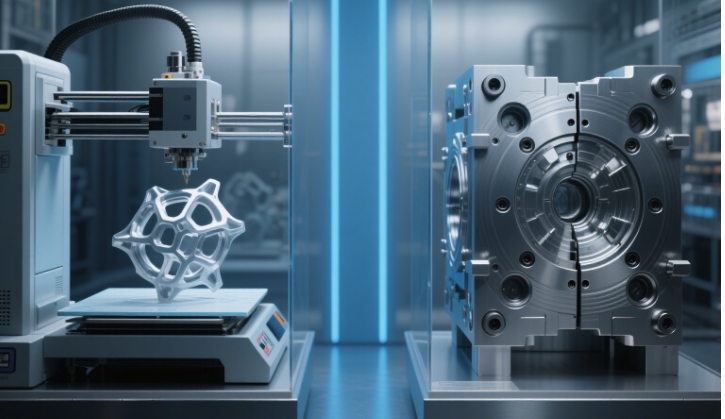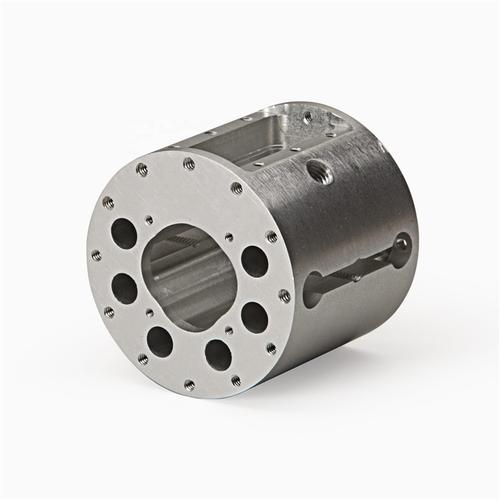
Do 3D Printers Only Use Plastic?
No — but plastic (polymer) is by far the most common 3D-printing material. The more useful question for a buyer is which material, which process and which functional requirement the part actually has.
This guide maps the common polymer materials to FDM, SLA, SLS and MJF processes, separates general industry knowledge (metals, ceramics) from the services Xiamen Goldcattle actually offers, and compares 3D printing with CNC machining and injection molding so you can brief a supplier correctly.
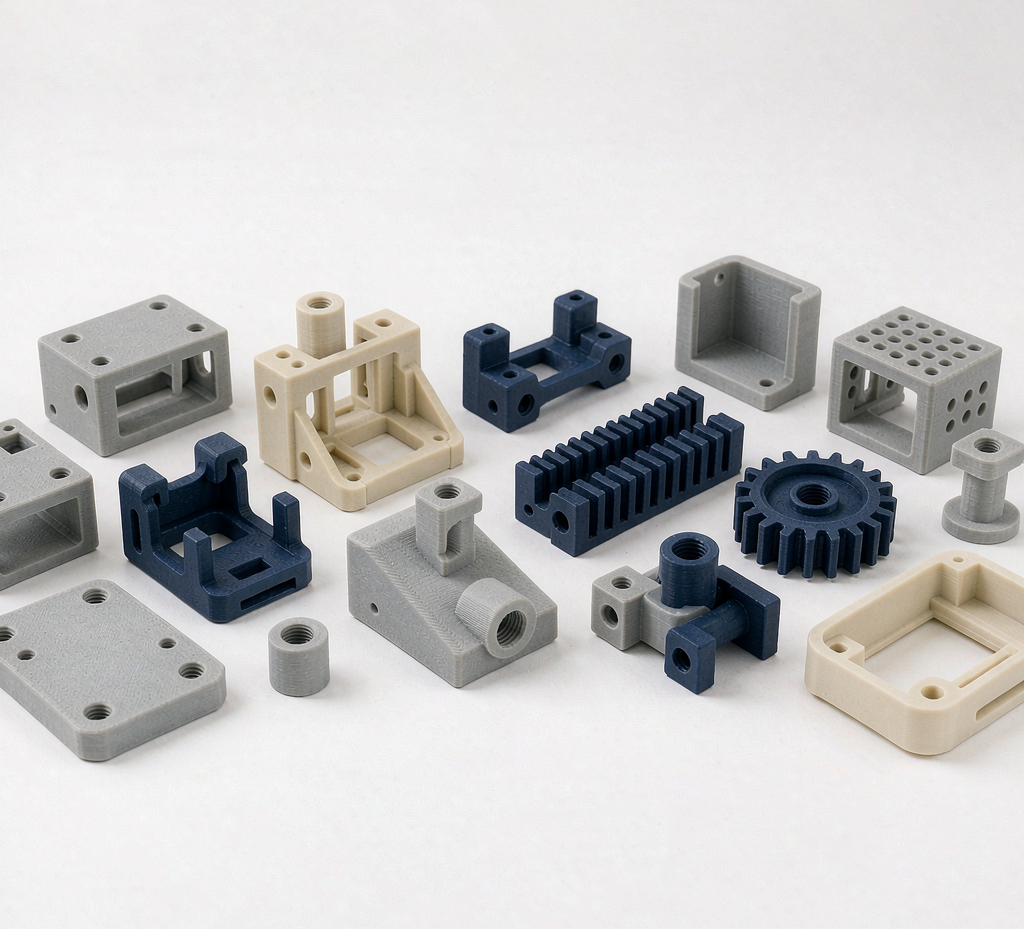
No — but plastic is the practical starting point
The short answer satisfies search intent; the detail is what protects your purchasing decision.
A 3D printer does not only use plastic. Industrial additive manufacturing also processes metals (via powder-bed fusion or binder jetting), ceramics, sand for casting, and in narrow specialist fields, food or bio-materials. But for the overwhelming majority of prototypes, jigs, fixtures and low-volume functional parts, the material is a polymer.
That is why the question "do 3D printers only use plastic?" is better reframed as: which polymer, which process, and which requirement? Answering those three points is what turns a vague RFQ into a manufacturable part.
Buyer takeaway: if a supplier only talks about "plastic," ask which polymer family and which process. "Plastic" spans brittle PLA, chemical-resistant PETG, flexible TPU and high-temperature PEEK — they are not interchangeable.
Why Polymer Is the Default for Most 3D Printing
Several practical factors keep polymers ahead of metals and ceramics for everyday parts.
Lower material cost
Polymer filament, resin and powder are far cheaper than metal or ceramic feedstock, and the systems that process them are more accessible.
Forgiving processing
Polymers print at modest temperatures and tolerate a wider parameter window than metal powders, which simplifies setup and validation.
Fast iteration
For prototypes and fixtures, a polymer part can be printed the same day from a CAD file without tooling.
Broad property range
From rigid to flexible, transparent to filled, commodity to high-performance — polymers cover most functional needs short of metal duty.
Context, not our service
Metal and ceramic additive manufacturing exist as mature industrial fields, and their feedstock and equipment are substantially more expensive than polymer materials. Goldcattle does not quote exact cost multiples because they vary widely by alloy, powder and system. These processes are described here as industry background only — see the scope note below.
Common Polymer Materials and Where They Fit
All materials below are polymers. Each maps to one or more processes offered by Goldcattle.
| Material | Typical process | Strengths | Watch-outs |
|---|---|---|---|
| PLA (Polylactide) | FDM | Easy to print, low warp, bio-based, good for visual models. | Brittle; low heat resistance; industrially compostable only, not home-compostable. |
| ABS | FDM | Tougher than PLA; good for enclosures and functional parts. | Warps without an enclosure; fumes during printing; needs post-finishing. |
| PETG | FDM | Good toughness and chemical resistance; low warp. | Can string; slightly less rigid than ABS in some uses. |
| Nylon (PA11 / PA12) | SLS / MJF | Strong, slightly flexible, chemical-resistant, complex geometry without supports. | Absorbs moisture; manage storage and dimensional stability. |
| Resin (photopolymer) | SLA | Fine detail and smooth surface; ideal for patterns and small precise parts. | Can be brittle; needs post-cure and careful handling. |
| TPU (flexible) | FDM | Rubber-like; good for gaskets, grips and dampening. | Slower to print; feed and support need attention. |
| PEEK (high-performance) | FDM (high-temp) | High temperature and chemical resistance; used in demanding fields. | Requires a high-temperature printer; not supported by every shop. |
Industry knowledge vs. Goldcattle's service
Beyond polymers, additive manufacturing is used with metal powders, ceramics, sand and, in specialized niches, food or bio-materials. These are industry context only. Xiamen Goldcattle's 3D-printing service is polymer-only — FDM, SLA, SLS and MJF. We do not currently offer metal or ceramic 3D printing; metal parts are typically produced through CNC machining, die casting or other metal processes that Goldcattle supports.
Process, Material and What Goldcattle Offers
The process decides which material you can use — not the other way around.
| Process | Material form | Typical use | Goldcattle |
|---|---|---|---|
| FDM | Thermoplastic filament (PLA, ABS, PETG, TPU, PEEK) | Concept models, fixtures, large simple parts. | Offered |
| SLA | Liquid photopolymer resin | Detailed patterns, small precise components. | Offered |
| SLS | Polymer powder (nylon PA11 / PA12) | Strong functional parts, complex geometry, no supports. | Offered |
| MJF | Polymer powder (nylon) | Consistent functional parts in batches. | Offered |
| Metal powder / ceramic (other processes) | Powder or binder systems | Aerospace, medical, tooling — outside polymer scope. | Not offered |
Why the Material Name Alone Is Not Enough
Two "nylon" parts from two processes can behave very differently in service.
Saying "print it in plastic" leaves too many variables open. The same material family can vary by grade, filler, colorant and process, and the process changes the result:
- Accuracy — SLA, SLS and MJF typically hold around ±0.1–0.3 mm as-printed; FDM is typically closer to ±0.3–0.5 mm. These are typical ranges, not guarantees, and they shift with part size, orientation and measurement method.
- Anisotropy — properties can differ between build directions, especially in FDM layer bonding.
- Surface & finish — layer lines, porosity and support marks vary by process and may need post-processing.
- Environment — moisture, UV and heat affect polymers differently; specify the service condition.
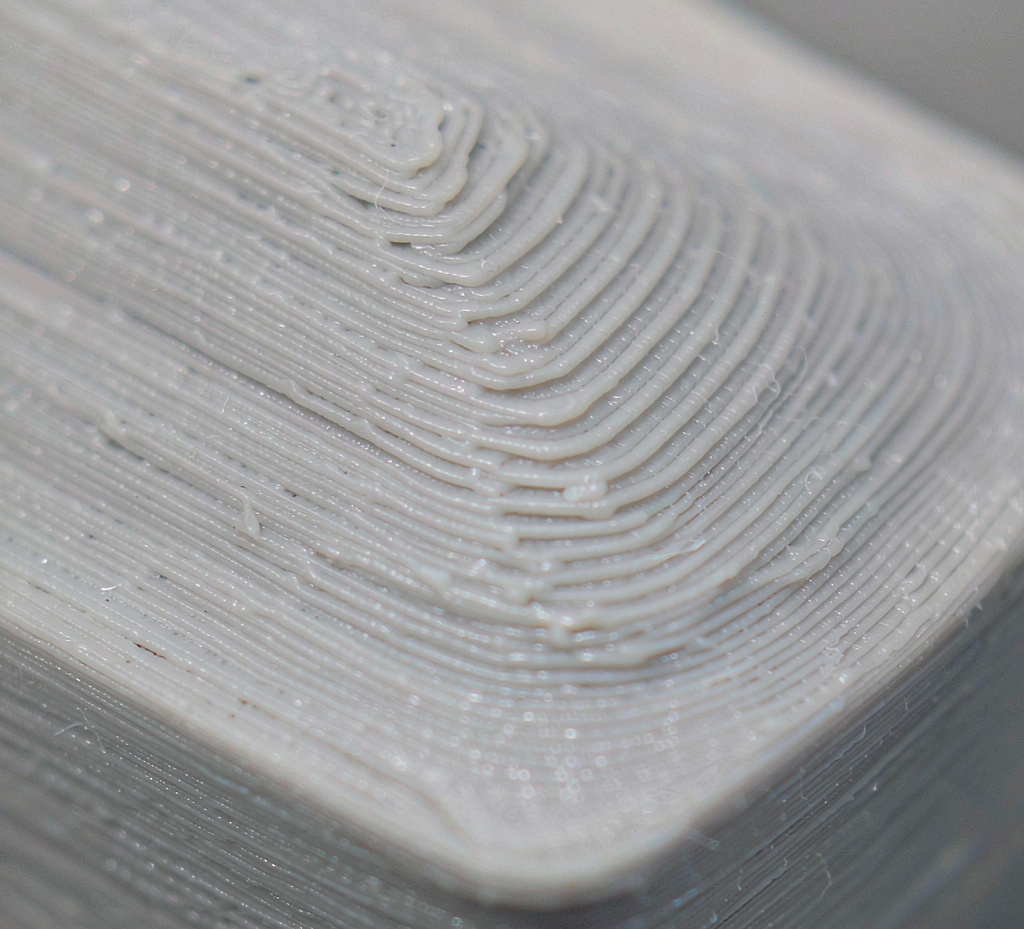
Why this matters: a tolerance that is easy for SLS may be marginal for FDM. State the functional requirement (fit, load, temperature, appearance) and let the process be chosen to meet it — not the reverse.
Selecting Material by Functional Requirement
Start from what the part must do, then match material and process.
Visual / concept model
PLA or resin for shape and fit checks where mechanical load is low.
Functional prototype
Nylon (SLS/MJF) or ABS/PETG for parts that must be handled and tested.
Flexible part
TPU for grips, seals and dampening where rubber-like behavior is needed.
Chemical / heat duty
PETG or high-performance grades such as PEEK where the environment is demanding.
Jigs & fixtures
Nylon or reinforced polymer for plant tools and assembly aids.
Small precise detail
Resin (SLA) for patterns, molds and fine features.
3D Printing vs. CNC Machining vs. Injection Molding
The right process depends on volume, tolerance, material and lead time — not on which is "newest."
| Factor | 3D printing (polymer) | CNC machining | Injection molding |
|---|---|---|---|
| Best volume | Prototype to low volume | Prototype to medium volume | High volume |
| Tooling | None | Fixtures only | Mold required (high upfront) |
| Geometry | Very complex, consolidated | Limited by tool access | Complex but mold-dependent |
| Tolerance | Typical ±0.1–0.5 mm by process | Very tight, process-defined | Tight, repeatable after setup |
| Material | Polymers (selected grades) | Wide: metals & plastics | Thermoplastics & some elastomers |
| Lead time | Hours to days | Days to weeks | Weeks (after tooling) |
See the deeper comparisons: Is CNC machining better than 3D printing? and CNC vs 3D printing for low-volume production. For molded parts, see injection molding services, and for machined metals and plastics, CNC machining services.
Manufacturing and Inspection Support
Polymer parts are only as good as the process control behind them.
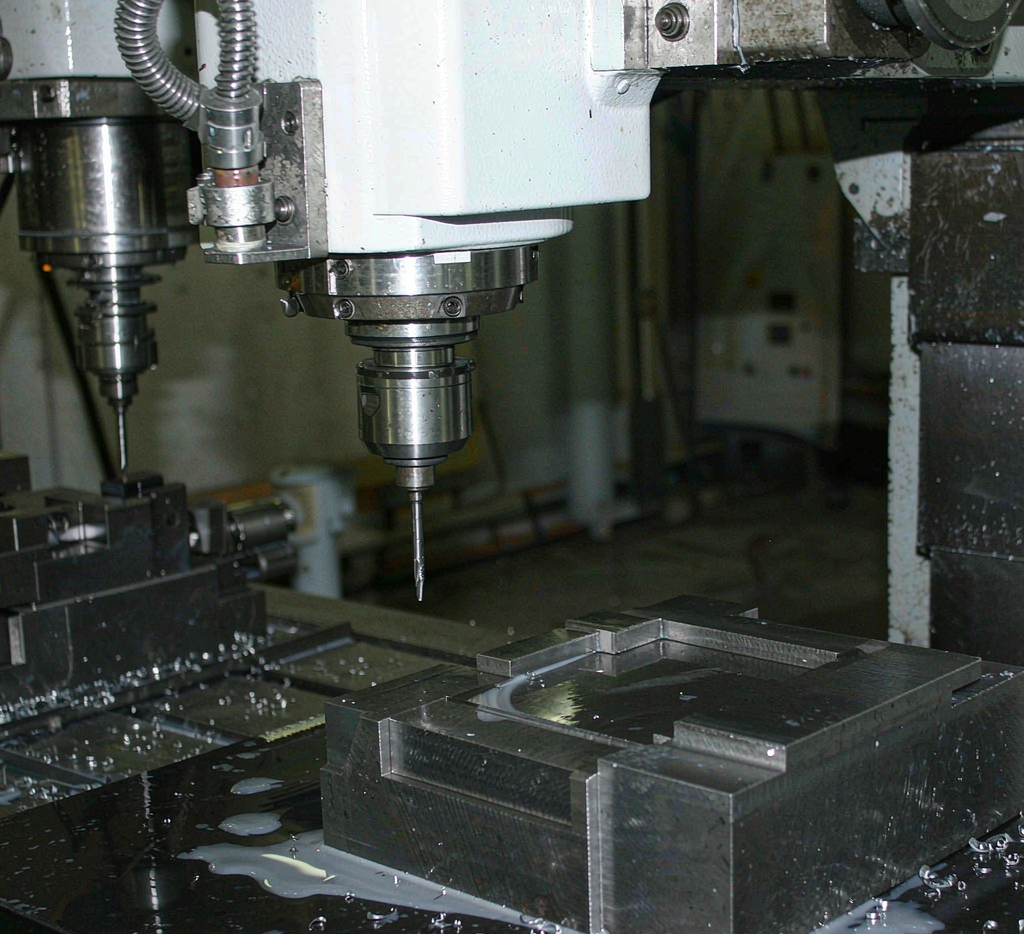
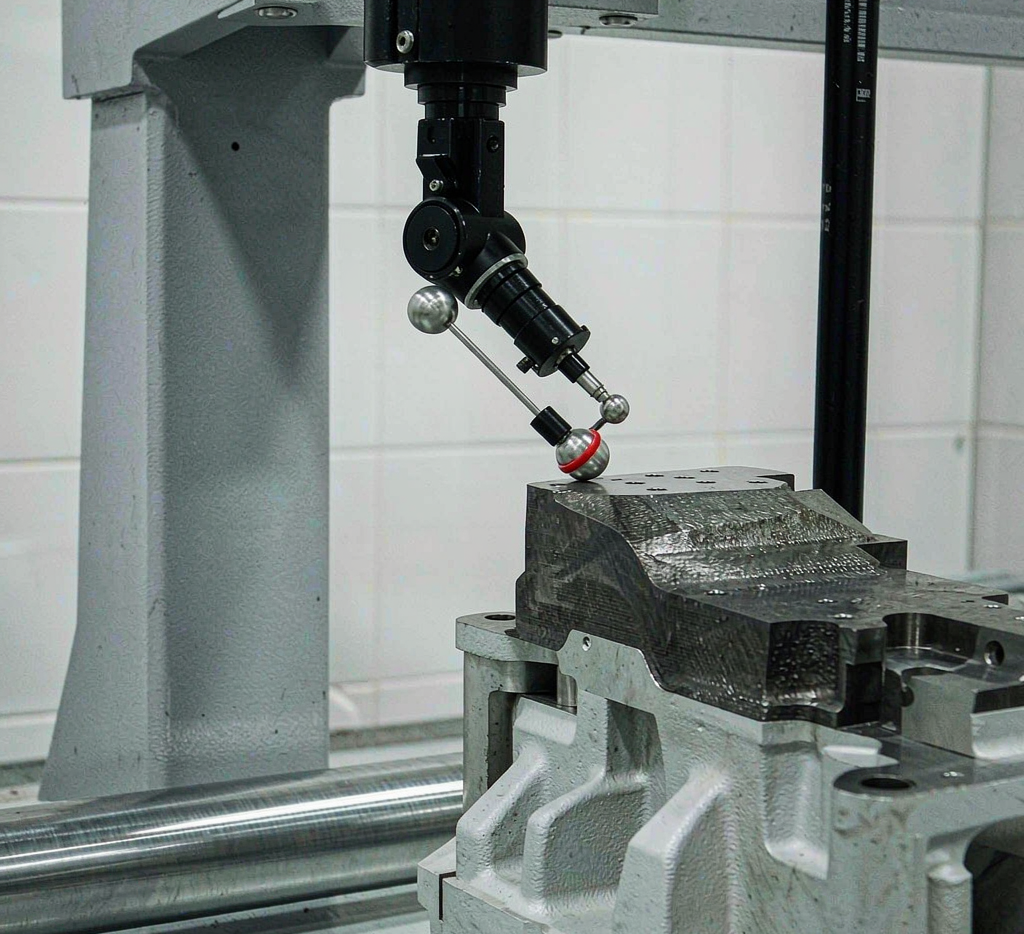
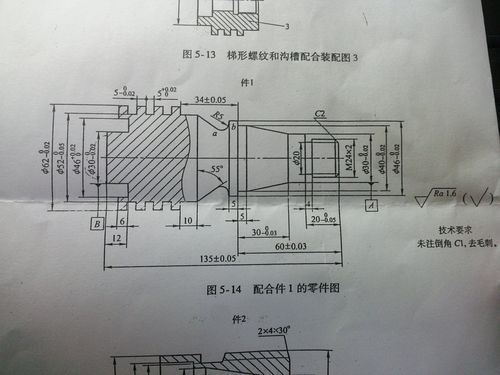
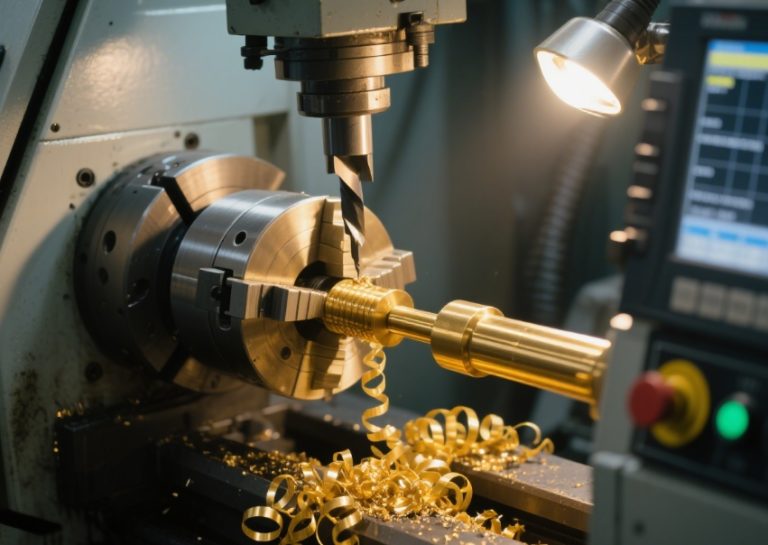
Why it matters: when a 3D-printed part needs machining, threads or verified dimensions, the same quality system that supports CNC work applies — the material name alone does not guarantee the result.
RFQ Checklist for 3D-Printed Parts
The clearer the brief, the more comparable the quote and the lower the rework risk.
| Item | Provide |
|---|---|
| 3D model | STEP / STL / IGES with critical features defined. |
| Material / property | Target polymer or required property (flexible, heat-resistant, etc.). |
| Quantity | Prototype, low-volume or recurring batch. |
| Tolerances | Critical vs general tolerances and datums. |
| Finish | As-printed, smoothed, painted, or other. |
| Application | Service condition: load, temperature, chemical, appearance. |
| Documents | Inspection, material or compliance records required. |
Frequently Asked Questions
Do 3D printers only use plastic?
No. Plastic (polymer) is the most common 3D-printing material, but industrial 3D printing also uses metals, ceramics, sand and, in specialist niches, food or bio-materials. For most buyers the practical question is which material fits the part and which process can print it. Xiamen Goldcattle's 3D-printing service covers polymer processes only — FDM, SLA, SLS and MJF.
What materials can a 3D printer use?
In polymers: PLA, ABS, PETG, nylon (PA11/PA12), photopolymer resin, TPU (flexible) and high-performance grades such as PEEK. These map to different processes — filaments for FDM, liquid resin for SLA, polymer powder for SLS and MJF. Metals and ceramics are used in other industrial processes but are not part of Goldcattle's current 3D-printing offering.
Is PLA really biodegradable?
PLA is bio-based (often from corn starch or sugarcane) and can be industrially composted under certified commercial conditions such as EN 13432 or ASTM D6400. It does NOT readily break down in home compost, soil or seawater, and it is not a universal 'eco' replacement for every plastic. Treat 'compostable' as facility-dependent, not automatic.
How accurate is 3D printing?
Accuracy is process-dependent. Industrial polymer processes such as SLA, SLS and MJF typically achieve as-printed dimensional accuracy around ±0.1–0.3 mm, while FDM is typically closer to ±0.3–0.5 mm. These are typical ranges, not guarantees, and they exclude post-processing, part orientation, size and the measurement method used.
What is the difference between FDM, SLA, SLS and MJF?
FDM extrudes thermoplastic filament and is low-cost and accessible. SLA cures liquid resin with light for fine detail and smooth surfaces. SLS and MJF fuse polymer powder (usually nylon) without support structures, giving strong, complex functional parts. Each suits different materials, tolerances, surfaces and batch sizes.
Should I choose 3D printing or CNC machining?
Choose 3D printing for complex geometry, consolidation of assemblies, fast prototypes and low volumes where material properties are acceptable. Choose CNC machining when you need tight tolerances, specific certified metals or plastics, isotropic strength or a finished surface straight from the machine. The right answer depends on the part, not the technology headline.
Is 3D printing cheaper than injection molding?
For prototypes and low volumes, 3D printing usually avoids the tooling cost of injection molding and is cheaper overall. At high volumes, injection molding amortizes its tooling across many parts and becomes more economical per piece. The crossover depends on quantity, part size, material and quality requirements.
Can Goldcattle print metal parts with 3D printing?
No. Goldcattle's 3D-printing service is polymer-only — FDM, SLA, SLS and MJF. Metal and ceramic additive manufacturing are described here as industry context only. If a part must be metal, it is typically produced by CNC machining, die casting or other metal processes, which Goldcattle supports.
What should I send for a 3D-printing quote?
Provide the 3D model (STEP/STL/IGES), target material or properties, required quantity, critical tolerances, surface or post-processing needs, and the intended application. The more specific the input, the more comparable the quote and the lower the rework risk.
What are the main limits of 3D-printed parts?
Common limits are process-dependent accuracy, visible layer lines or surface roughness, anisotropy (properties can vary by direction), moisture sensitivity for some nylons, lower heat resistance for commodity polymers, and size limits of the build volume. These are manageable when the material and process are matched to the application.
Need a polymer part printed or prototyped?
Send the 3D model, target material or properties, quantity, critical tolerances and the intended application for a review of the process and any finishing needs.
- Process matched to material and function (FDM / SLA / SLS / MJF)
- DFM input on tolerances, supports and post-processing
- Inspection and documentation on request

Reviewed the material, process and capability-boundary content for this guide on 2026-10-13. Process and accuracy statements describe general additive-manufacturing principles; figures are typical ranges, not guarantees. Goldcattle's 3D-printing scope is polymer-only (FDM, SLA, SLS, MJF).