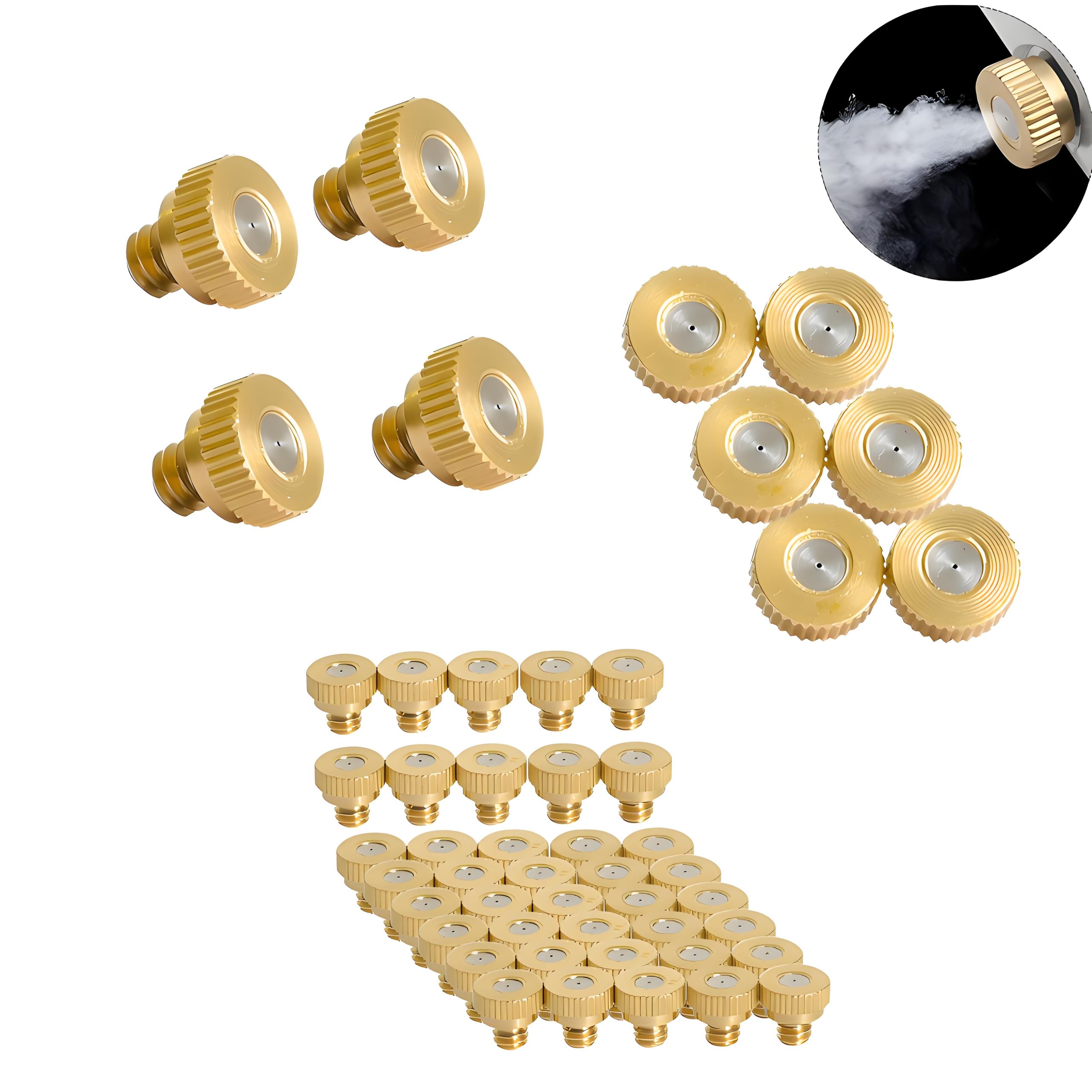
Brass Ball Coolant Nozzle CNC Turning
|
Attribute Category
|
Detailed Description
|
|
Core Material
|
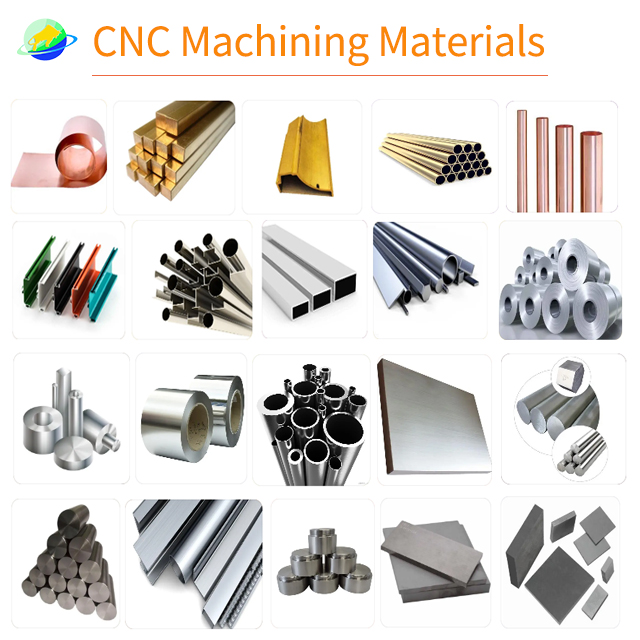
High-quality brass (H59, H62, H65 optional) with excellent thermal conductivity and corrosion resistance
|
|
Processing Technology
|
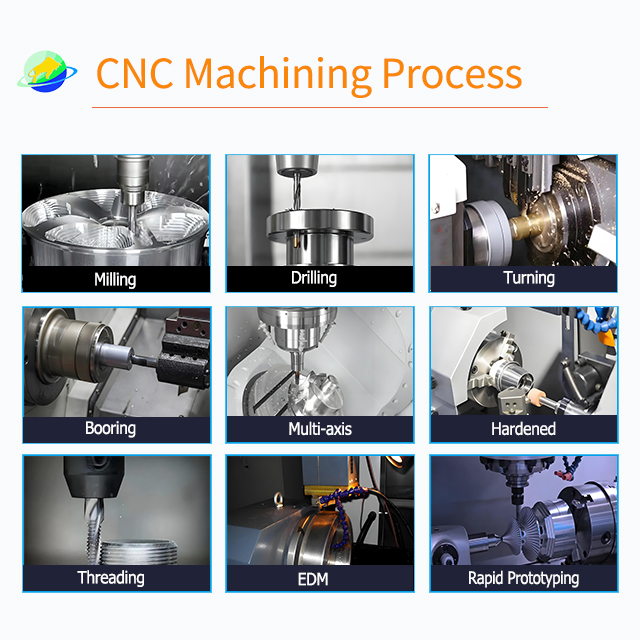
CNC turning, milling, drilling, grinding, supporting integrated processing of complex structures
|
|
Precision Tolerance
|
Dimensional tolerance: ±0.01mm, surface roughness Ra≤1.6μm
|
|
Cooling Performance
|
Optimized cooling channel design, heat dissipation efficiency increased by 30%+, cooling uniformity up to 95%+
|
|
Surface Treatment
|
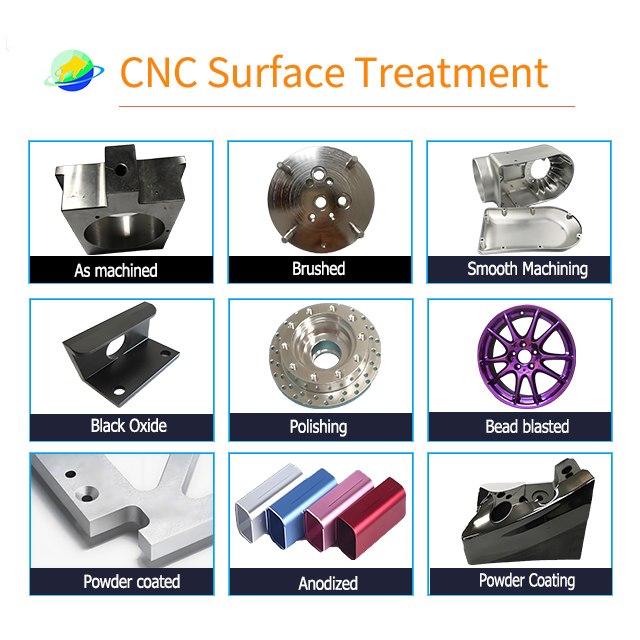
Options: polishing, passivation, nickel plating, chrome plating (anti-oxidation and anti-rust)
|
|
Working Environment Adaptability
|
Working temperature range: -20℃~120℃, compatible with various cooling media (water, oil, refrigerant)
|
|
Connection Method
|
Threaded (G, NPT, BSPT optional), flanged, quick-connect (interface specifications customizable on demand)
|
|
Certification Standards
|
ISO9001:2015 certified, RoHS compliant, material reports available for raw materials
|
|
Customization Range
|
Size (φ5mm~φ100mm), structure, cooling hole pattern, thread specification
|
Description
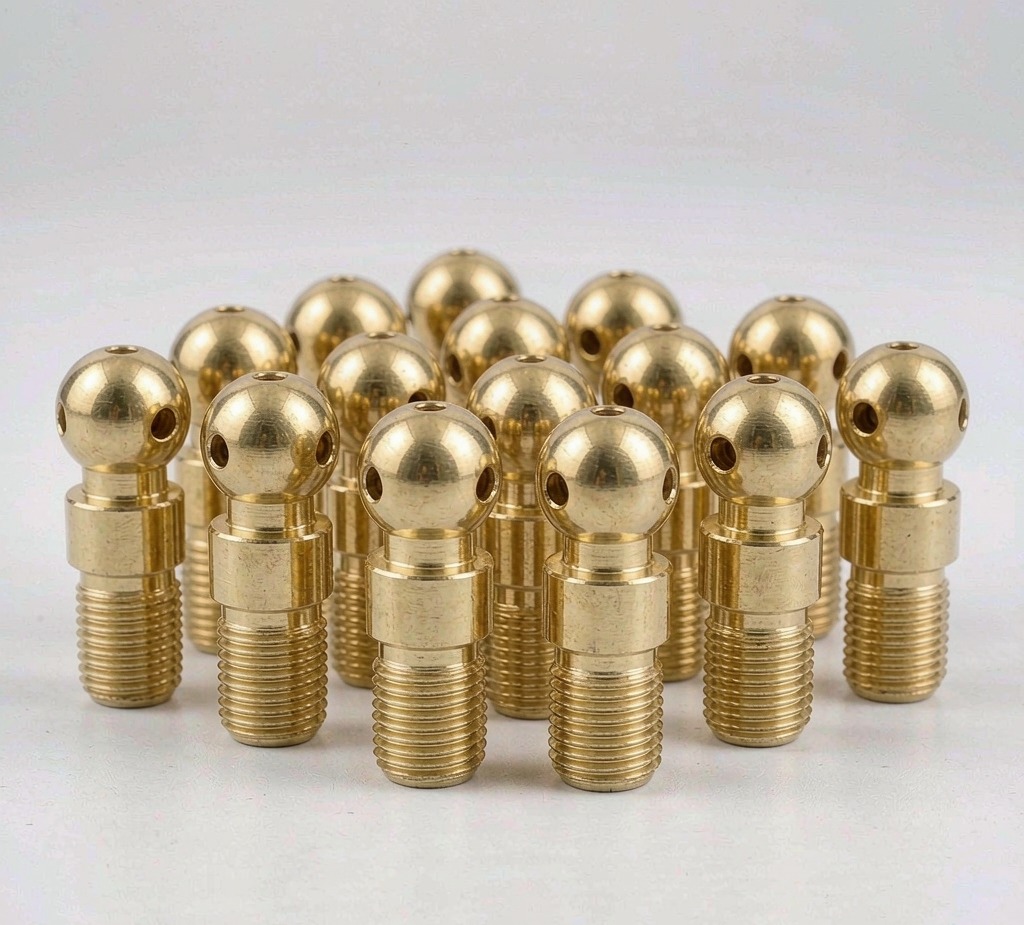
Brass ball coolant nozzles, made to your drawing
We machine adjustable brass ball nozzles that aim coolant or compressed air at the cutting zone on CNC machine tools.
Made to print, not from a stock catalogue. Send a drawing, a 3D model or a sample and we review the ball diameter, orifice, thread and material before we quote. Non-standard sizes are welcome.
CNC turning and drilling. G, NPT and BSPT threads. Prototype to repeat orders.
Your drawing, not our catalogue
We make to the dimensions you specify, including non-standard sizes.
G, NPT, BSPT
Threads are cut to the standard named on your drawing and gauged.
Aim the flow
An adjustable ball lets an operator point the jet at the cut.
Checked before dispatch
Dimensions, thread and agreed leak checks are recorded per order.
What a brass ball coolant nozzle does
A brass ball nozzle is a small adjustable fitting that points a jet of coolant or compressed air at the tool tip or the work surface. The spherical head can be tilted, then locked, so the operator can set the flow direction by hand.
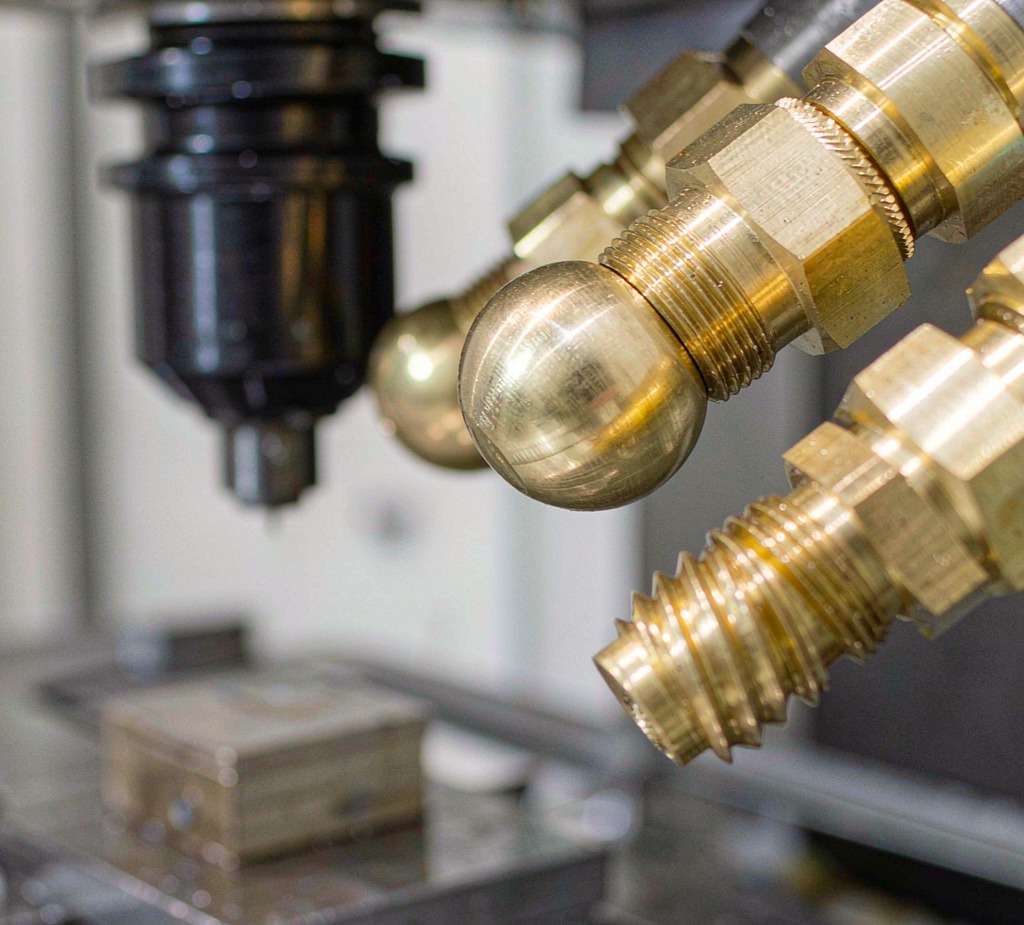
On a CNC machine tool the nozzle has a simple job: put fluid where the cut is happening. That can mean flushing chips out of a pocket, cooling the cutting edge, or blowing swarf away with air. A brass body is easy to machine to a fine orifice, and it holds up in a shop environment.
We manufacture the nozzle. We do not design a machine's full cooling system, select a pump or supply the coolant. Those stay with the machine builder or the end user. This page is about the machined part and how we make it to your drawing.
Typical duties on the machine
- Directing coolant at the cutting edge during milling or turning.
- Flushing chips from a cavity so the tool does not recut them.
- Aiming compressed air to clear swarf from a fixture.
- Replacing a worn or damaged nozzle with a like-for-like part.
Common forms we machine
Nozzles are grouped here by shape and connection. These are forms we can machine to drawing. They are not a stock list, and we do not assign part numbers that imply a standard product.
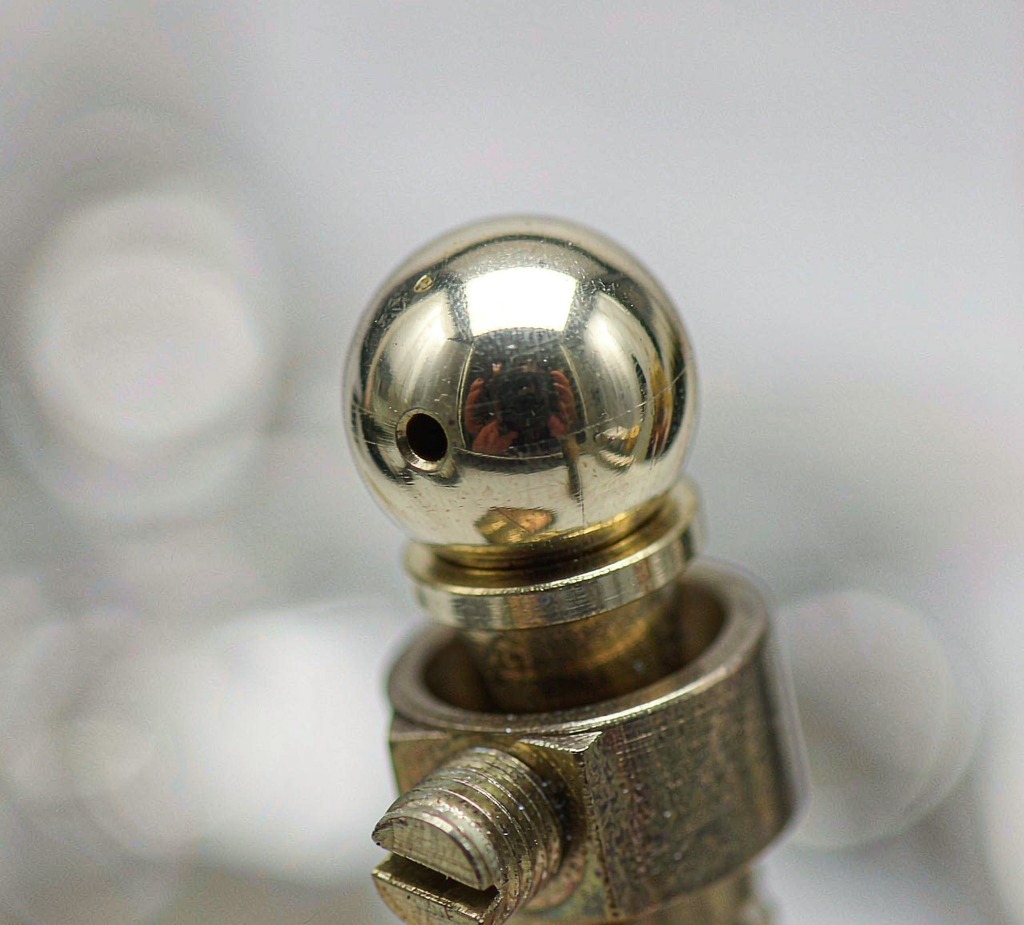
Ball-and-socket head
A spherical head seated in a socket. The operator tilts the head to aim the jet, then tightens the retaining nut to hold the angle.
Fixed-angle nozzle
A one-piece body with the orifice drilled at a set angle. Chosen where the flow direction never needs to change.
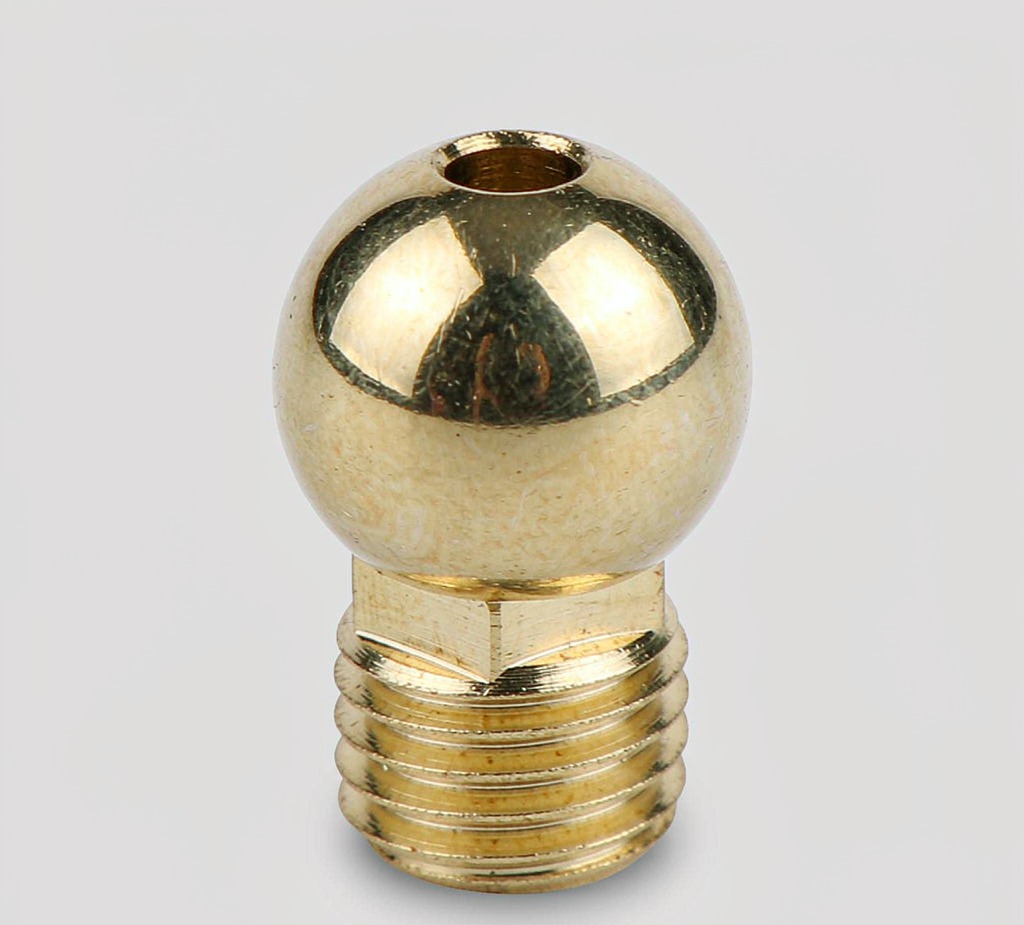
Threaded shank
A male thread such as G, NPT or BSPT screws the nozzle into a manifold or a tapped hole. Sealing method is per drawing.
Flanged base
A flat flange with bolt holes for mounting on a plate or panel where a threaded shank is not suitable.
Single or multi-hole tip
A single round orifice or several small holes. Hole size, count and angle are taken from your drawing.
Coolant or air pattern
The internal passage is machined for the intended medium. We review the fluid with you before fixing the bore and orifice.
Specifications we work to
Every value below is a field we review on your drawing. We do not publish one fixed tolerance or flow figure for every nozzle, because the right value depends on the part and its duty.
Swipe the table to see all columns.
| Item | What we review | How it is set |
|---|---|---|
| Ball outside diameter | Nominal size and fit in the socket | Per drawing; confirmed before machining |
| Orifice | Diameter, count and exit angle | Drilled to the drawing; checked after machining |
| Thread | Standard, size and class | G, NPT, BSPT or other named standard |
| Overall length | Body length and ball position | Per drawing or matched to a supplied sample |
| Outlet form | Single hole, multi-hole or slotted tip | Per drawing |
| Material | Brass grade and supply document | Confirmed against the order |
| Tolerance | Critical features only | Reviewed per feature; not one blanket value |
| Surface | As-machined, deburred or plated | Per drawing and agreed finish |
| Working pressure | Intended service pressure | Stated by the customer; agreed in writing |
| Flow target | Expected flow at the orifice | Stated by the customer; verified if required |
How we state performance
We do not quote generic efficiency percentages, temperature ranges or pressure figures for these nozzles. A number is useful only when it is tied to a part number, a fluid and a stated test method. If your project has specific test data, send it with the drawing and we will review it with you.
Brass selection and fluid compatibility
Brass is a common choice for coolant nozzles because it machines cleanly into small passages and resists shop-floor corrosion. The exact grade matters. Free-cutting grades such as CuZn39Pb3, C36000 and H62 are typical. We confirm availability and the supply document for the grade on your order.
Grade is confirmed, not assumed
The brass grade is fixed against your drawing and what is available. We do not substitute a grade without telling you. Lead-free options can be checked on request.
Fluid chemistry matters
Water-based coolant, neat oil and compressed air behave differently. Additives and concentration affect how a brass part performs over time.
What we need from you
- The exact medium: coolant type, oil grade or compressed air.
- Concentration and operating temperature range.
- Any known additives or cleaning agents in the system.
- Whether the part is lead-free or has other material limits.
We review material choice against this information. We do not claim that one brass nozzle suits every fluid.
Working pressure, proof test and leak test
These three terms are often mixed together. We keep them separate so that a test result means something specific. The values are agreed for your part rather than copied from a generic table.
| Term | What it means | How we record it |
|---|---|---|
| Working pressure | The pressure the nozzle is expected to see in normal service. | Stated by the customer and noted on the order. |
| Proof test pressure | A higher, short-term pressure used to check strength. | Value, duration and result agreed before the test. |
| Leakage test | A check for seepage at an agreed pressure and hold time. | Pressure, time and acceptance limit recorded. |
If you already have a test specification, send it with the drawing. If you do not, tell us the intended duty and we will agree the test conditions with you before any pressure test is run.
How we machine the nozzle
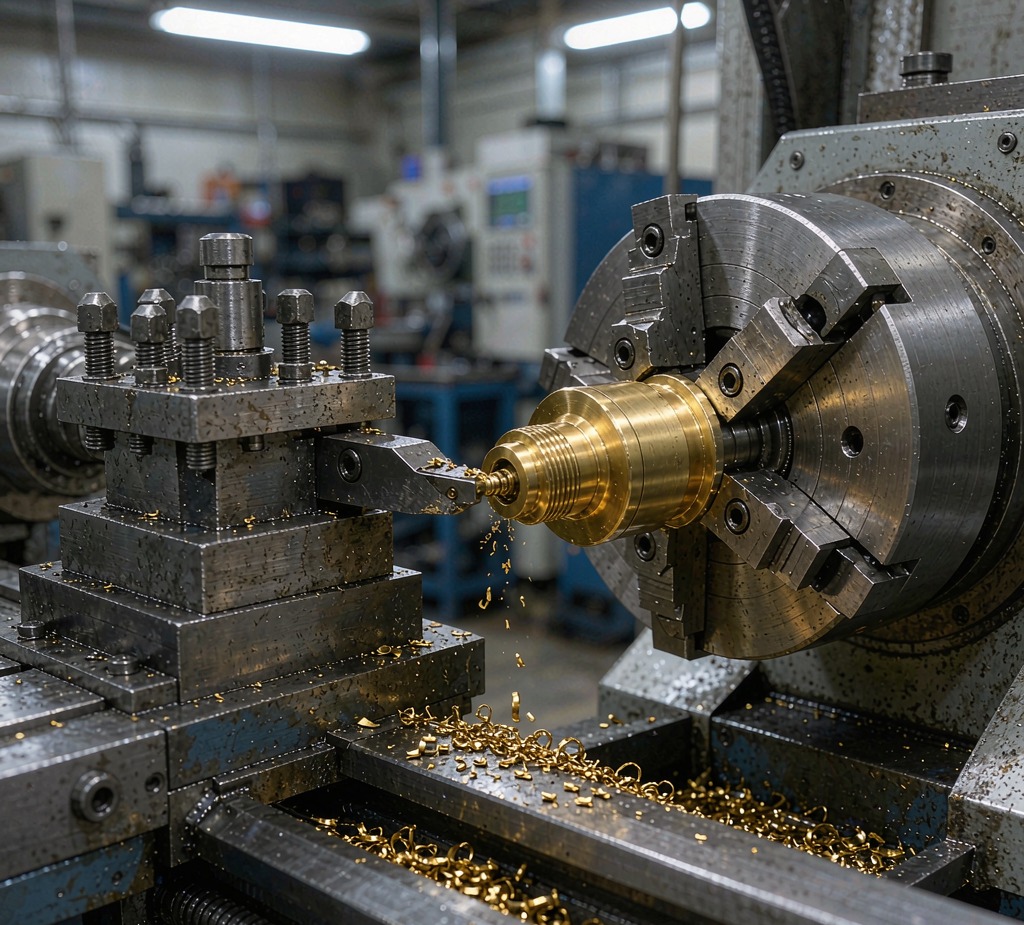
The part is made on CNC turning and drilling equipment. The steps below are the usual route for a brass ball nozzle. The exact sequence follows your drawing.
Review drawing
We check dimensions, thread, orifice and material before quoting.
Turn the body
CNC turning forms the shank, ball and thread features from brass bar.
Drill orifice
The spray hole or holes are drilled to the specified size and angle.
Deburr & finish
Edges are cleaned and the agreed surface finish is applied.
Inspect
Dimensions, thread and any agreed leak check are recorded.
We keep the work in house across our six core processes. All six core processes — CNC machining, injection molding, mold making, 3D printing, die casting and sheet metal fabrication — are performed in-house under one ISO 9001:2015 quality system.
Inspection and records
Inspection is planned around the critical features on the drawing, not a single blanket tolerance. We use gauges, calipers and measuring equipment suited to the feature being checked.
Feature checks
Ball diameter, orifice size, thread and overall length are checked against the drawing. Critical features are confirmed before production.
Gauge verification
Threads are checked with a mating or thread gauge to the standard named on the drawing.
Agreed test
Pressure and hold time are set per order. The method and the result are reported on request.
Supply document
The brass grade is confirmed and the relevant material document is supplied with the order.
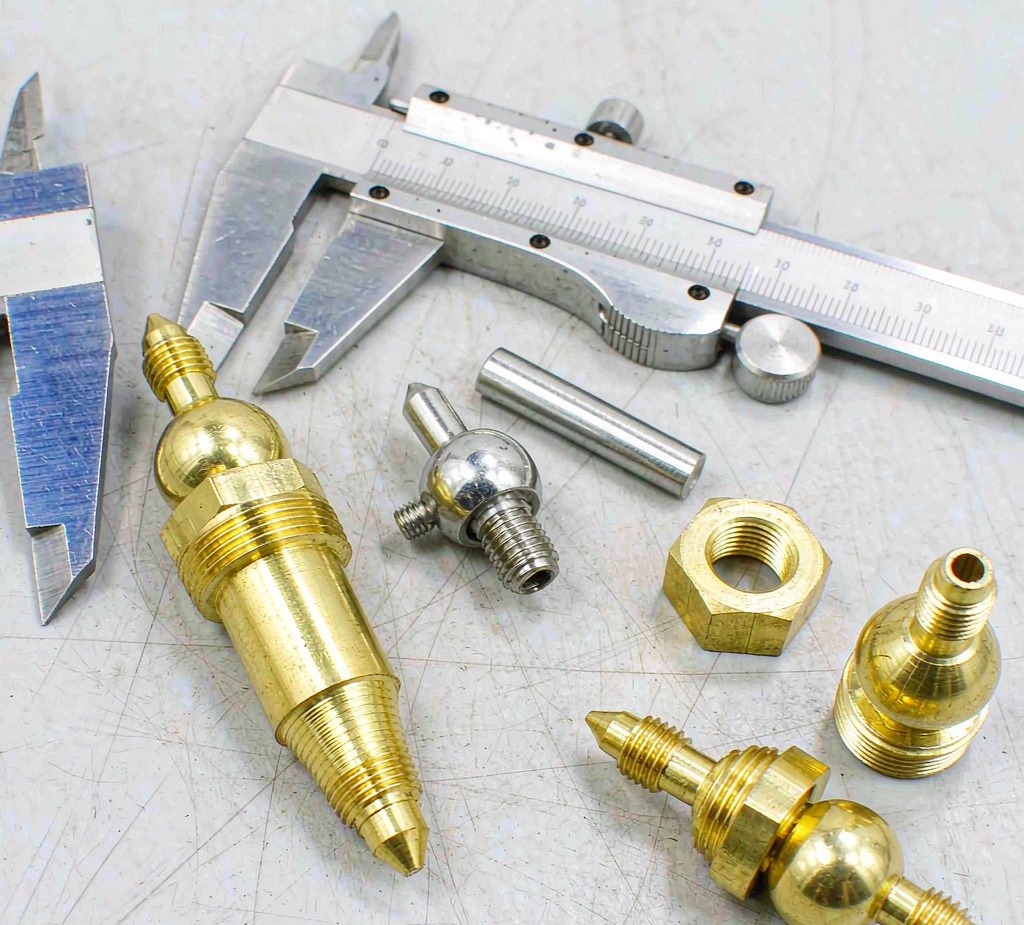
Can you match a sample we already use?
Send the sample. We measure the ball, orifice, thread and length, then confirm what we can reproduce and what needs a drawing to settle.
When a custom nozzle makes sense
Drawing-based replacement
You have a part number or a sample and need a like-for-like nozzle made to the same dimensions and thread.
Non-standard geometry
The orifice angle, ball size or body length is not in a catalogue and must follow your equipment layout.
New fluid or high pressure
Tell us the medium and pressure. Material and test conditions need to be agreed before we quote.
Full cooling system design
We make the nozzle. Pump selection, system layout and coolant formulation stay with your team.
For a broader view of the processes behind this part, see our CNC turning services and CNC machining services.
What to include in your enquiry
The more of this you send, the faster we can give a firm answer. If some values are not fixed yet, send what you know and we will review the gaps with you.
Ball outside diameter and socket fit
Orifice diameter, count and angle
Thread standard and size (G, NPT, BSPT or other)
Overall length and ball position
Outlet form: single, multi-hole or slotted
Material grade or lead-free requirement
Medium: coolant, oil or air, with concentration
Working pressure and any test requirement
Expected flow at the orifice, if known
Quantity and whether you have a sample
Drawing, 3D model or sample
Finish and plating requirements
Frequently asked questions
What is a brass ball coolant nozzle used for on a CNC machine?
It directs a stream of coolant or compressed air at the cutting zone. The ball joint lets an operator aim the flow at the tool tip or the work surface. On CNC machine tools this helps remove chips, control heat at the cut and keep the cutting area clear. We manufacture these nozzles to drawing. We do not design the machine's cooling system.
Can you make nozzles to a non-standard size or a customer drawing?
Yes. Drawing-based work is our main service. Send a 2D drawing, a 3D model or a sample part. We review the ball diameter, orifice size, thread, overall length and material before we quote. Non-standard dimensions are welcome. We confirm each critical feature with you before production.
Which brass grades can you use for these nozzles?
Common free-cutting brass grades such as CuZn39Pb3, C36000 and H62 can be used. The final grade depends on availability and your drawing. We confirm the grade and supply the relevant material document with the order. Tell us if you need a lead-free grade and we will check what is available.
How do you define working pressure and pressure testing?
We treat these as separate items. Working pressure is the pressure the nozzle is designed to see in service. Proof test pressure is a higher, short-term test value. A leakage test checks for seepage at an agreed pressure and time. We do not publish a single pressure number for every nozzle. Test conditions are agreed per drawing and reported on request.
Are these nozzles compatible with all coolants and cutting fluids?
Not automatically. Compatibility depends on the fluid chemistry, concentration, temperature and the brass grade. Water-based coolants, neat cutting oils and compressed air can behave very differently. Tell us the exact medium and operating conditions. We review the material choice with you. We do not claim that one nozzle suits every fluid.
What information do you need to quote a custom nozzle?
Send the ball outside diameter, the orifice diameter and angle, the thread type and size, the overall length and the outlet form. Add the material grade, the medium, the working pressure and the expected flow. A drawing or sample is the fastest route. If some values are not fixed yet, tell us what is known and we will review the gaps.
Do you offer thread options such as G, NPT or BSPT?
Yes. G (BSPP), NPT and BSPT threads are common on coolant nozzles. We machine the thread to the standard named on your drawing and check it with a mating gauge or thread gauge. The thread standard, size and sealing method are confirmed before we quote.
What is the typical lead time for a sample and for a repeat order?
Lead time depends on the drawing, material and quantity. For planning, prototype samples are usually completed in 3 to 7 working days after drawing confirmation. Small batches are usually 7 to 20 working days. Mass production is usually 15 to 25 working days. We confirm a schedule for your specific order before we start.
Ready to quote your nozzle
Send the drawing, the sample or the key dimensions. We review the material, orifice, thread and inspection plan, then come back with questions or a quotation.
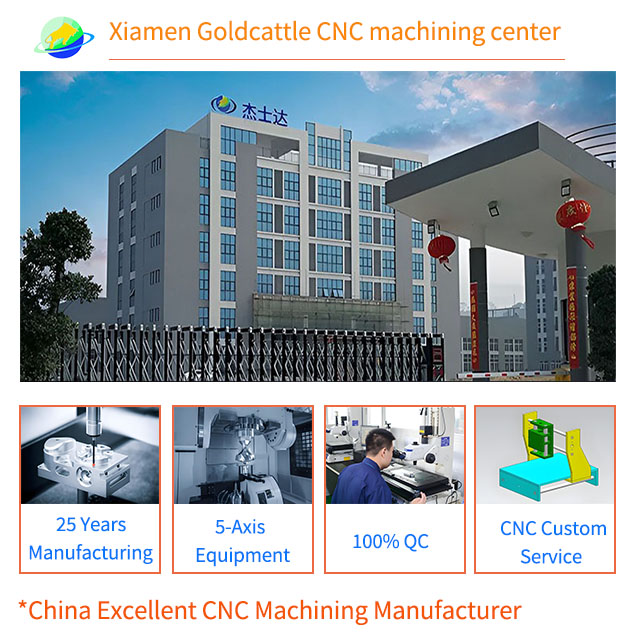
Xiamen Goldcattle Plastic & Metal Products Co., Ltd. produces custom parts to drawings and samples.
A fast enquiry usually includes
- Ball diameter and orifice size
- Thread standard and size
- Brass grade and medium
- Working pressure and quantity
- A drawing, model or sample