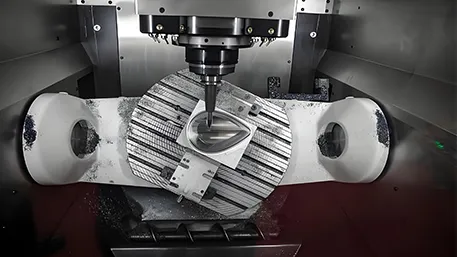
Custom Sensor Housings & Components, Machined to Your Drawing
A sensor housing is a mechanical part with a job: hold the sensing element in the right place, keep the medium where it belongs, and survive the installation. This page follows that job from housing geometry and sealing to material choice, sensor integration, machining route and verification.
Sourcing Snapshot
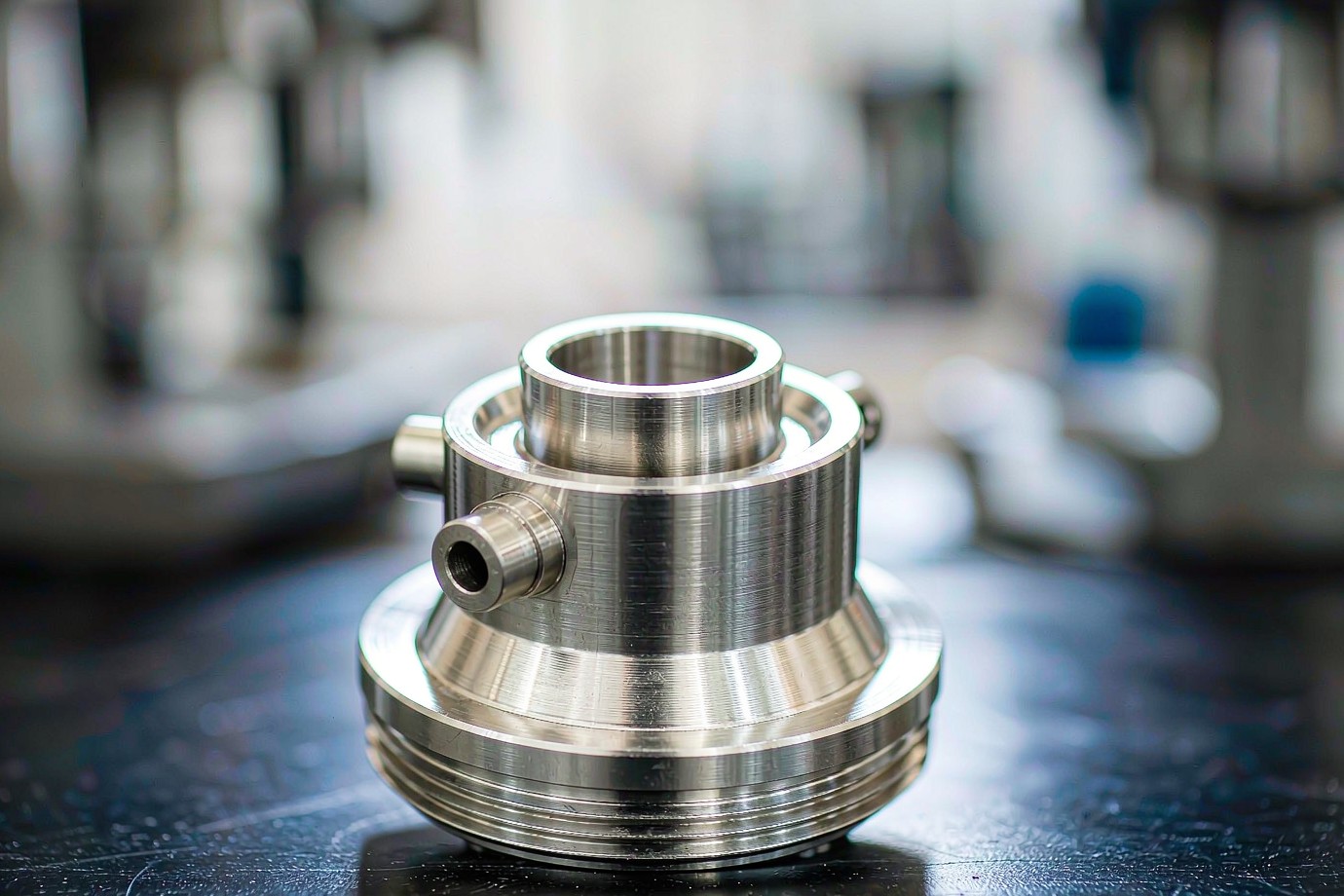
CNC machining for sensor housings makes the metal or engineering-plastic body that protects and positions a sensing element and provides its mounting, connection and sealing features. Common parts include pressure sensor bodies, temperature probe housings, proximity sleeves, flow housings and optical enclosures. Goldcattle machines these to your drawing and reviews the features that matter: internal bores, threads, sealing faces, material choice and inspection. Final sensor performance, pressure integrity and IP protection belong to the complete assembly and its tests.
Six Sensor Housing Families, Each With a Different Critical Feature
A single “sensor housing” label hides very different parts. The measurement principle, mounting method and working environment decide what the body must do, so a useful supplier discussion starts with the housing family.
- Pressure sensor bodiesTransducer bodies, threaded housings, port adapters and diaphragm supports. The critical features are the internal bore, pressure port, thread and sealing face.
- Temperature sensor bodiesProbe bodies, thermowells and RTD sleeves. The critical features are working temperature, probe seating depth and corrosion resistance.
- Proximity & position bodiesInductive sensor sleeves, encoder bodies and threaded mounts. The critical features are concentricity, mounting thread and sensing-end position.
- Flow & level bodiesFlow meter bodies, fluid blocks and sensor port adapters. The critical features are flow passages, wetted material, sealing and port threads.
- Optical & vision bodiesLaser and camera housings, lens mounts and LiDAR mechanical bodies. The critical features are optical apertures, axis location, rigidity and thermal stability.
- Vibration & condition bodiesAccelerometer bodies, mounts and protective covers. The critical features are mounting rigidity, contact face, thread and mechanical coupling to the equipment.
We focus on pressure, temperature, proximity and optical bodies as the main machined families. Flow, level and vibration structures are reviewed case by case against the drawing and confirmed capability.
The Machined Components Behind a Sensor Assembly
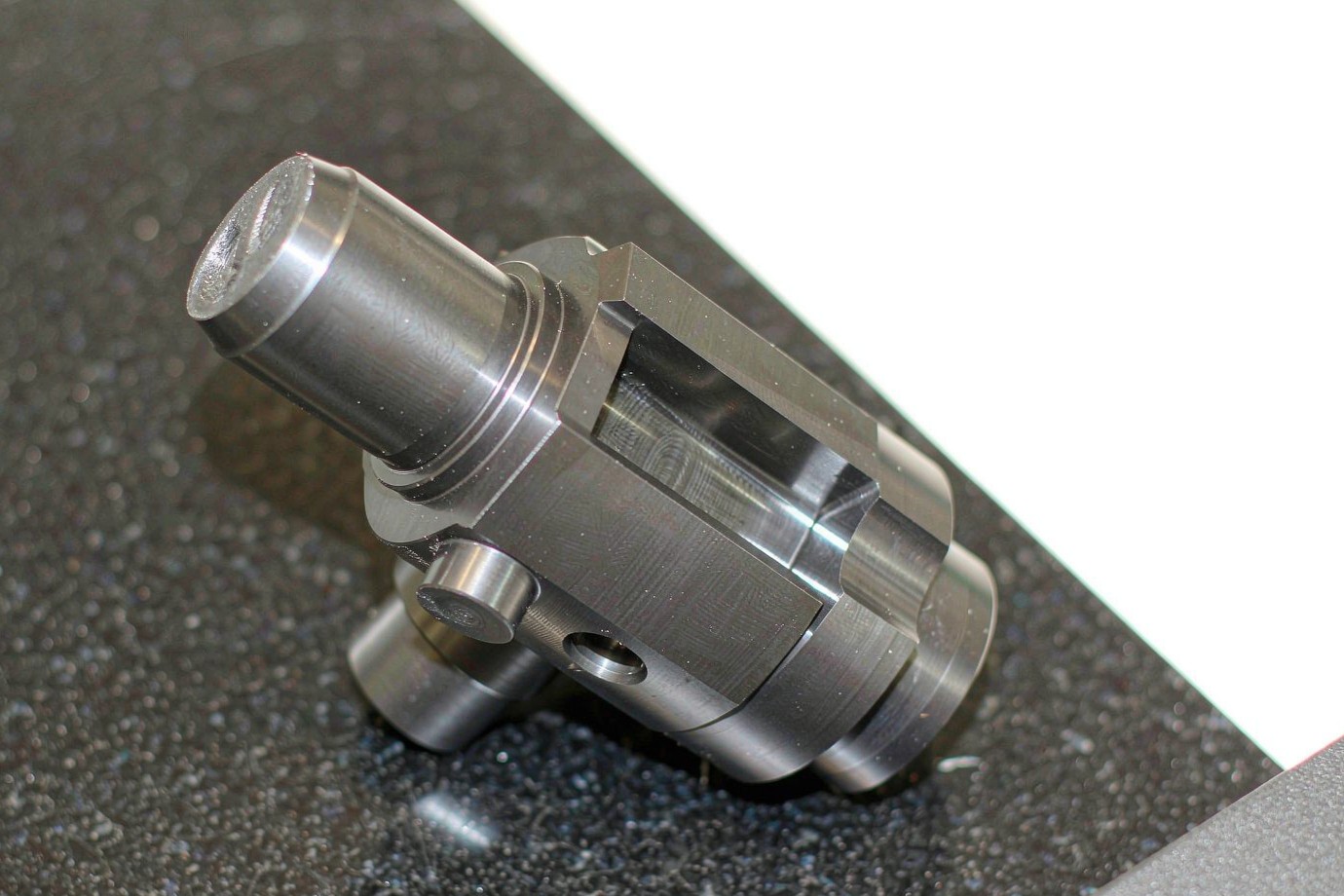
A sensor assembly can contain several machined parts, not just one shell. Naming the individual components helps a supplier quote the right scope and helps you see where tolerance and finish matter.
Sensor bodies & sleeves
The main mechanical housing or threaded sleeve that carries the internal features and locates the sensing element.
Connector & port fittings
Threaded ports, process connections and connector interfaces that join the sensor to the line or the cable.
Covers & end caps
Machined lids and caps with a mating face or groove that close the housing and protect the interior.
Brackets & adapters
Plates, port adapters and supports that fix the sensor in place and align its measurement axis.
Design the Housing Around the Sensing Element
This is where a housing becomes more than a container. Where the sensor sits, how the medium reaches it and how heat or stress travels through the body can change what the sensor actually measures. We review these points as manufacturing concerns during drawing review.
| Integration factor | What it means for the machined housing |
|---|---|
| Sensor position | Internal locating cavity and a support face that holds the element consistently |
| Vent or port location | Access hole or pressure entry position relative to the sensing area |
| Dead volume | Internal cavity size and passage geometry behind the sensing face |
| Mechanical stress | Clamping, fit and support structures that could load the element |
| Heat propagation | Position of heat sources and the path through the body to the sensor |
| Seal arrangement | Groove and face geometry that protect the interior without blocking the measurement |
| Electrical connection | Connector opening and internal space for leads or a board |
Our role ends at the geometry we can manufacture and inspect. We can flag a feature that is hard to machine or measure, but we do not decide where the sensing element should sit or guarantee the resulting measurement behavior.
Common Machining Challenges in Sensor Housing Production
Sensor housings fail in predictable ways. Knowing the cause lets us build the control into the process rather than inspecting it in at the end.
| Problem seen in the part | Typical cause | Control we review |
|---|---|---|
| Sealing failure | Groove or sealing-face deviation; burr across the seal path | Machine and inspect the groove and face as a feature; deburr the path |
| Bore ovality | Thin wall and clamping force; low part rigidity | Fixturing review and a rough-to-finish sequence that finishes the bore free of clamp load |
| Deep-hole deviation | Tool deflection and poor chip evacuation | Suitable drilling/boring approach for the depth and diameter |
| Internal burrs | Cross holes and interrupted cuts | Internal deburring and access for inspection |
| Thread assembly issues | Wrong standard, class or tool wear | Confirm thread callout on the drawing; gauge the finished thread |
| Surface scratches | Chip contact and handling | Cleaning, protection and packing defined for the finish |
Sealing Features, and Where IP Protection Actually Comes From
Industrial sensors often need to keep moisture or media out while leaving a measurement path open. That is a design of features, not a single note on a drawing.
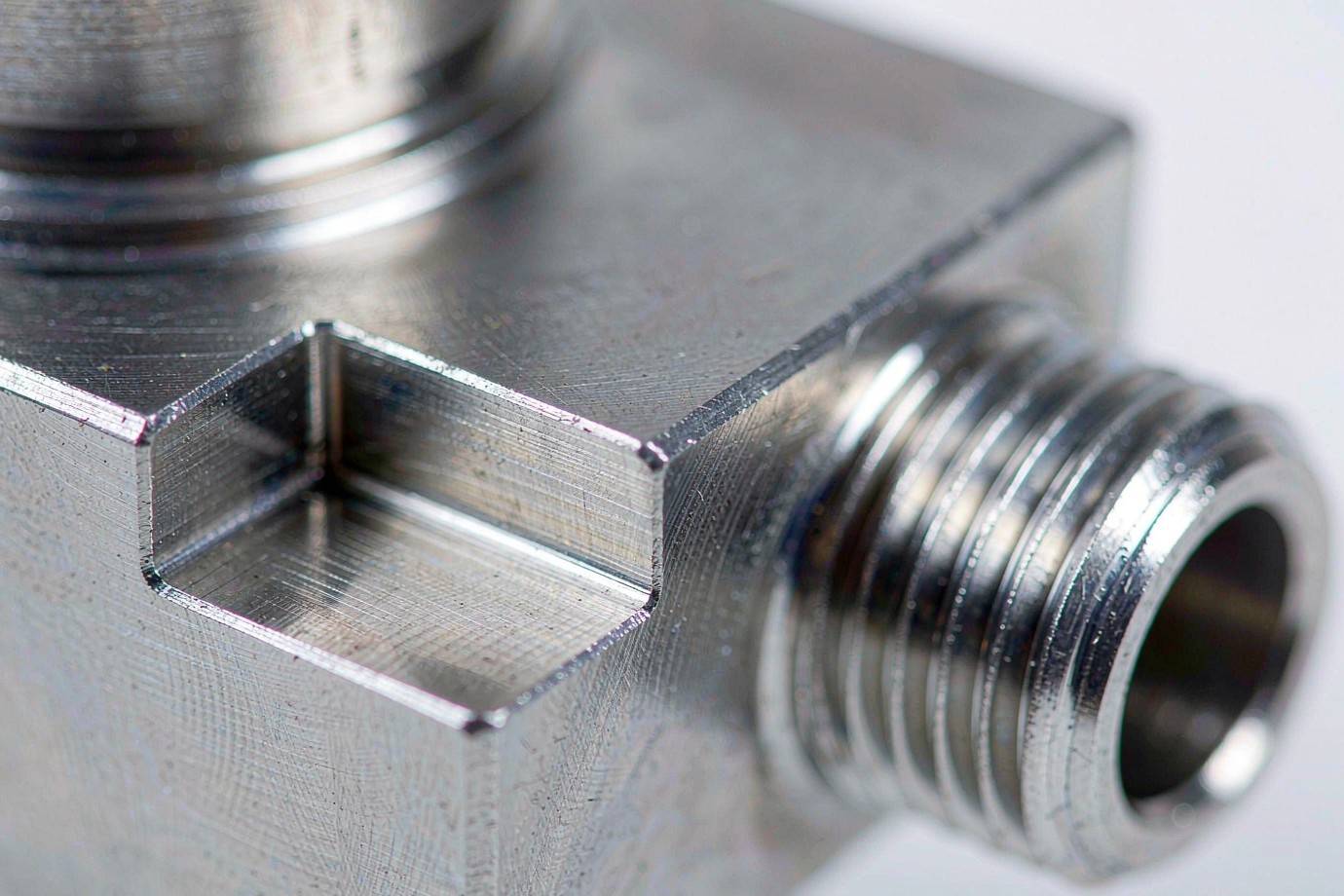
We machine to the drawing: groove width and depth, corner radius, sealing-face finish, thread and port geometry, and the mating surface. The sealing path must be continuous and free of burrs. Send the O-ring or gasket specification and the mating-part drawing so the groove matches the real compression and contact condition.
We machine sealing grooves, gasket interfaces and threaded ports to your drawing. An IP grade applies to the complete assembled sensor — housing, seals, cover, connectors and cable entries — under the specified test. We do not assign IP67 or IP68 to a single machined part.
Likewise, a pressure sensor body is not automatically a pressure vessel. In many designs the pressure boundary is formed together by the diaphragm, welded joints, the body and the seal. We make the machined features; pressure integrity and leak performance must be validated on the assembly to an agreed test method.
Bores, Threads and Concentricity
For cylindrical sensor bodies, the bore and thread are often the features that decide whether the sensor assembles and seals. They need both the right size and the right relationship to each other.
| Feature | Typical inspection method |
|---|---|
| Internal bore diameter | Bore gauge or coordinate measuring machine |
| Bore roundness | Roundness measuring instrument where the tolerance requires it |
| Thread specification | Go / no-go thread gauge and thread measurement |
| Concentricity / runout | Coordinate measuring machine or dial indicator on a datum |
| Sealing-face roughness | Surface roughness tester |
| Port position | Coordinate measuring machine referenced to the drawing datums |
The method is chosen to suit the tolerance; a caliper alone cannot confirm a tight bore or true-position callout. Thread standards must not be mixed: metric M series, NPT, BSPP/G, BSPT and UNF/UNC are different systems. State the standard, class and sealing method on the drawing rather than writing only “threaded port.”
Match the Material to the Medium and the Temperature
Sensor housings may touch water, oil, process chemicals, compressed air, steam, saline air or cleaning agents. Material choice follows the medium, temperature, pressure and contact time, not a habit.
| Material | Typical use | Points to confirm |
|---|---|---|
| Aluminum 6061-T6 | General industrial bodies, enclosures, electronic modules | Weight, machinability, anodizing and corrosion environment |
| Aluminum 7075-T6 | Light, higher-strength structures | Corrosion protection and material cost |
| Stainless 304 | General industrial and protective bodies | Specific medium and corrosion condition |
| Stainless 316L | Chemical, marine and washdown environments | Chlorides and specific chemical compatibility |
| Titanium Ti-6Al-4V | High-strength or special-environment parts | Cost, machinability and the actual medium |
| Brass | Fittings, connectors and some instrument parts | Medium compatibility and alloy grade |
| PEEK | Insulating or chemically resistant components | Temperature, medium and resin grade |
| POM / Nylon | Non-pressure, non-high-temperature supports | Creep, moisture absorption and dimensional change |
316L does not resist every chemical, and not every PEEK grade suits every environment. For a housing that contacts fluid, give the medium name, concentration, temperature and pressure, not just the material. For a full view of available options, see our materials overview.
Choose the Process From the Housing Geometry
These days a sensor body is not always a turning job or always a milling job. The shape and the features decide the route, and we will say when another process fits better.
| Housing type | Process to evaluate first | Typical consideration |
|---|---|---|
| Cylindrical pressure body | CNC turning / turn-mill | Deep bore, thread and concentricity |
| Temperature probe housing | CNC turning | Outside diameter, bore and probe seating depth |
| Proximity sensor sleeve | CNC turning | Mounting thread and sensing-end geometry |
| Flow sensor body | CNC turning + milling | Flow passage, ports and sealing interfaces |
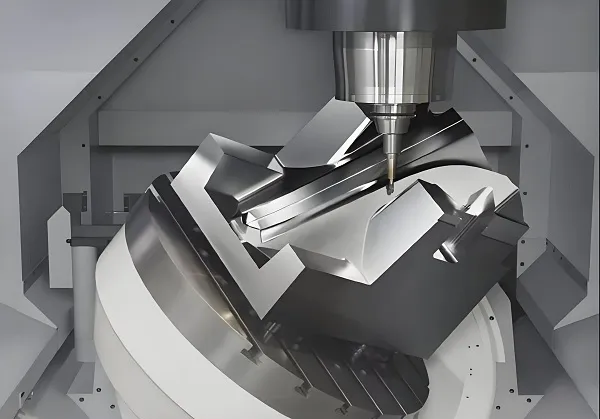
| Optical sensor enclosure | CNC milling / multi-axis | Optical aperture, locating face and multi-face structure |
| Camera / LiDAR housing | CNC milling / multi-axis | Window, mounting face and internal space |
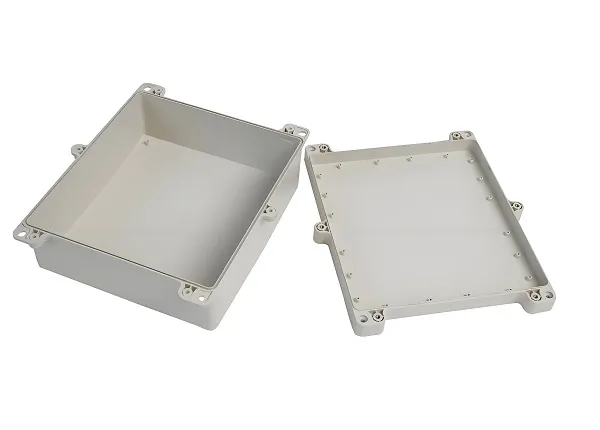
| Electronic sensor enclosure | Milling / die casting + CNC | Cavity, sealing and mounting interfaces |
| Plastic sensor housing | Injection molding / plastic CNC | Material and volume economics |
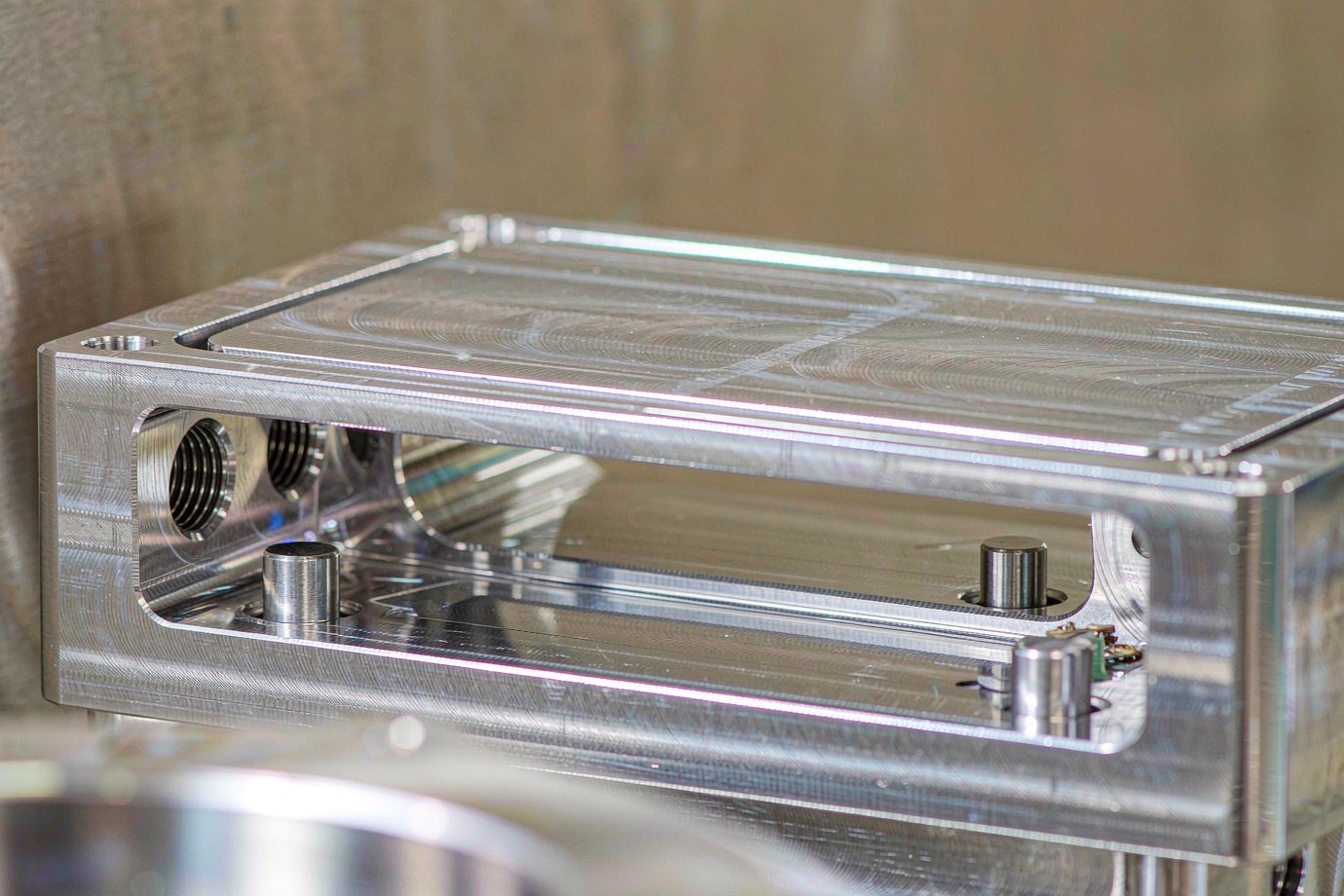
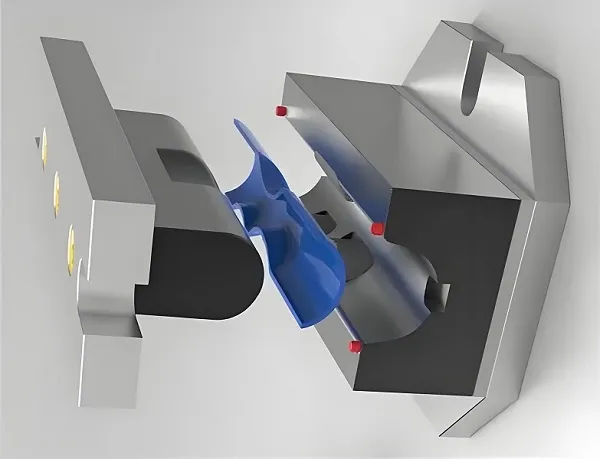
Not every sensor housing needs to be fully machined from solid. Small precision metal runs suit CNC; complex bodies with angled ports may justify multi-axis; larger volumes of aluminum or plastic housings can be evaluated with casting or molding plus finishing; and low-cost structural checks can start with additive methods. We compare these against the drawing and the real quantities. See CNC turning and multi-axis CNC milling for the capability behind each route.
Surface Finishing and Grounding Considerations
Finishing protects the housing and can change its fit. Anodizing and coating add thickness; on a sensor body that can affect a thread, a bore or a sealing face.
Where an assembled housing also needs electrical shielding or grounding, the metal body can be part of that path. What matters is the cover joint, electrical contact points, grounding faces, connector openings, any shielding gasket and the surface coating. An anodized layer is generally insulating, so a face that must conduct should be marked for masking or another contact treatment on the drawing.
- Sealing faces
- Precision bores
- Threaded holes
- Grounding contacts
- Connector seats
Inspection and Documentation You Can Use
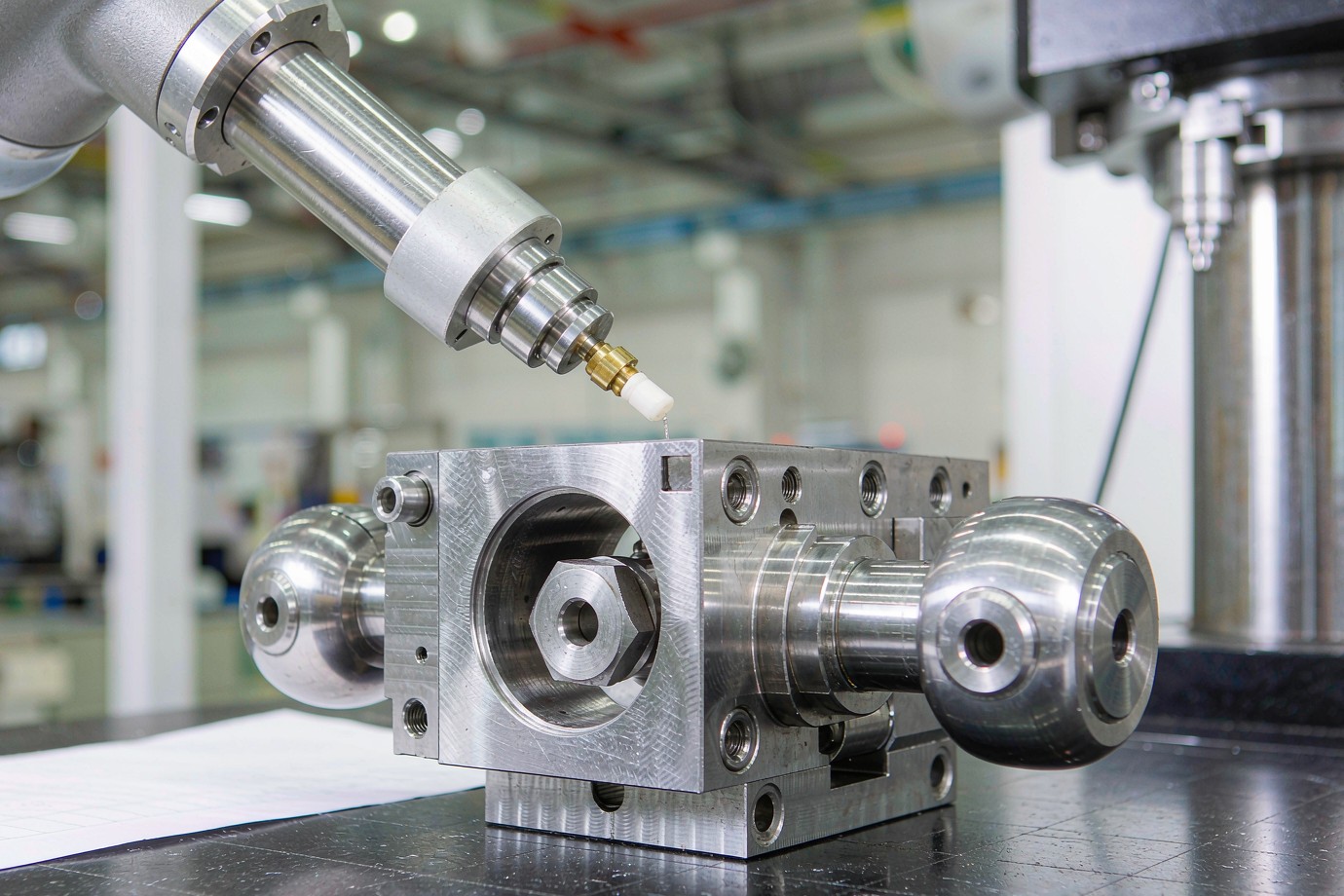
A sensor housing report is useful when it measures the features the drawing made critical, with a method that can resolve the stated tolerance.
- Drawing review
- →
- First article
- →
- Bore & thread
- →
- Sealing face
- →
- Dimensional report
Agreed at order review, the document set can include a dimensional inspection report, first-article inspection and material documentation where grade and traceability matter. A dimensional report confirms measured features against the drawing; it is not a leak-test report, a pressure certificate or an IP rating. Where sealing or pressure performance matters, define the test and acceptance rule as a separate item. See our quality and certification page for the system behind the work.
What to Put in a Sensor Housing Quote Request
Sensor buyers can often supply more than a drawing. The functional details below are what let us review the machining route and return a quote that holds.
- CAD & drawing3D model plus a 2D drawing with dimensions, datums and GD&T.
- Sensor typePressure, temperature, proximity, flow, optical or other, so the relevant features are checked.
- Material & mediumGrade, condition, and the medium name, concentration, temperature and pressure.
- Sealing systemO-ring, gasket or welded seal, with the seal specification and mating-part interface.
- Threads & boresThread standard and class, bore and concentricity requirements, internal features.
- Critical featuresWhich faces, ports or bores must be controlled and the inspection method where it matters.
- Finish & EMCCoating, masking, grounding or contact faces and any shielding-related geometry.
- Quantity & testPrototype and annual volume, and whether assembled leak or IP testing is in scope.
Five items move the price most: the material grade and actual medium; whether there is a pressure boundary and sealing requirement; the thread standard and bore structure; thin-wall and deep-hole geometry; and whether assembled leak or IP testing is required. Keep part-size acceptance, interface acceptance, assembled sealing validation and full sensor performance as separate responsibilities. Founded in 1998, Goldcattle works across six core processes under one ISO 9001:2015 quality system, with customers in 100+ countries. Related reading: stainless steel CNC machining and Ti-6Al-4V CNC machining.
Questions Buyers Ask Before Sourcing Sensor Housings
What is CNC machining for sensor housings?
Which sensor housing parts can be CNC machined?
Can you machine pressure sensor housings?
How do you machine O-ring grooves and sealing faces?
Can CNC-machined sensor housings achieve IP67 or IP68?
What tolerance can a sensor housing hold?
Can thin-wall stainless steel sensor bodies be machined?
Should I use CNC turning or milling for a sensor housing?
Which materials are used for sensor housings?
Do you provide leak testing or pressure test reports?
Do you manufacture complete sensors?
What should I include in a sensor housing RFQ?
Need Custom CNC Sensor Housings?
Send your 3D CAD files and technical drawings. Our engineering team can review the machining route, material choice, critical bores and threads, sealing features and the dimensional inspection scope before quoting. Tell us the medium and temperature if the housing contacts a process fluid.
Submit Housing Drawing for Review →Drawing-based manufacturing of mechanical housings and components. Tolerances, sealing performance and inspection are agreed per order, not quoted as universal values.