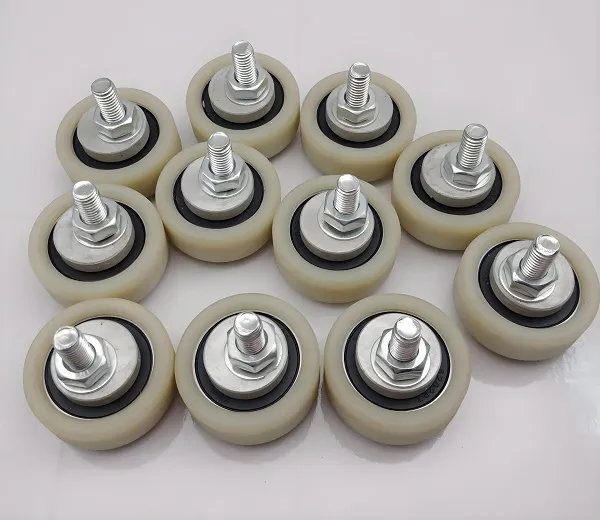
Custom Marine Components & Parts Manufacturing
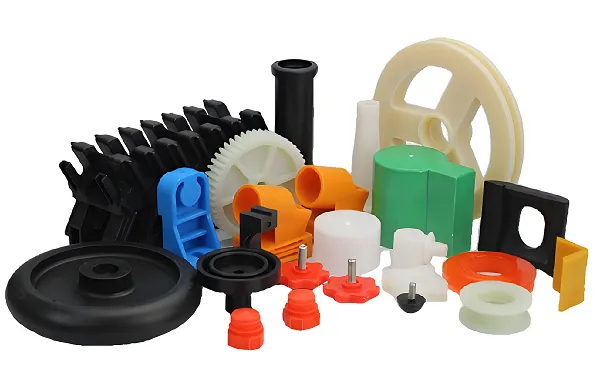
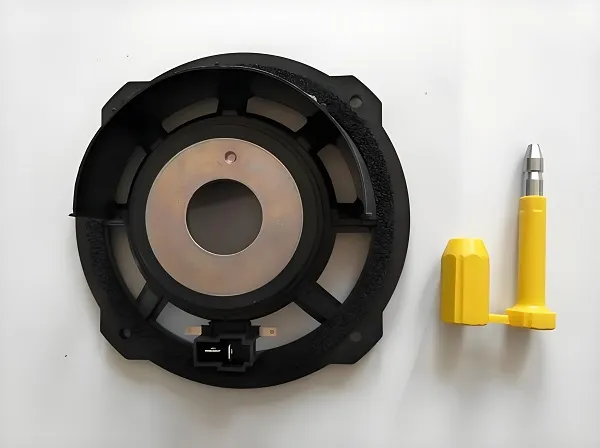
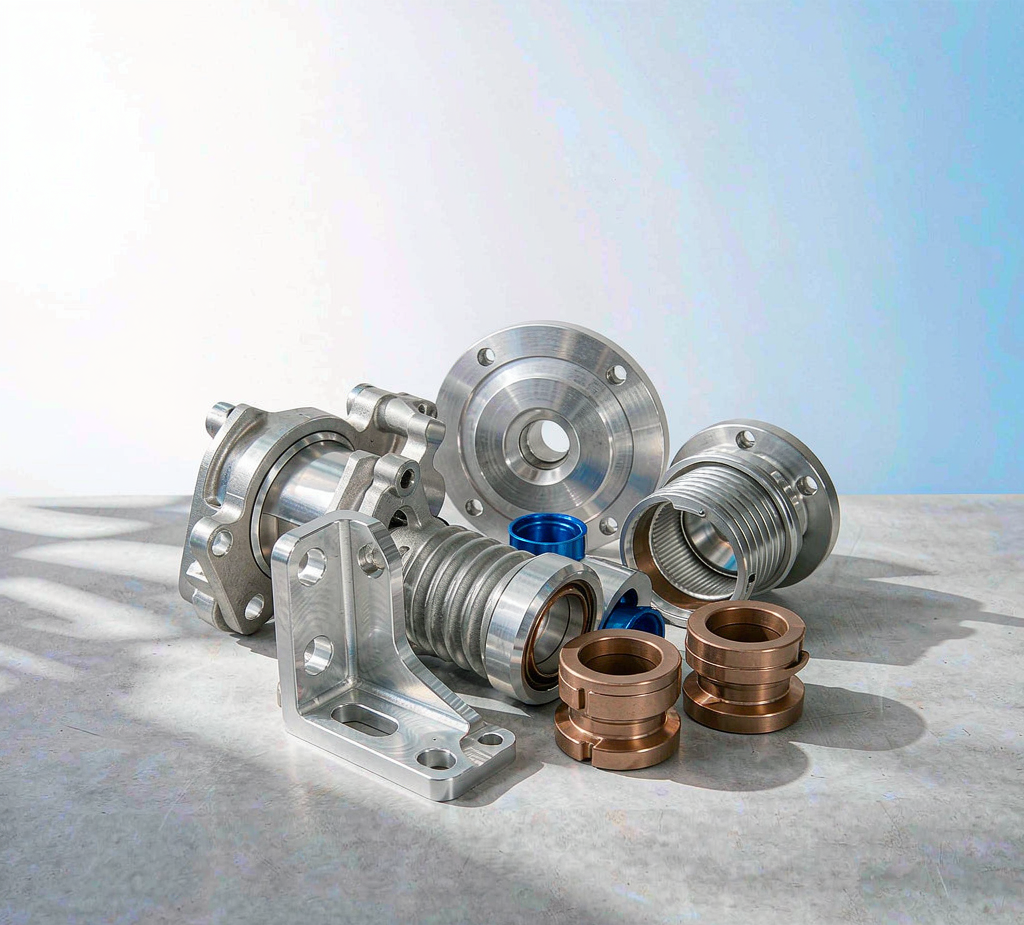
We make custom metal and engineering plastic parts for marine and offshore equipment, from your drawing or an existing sample. Six in-house processes, one quality system.
We start with where the part will work, not with a machine list. Salt air, a splash zone and continuous immersion are three different problems. Tell us the environment and we will review the material, the process and the checks together.
Built to drawing, CAD or an approved sample. No stock catalogue. No standard boat hardware range.
01 / Established
Since 1998
A long-running custom parts manufacturer based in Xiamen, China.
02 / Integration
Six in-house processes
CNC machining, injection molding, mold making, 3D printing, die casting and sheet metal fabrication.
03 / Equipment
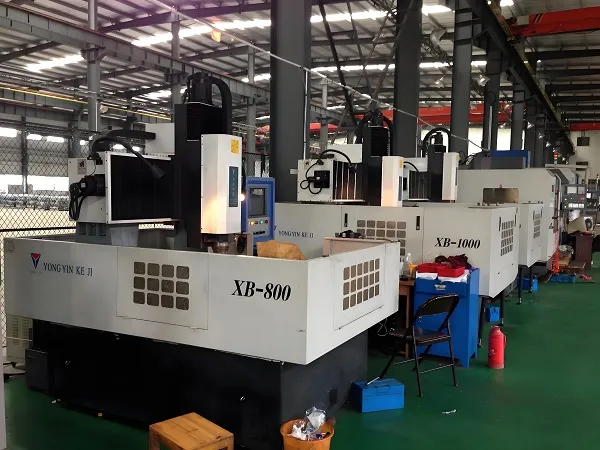
100+ machines across six processes
One combined equipment figure for all six core processes under one roof.
04 / Quality
ISO 9001:2015 quality system
Incoming material checks, in-process checks and final inspection are agreed from the drawing.
1 · What This Page Covers
Short answer: Xiamen Goldcattle makes custom parts for marine and offshore equipment from a drawing, a CAD model, a BOM or an approved sample. We are a parts manufacturer, not a shipyard, not a boat builder and not a marine systems integrator.
Marine buyers rarely arrive with a finished purchase order. They arrive with a part that failed, a drawing that needs a second source, an old component that is no longer made, or a new assembly that needs a supplier for brackets, housings and fittings. This page is written for those four situations.
We cover the parts, the materials, the operating conditions, the six manufacturing routes and the documents that can be agreed with an order. We also state our limits clearly. A clear boundary is more useful to a buyer than a long list of things we almost do.
Your drawing, your part
The shape, the grade, the critical sizes and the finish come from your specification. An approved sample can be used when a drawing is not complete.
Six routes, one order
CNC machining, sheet metal, die casting, injection molding, 3D printing and mold making are run in-house under one ISO 9001:2015 quality system.
What we do not claim
We do not state class approval, whole-boat capability, complete marine system integration or blanket tolerances and test hours.
Read this before you compare marine suppliers
Two quotes for the same bracket can describe different parts. One may assume a dry cabin. Another may assume a splash zone. Ask each supplier which environment, which grade and which surface protection the price covers. A low number often means a hidden assumption.
2 · Marine Applications We Support
Short answer: Recreational boats and yachts, commercial marine equipment, fishing and workboat equipment, and selected offshore support equipment. In every case we make components, not complete systems.
Recreational boats and yachts
Custom brackets, mounting hardware, equipment housings, trim components and non-structural fittings.
Commercial marine equipment
Mounting plates, mechanical supports, equipment enclosures, sleeves, bushings and component housings.
Fishing and workboat equipment
Corrosion-conscious equipment brackets, covers, mounting components and replacement parts.
Offshore support equipment
Selected equipment housings, mounting structures, machined parts and non-critical auxiliary components, subject to project specifications.
Swipe the table to see all columns.
| Application | Parts buyers usually ask for | What we ask about first | Boundary |
|---|---|---|---|
| Recreational boats | Brackets, covers, trim parts, small housings | Visible face finish, salt air exposure, fixing pattern | Non-structural parts only |
| Commercial marine equipment | Mounting plates, supports, enclosures, sleeves | Assembly interface, hole position, repeat order size | Component supply, not system integration |
| Fishing and workboat equipment | Brackets, covers, replacement parts | Wet and dry cycles, cleaning agents, sample condition | Replacement parts are checked against an agreed drawing |
| Offshore support equipment | Housings, mounting structures, machined parts | Project documents, test needs, approval scope | Non-critical auxiliary components only, subject to specification |
These are areas where we can review a part for manufacture. They do not mean we build whole vessels, propulsion systems or complete offshore equipment packages.
3 · Marine Components We Manufacture
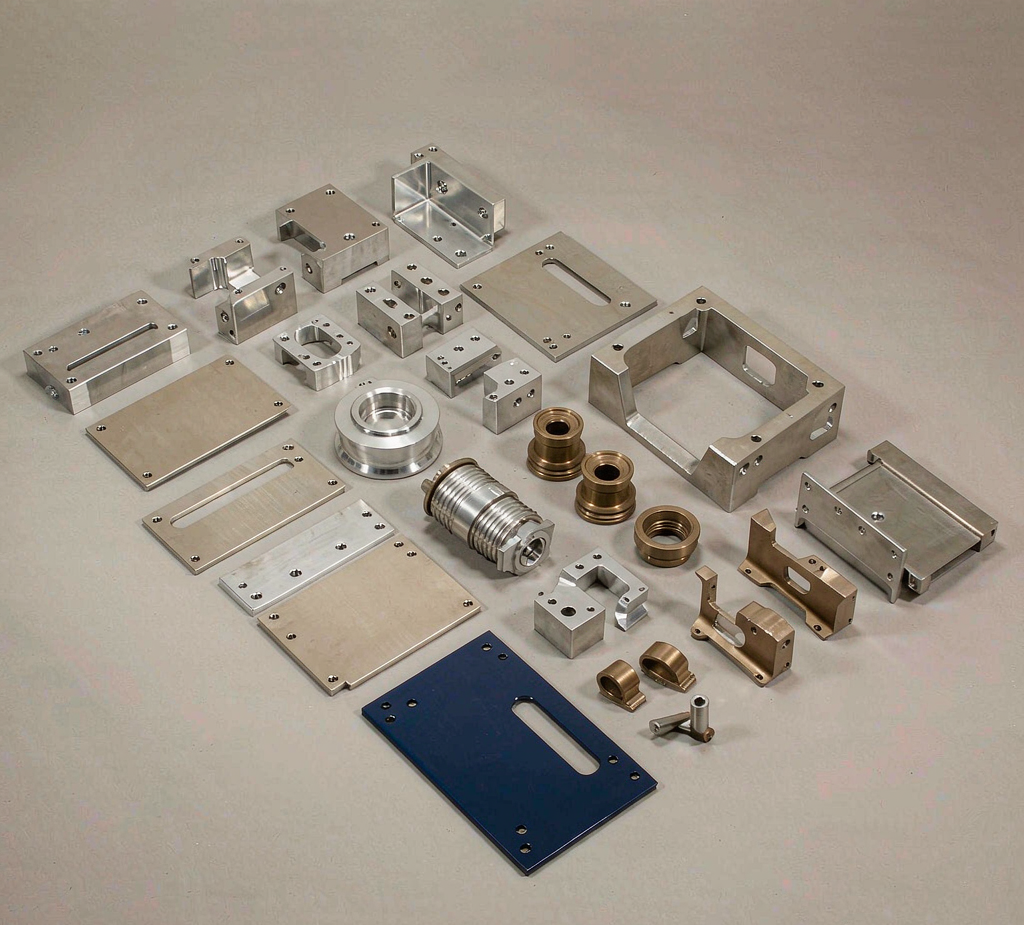
Short answer: Brackets and mounting supports, equipment housings and covers, machined fittings and mechanical parts, formed sheet metal components, and selected equipment subcomponents. Each group is defined by the drawing you send.
Brackets and mounting supports
Custom brackets, mounting plates, supports and equipment bases. Hole position and flatness usually matter most.
Equipment housings and enclosures
Metal housings, protective covers and selected instrument enclosures. Sealing faces need machining and masking.
Machined fittings and mechanical parts
Bushings, sleeves, spacers, flanges, pins and selected fittings. Fit and repeat size are the usual checks.
Sheet metal components
Enclosures, panels, covers, brackets and formed sheet parts. Bend radius, flatness and coating matter here.
Equipment subcomponents
Selected pump and valve equipment housings, mounting components and associated mechanical parts. Pressure-boundary and safety-critical applications are subject to a separate specification and qualification review.
Swipe the table to see all columns.
| Component group | Typical use | Grades buyers ask for | Routes that can fit | Usual check |
|---|---|---|---|---|
| Brackets and supports | Holding equipment in place | 316 / 316L, 5052, 5083, 6061 | CNC machining, sheet metal, die casting | Hole position, flatness, thread gauge |
| Housings and covers | Protecting equipment | 5052, 5083, 6061, cast aluminum alloys | CNC machining, die casting, sheet metal, injection molding | Sealing face, cover fit, finish |
| Bushings and fittings | Alignment and sliding contact | Bronze, 316 / 316L, POM, PEEK | CNC turning and milling | Bore size, fit, surface finish |
| Sheet metal parts | Panels, covers, shallow enclosures | 5052, 316 / 316L | Sheet metal fabrication, laser cutting, bending | Bend angle, flatness, coating coverage |
| Equipment subcomponents | Selected pump and valve assemblies | Set by the project specification | CNC machining, die casting | Agreed per drawing and qualification review |
We only list parts we can review for manufacture. If a component needs a design basis, a pressure rating or an approval we cannot support, we say so at drawing review instead of adding it to a list.
4 · Start With the Operating Environment
Short answer: A stainless steel marine bracket is not one specification. Salt air, a splash zone and continuous immersion call for different grades, finishes and joint details. We ask where the part sits before we suggest a material.
This is the part most general marine pages skip. A buyer asks for 316 because it is the grade they know. But 316 can still pit or suffer crevice corrosion in some seawater conditions. Water that sits in a joint, a slow flow, a warm engine room and a stainless bolt touching an aluminum plate all change the answer.
Swipe the table to see all columns.
| Where the part works | What the buyer watches | What we review | Tell us in the RFQ |
|---|---|---|---|
| Salt air exposure | Salt deposit, humidity, surface protection | Grade, finish, cleaning access | Indoor or outdoor, cover, cleaning method |
| Splash zone | Repeated wet and dry cycles, chloride build up | Crevice design, drainage, coating system | Splash frequency, drainage, joint layout |
| Intermittent seawater contact | Local pitting, water trapped in gaps | Joint design, masking, surface texture | Contact time, drying time, mating parts |
| Continuous seawater immersion | Pitting, crevice corrosion, grade suitability | Grade limits, isolation from other metals, approval scope | Immersion duration, temperature, water flow |
| Engine room | Heat, vibration, oil and cleaning fluids | Fixing method, thread engagement, finish compatibility | Temperature range, fluids, vibration source |
| Offshore exposure | Salt, load, humidity and project documents | Material documents, inspection plan, traceability | Project specification and document needs |
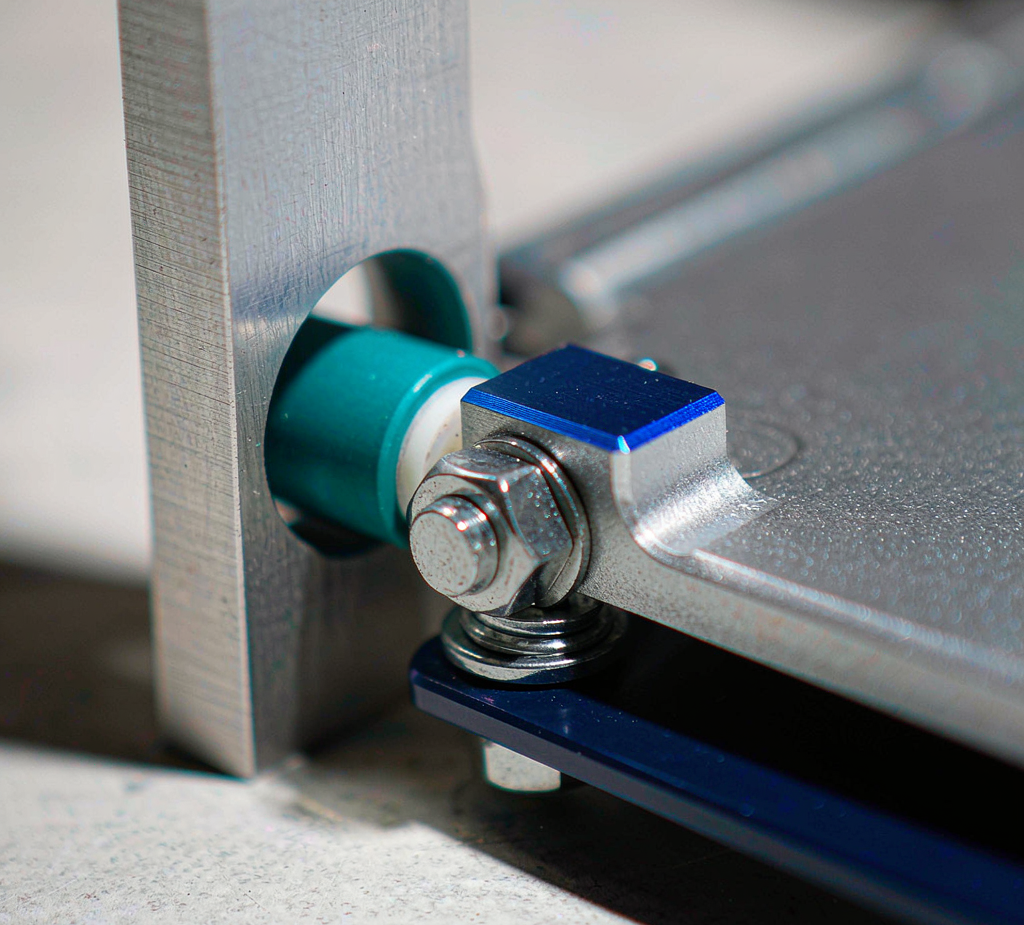
Four things we check on a marine drawing
Corrosion resistance
Grade, surface treatment and the actual exposure. A grade name alone is not a corrosion plan.
Galvanic compatibility
Different metals in contact, insulation, coatings and the size of the contact area.
Dimensional accuracy
Hole position, threads, mounting faces and the sizes that must survive finishing.
Surface protection
Passivation, anodizing and coating, and which faces must stay bare.
Why material selection alone does not guarantee corrosion resistance
The same 316 part can behave differently in salt air and in standing seawater. The same aluminum part can behave differently with a stainless bolt and with an isolated joint. Water flow, temperature, joint design, contact area, drainage and finish all take part. We review the assembly, not just the grade on the drawing.
We do not publish a blanket tolerance for marine parts. A fit size on a machined bore, a flatness value on a cover and a formed sheet angle are three separate questions. Each one is reviewed from your drawing and agreed before production.
5 · Material Selection for Marine Components
Short answer: 316 and 316L stainless, 5052 and 5083 aluminum, 6061 aluminum, bronze and engineering plastics are all common requests. None of them is right for every condition. We confirm the grade, the state and the supply before we quote.
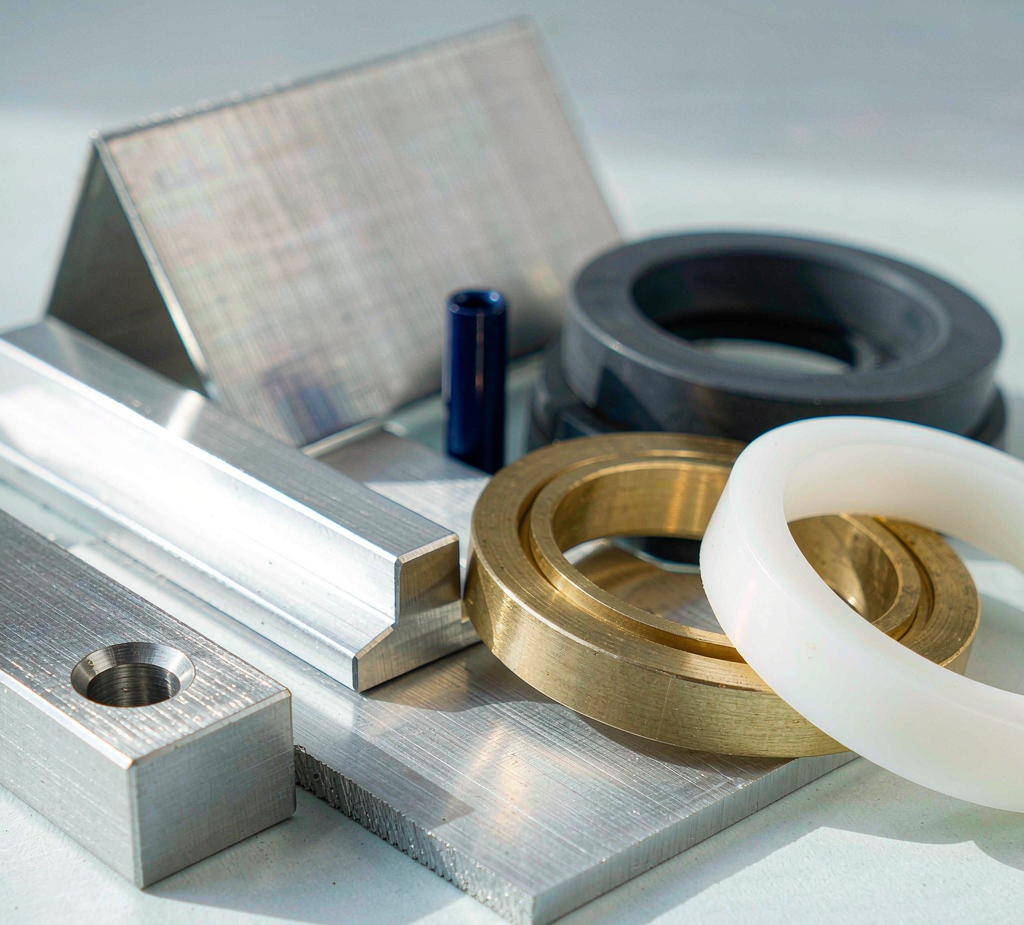
Our engineering materials library holds the wider grade and property information. This page answers the marine selection question only: which grade fits which exposure, and what has to be checked before it is used.
We do not print strength, hardness or test values from a general table. Those numbers depend on the grade, the state, the section and the test method. We give you values only when the supplier document and the agreed test support them.
Two common mistakes. Treating 316 as a permanent answer for every seawater condition, or choosing 304 without checking the exposure. Both lead to parts that fail early. We discuss the exposure before we agree a grade.
Swipe the table to see all columns.
| Material | Applications buyers ask about | What the page must say | Confirm before quoting |
|---|---|---|---|
| 316 / 316L stainless steel | Deck hardware, equipment brackets, wet area supports | Not immune to pitting or crevice corrosion in all seawater conditions | Grade standard, supply, immersion time, finish |
| 304 stainless steel | Freshwater, indoor or protected general parts | Not a general recommendation for direct seawater use | Actual exposure, reason for the grade |
| 5052 aluminum | Formed panels, equipment covers, light supports | Judge with sheet thickness, forming and protection together | Sheet state, bend radii, coating |
| 5083 aluminum | Marine and offshore structural related parts | Good seawater resistance is often quoted, but the plate state matters | Plate state, material document, machining route |
| 6061 aluminum | Machined brackets, connectors, equipment bases | Consider seawater exposure, protection and contact with other metals | Grade, temper, finish, fastener material |
| Bronze | Bushings, sleeves, wear and sliding parts | Select by grade, mating surface and medium | Grade, friction pair, supply |
| POM / PEEK / PA / HDPE | Insulators, bushings, covers, non-metal functional parts | Check water uptake, UV, temperature, chemicals and load | Grade, exposure, load, color and finish |
We also check what the part touches. A plated steel bolt in an aluminum bracket, a bronze sleeve in a stainless housing and a plastic spacer against a coated face are three different assemblies. Isolation, drainage and masking are agreed on the drawing, not added at the end.
6 · Six Processes, Matched to the Part
Short answer: Six core processes are performed in-house under one ISO 9001:2015 quality system. That does not mean every process can make every marine part. We choose the route from the shape, the material, the volume and the drawing.
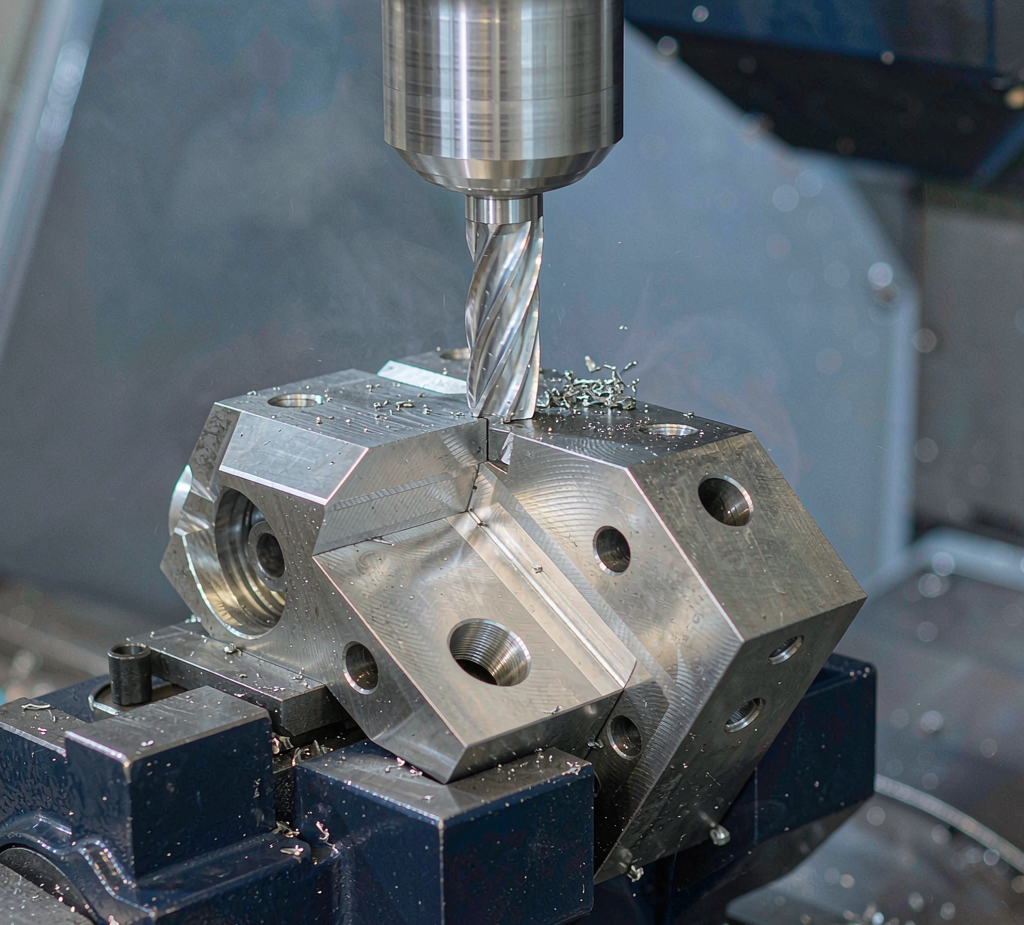
Swipe the table to see all columns.
| Process | Marine parts it can fit | Buyer value | What limits the choice |
|---|---|---|---|
| CNC machining | Brackets, bushings, flanges, housings, selected fittings | Complex shape and key fit sizes | Material, size, number of setups |
| Sheet metal fabrication | Equipment enclosures, mounting plates, panels, covers | Thin wall structures and formed covers | Sheet state, bend radius, flatness, finish |
| Die casting | Aluminum or zinc housings, covers, selected bases | Near net shape for repeat volumes | Alloy, wall, cavity, tooling step |
| Injection molding | Protective covers, electrical housings, non-metal parts | Repeat plastic parts | Grade, tool, exposure and load |
| 3D printing | Fit-check models, prototype covers, design validation parts | Faster early design checks | Material limits and end-use suitability |
| Mold making | Injection tooling for repeat plastic parts | Supports later plastic part production | Tool ownership and revision control |
CNC for fit sizes
Hole position, threads and machined faces are the usual reason a marine part goes to a mill or a lathe.
Sheet metal for covers
Panels, shallow enclosures and mounting plates suit forming better than cutting from solid stock.
Tooling for repeat orders
Casting and molding tools make sense for a stable design and a repeat demand. We compare the routes before tooling starts.
For wider process detail, see our CNC machining services, sheet metal fabrication, die casting services and injection molding services pages. Those are related reading. The Marine entry on our home page points here, not to a general process page.
7 · Quality Control and Documentation
Short answer: We write a check plan from your drawing. It can cover incoming material, in-process checks, a first article report, a dimensional report, a certificate of conformity and material lot traceability. We state what we can supply for your order at the enquiry stage.
Incoming material
Grade, supplier document and batch identification.
In-process checks
Key sizes checked during manufacture.
First article and final
Checked against the approved drawing and agreed acceptance rules.
Identification and packing
Batch identification, agreed documents and export packing.
Swipe the table to see all columns.
| Document | What it covers | How we state it |
|---|---|---|
| Material certificate | Grade and the material lot used | Confirmed for the order and the material supplier |
| Certificate of conformity | A statement against the agreed specification | Issued when it is part of the order |
| First article report | Key sizes on an early part | Scope agreed from the drawing |
| Dimensional report | Measured sizes and the method used | Frequency agreed in the check plan |
| Lot traceability record | Material lot to finished batch | Available when the plan calls for it |
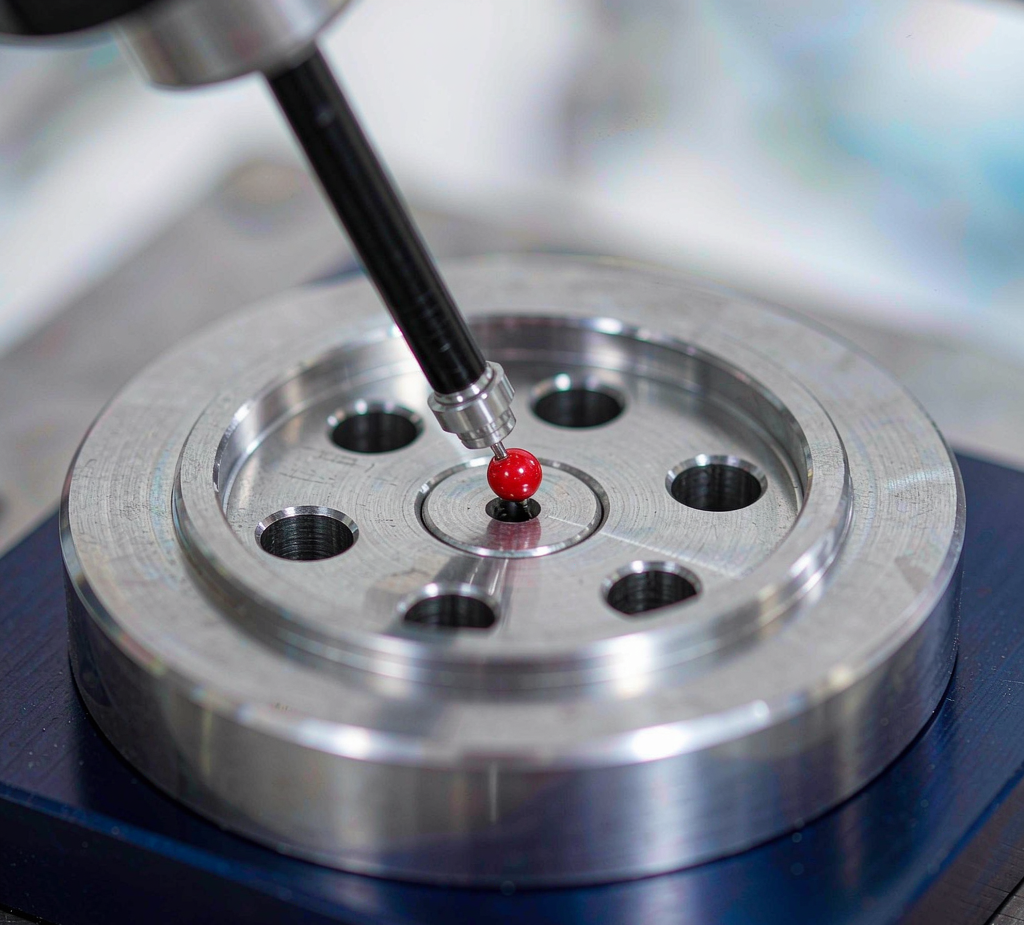
ISO 9001 is a quality system, not a class approval
DNV, ABS, Lloyd's Register and Bureau Veritas type approvals are separate from a quality management system. Marine project documentation and inspection requirements are reviewed against your specifications and the approval requirements that apply before production. We do not state class approval without a defined scope and evidence, and we do not use a quality certificate in its place.
We do not say that every size is checked on every part, or that one report set fits every order. Those are decisions in the check plan. We also do not quote an instrument accuracy as if it were a part tolerance, or name a specific measuring machine brand.
8 · From Drawing to Production
Short answer: Submit the drawing or sample, review the design, agree the material and route, make a prototype and first article, run production with the agreed checks, then pack and deliver. Production specifications, inspection criteria and documentation are agreed before order confirmation.
Submit
2D drawing, STEP file, CAD model, BOM or a physical sample.
Engineering review
Geometry, material, operating conditions, sizes and quantity.
Route and finish
Confirm the process, the finish and the inspection needs.
Prototype and first article
Validate fit, sizes, surface and the agreed requirements.
Production
Run the approved plan and the agreed checks.
Packing and delivery
Prepare the parts and the agreed documents for shipment.
A sample route and a production route are not the same thing. A bracket cut from solid may pass an early fit check but behave differently when cast or formed. We say which route a sample came from, so a fit approval is not mistaken for a tooling approval.
Revision control matters on repeat orders. Send a new drawing revision before the next batch, not after. A changed hole pattern can affect the tool, the machining program and the check plan at the same time.
9 · Samples, Replacement Parts and Low Volume
Short answer: We often support a first small batch, a replacement part or a part made from an existing sample. For safety-critical, pressure or approval-dependent parts, a sample alone is not enough.
An old part is no longer made
We measure the sample and agree a drawing with you before any batch is produced.
Maintenance needs a replacement
A small batch can be planned around the assembly interface and the check sizes.
Lead time from the current source is long
We review a second-source route against the original drawing and material.
Buyers also ask for a few parts to prove a fit before a repeat order. That is a normal request. We agree the sample route, the sizes to check and how the result is recorded. A sample is not a promise that a production tool has been approved.
The limit on copying a sample
For a safety-critical part, a pressure-boundary part or a part that needs class approval, we do not promise to copy a sample and put it straight into service. We review the drawing, the material, the design basis and the approvals required first. Where we cannot support those, we say so.
We do not publish a fixed sample lead time, a minimum order size or a fixed production window on this page. Those depend on the route, the grade, the tool and the order. We state them in the quote for your part when we can support them.
10 · Why Marine Buyers Work With Goldcattle
Short answer: Buyers come to us to reduce sourcing risk: one supplier for six processes, one review of the drawing and the environment, and one agreed check plan. That is the practical answer, not a slogan.
Swipe the table to see all columns.
| Buyer concern | Our answer | What to check on the order |
|---|---|---|
| Coordinating several suppliers | Six core processes are performed in-house under one quality system | Which routes this part actually uses |
| Not sure which process fits | We review geometry, grade, quantity and drawing before proposing a route | The route written in the quote |
| Worried about variable quality | Confirmed in-house manufacturing and inspection steps | The agreed check plan and documents |
| Worried about fit and repeat size | CNC machining and dimensional checks against the drawing | Critical sizes and report scope |
| Need different order sizes | Sample, first article and repeat production are reviewed per project | Sample route and revision control |
| Need material and quality documents | We confirm what can be supplied for the order and the material lot | Document list agreed before production |
For factory, quality system and equipment detail, see our company and manufacturing overview. For grade and property detail, see the engineering materials library.
11 · Three Ways to Start
Short answer: Buyers arrive at different stages. Some have a finished drawing, some have a part in their hand, and some only have a project. Each one can start with the information they already have.
Send a Drawing
Share a 2D drawing, a STEP file or a CAD model. We review the geometry, the grade and the critical sizes and come back with a route.
What to sendReproduce a Part
Share an existing sample or a replacement requirement. We measure it and agree a drawing before any batch is made.
What to sendDiscuss a Project
Tell us the application, the operating environment and the quantity. We help you decide what still needs to be defined.
What to sendNot sure about the material or the process?
Share your part drawing or an existing sample. Our team can review the manufacturing options with you. You do not need a finished specification to start a conversation.
12 · Request a Quote for Your Custom Marine Components
Short answer: Send the part name, the quantity, the material, the drawing or description, and your email. The environment, tolerance, finish and document needs help us give a useful first answer, but they can come later.
Start with these five
Part name and application What it is and where it works.
Quantity Sample, small batch or repeat production.
Material A fixed grade, or ask us to review options.
Drawing or description PDF, STEP, IGES, DWG, CAD or a sample.
Email Where we send the reply.
Add these when you have them
Swipe the table to see all columns.
| Optional detail | Why it helps | Common options |
|---|---|---|
| Operating environment | Drives the grade and the finish | Salt air, splash zone, seawater contact, immersion, engine room, offshore |
| Tolerance | Defines which sizes are critical | From your drawing, feature by feature |
| Surface finish | Changes sizes and masking | Passivation, anodizing, coating, polishing, as machined |
| Document needs | Sets the check plan before production | Material certificate, CoC, FAI, dimensional report, lot traceability |
| Approval requirements | Sets the review scope | Reviewed against the product and project specification |
| Target delivery and country | Shapes packing and the delivery plan | Destination and the window you are working to |
We do not ask you to fill in a long form before a first conversation. Send what you have. We will come back with the open questions.
Send the part. We will answer against your drawing.
Tell us where the part works and what it must fit. We will come back with the material question, the process route we propose, the checks we can support and the documents we can state for your order.
What to expect in the reply
- A proposed process route, not a machine list.
- Open questions about the environment and the grade.
- The checks and documents we can include.
- Any requirement we cannot support, stated plainly.
13 · Questions Buyers Ask First
Because the same grade behaves differently in different places. Salt air, a splash zone and standing seawater are not the same condition. The grade, the finish and the joint design all follow from that answer.
Related: operating environment and materials.
You can, but we will still ask. 316 is widely used and still can pit or suffer crevice corrosion in some seawater conditions. We also need to know what metal it touches and whether water can sit in a joint.
Related: material selection and FAQ.
No. A coating is one part of a protection plan. Drainage, contact faces, masking and the grade still matter. We agree which faces stay bare before finishing starts.
Related: galvanic compatibility.
Often yes, for a non-critical part. We measure it and agree a drawing with you. For a pressure part or a part that needs approval, we need the design basis and the required documents first.
Related: samples and small batches.
We do not state class approval without a defined scope and evidence. ISO 9001:2015 is our quality system. We review project documents and inspection needs against your specification and the approval requirements that apply.
Related: quality and documents.
14 · Frequently Asked Questions
Can you manufacture custom marine components from drawings?
Yes. We make parts from a 2D drawing, a 3D model, a BOM or an approved sample. We review the geometry, the material, the operating environment, the quantity and the checks you need before we quote. We do not keep a stock catalogue of marine parts.
What materials are suitable for marine components?
Buyers often ask for 316 and 316L stainless steel, 5052 and 5083 aluminum, 6061 aluminum, bronze, and engineering plastics such as POM, PEEK, PA and HDPE. The right grade depends on where the part sits and how long it sees seawater. We confirm the grade and the supply before we quote.
Is 316 stainless steel suitable for seawater applications?
316 is widely used for marine parts exposed to salt air and short seawater contact. It is not immune to pitting or crevice corrosion in every seawater condition. Immersion time, water flow, temperature, joint design and contact with other metals all matter. We review these before we suggest a grade.
Can you manufacture marine aluminum brackets and housings?
Yes, when the drawing and the environment suit aluminum. Brackets, mounting plates, covers and equipment housings are common requests. We look at the grade, the wall, the surface protection and any stainless fasteners that touch the aluminum. Galvanic corrosion is part of that review.
What types of marine equipment components can you produce?
We make mounting brackets and supports, equipment housings and covers, machined bushings, sleeves, spacers, flanges and pins, formed sheet metal panels and covers, and selected equipment subcomponents. We do not build complete boat systems, propulsion assemblies or whole vessels.
Do you support prototype and low-volume marine parts?
Yes, when the part suits the route. A first batch can be made by CNC machining or another short-run method before a production tool is built. We say which route the sample came from. A fit check on a sample is not the same as a tooling approval.
Can you provide material certificates and inspection reports?
Ask at the enquiry stage. The plan can cover a material document, a certificate of conformity, a first article report, a dimensional report and material lot traceability. We state what we can supply for your order. We do not claim one blanket document set for every part.
Can you supply DNV or ABS certified marine components?
ISO 9001:2015 is our quality management system. It is not a class approval. We review marine project documents and inspection needs against your specifications and the approval requirements that apply to the product. We do not state class approval without a defined scope and evidence.
Do you build complete marine systems or whole boats?
No. We are a custom parts manufacturer. We make metal and plastic components from your drawing or sample. We do not design whole vessels, install systems on board, or take responsibility for complete marine equipment assemblies.
What should I send for a marine parts quote?
Send the part name, the quantity, the material, the drawing or a sample, and your email. Add the operating environment, the tolerance, the surface finish, the document needs and the target delivery window if you know them. More detail at the start means fewer questions later.
Can you copy a part from an existing sample?
Often yes, for a non-critical part. We measure the sample and agree the drawing with you. For a safety-critical part, a pressure part or a part that needs class approval, a sample alone is not enough. We review the design basis, the material and the required approvals first.
How do you handle dissimilar metals in one assembly?
When aluminum touches stainless steel in a wet area, an electrical couple can form. We review the contact faces with you. Insulating washers, sleeves, coatings, contact area and drainage are all design choices. We agree the masking and the check sizes before finishing starts.
Still have a question about a grade, a finish or a document? Send the drawing with the question. We answer against your part, not against a general marine guide.
Related Capability Pages
This page is about marine equipment components and their manufacturing requirements. For wider process and material detail, see the pages below.
Xiamen Goldcattle Plastic & Metal Products Co., Ltd. Founded in 1998, we make custom parts from drawings or samples. Our work covers CNC machining, injection molding, mold making, 3D printing, die casting and sheet metal fabrication.